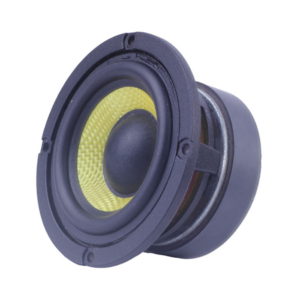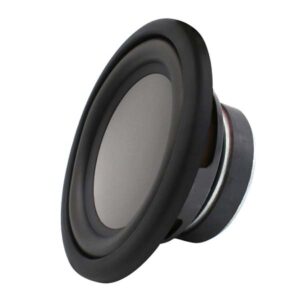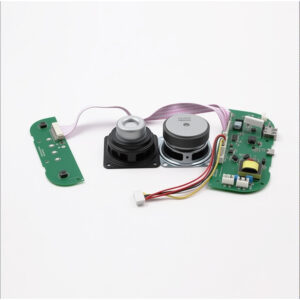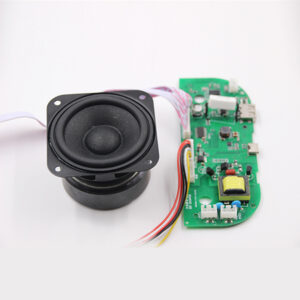
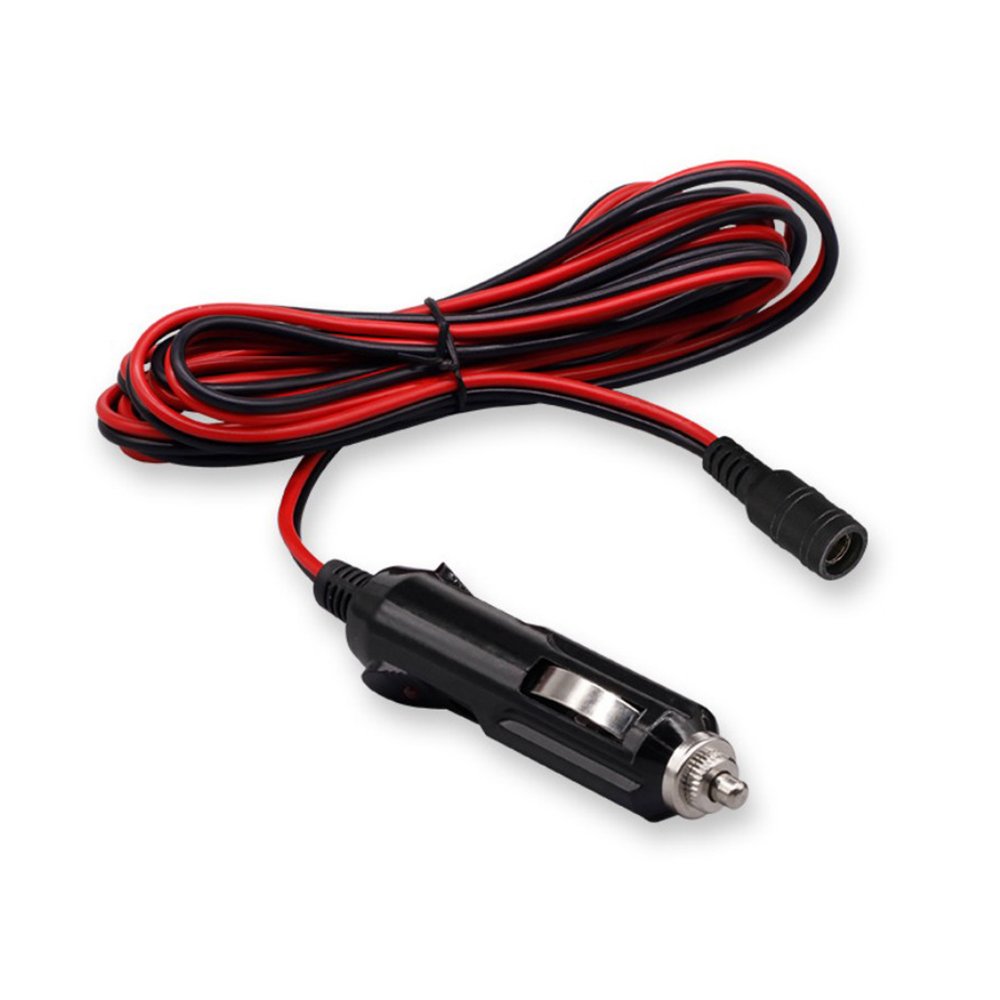

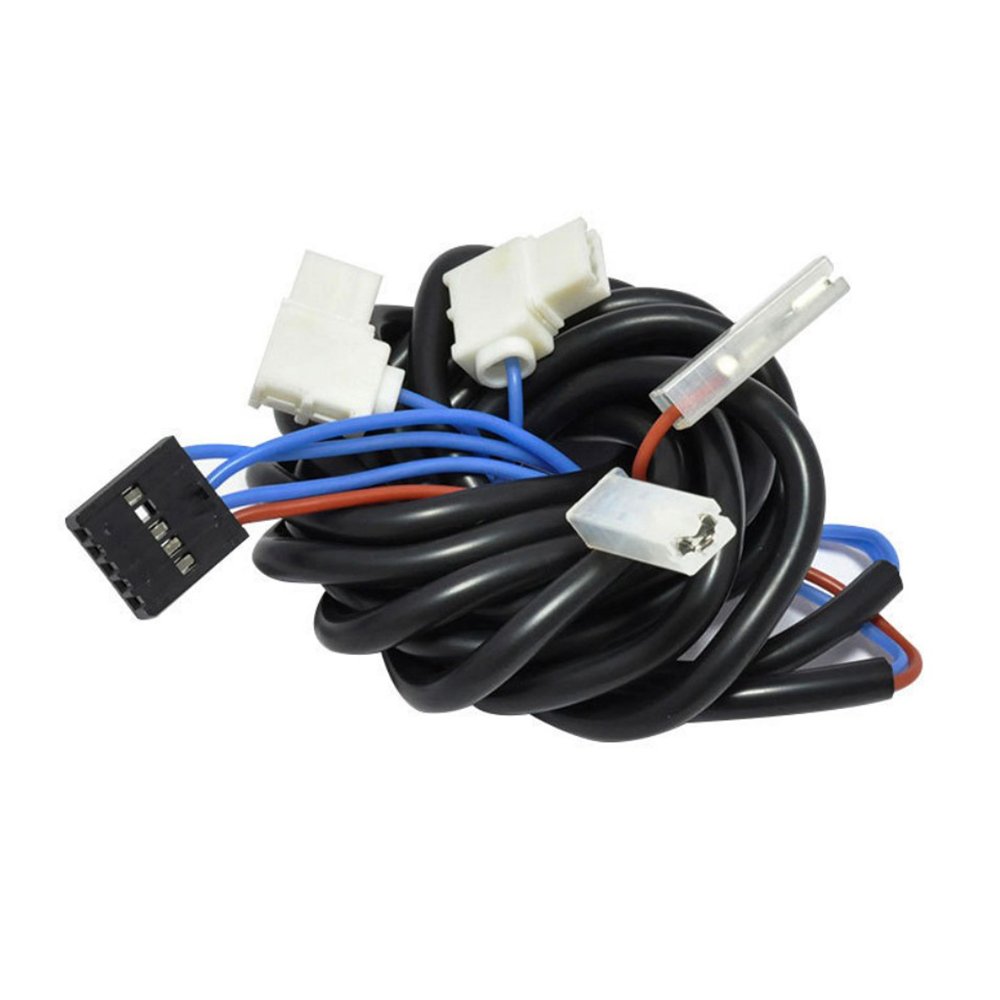
The ZEH-3832 harness is a made-to-drawing cable assembly for kitchen appliances: conductor gauge, insulation, connector series and cut lengths are fixed by your print, not by a catalogue.
Overview
A harness is a mechanical and electrical assembly, and its reliability is decided by the terminations rather than by the wire. ZEH-3832 is built to a defined drawing: conductor gauge, insulation type, cut length with a tolerance, crimp height, pull-force and connector family. Crimping follows IEC 60352-2 for solderless connections, and workmanship is inspected to IPC/WHMA-A-620, whose Class 2 is the normal commercial level and Class 3 the level used where continuity is safety-critical.
Crimp height, pull force and bend radius are recorded on the drawing; a harness that passes continuity but fails pull force is the most common source of intermittent field faults.
Specifications
| Model | ZEH-3832 |
|---|---|
| Product type | Custom wire harness / cable assembly |
| Conductor | AWG and strand count to drawing |
| Insulation | PVC, XLPE or silicone — to drawing |
| Connector | Molex, JST, TE or equivalent — to drawing |
| Workmanship | IPC/WHMA-A-620 Class 2 (Class 3 on request) |
| Test | 100 % continuity and Hi-Pot; first-article report |
| Customisation | Termination, dimensions, housing and tuning to your drawing |
| Compliance | RoHS 2011/65/EU and REACH; declarations with each shipment |
Design notes for kitchen appliances
Kitchen appliances put the transducer next to steam, grease and vibration from a motor. A wire harness assembly for this environment is sealed at the rear port, uses a surround that does not harden with heat, and is mounted on a bracket that decouples it from the motor’s 50–120 Hz excitation. The acoustic requirement is usually narrow — beeps, prompts and short voice clips — so intelligibility and repeatability matter more than extended bandwidth, and a 2–5 W driver is enough if the cavity is sealed.
Typical applications
- Ovens, microwaves and coffee machines
- Range hoods and dishwashers
- Refrigerators and water dispensers
- Air fryers and multi-cookers
Customisation and verification
Every unit is built to a drawing: impedance, lead length, connector series, mounting bosses and the rear-cavity gasket are project-specific. Samples from existing tooling are typically ready in 7–10 days, and new tooling adds 25–35 days. Production parts are checked with a frequency sweep and an impedance curve against the approved sample, and the inspection record travels with the shipment.
FAQ
Which workmanship standard applies?
IPC/WHMA-A-620 Class 2 for commercial assemblies and Class 3 where a failure is safety-critical; the class is stated on the drawing.
Can you supply a first article?
Yes — a first-article inspection report maps every circuit, crimp height and pull-force result to the drawing before mass production.
What is the minimum bend radius?
Five times the bundle diameter for static routes and ten times where the harness moves; tighter bends crack the insulation and fatigue the strands.
Related pages
wire harness assemblies · ZEH-5157 · ZEH-5156 · OEM Electronics Manufacturer China: How to Source a One-Stop Manufactu