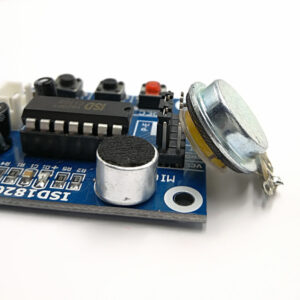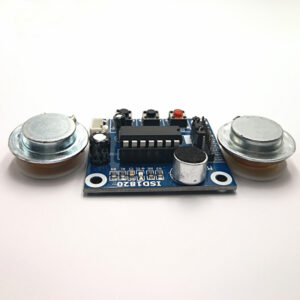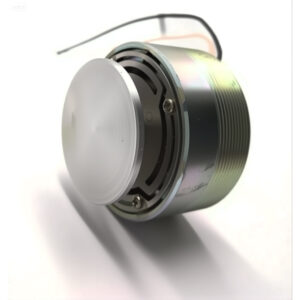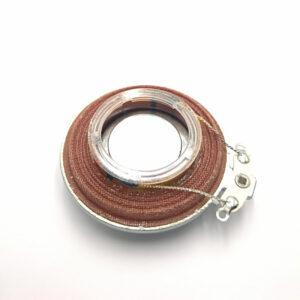
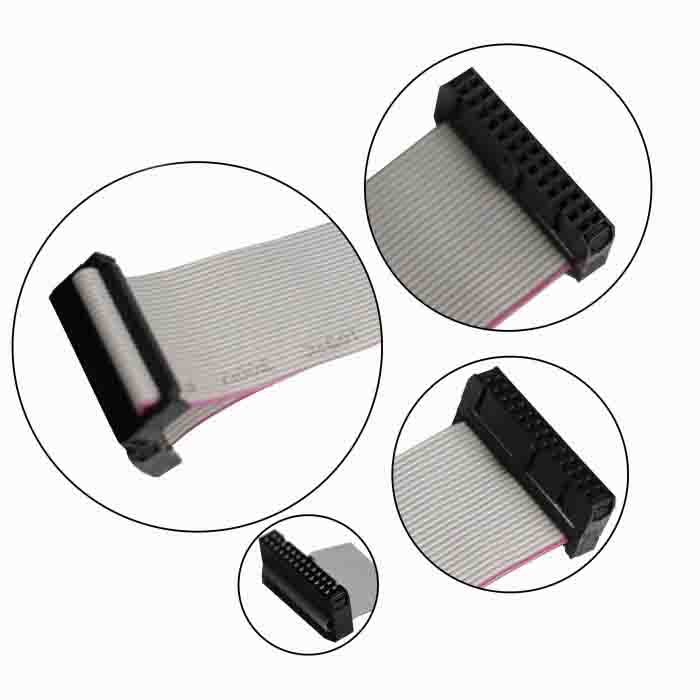
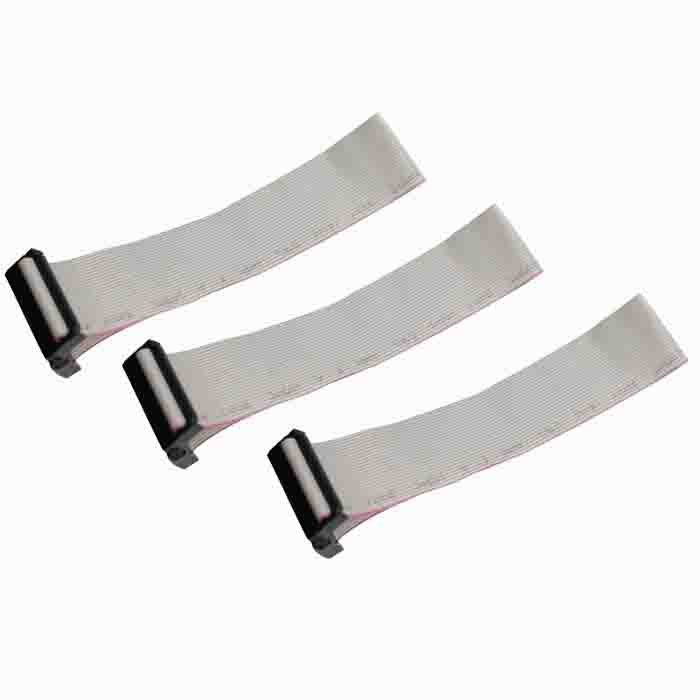
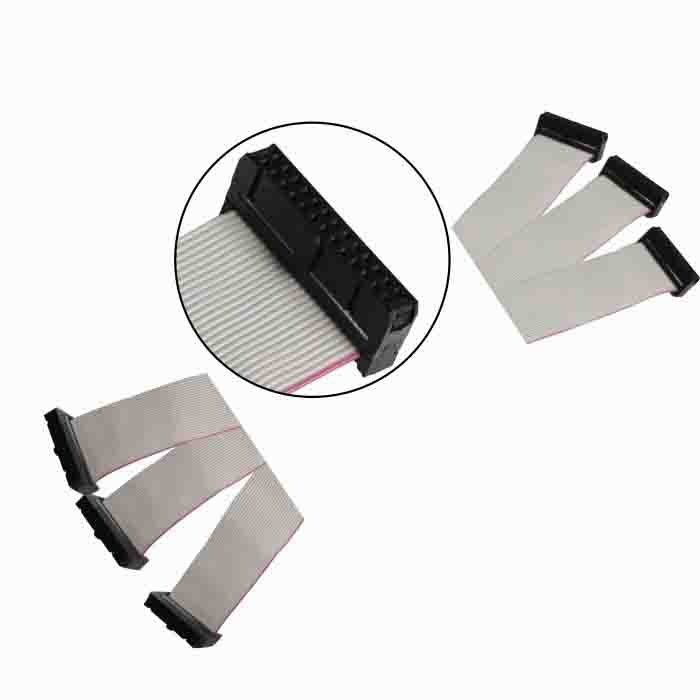
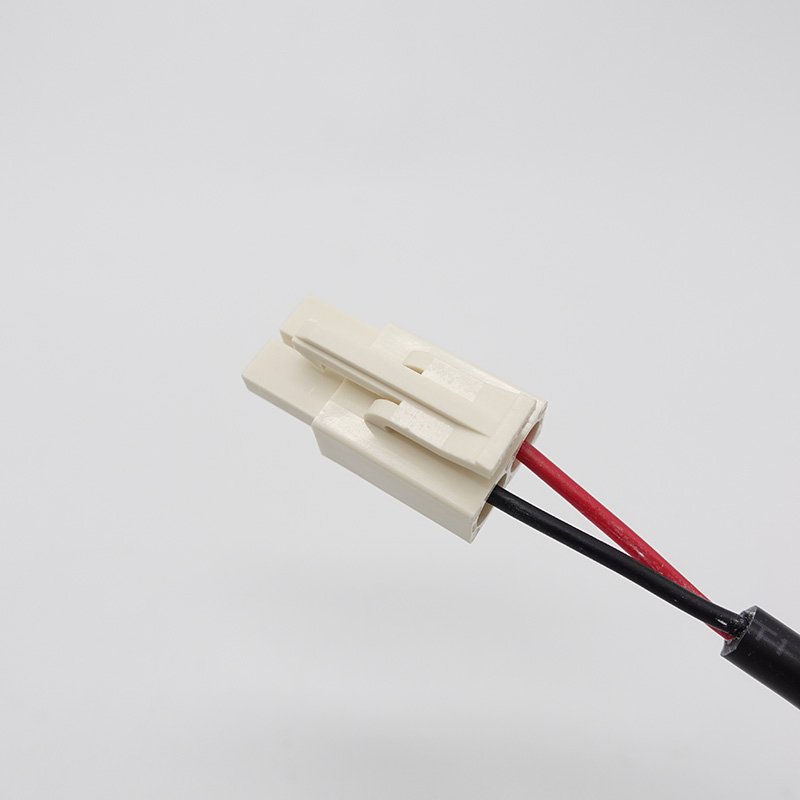
A custom cable assembly for industrial and robotic equipment, supplied to IPC/WHMA-A-620 workmanship with crimp heights and pull forces recorded on the first-article report (ZEH-5156).
Overview
Routing is part of the design, not an afterthought. Bend radius of at least 5× the bundle diameter, a service loop at every connector, and a strain relief within 50 mm of the termination prevent the field failures that show up as intermittent continuity. ZEH-5156 is 100 % continuity- and Hi-Pot-tested, labelled per circuit, and supplied with a first-article inspection report that maps each circuit to the drawing. For automotive programmes, vibration and thermal cycling follow ISO 16750 rather than a generic bench test.
Crimp height, pull force and bend radius are recorded on the drawing; a harness that passes continuity but fails pull force is the most common source of intermittent field faults.
Specifications
| Model | ZEH-5156 |
|---|---|
| Product type | Custom wire harness / cable assembly |
| Conductor | AWG and strand count to drawing |
| Insulation | PVC, XLPE or silicone — to drawing |
| Connector | Molex, JST, TE or equivalent — to drawing |
| Workmanship | IPC/WHMA-A-620 Class 2 (Class 3 on request) |
| Test | 100 % continuity and Hi-Pot; first-article report |
| Customisation | Termination, dimensions, housing and tuning to your drawing |
| Compliance | RoHS 2011/65/EU and REACH; declarations with each shipment |
Design notes for industrial and robotic equipment
Industrial and robotic products need a transducer that survives dust, vibration and continuous duty rather than one that is tuned for music. A wire harness assembly in this role is mounted behind a sealed grille and driven with alert tones and speech, so the design target is intelligibility at 1 m against 70 dBA of machinery, which is a signal-to-noise problem before it is a bandwidth problem. Cable retention and connector locking matter more than sensitivity: a harness that works loose in a moving axis is the most common failure in the field.
Typical applications
- Robot and AGV alerts
- Machine status annunciation
- Access control and intercoms
- Warehouse and logistics scanners
Customisation and verification
Customisation covers the electrical and the mechanical side together: coil impedance, lead and connector, gasket height, mounting interface and finish. First article is measured against the drawing before mass production, and subsequent lots are compared with the approved sample by swept response and impedance. RoHS and REACH declarations are issued with each shipment.
FAQ
Which workmanship standard applies?
IPC/WHMA-A-620 Class 2 for commercial assemblies and Class 3 where a failure is safety-critical; the class is stated on the drawing.
Can you supply a first article?
Yes — a first-article inspection report maps every circuit, crimp height and pull-force result to the drawing before mass production.
What is the minimum bend radius?
Five times the bundle diameter for static routes and ten times where the harness moves; tighter bends crack the insulation and fatigue the strands.
Related pages
wire harness assemblies · ZEH-5154 · ZEH-5157 · OEM Electronics Manufacturer China: How to Source a One-Stop Manufactu