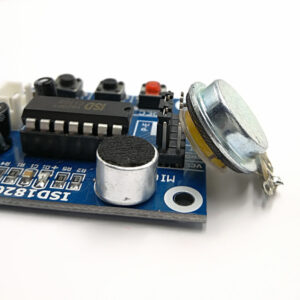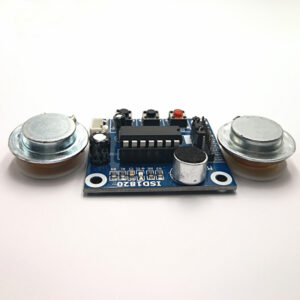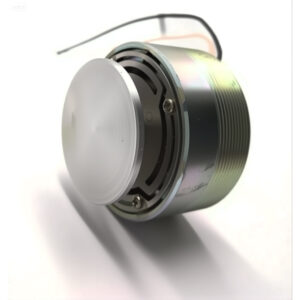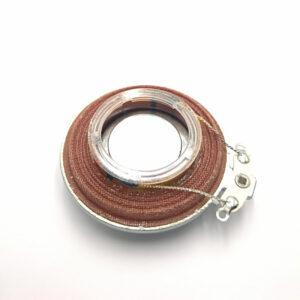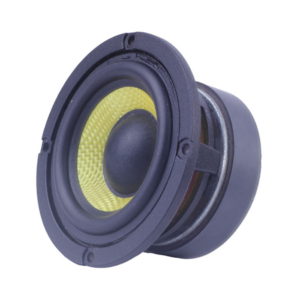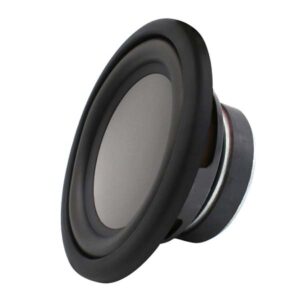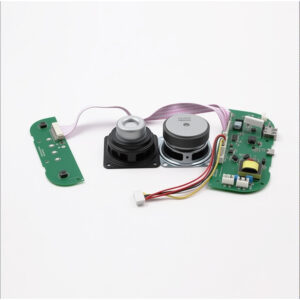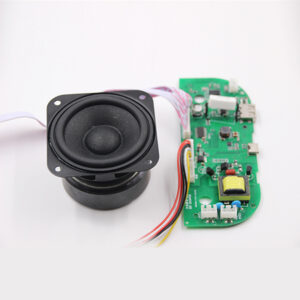
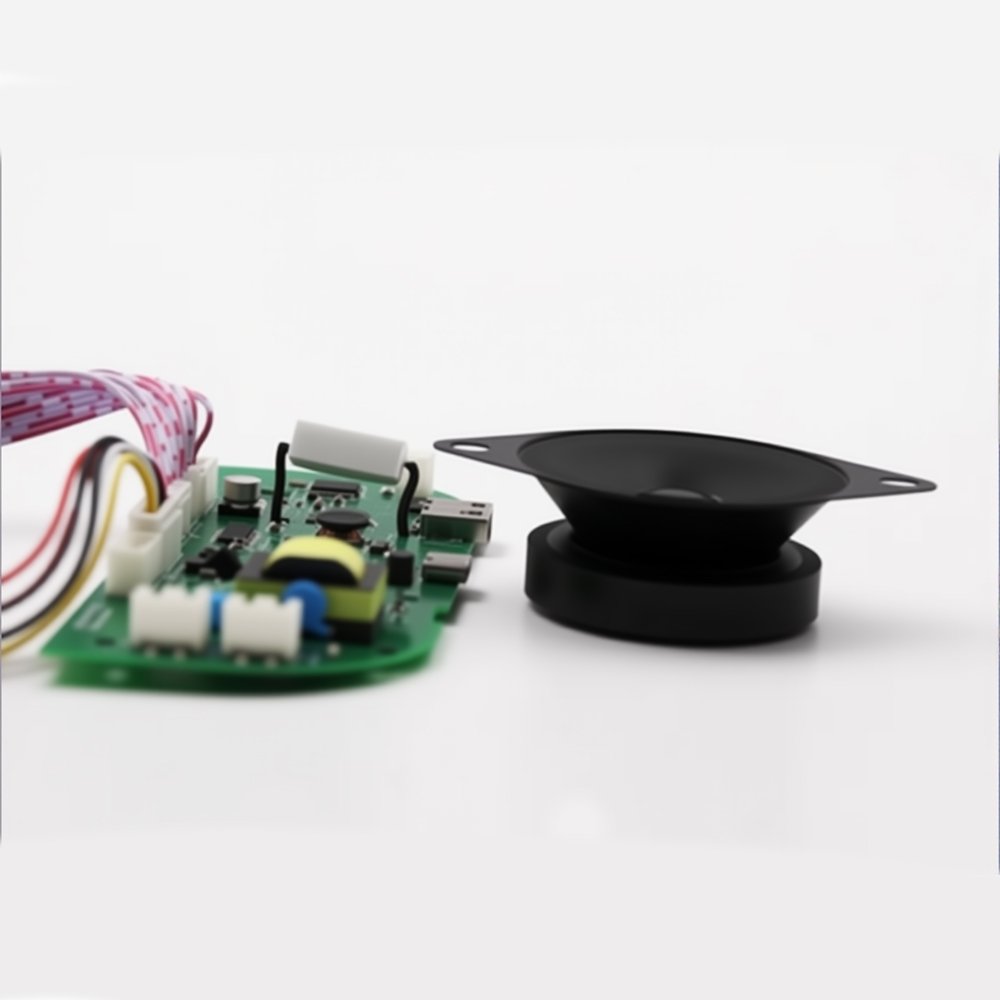
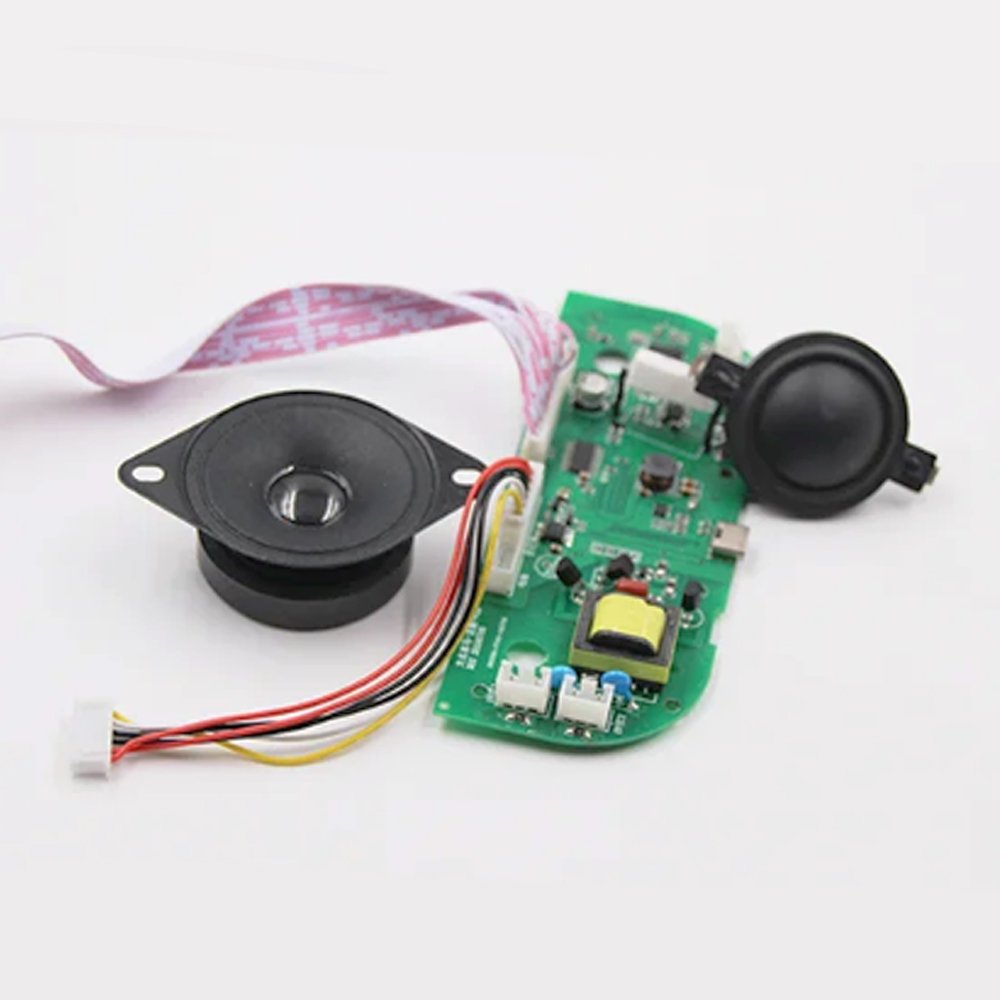
A tweeter rated 4, 8, 6, 16, 32 or 64 Ω / 0.5–100 W for vehicle audio and telematics, with tooling, tuning and termination open to the project rather than fixed at a catalogue value (ZEH-946).
Overview
Off-axis behaviour matters more for a tweeter than on-axis response, because the listener is rarely on the design axis. A compact dome starts to narrow above 12 kHz; a short waveguide in front of ZEH-946 widens the ±30° window by roughly one octave. When the tweeter is mounted in a pillar or a coaxial assembly, keep at least 8 mm of clear space around the dome so that the waveguide is not short-circuited by the surrounding trim.
Specifications
| Model | ZEH-946 |
|---|---|
| Product type | Tweeter (custom build) |
| Rated power | 0.5–100 W |
| Nominal impedance | 4 Ω / 8 Ω / 6 Ω / 16 Ω / 32 Ω / 64 Ω |
| Termination | Solder pads, lead wires or connector — to drawing |
| Customisation | Termination, dimensions, housing and tuning to your drawing |
| Compliance | RoHS 2011/65/EU and REACH; declarations with each shipment |
Design notes for vehicle audio and telematics
In a vehicle the acoustic load is a leaky door or a moulded pillar, and the temperature swings from a cold soak at −40 °C to a dashboard at +85 °C. A dome tweeter used here is specified for that cycle rather than for a bench, with a treated surround, a vented magnet and terminals that do not corrode in condensation. Vibration is the other driver of returns: ISO 16750 random vibration at 10–500 Hz will loosen a bracket long before it damages the driver, so the mounting interface is designed with the part’s mass in mind.
Typical applications
- Door and pillar audio
- Instrument-cluster chimes and alerts
- Telematics and eCall voice
- Headliner and seat audio
Customisation and verification
Customisation covers the electrical and the mechanical side together: coil impedance, lead and connector, gasket height, mounting interface and finish. First article is measured against the drawing before mass production, and subsequent lots are compared with the approved sample by swept response and impedance. RoHS and REACH declarations are issued with each shipment.
FAQ
What crossover frequency should I use?
2.5–4 kHz for a compact dome at 0.5–100 W; use a second-order or steeper high-pass, and never run the tweeter full-range.
Is ferrofluid reliable long term?
Yes, when the gap is sealed and the fluid is specified for the temperature range. It thickens at −30 °C, which raises output slightly at low temperature, and thins at +80 °C.
Can the tweeter be built into a coaxial assembly?
Yes. The dome, magnet and waveguide can be combined with a mid-bass driver on a shared chassis, with the crossover mounted on the rear terminal.
Related pages
tweeters · ZEH-953 · ZEH-P2998 · High Audio Frequency Speaker Design Guide