
في عصر يطلب فيه المستهلكون صوتًا قويًا وعالي الدقة من أجهزة تتقلص أحجامها باستمرار — سواء كانت مكبرات صوت بلوتوث، أو أشرطة الصوت (Soundbars)، أو سماعات رأس فاخرة — يواجه مهندسو الصوت تحديًا صوتيًا أساسيًا. كيف يمكن إعادة إنتاج ترددات جهير (Bass) غنية وعميقة من حاوية صغيرة؟ قوانين الفيزياء لا ترحم: مُشغّل (Driver) صوتي صغير في صندوق صغير يكافح بطبيعته لتحريك كمية كافية من الهواء لتوليد موجات صوتية منخفضة التردد مقنعة. بينما يُعد زيادة حجم المشغّل أو حجم الحاوية هو الحل المباشر، إلا أنه غالبًا ما يتعارض مع متطلبات التصميم الحديث وقابلية النقل.
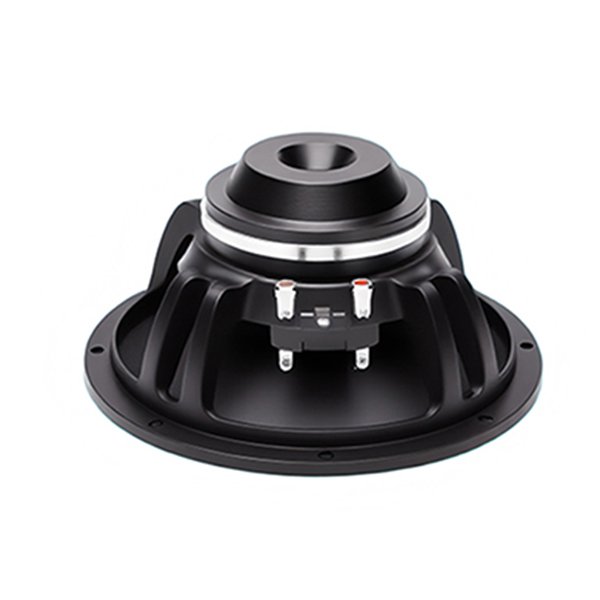
وهنا يأتي دور المشع السلبي (Passive Radiator - PR), ، وهو مكون بارع وحاسم أصبح السلاح السري في تصميم مكبرات الصوت الصغيرة. على عكس المنفذ التقليدي (Port) أو الحاوية المغلقة (Sealed Enclosure)، يسمح نظام المشع السلبي لمكبرات الصوت المدمجة بـ“خداع” الفيزياء، مما يوفر استجابة جهير تتجاوز بكثير أبعادها المادية. أصبحت هذه التقنية واسعة الانتشار الآن، وتوجد في كل شيء بدءًا من أنظمة المسرح المنزلي المصغرة وصولاً إلى مكبرات الصوت المحمولة الرائدة من علامات تجارية مثل Sonos وJBL وBose. يتعمق هذا المقال في المبادئ الهندسية، والمزايا المقارنة، والتطبيقات الواقعية التي تجعل المشعات السلبية لا غنى عنها لتصميم الصوت الحديث المحدود المساحة.
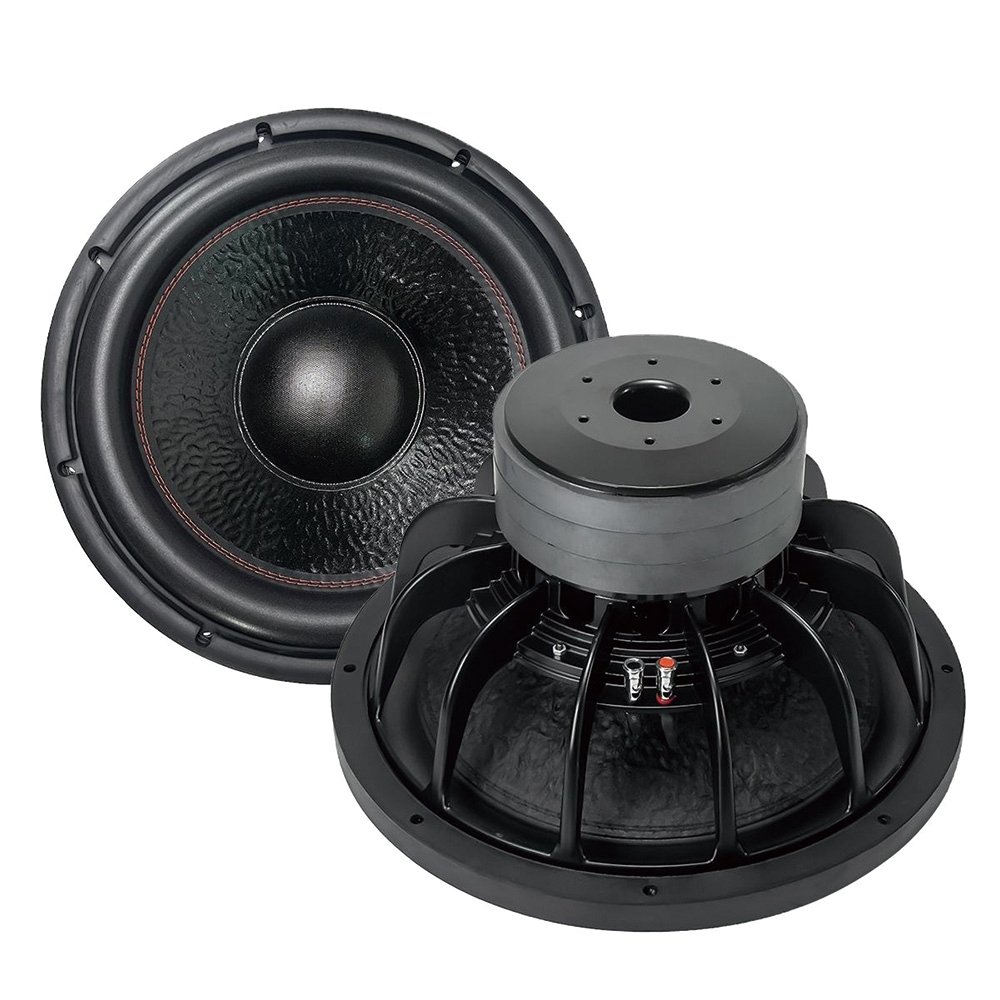
فيزياء الترددات المنخفضة (Bass) ومشكلة الحاوية الصغيرة
لتقدير دور المشع السلبي، يجب أولاً فهم المشكلة الأساسية. تتطلب ترددات الجهير، التي تُعرف عادةً بأنها أصوات أقل من 250 هرتز، إزاحة كميات كبيرة من الهواء. يتم قياس هذه الإزاحة كميًا بمصطلح Vd (إزاحة الحجم - Volume Displacement), ، ويتم حسابه بضرب مساحة المكبس الفعالة للمشغّل (Sd) في أقصى إزاحة خطية له (Xmax). بشكل عام، يعني Vd الأكبر إمكانية أكبر للحصول على جهير عميق.
في حاوية صغيرة مغلقة، يعمل الهواء المحبوس كنابض (Spring)، مما يزيد من صلابة الحركة ضد المشغّل. يؤدي هذا إلى رفع تردد الرنين للنظام، مما يؤدي بطبيعته إلى قطع ترددات الجهير الأعمق في وقت مبكر. يمكنك زيادة إزاحة المشغّل للتعويض، لكن هذا يؤدي سريعًا إلى تشويه غير خطي (Non-linear Distortion), ، وفشل ميكانيكي، ومشاكل في تحمل الطاقة. ببساطة، الصندوق الصغير المغلق يخنق المشغّل، مما يحد من خرج الترددات المنخفضة.
البديل التقليدي هو الحاوية ذات الانعكاس الجهيري (Bass-Reflex) أو الحاوية المزودة بمنفذ (Ported Enclosure). يسمح المنفذ المضبوط للموجات الصوتية الداخلية القادمة من الجزء الخلفي للمشغّل بالخروج من الصندوق، مما يعزز خرج الموجة الأمامية عند تردد ضبط محدد. يمكن لهذا أن يمدد استجابة الجهير بمقدار نصف إلى ثلاثة أرباع أوكتاف (Octave) أقل من الصندوق المغلق المكافئ. ومع ذلك، فإن للمنافذ عيوبها الخاصة في التصميمات المصغرة: فهي تتطلب حجمًا داخليًا محددًا وطول منفذ معين للضبط بشكل صحيح، وهو ما قد يكون صعبًا في الحاويات الصغيرة جدًا. علاوة على ذلك، عند الترددات الأقل من تردد ضبط المنفذ، يصبح المشغّل غير محمّل (Unloaded)، مما يؤدي إلى تشويه عالي وأضرار محتملة عند مستويات الصوت العالية. يمكن للمنافذ أيضًا أن تُصدر ضوضاء شخير (Chuffing Noise) (تدفق هواء مضطرب) وتكون عرضة لضوضاء الرياح من المصادر الخارجية.
كيف يعمل المشع السلبي: شرح “المخروط الطنان” (Drone Cone)
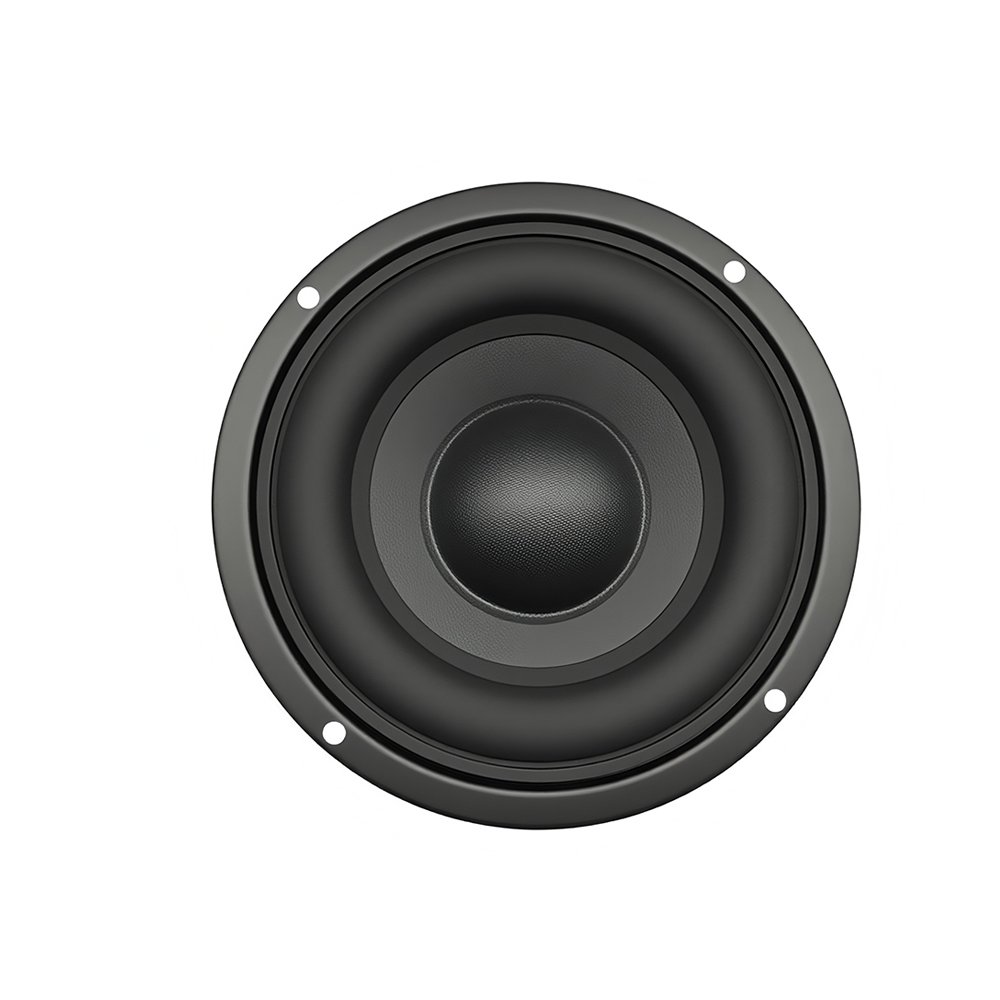
يوفر المشع السلبي حلاً أنيقًا لهذه القيود. إنه في الأساس مشغّل بدون محرك (ملف صوتي ومغناطيس)— غشاء سلبي (مخروط) معلق في إطار، يُركب على الحاوية بجانب المشغّل النشط (Active Driver).
إليك الآلية المبسطة:
- ال المشغّل النشط يُغذى بواسطة مكبر الصوت (Amplifier) ويدفع الهواء كالمعتاد.
- موجاته الصوتية الخلفية تُحدث تغيرات في الضغط داخل الحاوية المغلقة.
- يعمل هذا الضغط الداخلي على المشع السلبي, ، مما يتسبب في اهتزاز غشائه بشكل متوافق.
- حركة المشع السلبي تخضع لـ ضبط (Tuning) نظام تعليقه (العنكبوت والحافة) والكتلة المضافة (غالبًا أوزان على الغشاء). يقوم المهندسون بضبط تردد الرنين للمشع السلبي عن طريق تعديل هذه الكتلة.
- عند ضبطه بشكل صحيح، فإن خرج المشع السلبي يقترن صوتيًا (Acoustically Couples) مع الموجة الأمامية للمشغّل النشط عند تردد الضبط، مما يُحدث رنينًا جهيريًا قويًا — مشابهًا للمنفذ.
والأهم من ذلك، نظرًا لأن المشع السلبي يُغلق الحاوية، فإن المشغّل النشط يكون محميًا من حالة عدم التحميل التي تحدث أسفل تردد ضبط المنفذ. يتصرف النظام مثل صندوق مغلق أسفل تردد رنين المشع السلبي، مما يوفر تحكمًا أفضل وتشويهًا أقل لإشارات الجهير الفرعي العميقة.
المشع السلبي مقابل المنفذ: مقارنة تفصيلية للتصميمات المدمجة
بالنسبة لمكبرات الصوت الصغيرة، يُعد الاختيار بين المنفذ والمشع السلبي أمرًا محوريًا. يلخص الجدول أدناه المفاضلات الهندسية والأداء الرئيسية:
| ميزة | نظام المشع السلبي (PR) | نظام الانعكاس الجهيري التقليدي (المنفذ) |
|---|---|---|
| سلامة الحاوية | مغلق بالكامل؛ لا تسرب للهواء. | يتطلب فتحة منفذ محسوبة بدقة. |
| مرونة الضبط | عالية. يتم الضبط بإضافة/إزالة الكتلة؛ سهل التعديل في مراحل التصميم المتأخرة. | منخفضة. يتطلب الضبط تغيير طول/قطر المنفذ؛ ثابت بعد التصنيع. |
| 低频扩展 | 优秀。即使在小箱体中也能调至非常低的频率。. | 良好,但受限于端口尺寸与箱体容积的比例。. |
| 调谐频率以下的失真 | 较低。主动单元保持受控状态(密封箱体特性)。. | 较高。单元卸载,导致高失真及损坏风险。. |
| 端口噪声 | 不存在。无气流通过开口产生湍流。. | 在高振幅下可能出现“呼噜声”,尤其在小型端口中。. |
| 风噪/外部噪声 | 免疫。密封设计防止外部空气影响输出。. | 敏感。风可能与端口相互作用,产生噪声。. |
| 成本与复杂性 | 较高。需要额外的振膜、悬挂系统和组装。. | 较低。简单的管道或模制通道。. |
| 设计占用空间 | 需要正面或侧面安装区域用于被动辐射器振膜。. | 需要内部容积用于端口通道;出口位置可灵活调整。. |
| 使用案例示例 | 高端便携蓝牙音箱(JBL Charge、Ultimate Ears)、紧凑型低音炮。. | 书架音箱、大型家庭音响系统、部分条形音箱。. |
决定性优势 对于小型设计 显而易见:被动辐射器可在更小空间内实现更深调谐,消除端口噪声(高振幅微型系统的主要问题),并为单元提供更安全的工作环境。主要权衡在于成本。.
市场采用与性能数据:2024年现状
过去十年中,被动辐射器技术在消费音频领域的采用率激增,主要受蓝牙音箱和条形音箱市场推动。对2024年旗舰产品的实时分析揭示了清晰模式:
- 便携蓝牙音箱: 在高端市场(150美元以上),超过70%的型号现在采用双被动辐射器。品牌如 JBL (Charge 5、Pulse 5)、, Bose (SoundLink Flex)和 Sonos (Move 2)依赖它们从圆柱形或紧凑形态中实现标志性的“强劲低音”。例如,JBL Charge 5尺寸仅为223mm x 96mm,使用双被动辐射器实现低至60Hz的标称低频响应——这在相同容积下使用端口几乎不可能实现。.
- 条形音箱: 随着条形音箱力求无需独立低音炮即可实现影院级低音,被动辐射器至关重要。 Sonos Arc و 和Bose Smart Soundbar 900 均采用多个向内发射的被动辐射器,从其纤薄外形中增强低频输出。.
- 耳机: 该原理延伸至封闭式耳机。 Apple AirPods Max, 例如,采用双腔体设计,包含类似被动辐射器的元件,以控制气流并增强耳罩内的低音精度。.
性能测试 对热门型号的测试一致表明,与类似尺寸的端口设计相比,配备被动辐射器的音箱在60-100Hz范围内高输出水平下保持更低的总谐波失真(THD)。这转化为 更干净、更具冲击力的低音 在最大音量下——这是消费者的关键卖点。.
设计考虑与实施挑战
实施被动辐射器并非简单的即插即用解决方案。它需要精密的工程设计:
- 调谐: 添加到被动辐射器振膜上的质量经过计算,以实现特定的谐振频率(Fb),该频率最佳地补充主动单元的Thiele-Small参数和箱体容积。这通常是一个使用软件(如 LEAP أو VituixCAD.
- 线性度: 无源辐射器自身的悬挂系统必须具有高度线性,以避免引入失真。其冲程极限也决定了系统在“触底”前的最大低频输出能力。”
- 集成: 无源辐射器的物理布局至关重要。它必须与主动驱动单元的直接振动隔离,并且通常需要其专用的内部容积或腔室才能实现可预测的性能。从美学角度看,无源辐射器常作为可见的设计特征,通过透明防尘帽或品牌标识细节来突出其运动状态。.
- 成本与性能: 增加的组件成本必须通过可感知的音频改善来证明其合理性,且这种改善需与产品的市场定位相符。.
专业问答:无源辐射器深度解析
问1:能否在任何密闭式扬声器中添加无源辐射器以改善其低频表现?
答:作为事后添加的方案效果不佳。无源辐射器系统必须从一开始就作为整体进行设计。主动驱动单元的参数、精确的箱体容积以及无源辐射器的调谐质量均相互依赖。在现有密闭式设计中添加无源辐射器几乎必然导致系统调谐不当,产生轰鸣、失控或薄弱的低频。.
问2:工程师如何“调谐”无源辐射器?用户能否自行调整?
答:调谐主要通过在生产过程中向无源辐射器振膜添加固定质量块(小型金属或聚合物配重)来实现。该质量与无源辐射器悬挂系统的刚度共同决定其谐振频率。. 用户可调谐设计在消费类产品中较为罕见, 但存在于部分高端DIY低音炮套件中,可通过拧入或拧出小型配重来微调室内低频响应。.
问3:无源辐射器失效或其悬边老化时会发生什么?
答:失效(如悬边撕裂)会破坏声学密封并导致调谐失效。扬声器将几乎完全丧失低频输出,声音变得极其单薄。维修虽可行,但通常需要从制造商处获取精确替换部件,因为其质量与顺性具有特定性。.
问4:针对小型扬声器低频增强,是否存在无源辐射器的新兴替代方案?
答:是的,数字信号处理(DSP)是一种强大的互补技术。. 低频心理声学算法 (如Apple的“动态头部追踪”或各类“低频增强器”)可通过生成谐波泛音来营造更深沉低频的感知错觉。然而,DSP无法产生实际的次声波空气位移。最有效的现代设计(例如来自[此处应保留原文空白]的设计)将强大的DSP与精密设计的无源辐射器系统及高冲程驱动单元相结合,从而真正超越箱体的物理尺寸限制。 Devialet, 问5:既然无源辐射器能提供更多低频,为何部分高端小型扬声器仍采用密闭式设计?.
答:低频质量并非仅取决于延伸能力。密闭式箱体具有更优的
瞬态响应 以及更陡峭、更干净的衰减特性(在录音室监听音箱中常被偏好用于精准的中低频表现)。部分设计师优先考虑紧凑、快速且精准的低频,而非极致的低频深度。这一选择是 延伸性与精准性 之间的理念权衡。.
الخلاصة
无源辐射器远非一个简单的组件;它是克服小型扬声器箱体严重限制的基础声学策略。通过充当调谐后的声学谐振器,且无倒相管噪声和驱动单元卸载的缺陷,它使工程师能够提供当今市场对便携式及紧凑型音频产品所要求的深沉、强劲低频。随着消费设备持续小型化而音频期望不断攀升,无源辐射器的作用将愈发关键。它堪称音频创新的杰出证明——一种巧妙规避物理定律的解决方案,使最简约的形态中迸发出恢弘之声。.