
В эпоху, когда потребители требуют мощного высококачественного звука от постоянно уменьшающихся устройств — будь то Bluetooth-колонки, саундбары или премиальные наушники — аудиоинженеры сталкиваются с фундаментальной акустической проблемой. Как воспроизвести насыщенный глубокий бас из небольшого корпуса? Законы физики неумолимы: маленький динамик в маленьком корпусе естественным образом испытывает трудности с перемещением достаточного объёма воздуха для создания убедительных низкочастотных звуковых волн. Хотя увеличение размера динамика или объёма корпуса является прямым решением, это часто противоречит современным требованиям дизайна и портативности.
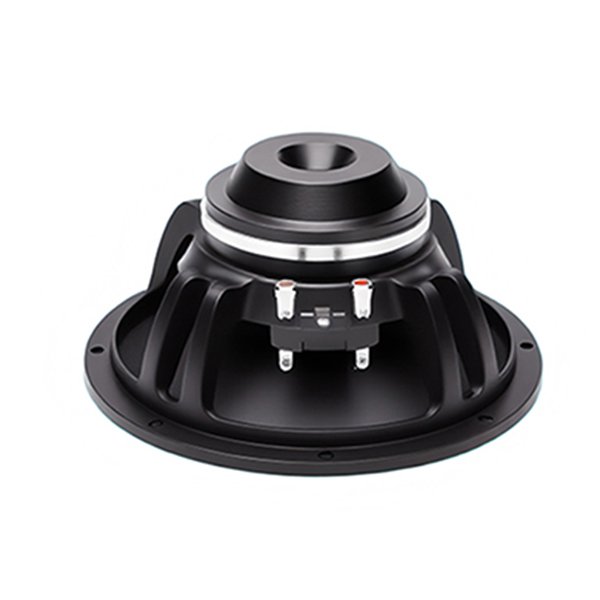
Здесь на помощь приходит пассивный излучатель (ПИ), — ingenious и критически важный компонент, ставший секретным оружием в конструкции малых громкоговорителей. В отличие от традиционного порта или герметичного корпуса, система с пассивным излучателем позволяет компактным колонкам “обманывать” физику, обеспечивая басовый отклик, значительно превосходящий их физические размеры. Эта технология сегодня повсеместна и используется во всём: от мини-домашних кинотеатров до флагманских портативных колонок таких брендов, как Sonos, JBL и Bose. Данная статья углубляется в инженерные принципы, сравнительные преимущества и реальные применения, которые делают пассивные излучатели незаменимыми для современного аудиодизайна в условиях ограниченного пространства.
Физика баса и проблема малого корпуса
Чтобы оценить роль пассивного излучателя, необходимо сначала понять основную проблему. Басовые частоты, обычно определяемые как звуки ниже 250 Гц, требуют перемещения больших объёмов воздуха. Это перемещение количественно выражается как Vd (объёмное смещение), рассчитываемое как эффективная площадь поршня динамика (Sd), умноженная на его максимальный линейный ход (Xmax). Большее Vd обычно означает больший потенциал для глубокого баса.
В небольшом герметичном корпусе запертый воздух действует как пружина, увеличивая жёсткость против движения динамика. Это повышает резонансную частоту системы, что приводит к более раннему спаду более глубоких басовых частот. Можно увеличить ход динамика для компенсации, но это быстро приводит к нелинейным искажениям, механическим повреждениям и проблемам с мощностью. Проще говоря, маленький герметичный корпус «душит» динамик, ограничивая его басовую отдачу.
Традиционной альтернативой является фазоинверторный или портированный корпус. Настроенный порт позволяет звуковым волнам с тыльной стороны динамика выходить из корпуса, усиливая выходной сигнал передней волны на определённой частоте настройки. Это может расширить басовый отклик на ½–¾ октавы ниже, чем у эквивалентного герметичного корпуса. Однако порты имеют свои недостатки в миниатюрных конструкциях: они требуют определённого внутреннего объёма и длины порта для правильной настройки, что может быть сложно в крошечных корпусах. Кроме того, на частотах ниже настройки порта динамик становится разгруженным, что приводит к высоким искажениям и потенциальным повреждениям на большой громкости. Порт также может издавать шум «чаффинга» (турбулентный поток воздуха) и подвержен влиянию шума ветра от внешних источников.
Как работает пассивный излучатель: объяснение “дронового конуса”
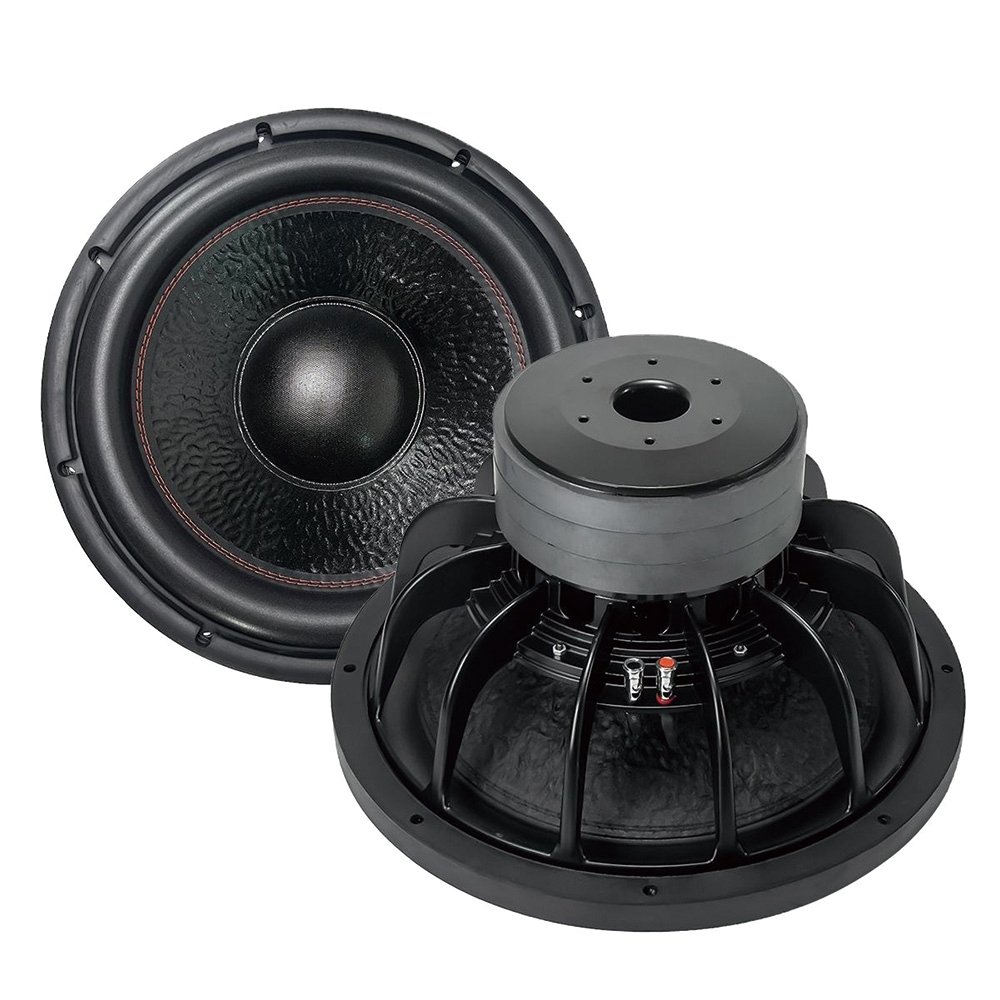
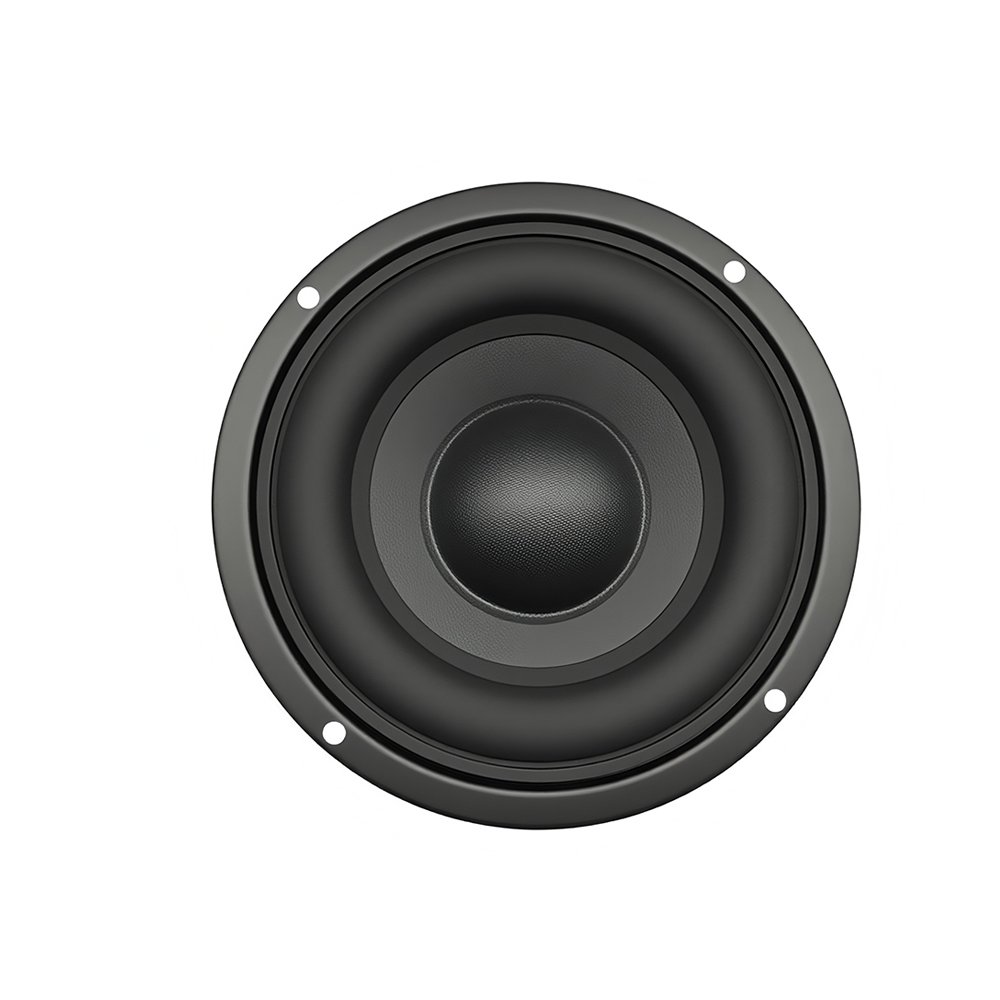
Пассивный излучатель предлагает элегантное решение этих ограничений. По сути, это динамик без двигателя (звуковой катушки и магнита)— пассивная диафрагма (конус), подвешенная в рамке и установленная на корпусе рядом с активным динамиком.
Вот упрощённая механика:
- Этот активный динамик питается от усилителя и толкает воздух как обычно.
- Его тыльные звуковые волны создают изменения давления внутри герметичного корпуса.
- Это внутреннее давление воздействует на пассивный излучатель, заставляя его диафрагму колебаться в унисон.
- Движение пассивного излучателя определяется настройкой его подвеса (центрирующей шайбы и окружающего подвеса) и добавленной массы (часто грузиков на диафрагме). Инженеры настраивают резонансную частоту ПИ, регулируя эту массу.
- При правильной настройке выходной сигнал ПИ акустически связывается с передней волной активного динамика на частоте настройки, создавая мощный басовый резонанс — аналогично порту.
Ключевой момент: поскольку ПИ герметизирует корпус, активный динамик защищён от разгрузки, которая происходит ниже частоты настройки порта. Ниже резонанса ПИ система ведёт себя как герметичный корпус, обеспечивая лучший контроль и меньшие искажения для глубоких суббасовых сигналов.
Пассивный излучатель против порта: детальное сравнение для компактных конструкций
Для малых колонок выбор между портом и пассивным излучателем является ключевым. Приведённая ниже таблица суммирует основные инженерные и эксплуатационные компромиссы:
| Особенность | Система с пассивным излучателем (ПИ) | Традиционная фазоинверторная (портированная) система |
|---|---|---|
| Целостность корпуса | Полностью герметична; отсутствие утечек воздуха. | Требует точно рассчитанного отверстия порта. |
| Гибкость настройки | Высокая. Настраивается добавлением/удалением массы; легко корректируется на поздних этапах проектирования. | Низкая. Настройка требует изменения длины/диаметра порта; фиксирована после изготовления. |
| Расширение низких частот | Отлично. Может быть настроен на очень низкие частоты даже в небольшом корпусе. | Хорошо, но ограничено соотношением размеров порта и объёма корпуса. |
| Искажения ниже частоты настройки | Ниже. Активный драйвер остаётся под контролем (поведение закрытого типа). | Высокие. Драйвер разгружается, что приводит к высоким искажениям и риску повреждения. |
| Шум порта | Отсутствует. Нет турбулентности воздуха через отверстие. | Возможен “выдув” при больших ходах, особенно в портах малого диаметра. |
| Ветер/внешний шум | Устойчивость. Герметичная конструкция предотвращает влияние внешнего воздуха на выходной сигнал. | Восприимчивость. Ветер может взаимодействовать с портом, вызывая шум. |
| Стоимость и сложность | Выше. Требуется дополнительная диафрагма, подвес и сборка. | Ниже. Простая трубка или формованный канал. |
| Конструктивные габариты | Требует фронтальной или боковой площади для установки диафрагмы пассивного излучателя. | Требует внутреннего объёма для тракта порта; расположение выхода может быть гибким. |
| Пример применения | Премиальные портативные Bluetooth-колонки (JBL Charge, Ultimate Ears), компактные сабвуферы. | Полочные колонки, более крупные домашние аудиосистемы, некоторые саундбары. |
Решающие преимущества для компактных конструкций очевидны: пассивные излучатели позволяют добиться более глубокой настройки в меньшем пространстве, устраняют шум порта (основную проблему в микросистемах с большим ходом) и обеспечивают более безопасные условия работы для драйвера. Основной компромисс — стоимость.
Рыночное внедрение и данные о производительности: ландшафт 2024 года
Внедрение технологии пассивных излучателей в потребительской акустике резко возросло за последнее десятилетие, чему способствовали рынки Bluetooth-колонок и саундбаров. Анализ флагманских продуктов в реальном времени в 2024 году выявляет чёткую закономерность:
- Портативные Bluetooth-колонки: В премиальном сегменте (от 150 долларов) более 70% моделей теперь используют двойные пассивные излучатели. Такие бренды, как JBL (Charge 5, Pulse 5), Bose (SoundLink Flex) и Sonos (Move 2), полагаются на них для обеспечения фирменного “глубокого баса” в цилиндрических или компактных формах. Например, JBL Charge 5 размером всего 223 мм x 96 мм использует двойные пассивные излучатели для достижения заявленного низкочастотного отклика до 60 Гц — что практически невозможно реализовать с портом в том же объёме.
- Саундбары: Поскольку саундбары стремятся к кинематографическому басу без отдельного сабвуфера, пассивные излучатели имеют решающее значение. Sonos Arc и Bose Smart Soundbar 900 оба используют множество внутренних пассивных излучателей для усиления низкочастотной отдачи в своих тонких корпусах.
- Наушники: Принцип распространяется и на закрытые наушники. Apple AirPods Max, например, используют двухкамерный корпус с элементом, подобным пассивному излучателю, для контроля воздушного потока и повышения точности баса внутри амбушюров.
Тестирование производительности популярных моделей последовательно показывает, что колонки с пассивными излучателями сохраняют более низкий уровень общих гармонических искажений (THD) в диапазоне 60–100 Гц при высоких уровнях громкости по сравнению с аналогичными по размеру конструкциями с портом. Это означает более чистый и насыщенный бас на максимальной громкости — ключевое преимущество для потребителей.
Конструктивные соображения и сложности реализации
Внедрение пассивного излучателя не является простым решением «установил и забыл». Оно требует тщательной инженерной проработки:
- Настройка: Масса, добавляемая к диафрагме пассивного излучателя, рассчитывается для достижения конкретной резонансной частоты (Fb), которая оптимально дополняет параметры Тиля-Смолла активного драйвера и объём корпуса. Это часто итеративный процесс моделирования с использованием такого ПО, как LEAP или VituixCAD.
- Линейность: Собственная подвеска пассивного излучателя должна быть высоколинейной, чтобы избежать внесения искажений. Его пределы хода также определяют максимальную выходную мощность системы на низких частотах до момента “удара о дно”.”
- Интеграция: Физическое размещение пассивного излучателя имеет решающее значение. Он должен быть изолирован от прямых вибраций активного драйвера и часто требует собственного выделенного внутреннего объема или камеры для предсказуемой работы. С эстетической точки зрения пассивные излучатели часто являются заметным элементом дизайна, с прозрачными пылезащитными колпачками или фирменными деталями, подчеркивающими их движение.
- Стоимость против производительности: Добавленная стоимость компонента должна быть оправдана ощутимым улучшением звука, соответствующим рыночному позиционированию продукта.
Профессиональный Q&A: Глубокое погружение в пассивные излучатели
Вопрос 1: Можно ли добавить пассивный излучатель в любую закрытую колонку для улучшения баса?
Ответ: Эффективно это не получится сделать в качестве доработки. Система с пассивным излучателем должна проектироваться как единое целое с самого начала. Параметры активного драйвера, точный объем корпуса и настроечная масса пассивного излучателя взаимозависимы. Добавление пассивного излучателя в существующую закрытую конструкцию почти наверняка приведет к неправильно настроенной системе с гулким, неконтролируемым или слабым басом.
Вопрос 2: Как инженеры “настраивают” пассивный излучатель, и может ли пользователь его регулировать?
Ответ: Настройка в основном осуществляется путем добавления фиксированных масс (небольших металлических или полимерных грузиков) на диафрагму пассивного излучателя в процессе производства. Эта масса в сочетании с жесткостью подвески пассивного излучателя определяет его резонансную частоту. Настройка пользователем редко встречается в потребительских продуктах, но существует в некоторых высококлассных DIY-наборах сабвуферов, где небольшие грузики можно прикручивать или откручивать для точной настройки басового отклика под конкретное помещение.
Вопрос 3: Что произойдет, если пассивный излучатель выйдет из строя или его подвес износится?
Ответ: Выход из строя (например, разрыв подвеса) нарушает акустическую герметизацию и разрушает настройку. Колонка потеряет почти всю басовую отдачу и будет звучать крайне тонко. Ремонт возможен, но обычно требует поиска точной замены у производителя, так как масса и податливость специфичны.
Вопрос 4: Существуют ли новые альтернативы пассивным излучателям для улучшения баса в маленьких колонках?
Ответ: Да, цифровая обработка сигналов (DSP) является мощной дополняющей технологией. Алгоритмы психоакустики баса (например, “Dynamic Head Tracking” от Apple или различные “усилители баса”) могут создавать перцептивную иллюзию более глубокого баса путем генерации гармонических обертонов. Однако DSP не может создать фактическое инфразвуковое смещение воздуха. Наиболее эффективные современные конструкции, такие как от Devialet, сочетают мощный DSP с точно спроектированными системами пассивных излучателей и драйверами с большим ходом для достижения результата, который действительно превосходит физические размеры корпуса.
Вопрос 5: Почему некоторые высококлассные маленькие колонки все еще используют закрытые конструкции, если пассивные излучатели дают больше баса?
Ответ: Качество баса определяется не только глубиной. Закрытые корпуса обеспечивают превосходную переходный процесс и более крутой, чистый спад (часто предпочитаемый для точного среднего баса в студийных мониторах). Некоторые разработчики ставят во главу угла плотный, быстрый и точный бас, а не предельную глубину низких частот. Выбор представляет собой философский компромисс между глубиной и точностью..
Заключение
Пассивный излучатель — это гораздо больше, чем просто компонент; это фундаментальная акустическая стратегия для преодоления серьезных ограничений малых корпусов громкоговорителей. Действуя как настроенный акустический резонатор без недостатков шума порта и разгрузки драйвера, он позволяет инженерам обеспечить глубокий и мощный бас, который сегодняшний рынок требует от портативных и компактных аудиопродуктов. Поскольку потребительские устройства продолжают уменьшаться, а ожидания в отношении звука растут, роль пассивного излучателя будет только возрастать. Он является блестящим свидетельством инноваций в аудиотехнике — остроумным обходом физических законов, позволяющим великолепному звуку исходить из самых минималистичных форм.