
مقدمة: السعي نحو العظمة الصوتية في قالب مصغر
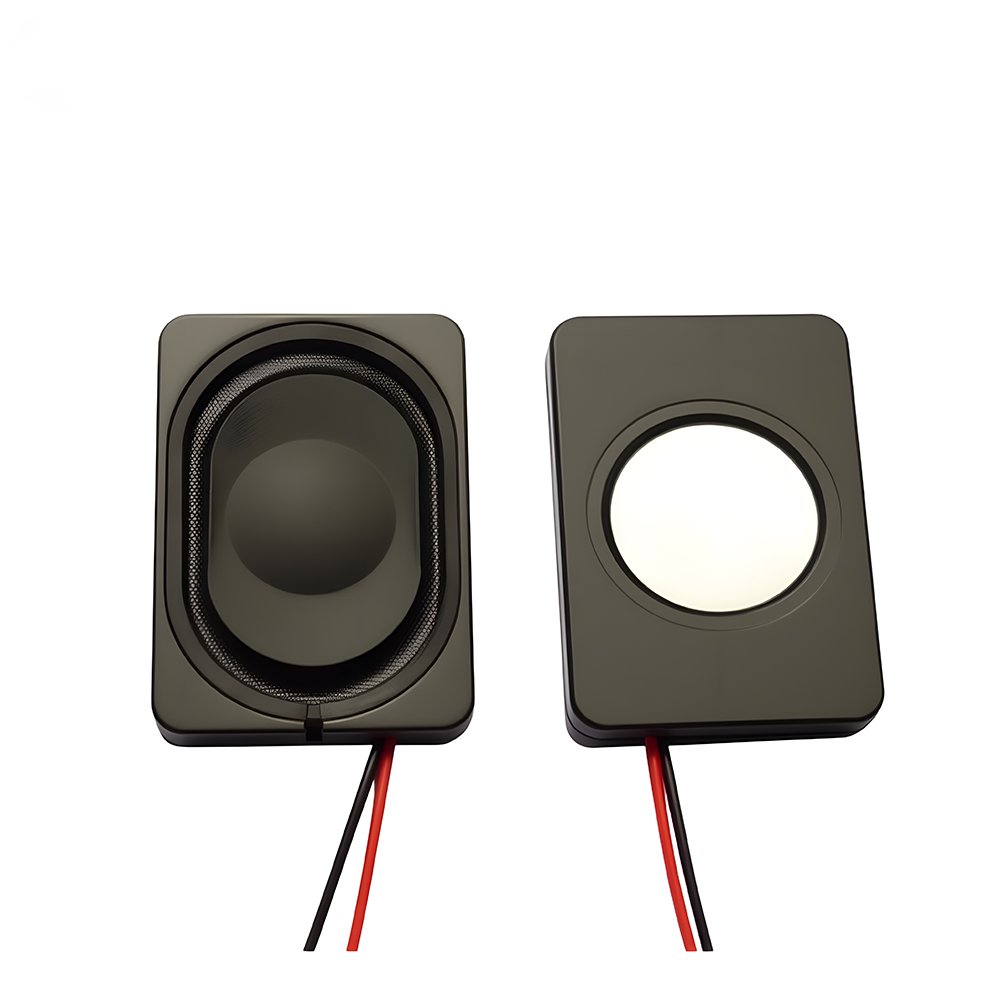
لعقود من الزمن، بدت قاعدة أساسية في الصوتيات غير قابلة للكسر: مكبرات الصوت الأكبر تُنتج صوتًا أكبر. بدت الفيزياء واضحة — المحركات والخزائن الأكبر تحرك هواءً أكثر، مما يُنتج ترددات جهيرية أعمق ومشاهد صوتية أكثر تأثيرًا. ومع ذلك، نشهد اليوم عصرًا تُقدم فيه مكبرات صوت تناسب راحة اليد تجارب صوتية تتحدى أبعادها المادية. هذا السعي ليس مجرد حداثة؛ بل هو استجابة لأنماط حياتنا ومساحاتنا المتطورة. تحقيق “صوت ضخم” من شكل صغير هو رقصة متطورة من الهندسة المتقدمة، وعلم المواد، ومعالجة الإشارات الرقمية، وكلها تتقارب لتحطيم النماذج الصوتية الراسخة. إنه يمثل واحدة من أكثر الحدود إثارة وتحديًا في تكنولوجيا الصوت الاستهلاكية، حيث يُمزج بين الرغبة في التصميم البسيط والمراعي للمساحة مع الطلب غير القابل للمساومة على صوت غني يملأ الغرفة.
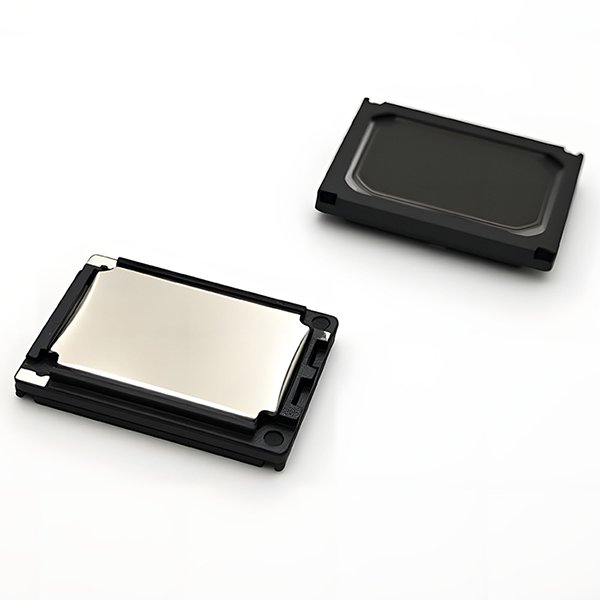
يتعمق هذا المقال في الأعاجيب الهندسية المتعددة الأوجه التي تجعل ذلك ممكنًا. سنستكشف التقنيات الأساسية، بدءًا من تصميم المحركات المتطور وأنظمة المشعات السلبية وصولاً إلى السحر الحاسوبي لمعالجة الإشارات الرقمية والضبط النفسي الصوتي. سنفحص التطبيقات الواقعية ونقدم نظرة قائمة على البيانات حول مشهد السوق الحالي. في النهاية، نهدف إلى إزالة الغموض عن كيفية قيام مهندسي الصوت الحديثين بتنظيم ثورة في الصوت، مما يثبت أن النطاق الصوتي لم يعد دالة مباشرة للحجم المادي.
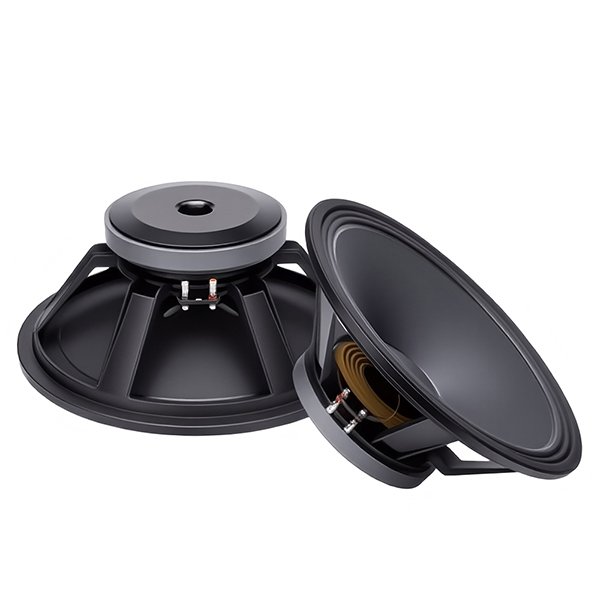
الركائز الهندسية: التقنيات الرئيسية وراء القوى المدمجة
يعتمد السعي للحصول على صوت ضخم من صناديق صغيرة على عدة ركائز تكنولوجية مترابطة. هذه ليست تحسينات تدريجية بل إعادة تصور أساسية لكيفية توليد الصوت وتضخيمه وإدراكه.
1. تقنية المحرك المتقدمة ومدى الحركة:
قلب أي مكبر صوت هو محركه. في مكبرات الصوت الصغيرة، يستخدم المهندسون مواد خفيفة الوزن وصلبة مثل البولي بروبيلين المطلي، أو الألومنيوم، أو حتى التيتانيوم للأغشية. الهدف هو أقصى صلابة مع أقل كتلة، مما يسمح للمحرك بالبدء والتوقف عن الحركة بسرعة ودقة استثنائيتين. ومع ذلك، يكمن الاختراق الحقيقي في إدارة مدى الحركة— المسافة التي يتحركها مخروط المحرك ذهابًا وإيابًا. يتطلب الجهير العميق حركة هواء كبيرة، تُحقق تقليديًا بواسطة مخاريط كبيرة. تعوض المحركات الصغيرة ذلك بمدى حركة طويل بشكل ملحوظ، بفضل مغناطيس النيوديميوم القوي وهياكل المحرك المتطورة ذات الملفات الصوتية طويلة الشوط. يسمح ذلك لمساحة سطحية صغيرة بالتحرك بشكل كبير، مما يُزيح أحجام هواء مماثلة لمحركات أكبر بكثير.
2. المشعات السلبية والتصميم الصوتي:
نظرًا لأن العلبة المغلقة الصغيرة ستخنق استجابة الجهير، يستخدم المهندسون المشعات السلبية (المعروفة أيضًا بمخاريط الطائرة بدون طيار). هذه أغشية غير مزودة بالطاقة تتردد بشكل متوافق مع خرج المحرك المزود بالطاقة. عندما يدفع المحرك النشط الهواء داخل الخزانة المغلقة، يستجيب المشع السلبي بشكل متوافق، مما يزيد بشكل فعال من مساحة السطح المشعة للنظام ويتيح تعزيزًا كبيرًا في خرج الترددات المنخفضة دون الحجم الكبير لمنفذ أو محرك نشط إضافي. ضبط كتلة المشع والحجم الداخلي للخزانة هو فن دقيق، يحدد استجابة الجهير المحددة وطابعها.
3. معالجة الإشارات الرقمية – الدماغ الرقمي:
يمكن القول إن هذه هي التقنية الأكثر تحولاً. معالجة الإشارات الرقمية هي معالج دقيق متخصص يتلاعب بالإشارة الصوتية في الوقت الفعلي. في مكبرات الصوت الصغيرة، تؤدي عدة وظائف حاسمة:
- المعادلة الصوتية وتعزيز الجهير: تطبق منحنيات معادلة متطورة لتعزيز ترددات الجهير المدركة مع إدارة التشويه بعناية. يمكن للخوارزميات الضبط ديناميكيًا بناءً على مستوى الصوت لحماية الأجهزة.
- المعالجة النفسية الصوتية: يمكن لمعالجة الإشارات الرقمية تجميع إشارات توافقية تخدع الدماغ لإدراك ترددات أقل مما يتم إنتاجه فعليًا، وهو مبدأ يُعرف باسم “الأساس المفقود”.”
- الضغط الديناميكي والتحديد: تضمن دفع المضخم الصغير والمحركات إلى أقصى حدودها دون التسبب في تشويه ضار أو فشل ميكانيكي.
- تصحيح الطور وإدارة التقاطع: بالنسبة للأنظمة متعددة المحركات، تضمن معالجة الإشارات الرقمية توقيتًا ودمجًا مثاليين بين المحركات (مثل مكبرات الترددات العالية والمنخفضة).
4. تضخيم الفئة-دي عالي الكفاءة:
تُشغل مكبرات الصوت الصغيرة الحديثة بواسطة مضخمات فعالة بشكل لا يصدق، ومدمجة، وقوية مكبرات الصوت من الفئة D. على عكس التصاميم التناظرية القديمة التي بددت طاقة كبيرة كحرارة، تعمل مضخمات الفئة-دي على التشغيل والإيقاف آلاف المرات في الثانية، محققة كفاءة تتجاوز 901 تيرابايت 3 تيرابايت. هذا يعني تحويل المزيد من الطاقة الكهربائية مباشرة إلى طاقة صوتية، مما يسمح لمكبر صوت صغير بالعمل بقوة وبصوت أعلى من بطارية أو مصدر طاقة مضغوط. هذه الكفاءة غير قابلة للتفاوض لتحقيق مستوى ضغط صوتي عالٍ من منصة مصغرة.
5. تكامل النظام والضبط الصوتي:
أخيرًا، يكمن السحر في التكامل الشامل. يتم ضبط مادة الخزانة (غالبًا بلاستيك كثيف أو مركب)، والدعامات الداخلية، ووضع المحرك، وحتى الشبكة القماشية صوتيًا. يستخدم المهندسون قياس التداخل بالليزر واختبار الغرفة عديمة الصدى لتحديد وإزالة الرنينات غير المرغوب فيها التي تلون الصوت. النتيجة هي نظام متماسك ومحسن حيث يعمل كل مكون بتناغم لتعظيم الخرج والدقة.
مشهد السوق وبيانات الأداء: الدليل في القياسات
التطورات النظرية مقنعة، لكن كيف تترجم إلى منتجات واقعية؟ شهد سوق مكبرات الصوت المحمولة والمدمجة الفاخرة انفجارًا، حيث يستفيد اللاعبون الرئيسيون من هذه التقنيات لتقديم أداء مذهل. فيما يلي لمحة عن النماذج الرائدة في فئة المدمجة (أقل من 1 كجم)، مع إظهار تركيزها التكنولوجي ومواصفاتها الرئيسية. (البيانات تمثل النماذج المتاحة في أوائل عام 2024.)
| النموذج | أبرز التقنيات الرئيسية | تكوين المحرك | استجابة التردد المعلنة | عمر البطارية (ساعات) | الوزن |
|---|---|---|---|---|---|
| Ultimate Ears EPICBOOM | “جهير ديناميكي” عبر معالجة الإشارات الرقمية وصوت 360 درجة | 1 مكبر ترددات عالية، 1 مكبر ترددات منخفضة، 2 مشع سلبي | 55 هرتز – 20 كيلو هرتز | 17 | 0.92 كجم |
| Bose SoundLink Flex | “PositionIQ” استشعار الاتجاه التلقائي | 1 محول طاقة مخصص، 1 مشع سلبي | غير متاح (السوق: “صوت واضح كامل الجسم”) | 12 | 0.57 كجم |
| JBL Charge 5 | “مضخم صوت على شكل ”مضمار سباق"، تقنية PartyBoost | 1 مكبر ترددات عالية، 1 مكبر ترددات منخفضة، 2 مشع سلبي | 65 هرتز – 20 كيلوهرتز | 20 | 0.96 كجم |
| Sonos Roam | “معالجة رقمية للإشارة (DSP) مع خاصية الضبط التلقائي ”Trueplay"، اتصال Wi-Fi و Bluetooth | 1 × مكبر تغريد، 1 × مكبر متوسط المدى | غير محدد علنًا | 10 (بلوتوث) | 0.43 كجم |
| Tribit StormBox Micro 2 | تركيز على القيمة القصوى, معالجة رقمية للإشارة (DSP) XBass | 1 × مشغل كامل النطاق، 1 × مشعاع سلبي | 70 هرتز – 20 كيلوهرتز | 12 | 0.32 كجم |
التحليل: يكشف الجدول عن اتجاهات واضحة. المشعاعات السلبية منتشرة على نطاق واسع, وتُستخدم كأداة رئيسية لتعزيز الترددات المنخفضة. تُعد المعالجة الرقمية للإشارة (DSP) عامل تمييز حاسمًا, حيث تستخدمها علامات تجارية مثل Sonos (Trueplay) وBose (PositionIQ) للتكيف السياقي. يُبرز السعي لتحقيق استجابة أقل من 60 هرتز في جهاز يقل وزنه عن 1 كجم (كما في EPICBOOM) التركيز الهندسي المكثف على أداء الترددات المنخفضة. علاوة على ذلك، يُظهر نجاح علامات تجارية مثل Tribit أن هذه التقنيات الأساسية أصبحت متاحة الآن بنقاط سعرية مختلفة، مما يُسهم في إضفاء الطابع الديمقراطي على الصوت المدمج عالي الأداء.
التطبيق وتجربة المستخدم: صوت عظيم في العالم الحقيقي
يُفهم تأثير هذه التقنيات بشكل أفضل من خلال تجربة المستخدم. لم يعد مكبر الصوت عالي الأداء ذو الشكل الصغير حلاً وسطًا؛ بل أصبح أداة صوتية متعددة الاستخدامات.
- مراكز اجتماعية محمولة: تُشكل هذه المكبرات محور التجمعات الحديثة—على الشاطئ، في الحديقة، أو في رحلة تخييم. إن متانتها، مقاومتها للماء (تصنيفات IP67 شائعة)، وقدرتها على إصدار صوت واضح وقوي في الأماكن المفتوحة تعيد تعريف الصوت الخارجي.
- صوت منزلي مُحسَّن للمساحات: في الشقق الحضرية أو تصاميم المنازل البسيطة، تعمل هذه المكبرات كحلول صوتية أنيقة وعالية الجودة للمطابخ أو المكاتب المنزلية أو غرف النوم. عند توصيلها عبر Wi-Fi (مثل Sonos Roam أو ما شابه)، تندمج في أنظمة متعددة الغرف، مما يوفر بيئة صوتية سلسة وقابلة للتوسع دون معدات ضخمة.
- استوديو شخصي أثناء التنقل: بالنسبة للمبدعين والمحترفين، فإن الدقة التي يمكن تحقيقها في بعض الطرازات المدمجة الفاخرة تجعلها شاشات مراقبة محمولة قيّمة لتحرير الفيديو أو مراجعة البودكاست في الموقع.
- عامل “الإبهار”: لا يزال هناك متعة لا تُنكر في التناقض الإدراكي عند الضغط على زر التشغيل وسماع مقطع صوتي غني ومفصل وقوي الترددات المنخفضة ينبعث من جسم يتسع لحقيبة الظهر. هذا الاستجابة العاطفية هي شهادة مباشرة على نجاح الهندسة الأساسية.
لم يعد المستخدم مضطرًا للاختيار بين الراحة والجودة. يمكنه الحصول على جسم متين ومحمول وجميل يُقدم أيضًا تجربة استماع غامرة وقوية حقًا، تتكيف بذكاء مع بيئتها من خلال التقنيات المدمجة.
المستقبل: ما التالي لعمالقة الصوت المصغرين؟
يشير المسار نحو تكامل أكبر للذكاء الاصطناعي والحوسبة المدركة للسياق. من المرجح أن تتضمن المكبرات المستقبلية:
- استشعار بيئي متقدم: بعيدًا عن التوجيه البسيط، ستستخدم المعالجة الرقمية للإشارة (DSP) المستقبلية الميكروفونات المدمجة لإجراء تصحيح مستمر للغرفة في الوقت الفعلي، مما يُكيف المظهر الصوتي ميلي ثانية بعد ميلي ثانية وفقًا للصوتيات الدقيقة لأي مساحة.
- اختراقات في علم المواد: قد يؤدي اعتماد مواد جديدة مثل الجرافين للأغشية أو المواد الخارقة المتقدمة لبناء الهيكل إلى هياكل أخف وأكثر صلابة وأكثر خمولًا صوتيًا.
- الهندسة المستدامة: كما هو الحال مع جميع الإلكترونيات، سيزداد التركيز على المواد القابلة لإعادة التدوير، وعمر أطول، وقابلية الإصلاح دون التضحية بالأداء.
- التنسيق السلس بين الأجهزة المتعددة: سيتلاشى الخط الفاصل بين مكبرات الصوت المحمولة المستقلة والأنظمة الصوتية الموزعة والمتكيفة بشكل أكبر، مع تعاون أسراب من المكبرات الصغيرة لإنشاء مجالات صوتية دقيقة في أي مكان.
تظل المهمة الأساسية دون تغيير: التحدي المستمر وإعادة تعريف الحدود المادية لإعادة إنتاج الصوت. لقد تطور مكبر الصوت صغير الحجم من حداثة مريحة إلى فئة رائدة تُحفز بعضًا من أكثر الأعمال ابتكارًا في هندسة الصوت.
أسئلة وأجوبة مهنية: تعمق في تقنية المكبرات المدمجة
السؤال 1: من منظور هندسي، ما هو أكبر حل وسط عند التصميم لعامل شكل صغير، وكيف يتم التخفيف منه؟
أ: الحل الوسط الأساسي هو كفاءة إعادة إنتاج الترددات المنخفضة. إن المشغل الصغير في هيكل صغير غير فعال بطبيعته في إشعاع الترددات المنخفضة بسبب القوانين الأساسية للصوتيات (مثل قانون هوفمان الحديدي، الذي ينص على مفاضلة بين حجم الهيكل، وامتداد الترددات المنخفضة، والكفاءة). يتم التخفيف من ذلك من خلال نهج تآزري: 1) المشعاعات السلبية 提供低音延伸所需的声学杠杆,无需端口体积或喘振噪声。 激进型DSP 应用大量均衡来增强发送至驱动单元的低频信号,并利用动态压缩防止高音量下的过度冲程。 高冲程驱动单元设计 使小型活塞能够移动足够空气,让DSP增强信号在物理上可听。该系统是一个精心平衡的整体,放大器、DSP、驱动单元和辐射器均作为统一单元设计。.
问题2:心理声学在使小型扬声器听起来“宏大”方面作用有多大?
回答:绝对核心。. 心理声学——研究大脑如何解读声音的学科——提供了超越原始物理测量的感知性能增强工具。关键技术包括:
- 低音增强/谐波合成: 通过放大深沉低音音符的二次和三次谐波,大脑常能“重构”缺失基频低音的印象。.
- 立体声展宽与空间处理: DSP可操控驱动单元间的相位与时间差,营造超出物理扬声器宽度允许的“更宽”声场,增强规模感。.
- 动态响度轮廓调整: 根据不同音量水平调整频率平衡,补偿人耳在低音量下对低音敏感度降低的现象(弗莱彻-芒森曲线),确保即使在安静聆听水平下扬声器也听起来“饱满”。.
问题3:随着DSP的主导地位,物理组件(驱动单元、箱体)是否变得不那么重要?
回答:恰恰相反。物理组件比以往任何时候都更重要。. DSP是强大工具,但无法修复糟糕的基础声学性能。它需要一个设计良好的机械平台作为基础。驱动单元必须能够承受大量均衡和功率需求而不失真或损坏。箱体必须声学惰性且无共振;否则DSP无法纠正其引入的“音染”。将DSP视为世界级驾驶员(软件类)。它能从车辆中提取最大性能,但无法让经济型轿车表现得像专业赛车。硬件与软件在紧密集成的循环中共同开发,彼此推动极限。最佳小型扬声器之所以成功,是因为其物理设计从一开始就为数字增强进行了优化。.