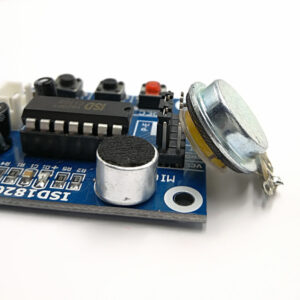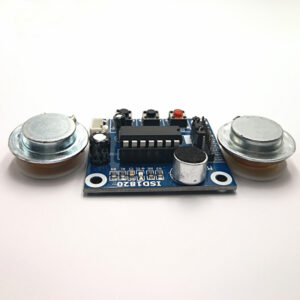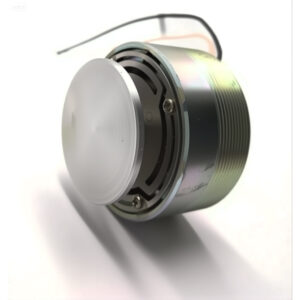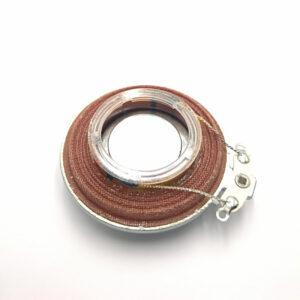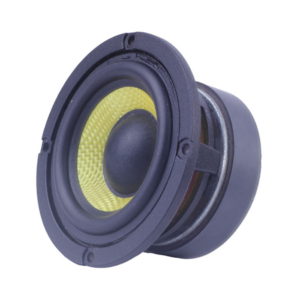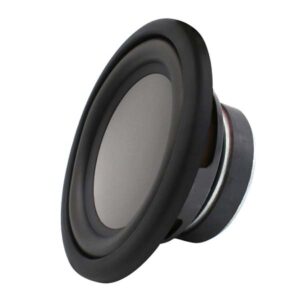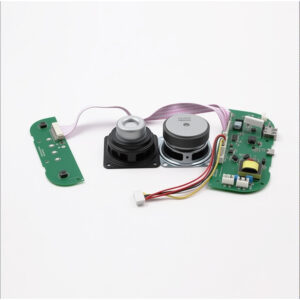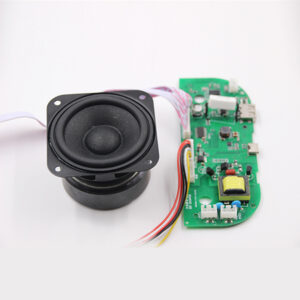
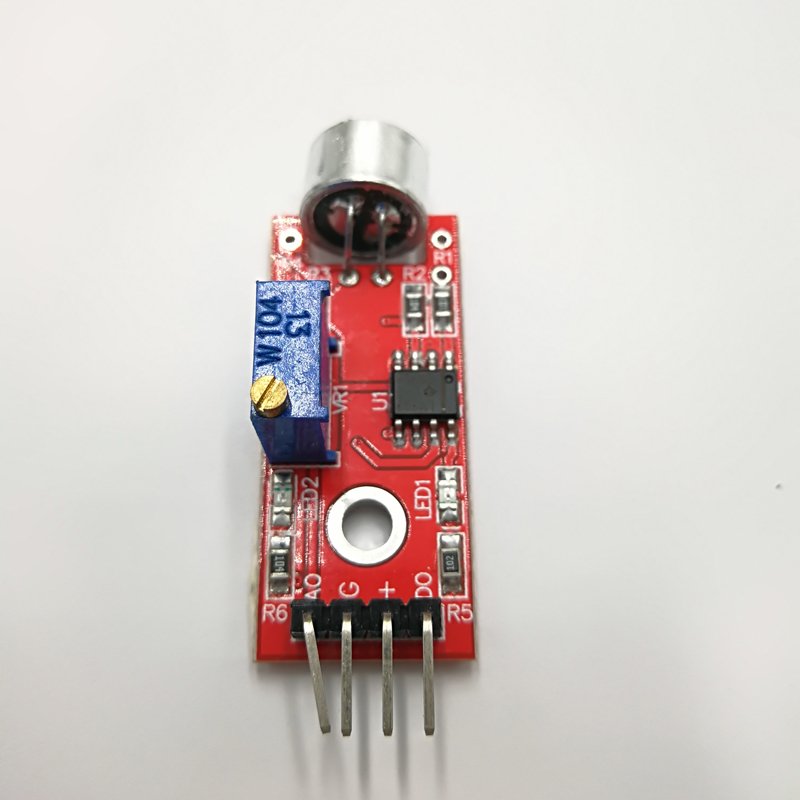
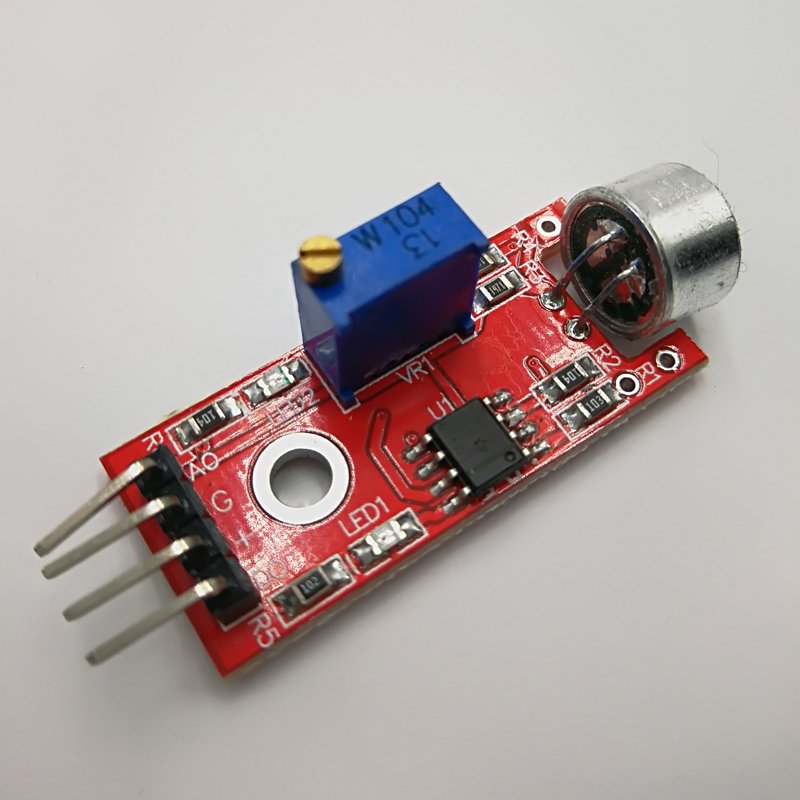
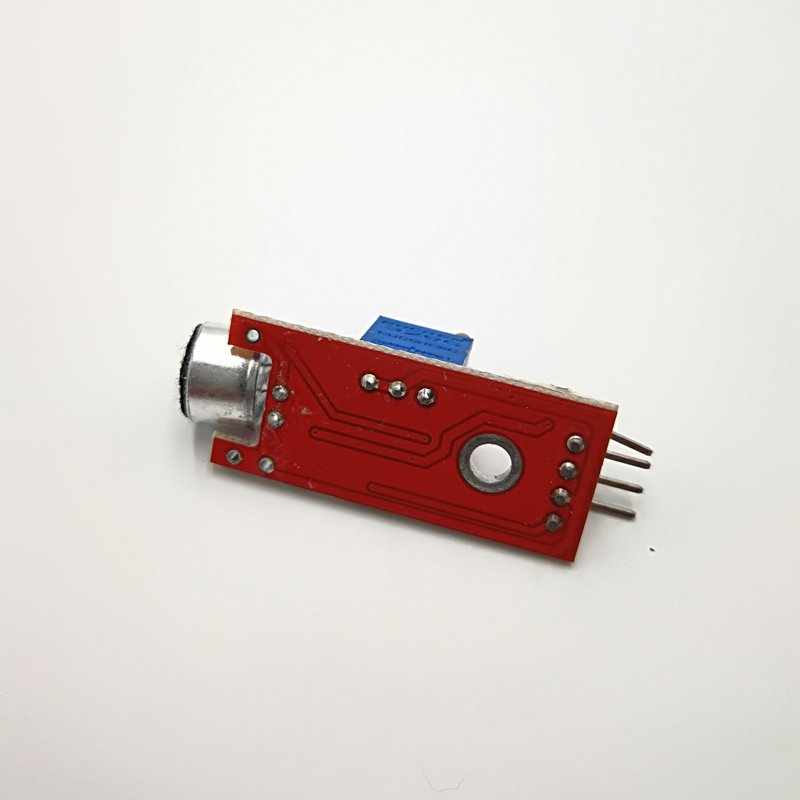
A electret microphone for voice capture in smart-home and voice products, supplied with the port depth and gasket that match your housing (ZEH-MIC-6050009019).
Overview
Signal-to-noise ratio depends on the electret’s charge stability and on the bias resistor’s thermal noise. A 60 dB SNR capsule in a compact can is adequate for voice capture at 1 m; 65 dB is needed for far-field arrays. Because the capsules are analogue, the PCB layout around ZEH-MIC-6050009019 matters: keep the bias trace short, guard the high-impedance node, and decouple the supply within 5 mm of the pad, otherwise hum and oscillation appear that no capsule specification can predict.
Sensitivity is binned before packing; a 3 dB spread between capsules in a stereo pair is audible as an image shift, so arrays are supplied from a single bin.
Specifications
| Model | ZEH-MIC-6050009019 |
|---|---|
| Product type | Electret Microphone |
| Directivity | Omnidirectional |
| Output | Analogue (JFET buffered) |
| Sensitivity | −38 dB ±3 dB (0 dB = 1 V/Pa, 1 kHz) |
| Supply | 1–10 V via bias resistor |
| Termination | Solder pads or lead wires — to drawing |
| Customisation | Termination, dimensions, housing and tuning to your drawing |
| Compliance | RoHS 2011/65/EU and REACH; declarations with each shipment |
Design notes for smart-home and voice products
Always-on voice products need a transducer that stays linear at conversation distance and does not colour speech. A electret condenser microphone in a smart speaker or a wall panel is mounted into a moulded cavity whose volume is fixed by the industrial design, so the tuning is done by the cavity and the gasket rather than by the driver alone. Far-field capture depends on signal-to-noise ratio at the port, and playback quality depends on how much the housing resonates — a 2 mm wall will buzz at 300–500 Hz long before the driver runs out of excursion.
Typical applications
- Smart speakers and displays
- Voice-assistant wall panels
- Doorbells and intercoms
- Robot vacuum voice prompts
Customisation and verification
Customisation covers the electrical and the mechanical side together: coil impedance, lead and connector, gasket height, mounting interface and finish. First article is measured against the drawing before mass production, and subsequent lots are compared with the approved sample by swept response and impedance. RoHS and REACH declarations are issued with each shipment.
FAQ
What does −38 dB sensitivity mean?
It is the output voltage for a 1 Pa (94 dB SPL) input at 1 kHz, referenced to 1 V. −38 dB equals about 12.6 mV/Pa.
Can ZEH-MIC-6050009019 run from a 3.3 V rail?
Yes. The capsule needs 1–10 V through a bias resistor; 3.3 V is inside the range, and sensitivity falls only slightly at the low end.
How do I reduce wind noise?
Use a rear-sealed capsule with a defined front port, add a mesh or foam windscreen, and high-pass the signal below 100 Hz in the DSP.
Related pages
electret condenser microphones · ZEH-MIC-97670019 · ZEH-MIC-06027002 · Custom Microphone Supplier: From Design to Delivery for Consumer Elect