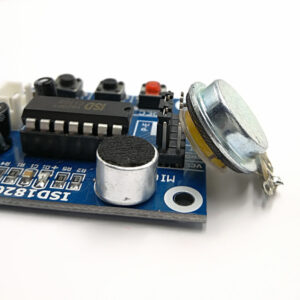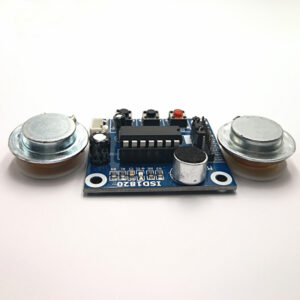
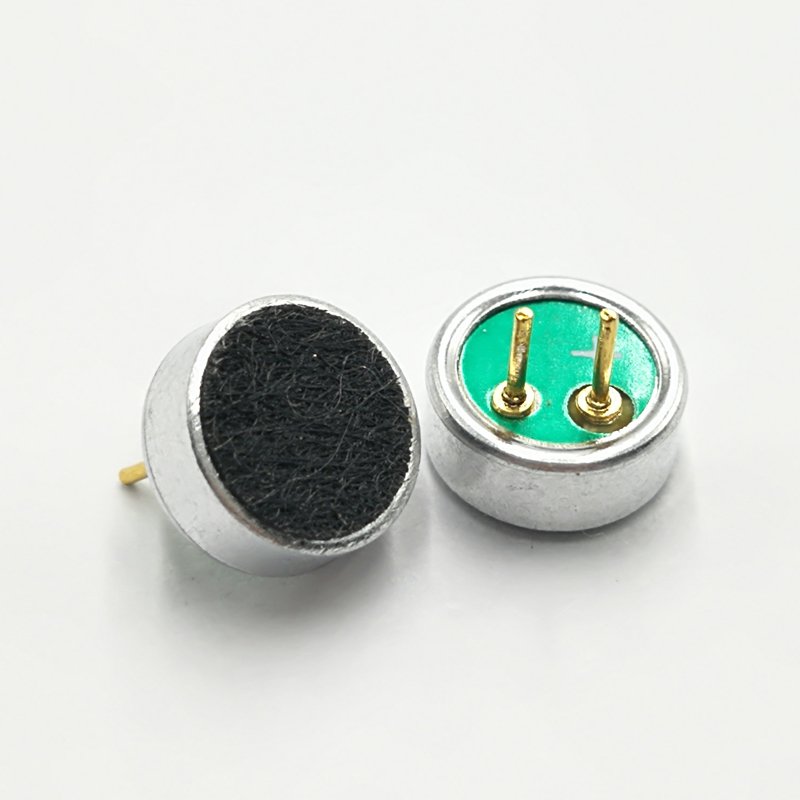
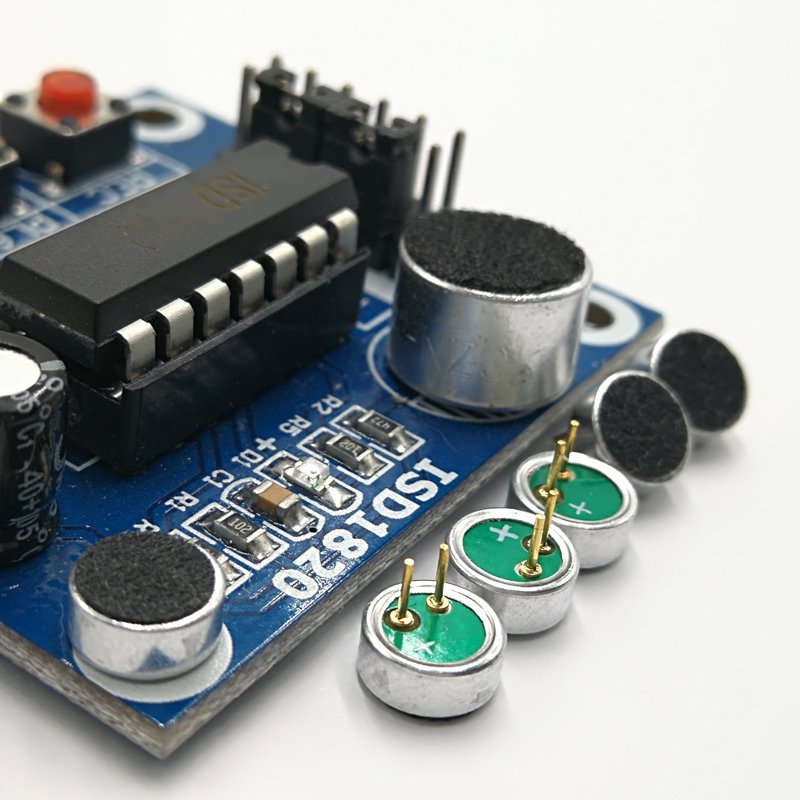
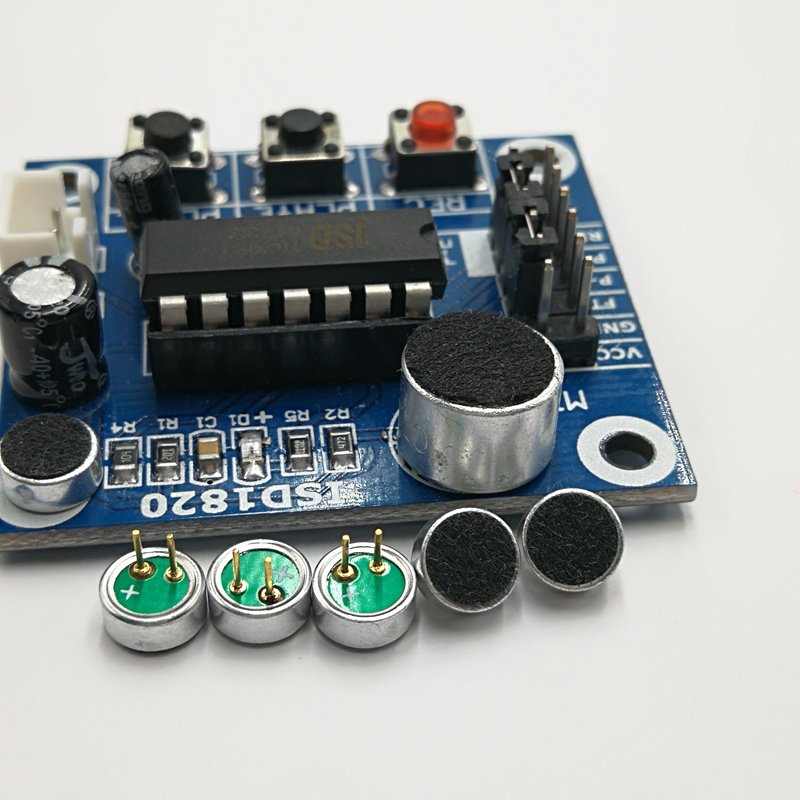
A 6.0 × 2.2 mm electret microphone for voice capture in wearable and tablet products, supplied with the port depth and gasket that match your housing (ZEH-MIC-602200201).
Overview
Signal-to-noise ratio depends on the electret’s charge stability and on the bias resistor’s thermal noise. A 60 dB SNR capsule in a 6.0 × 2.2 mm can is adequate for voice capture at 1 m; 65 dB is needed for far-field arrays. Because the capsules are analogue, the PCB layout around ZEH-MIC-602200201 matters: keep the bias trace short, guard the high-impedance node, and decouple the supply within 5 mm of the pad, otherwise hum and oscillation appear that no capsule specification can predict.
Sensitivity is binned before packing; a 3 dB spread between capsules in a stereo pair is audible as an image shift, so arrays are supplied from a single bin.
Specifications
| Model | ZEH-MIC-602200201 |
|---|---|
| Product type | Electret Microphone |
| Capsule size | 6.0 × 2.2 mm |
| Directivity | Omnidirectional |
| Output | Analogue (JFET buffered) |
| Sensitivity | −38 dB ±3 dB (0 dB = 1 V/Pa, 1 kHz) |
| Supply | 1–10 V via bias resistor |
| Termination | Solder pads or lead wires — to drawing |
| Customisation | Termination, dimensions, housing and tuning to your drawing |
| Compliance | RoHS 2011/65/EU and REACH; declarations with each shipment |
Design notes for wearable and tablet products
Wearables and tablets have almost no back volume, so the driver is chosen for excursion per cubic millimetre rather than for sensitivity on a baffle. A electret condenser microphone in a watch, a band or a tablet edge is usually sealed against sweat and dust with a membrane, and the membrane’s acoustic loss becomes part of the tuning budget. Bone conduction and exciter-based designs avoid the cavity problem entirely, at the cost of bandwidth above 4 kHz.
Typical applications
- Smart watches and bands
- Tablets and 2-in-1 devices
- Hearing aids and earbuds
- AR glasses and wearables
Customisation and verification
Customisation covers the electrical and the mechanical side together: coil impedance, lead and connector, gasket height, mounting interface and finish. First article is measured against the drawing before mass production, and subsequent lots are compared with the approved sample by swept response and impedance. RoHS and REACH declarations are issued with each shipment.
FAQ
What does −38 dB sensitivity mean?
It is the output voltage for a 1 Pa (94 dB SPL) input at 1 kHz, referenced to 1 V. −38 dB equals about 12.6 mV/Pa.
Can ZEH-MIC-602200201 run from a 3.3 V rail?
Yes. The capsule needs 1–10 V through a bias resistor; 3.3 V is inside the range, and sensitivity falls only slightly at the low end.
How do I reduce wind noise?
Use a rear-sealed capsule with a defined front port, add a mesh or foam windscreen, and high-pass the signal below 100 Hz in the DSP.
Related pages
electret condenser microphones · ZEH-MIC-4015-002013 · ZEH-MIC-6050003012 · Custom Microphone Supplier: From Design to Delivery for Consumer Elect