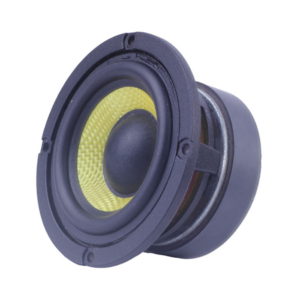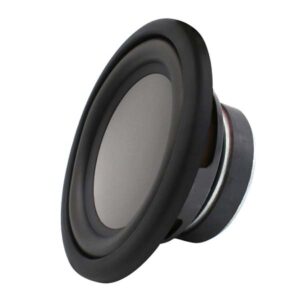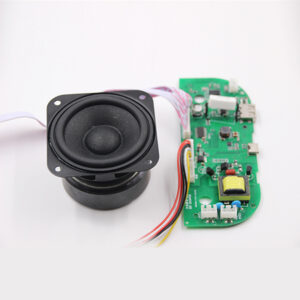
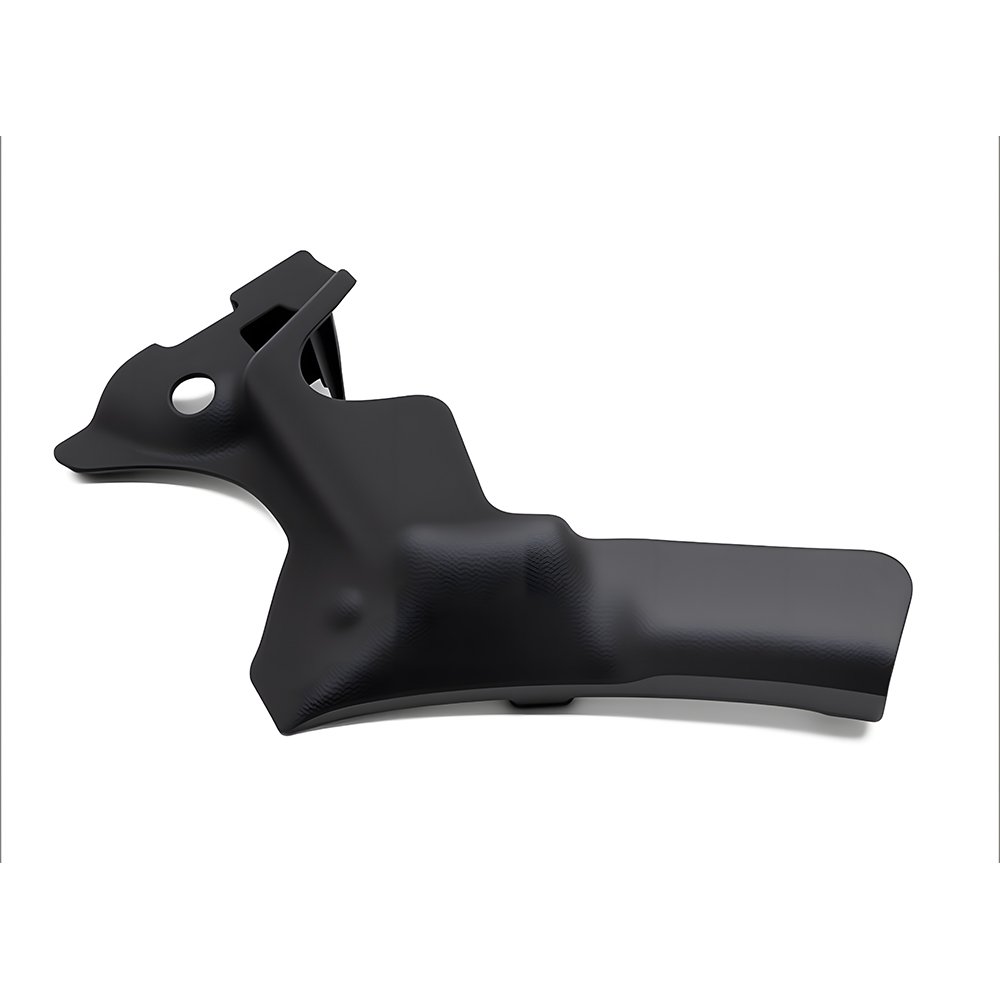
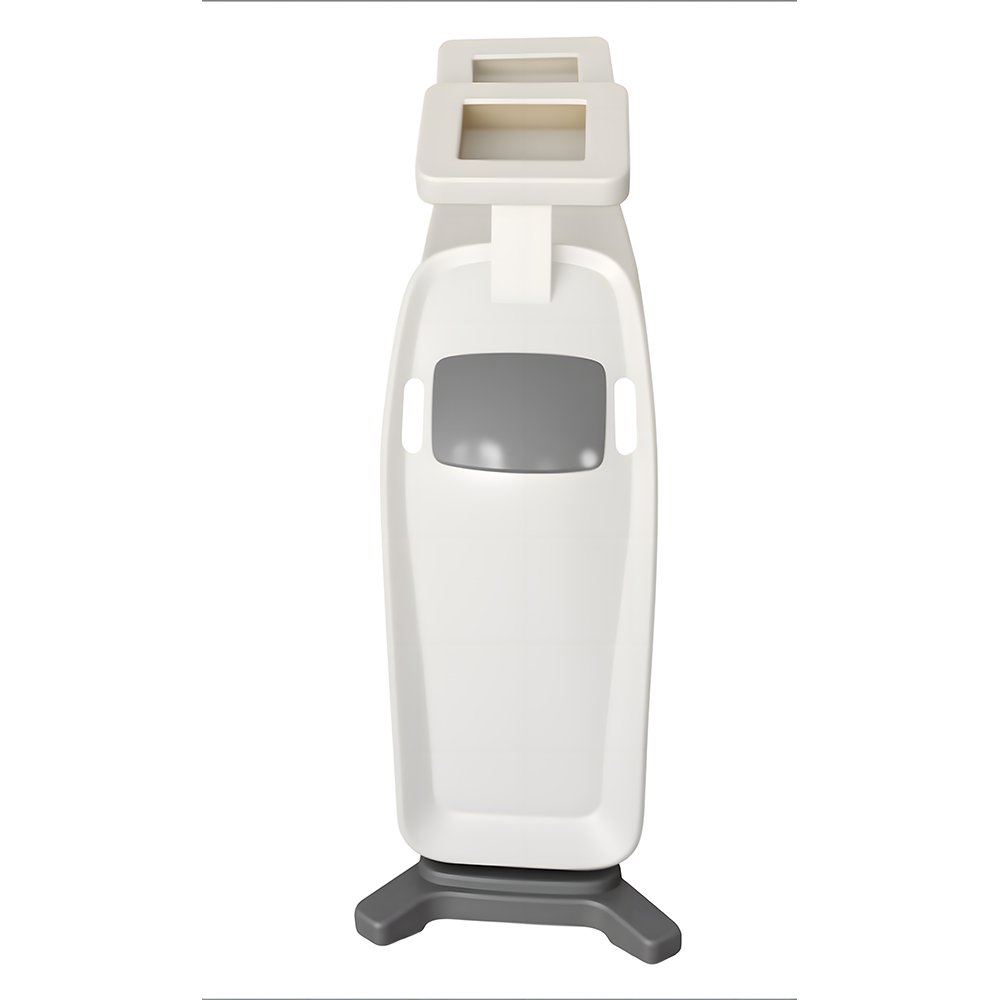
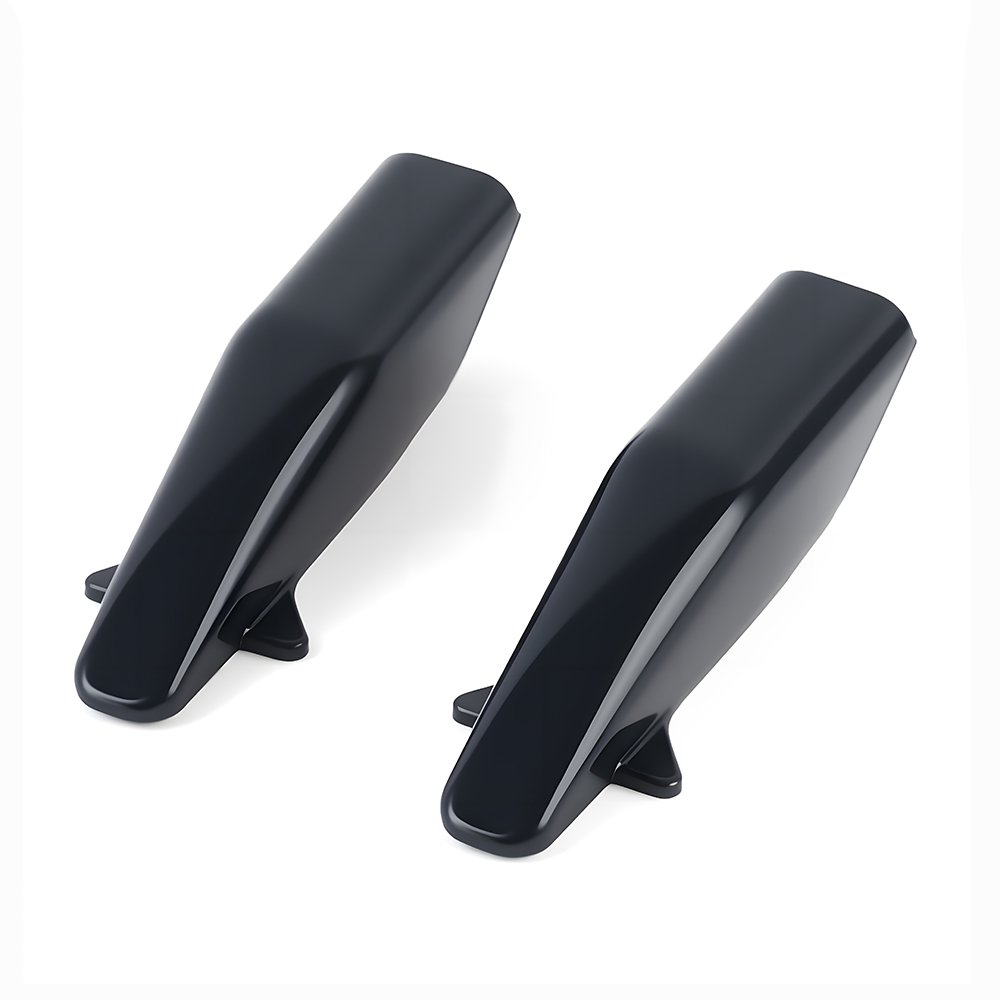
ZEH-6105 is an injection-moulded housing for vehicle audio and telematics, quoted with DFM feedback on draft, wall section and gasket compression before the tool is cut.
Overview
An audio housing does acoustic work as well as mechanical work, so the mould design starts from the driver’s back volume. ZEH-6105 is a compact moulding in PC-ABS, ABS or PA66-GF, with wall sections between 1.5 and 3 mm, draft of 1–3° per side, and ribs sized to 0.6× the wall so that sink marks do not appear on the cosmetic face. Gate position is chosen to keep weld lines away from the sealing land, because a weld line on a gasket surface leaks.
The acoustic cavity is checked by filling the part with glass beads rather than by measuring wall thickness, because cavity volume — not wall section — sets the tuning.
Specifications
| Model | ZEH-6105 |
|---|---|
| Product type | Injection-moulded housing / plastic part |
| Material | ABS, PC-ABS, PA66-GF or TPU — to drawing |
| Tooling | P20 or S136 steel, single or multi-cavity |
| Finish | SPI mould finish, texture or paint |
| Validation | First article with Cpk ≥ 1.33 on critical dimensions |
| Customisation | Termination, dimensions, housing and tuning to your drawing |
| Compliance | RoHS 2011/65/EU and REACH; declarations with each shipment |
Design notes for vehicle audio and telematics
In a vehicle the acoustic load is a leaky door or a moulded pillar, and the temperature swings from a cold soak at −40 °C to a dashboard at +85 °C. A injection-moulded housing used here is specified for that cycle rather than for a bench, with a treated surround, a vented magnet and terminals that do not corrode in condensation. Vibration is the other driver of returns: ISO 16750 random vibration at 10–500 Hz will loosen a bracket long before it damages the driver, so the mounting interface is designed with the part’s mass in mind.
Typical applications
- Door and pillar audio
- Instrument-cluster chimes and alerts
- Telematics and eCall voice
- Headliner and seat audio
Customisation and verification
Every unit is built to a drawing: impedance, lead length, connector series, mounting bosses and the rear-cavity gasket are project-specific. Samples from existing tooling are typically ready in 7–10 days, and new tooling adds 25–35 days. Production parts are checked with a frequency sweep and an impedance curve against the approved sample, and the inspection record travels with the shipment.
FAQ
What draft angle is needed?
1–3° per side on vertical walls; textured surfaces need 0.5–1° extra to avoid scuffing on ejection.
Which material for an outdoor housing?
PC-ABS or PA66-GF with UV stabiliser, plus a gasket land designed for 25–30 % compression.
Can you review my CAD before tooling?
Yes — a DFM review covering draft, wall thickness, gate position, sink and gasket compression is part of the quotation.
Related pages
injection-molded housings · ZEH-6099 · ZEH-6111 · Packaging Customization for Audio Products