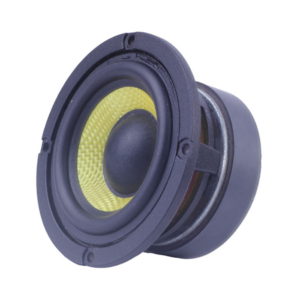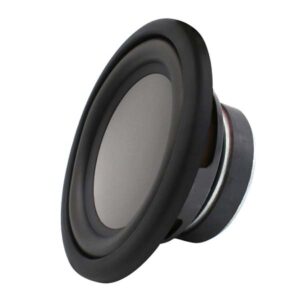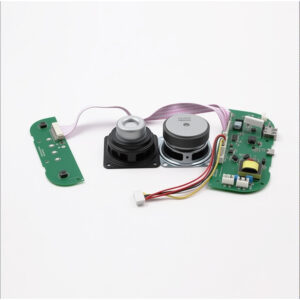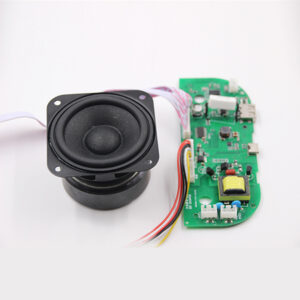
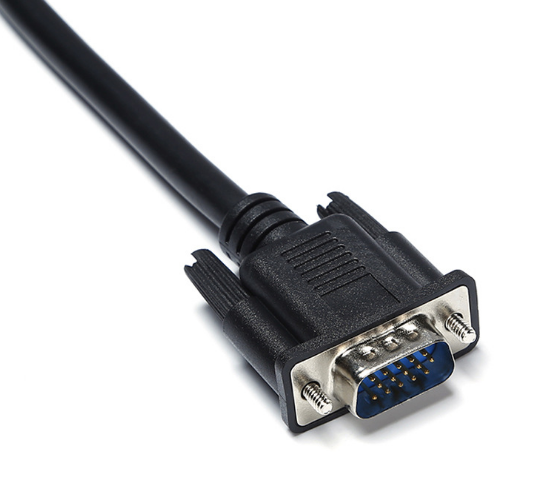
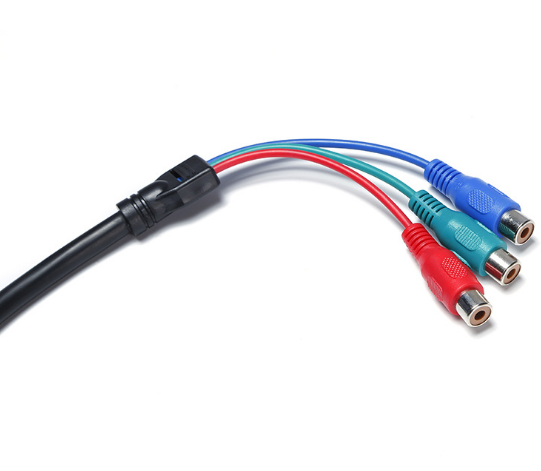
ZEH-5148 is a wire harness assembly built for vehicle audio and telematics, with the connector on the drawing and every circuit 100 % continuity- and Hi-Pot-tested before packing.
Overview
Crimp quality cannot be inspected by eye alone. A cross-section shows compaction and strand deformation; a pull test confirms the mechanical joint; a millivolt-drop test confirms the electrical one. For a compact assembly, the pull-force acceptance window is set by the wire gauge and the terminal series, and both a low and a high limit matter — an over-crimped terminal work-hardens the strands and cracks in vibration. The same logic applies to insulation: PVC is cheap and flexible but stiffens below −20 °C, while XLPE and silicone hold up in engine-bay and outdoor duty.
Crimp height, pull force and bend radius are recorded on the drawing; a harness that passes continuity but fails pull force is the most common source of intermittent field faults.
Specifications
| Model | ZEH-5148 |
|---|---|
| Product type | Custom wire harness / cable assembly |
| Conductor | AWG and strand count to drawing |
| Insulation | PVC, XLPE or silicone — to drawing |
| Connector | Molex, JST, TE or equivalent — to drawing |
| Workmanship | IPC/WHMA-A-620 Class 2 (Class 3 on request) |
| Test | 100 % continuity and Hi-Pot; first-article report |
| Customisation | Termination, dimensions, housing and tuning to your drawing |
| Compliance | RoHS 2011/65/EU and REACH; declarations with each shipment |
Design notes for vehicle audio and telematics
In a vehicle the acoustic load is a leaky door or a moulded pillar, and the temperature swings from a cold soak at −40 °C to a dashboard at +85 °C. A wire harness assembly used here is specified for that cycle rather than for a bench, with a treated surround, a vented magnet and terminals that do not corrode in condensation. Vibration is the other driver of returns: ISO 16750 random vibration at 10–500 Hz will loosen a bracket long before it damages the driver, so the mounting interface is designed with the part’s mass in mind.
Typical applications
- Door and pillar audio
- Instrument-cluster chimes and alerts
- Telematics and eCall voice
- Headliner and seat audio
Customisation and verification
The build is defined by your drawing rather than by a stock list. Impedance, termination, magnet grade, diaphragm material and housing are fixed at sample approval, then held by a controlled BOM so that a later order does not drift acoustically. Units are 100 % swept, sensitivity-binned where the product needs it, and packed with the test data for the lot.
FAQ
Which workmanship standard applies?
IPC/WHMA-A-620 Class 2 for commercial assemblies and Class 3 where a failure is safety-critical; the class is stated on the drawing.
Can you supply a first article?
Yes — a first-article inspection report maps every circuit, crimp height and pull-force result to the drawing before mass production.
What is the minimum bend radius?
Five times the bundle diameter for static routes and ten times where the harness moves; tighter bends crack the insulation and fatigue the strands.
Related pages
wire harness assemblies · ZEH-5147 · ZEH-5149 · OEM Electronics Manufacturer China: How to Source a One-Stop Manufactu