
はじめに:小型パッケージから大音量を追求する挑戦
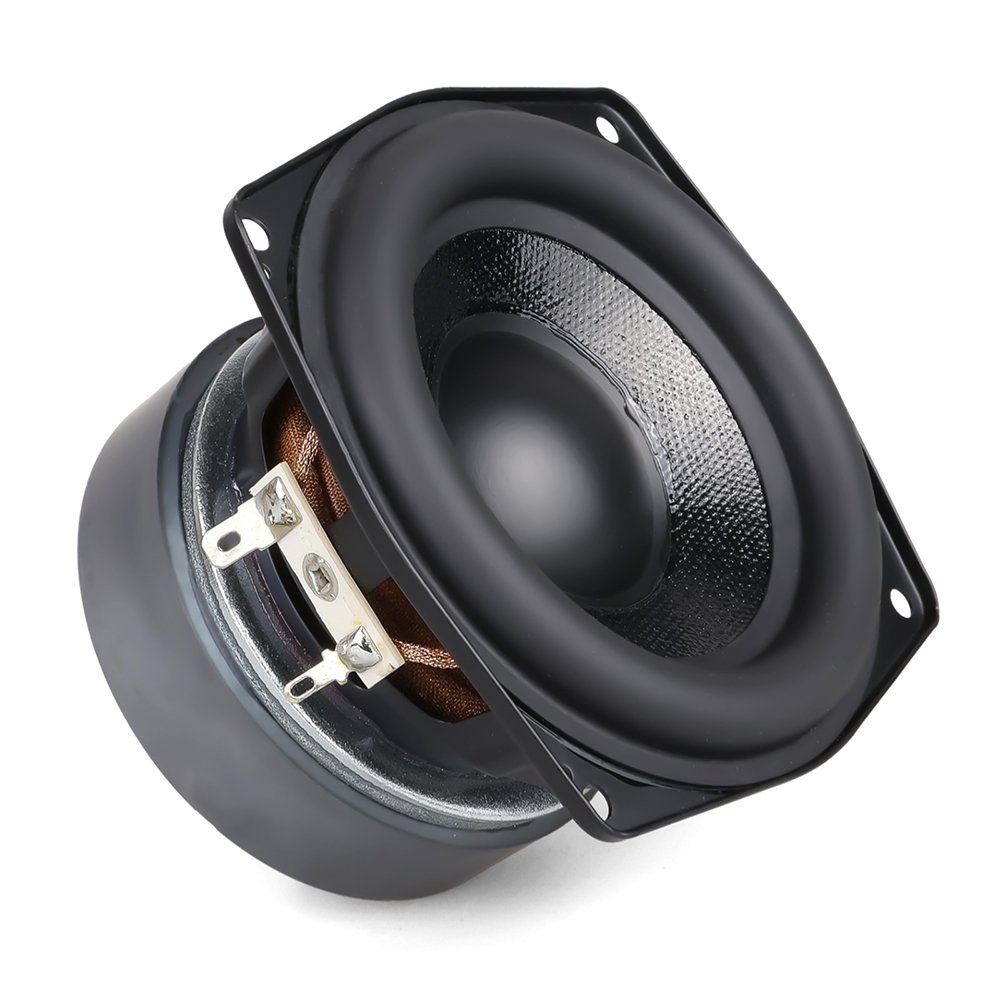
スマートフォンやワイヤレスイヤホン、ポータブルBluetoothスピーカー、薄型ホームシアターサウンドバーなど、コンパクトなオーディオ機器への需要は、オーディオ工学における革命を推進してきました。消費者は、ますます小型化するフォームファクターから、豊かで力強く、クリアなサウンドを期待しています。小型のスピーカーユニットから大音量と高忠実度を実現することは、基礎物理学と革新的なエンジニアリングを対峙させる複雑な課題です。スピーカーは本質的に、電気エネルギーを音響エネルギー(音波)に変換するトランスデューサーです。より大きな音量と深い低音を得る従来の方法は、より大型のドライバーとエンクロージャーを必要とします。この常識に逆らうため、エンジニアは効率の最大化、歪みの制御、および音響心理学の活用に焦点を当てた高度な技術群を駆使しています。本稿では、小型スピーカーユニットが驚くべき大音量とフルレンジサウンドを実現することを可能にする、主要な技術的基盤について探求します。.
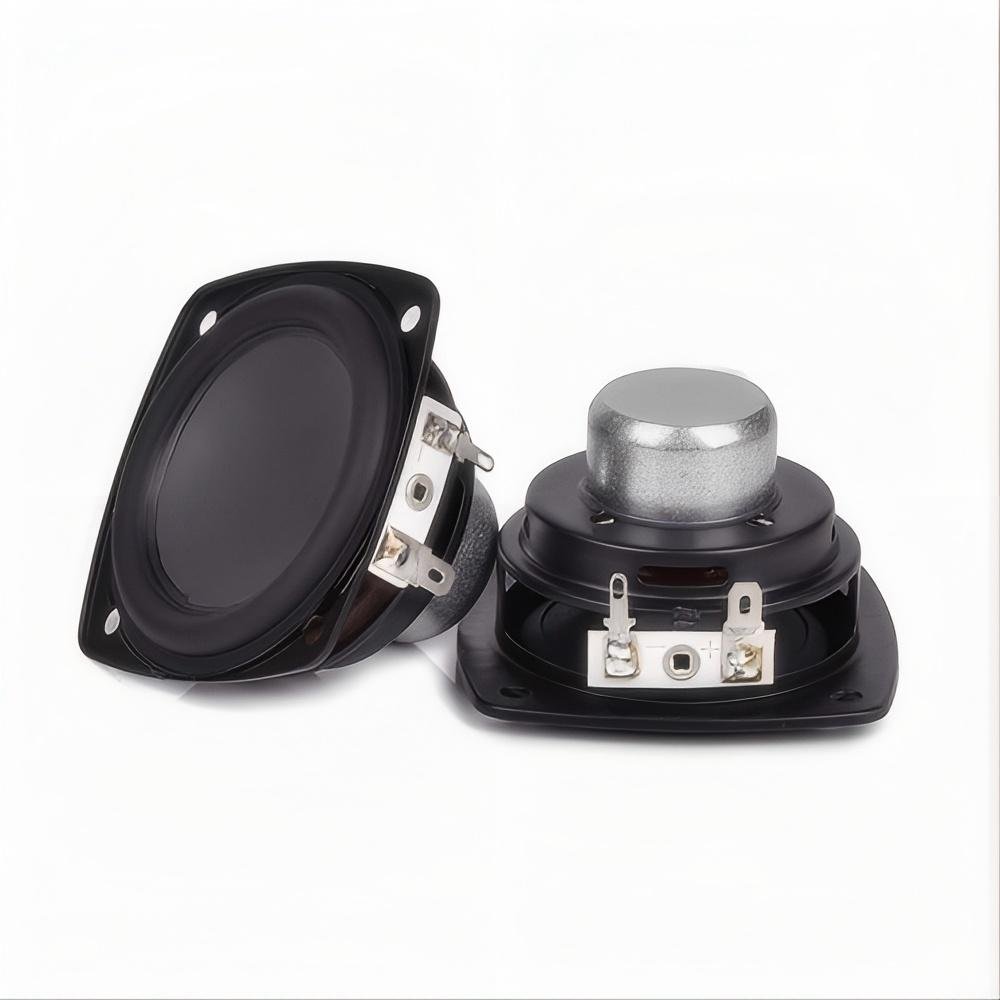
コアとなるトランスデューサーと磁気回路の革新
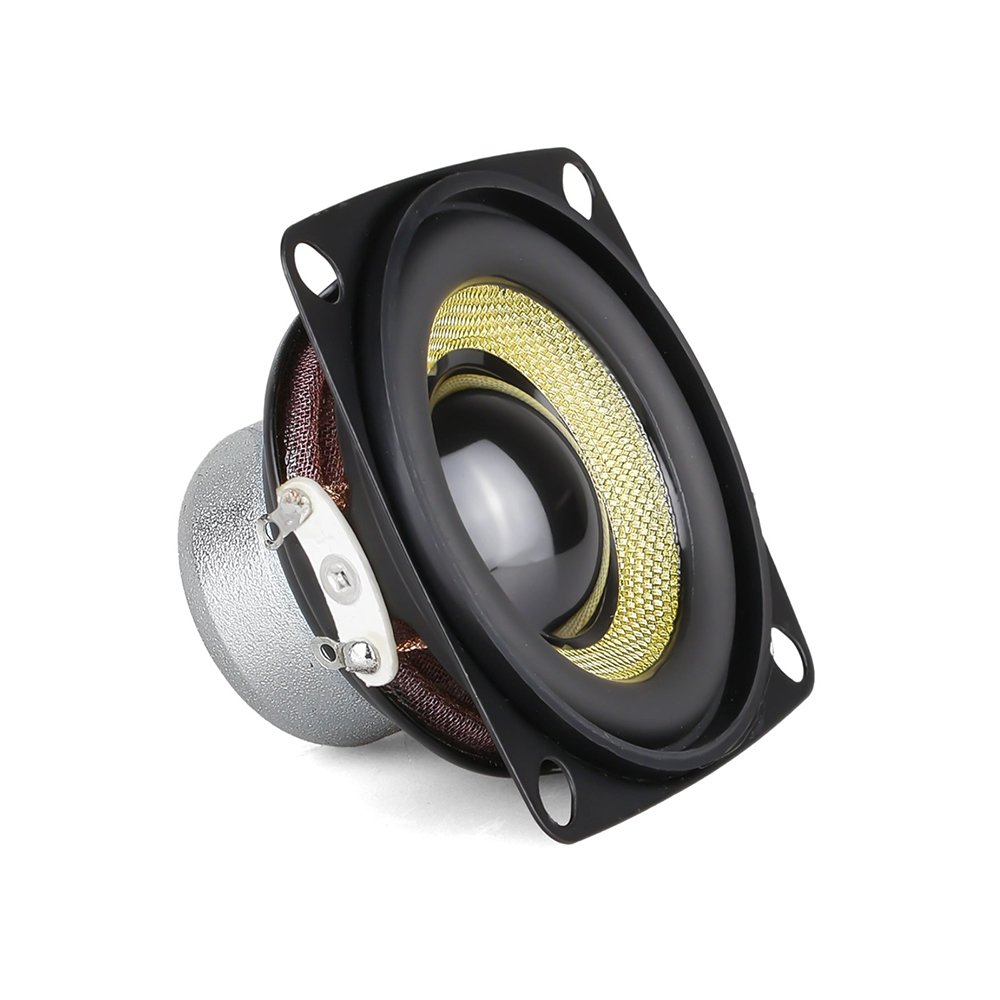
あらゆるスピーカーの心臓部はドライバーであり、電気出力を音響出力に変換するその効率性が最も重要です。ここでの主要な進歩は、小型ユニットにおける大音量性能の基盤となります。.
高効率磁気システム: マグネット、ボイスコイル、ポールピースから構成されるモーター構造は極めて重要です。現代の小型スピーカーは ネオジム(NdFeB)マグネット, を使用しており、これは市販されているどの材料よりも高い磁気エネルギー積を提供します。その卓越した強度により、ボイスコイルが配置されるギャップ内でより強力な磁束を生成する、小型で軽量なマグネットが可能になります。これにより、特定の入力電流に対するボイスコイルへの力(フォースファクター、すなわち Bl)が増大し、感度(特定の入力電力に対するスピーカーの音量の尺度)が直接的に向上します。.
ボイスコイルとフォーマーの設計: 先進的なボイスコイルは、 アルミ被覆銅線(CCAW) や純アルミニウムなど、より軽量で強度の高い材料を使用して可動質量を低減します。軽量なコイルは加速と減速がより速くなり、過渡応答と効率が向上します。フォーマー(コイルの円筒状の支持体)には、 カプトン または やノーメックス, などの材料が使用されることがあり、これらは非常に軽量で高温に耐えることができます。熱は性能の敵であり(コイルが加熱すると出力が低下する「パワーコンプレッション」を引き起こす)、そのため設計には、 冷却機能 として、通気孔付きポールピースや、空気がボイスコイル上を流れることを可能にするスパイダー構造などが組み込まれることがよくあります。.
サスペンションの線形化: スパイダー(内部サスペンション)とエッジ(外部サスペンション)は、完全な線形性を維持しながら、十分なコーン可動域(振幅)を許容しなければなりません。非線形なサスペンションは歪みの主要な原因です。現代の 有限要素法(FEA) により、エンジニアはプログレッシブスティフネス(漸進的な剛性)を持つサスペンションをモデル化・設計することが可能となり、限られたスペース内でのより長くクリーンな振幅を実現します。これは、小型ドライバーからより大きな音量とより低い周波数を生成するための前提条件です。.
高度な振動板とエンクロージャー材料工学
振動板(コーン)は放射面です。その材料と形状は、空気を効率的に動かす能力と、高周波数での分割振動モード(歪み)に抵抗する能力を決定します。.
複合材料および合成振動板: 高性能マイクロドライバーに単純なペーパーコーンが使用されていた時代は終わりました。今日の材料には以下が含まれます:
- カーボンファイバー複合材料: 非常に剛性が高く軽量で、優れたピストン運動と最小限の分割振動を提供します。.
- ホウ素強化材料: カーボンファイバーよりもさらに剛性が高く、究極の明瞭さと効率を求めるハイエンドマイクロドライバーに使用されます。.
- 液晶ポリマー(LCP)およびポリエーテルイミド(PEI)フィルム: スマートフォンやウェアラブル端末向けの超薄型振動板に使用され、剛性、制動性、製造性のバランスに優れています。.
- セラミックコーティングまたはアルマイト処理アルミニウム: 高い剛性対重量比を提供しますが、注意深い制動処理が必要です。.
エンクロージャーと音響結合設計: エンクロージャーは単なる箱ではなく、音響システムの不可欠な部分です。小型スピーカーでは、パッシブラジエーターが広く普及しています。ポート付き(バスレフ)設計とは異なり、 パッシブラジエーター (ボイスコイルのないドローンコーン)は、完全に密閉された空間内で調整された低周波共振を可能にし、大きな空気容積やチューフィングノイズ(風切り音)の原因となるポートを必要とせずに、知覚される低音出力を向上させます。さらに、, 音響迷路 または や圧力ガイド がデバイス内部でますます使用され、小型ドライバーから外部へ効率的に音を導き、損失を最小限に抑え、場合によっては共振原理を通じて特定の周波数を増幅することもあります。.
デジタルシグナルプロセッシングと音響心理学的強化
これは、現代のコンパクトオーディオシステムにおいて、おそらく最も重要な技術的差別化要因です。. デジタル信号処理(DSP) DSPは、小型スピーカーの物理的限界を補正する頭脳です。.
アクティブイコライゼーションと低音強調: DSPアルゴリズムは、精密で動的なイコライゼーションを適用し、小型ドライバーが本来弱い周波数帯域(通常は低低音)を増強すると同時に、過度な振幅や歪みを防ぐために他の帯域を注意深くカットします。以下のような技術 ダイナミックバスブースト または 高調波低音強調 信号をリアルタイムで分析し、基本低音ノートの合成高調波を追加します。人間の耳はこれらの高調波を使用して基本周波数を推測するため、物理的なスピーカーが直接再生できない、より深く力強い低音の知覚を生み出します。.
リミッティングおよび熱保護: 大音量時の損傷を防ぎ、歪みを管理するために、高度な マルチバンドリミッター そして コンプレッサー が使用されます。これらは動的な「ガバナー」として機能し、ドライバーが線形振幅限界を超えたり、アンプがクリッピングする原因となる周波数のみを抑制します。. 熱モデル ボイスコイルの熱モデルがDSP内で動作し、温度上昇を予測して、パワー圧縮が可聴になる前にゲインを微妙に低減します。.
ステレオ拡張およびアンビエンス処理: 小型で近接配置されたスピーカーの狭い「スイートスポット」を克服するため、DSPは 仮想サラウンドサウンド または頭部伝達関数(HRTF)アルゴリズムを使用したより広いステレオイメージを作成します。これにより、サウンドステージが物理デバイスよりもはるかに大きく感じられ、音量と没入感のリスナー体験が向上します。.
リアルタイム適応アルゴリズム: 以下のようなブランドのプレミアムシステム Apple、Sony、Bose は現在、スピーカーの出力をリアルタイムで聴取するマイクを搭載しています。このフィードバックはDSPによって処理され、スピーカーの配置(例:テーブル上、隅、自由空間)による異常を適応的に補正し、環境に関係なく一貫した最適化された出力を保証します。.
| 技術カテゴリ | 特定技術 | 主な機能 | 実世界の応用例 |
|---|---|---|---|
| 磁気およびモーター | ネオジム磁石回路 | 磁力を最大化し、高感度と高効率を実現。. | JBL Flip 6 ポータブルスピーカードライバー。. |
| 振動板 | カーボンファイバー複合コーン | 高剛性/低質量を提供し、正確なピストン運動を実現。. | コンパクトメタマテリアルにおけるKEF Uni-Qドライバー。. |
| エンクロージャー | パッシブラジエーター | ポートや大型エンクロージャーなしで低周波出力を強化。. | ほぼすべてのプレミアムBluetoothスピーカー(Ultimate Ears Boomなど)。. |
| 信号処理 | 動的高調波低音強調 | 低音高調波を合成し、知覚的に低周波応答を拡張。. | Apple HomePod miniのコンピュテーショナルオーディオ。. |
| システム制御 | マイクフィードバックによるリアルタイム適応EQ | 部屋のモードと配置をリアルタイムで補正。. | Sonos Era 300 空間オーディオスピーカー。. |
| 増幅 | 統合DSP搭載高効率クラスD | クリーンで高出力を提供しつつ、熱および振幅限界を管理。. | スマートフォンにおけるTexas Instruments TASシリーズスマートアンプIC。. |
統合増幅およびシステムレベル電力管理
アンプはエンジンです。最新の Class-Dアンプ クラスDアンプは、従来のクラスAB設計の50~70%と比較して90%を超える効率で小型スピーカーに革命をもたらしました。これにより、熱として無駄になる電力が最小限に抑えられ、バッテリー駆動または熱制約のあるデバイスからより多くの音響出力が可能になります。.
“「スマート」アンプIC: 今日の主要なアンプチップ(以下の企業から) Texas Instruments、Qualcomm、Maxim Integrated) は、単なるパワーステージをはるかに超えた存在です。これらは システムオンチップ(SoC)ソリューションであり、 統合DSP、高度なリミッターアルゴリズム、およびリアルタイム診断機能を備えています。スピーカードライバーのインピーダンスと逆起電力に直接インターフェースできるため、ディスクリート部品では不可能だった精密な制御と保護が可能です。.
電源およびバッテリー管理: ポータブルデバイスで高いピーク音量を実現するには、 ピーク対平均電力比. の管理が必要です。高度な電源管理システムは、大容量コンデンサと高放電率リチウムイオンバッテリーを使用して、過渡的なピークに必要な電流バーストを供給し、システム全体の電圧降下によるシャットダウンや歪みを防止します。.
結論:技術のシンフォニー
小型スピーカーユニットから大音量を実現することは、もはや単一のブレークスルーによるものではありません。それは、 進歩のシンフォニー が緊密に統合された結果です。材料科学(磁石、振動板)、機械設計(モーター構造、サスペンション)、音響工学(エンクロージャー、ラジエーター)、そして最も重要なデジタルソフトウェア(DSP、適応アルゴリズム)においてです。この学際的なアプローチにより、エンジニアは物理法則を破るのではなく、知性と精度をもって回避することで、物理の限界に挑戦することができます。コンピュテーショナルオーディオ、機械学習、そして グラフェン のような新材料が成熟するにつれて、小型スピーカーと大型スピーカーの性能差はさらに縮まり、最も小型のデバイスでも高忠実度で大音量のサウンドが実現できるようになると期待されます。.
専門家によるQ&A
Q1: 熱管理の観点から、密閉型マイクロスピーカーで持続的な大音量を実現する上で最も一般的な制限要因は何ですか?また、それはどのように対処されますか?
A: 主な制限要因は ボイスコイルの熱圧縮. です。動作中にコイルが加熱すると、その電気抵抗が増加します。これにより、一定電圧に対する電流が減少し(オームの法則:I=V/R)、その結果、発生する磁力と音響出力が低下します。電力は安定して供給できますが、SPLは低下します。これは以下の方法で対処されます:1) 物理的冷却: ボビンやポール構造に熱伝導率の高い材料を使用し、通気性を考慮した設計(例:ベントポール)を行う。2) 電気的/DSP管理: 統合型熱モデルを備えた「スマート」アンプICを使用する。DSPは、リアルタイムの電力使用モデルに基づいて温度上昇を予測し、プロアクティブにゲインを低減することで、より一貫した出力を維持し、損傷を防ぎます。.
Q2: 小型エンクロージャー向けのバスレフ設計において、パッシブラジエーターの使用は、従来のポートと音響的にどのように異なりますか?
A: 両方とも ヘルムホルツ共鳴器 の一種であり、共振システムを使用してチューニング周波数付近の低音出力を増幅します。しかし、 ポート (またはベント)は空気の柱を動かしますが、高い振幅や小径の場合、 チャッフィングノイズ (乱流空気ノイズ)やパイプ共振を引き起こす可能性があります。 パッシブラジエーター パッシブラジエーター.
は、質量-バネシステム(ラジエーターの質量とエンクロージャーのエアスプリング)であり、モーターを持たないチューニングされたドライバーのように動作します。小型ユニットにおける主な利点は、ポートチューブ用の内部容積が不要で、チャッフィングを排除し、実効可動質量を非常に大きくできるため、所定の容積でより低いチューニング周波数を可能にすることです。スペースが制約されたアプリケーションにおいて、より高い設計の柔軟性とクリーンな出力を提供します。
A: Q3: DSPとシンセティックバスエンハンスメントの台頭により、マイクロスピーカーの仕様書における「真の」低域再生能力の有意義なベンチマークは依然として存在しますか? これは仕様比較において重要な質問です。従来の 周波数特性曲線における-3dBまたは-6dBポイント は、ドライバーの基本的な物理的能力を示すため、依然として重要です。しかし、それらはもはや全体像を語るものではありません。より有益なベンチマークは、. **特定のSPLおよび周波数における全高調波歪み(THD)** です。例えば、仕様には「55Hzまでの低域再生、80dB SPL、<3% THD」と記載されるかもしれません。これは、スピーカーが クリーンに 生成できるもの、つまり、過度なDSP介入なしで実現できるものを示します。心理音響学的なエンハンスメントは、ドライバーが既に十分な物理的低域性能を持っている場合に最も効果的に機能します。したがって、.