
アウトドアアドベンチャー市場における統合オーディオへの需要の高まり
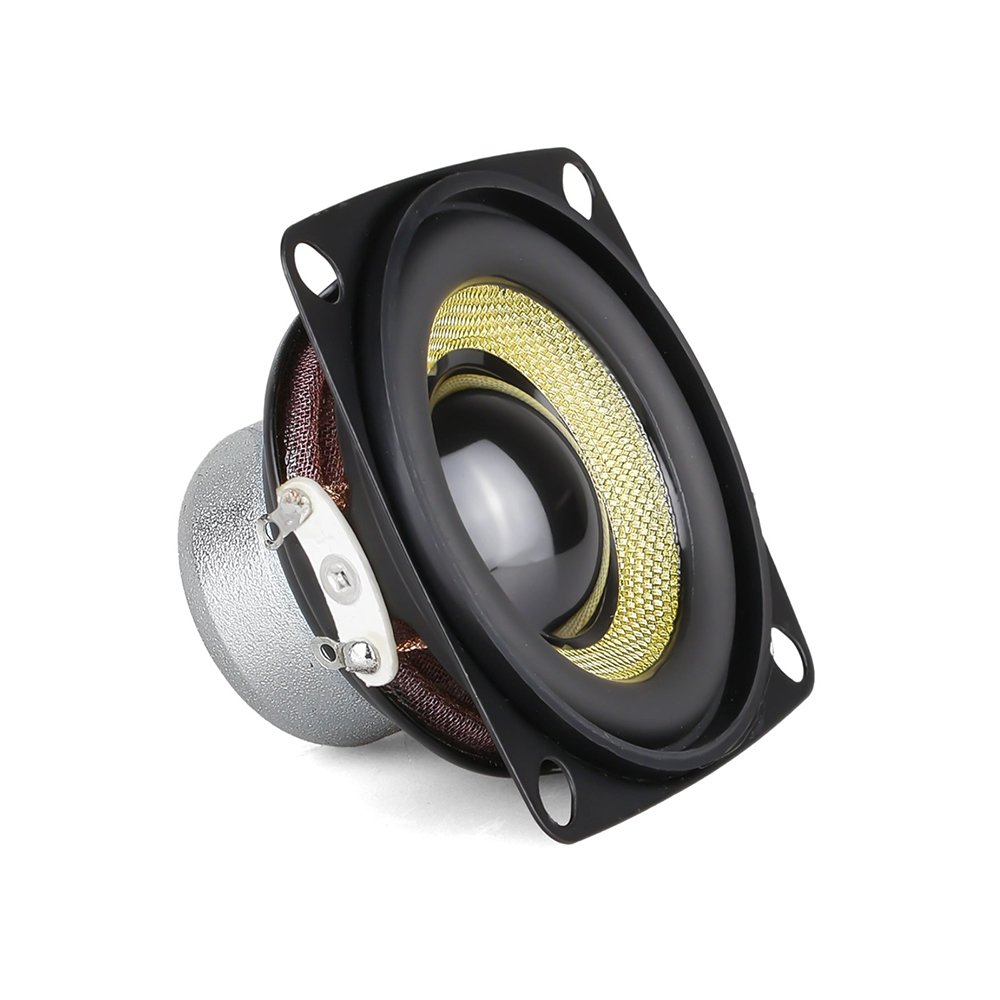
現代のアウトドア愛好家は単なるギア以上のものを求めており、彼らが渇望するのは 没入型体験. です。ハイキング、キャンプ、カヤック、オーバーランディングといったアクティビティが進化するにつれ、オーディオは冒険において不可欠な要素となっています。これは、壊れやすい汎用Bluetoothスピーカーを自然の中に持ち込むことではありません。それは、 シームレスで耐久性があり、状況に応じたサウンド であり、彼らがすでに信頼している装備を補完するものです。アウトドア機器ブランドにとって、これは変革の機会をもたらします。サードパーティ製スピーカーの受け身の入れ物から、 アドベンチャーオーディオの主要な供給源 となることです。それを実現するのがカスタム防水スピーカーです。.
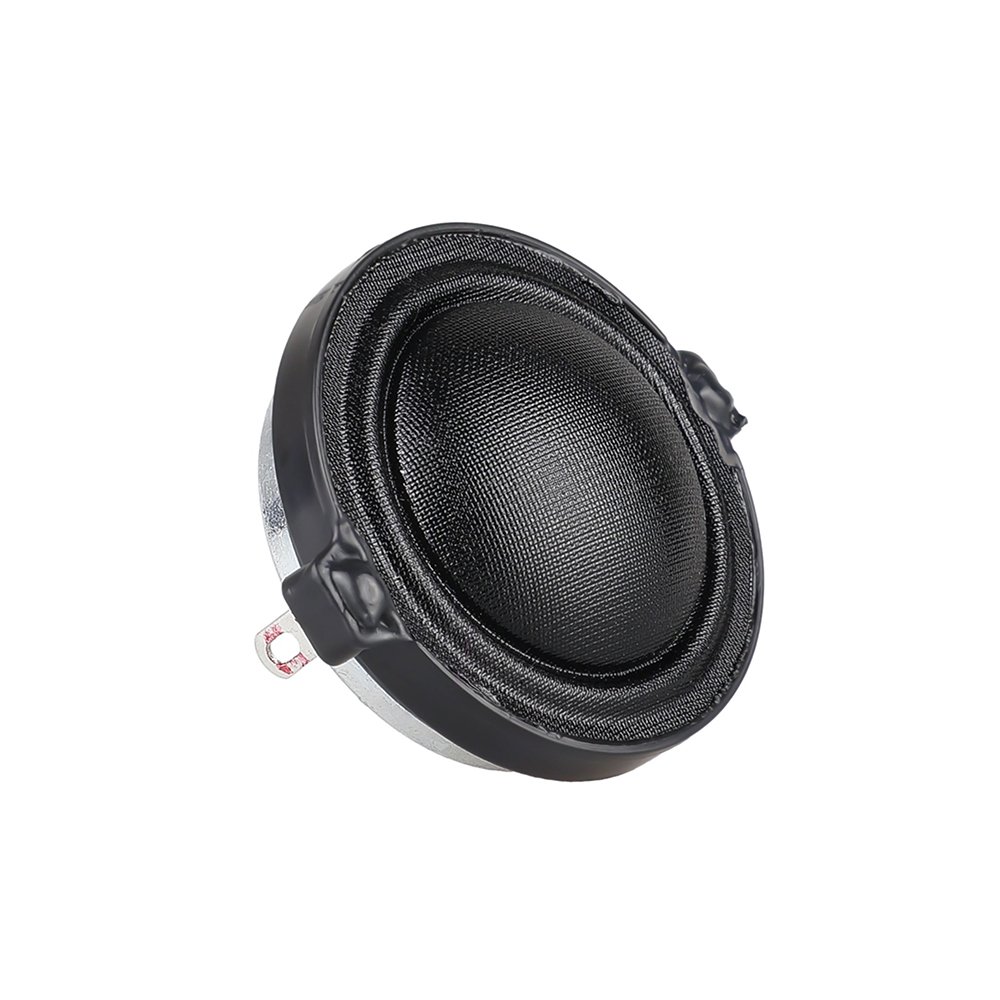
市場データはこの変化を裏付けています。世界のアウトドアBluetoothスピーカー市場は、耐久性、ブランドシナジー、エコシステム統合を重視する消費者基盤に牽引され、大幅な成長が見込まれています。Grand View Researchの2023年のレポートによると、防水性、耐衝撃性、バッテリー持続時間の長さといった機能が主要な購入基準の上位を占めており、このセグメントでは純粋なオーディオ忠実度をしばしば上回ります。さらに、 統一された製品エコシステム(クーラー、バックパック、スピーカーがデザイン言語と機能性を共有するもの)を提供するブランドは、顧客維持率と平均注文額が高くなります。.
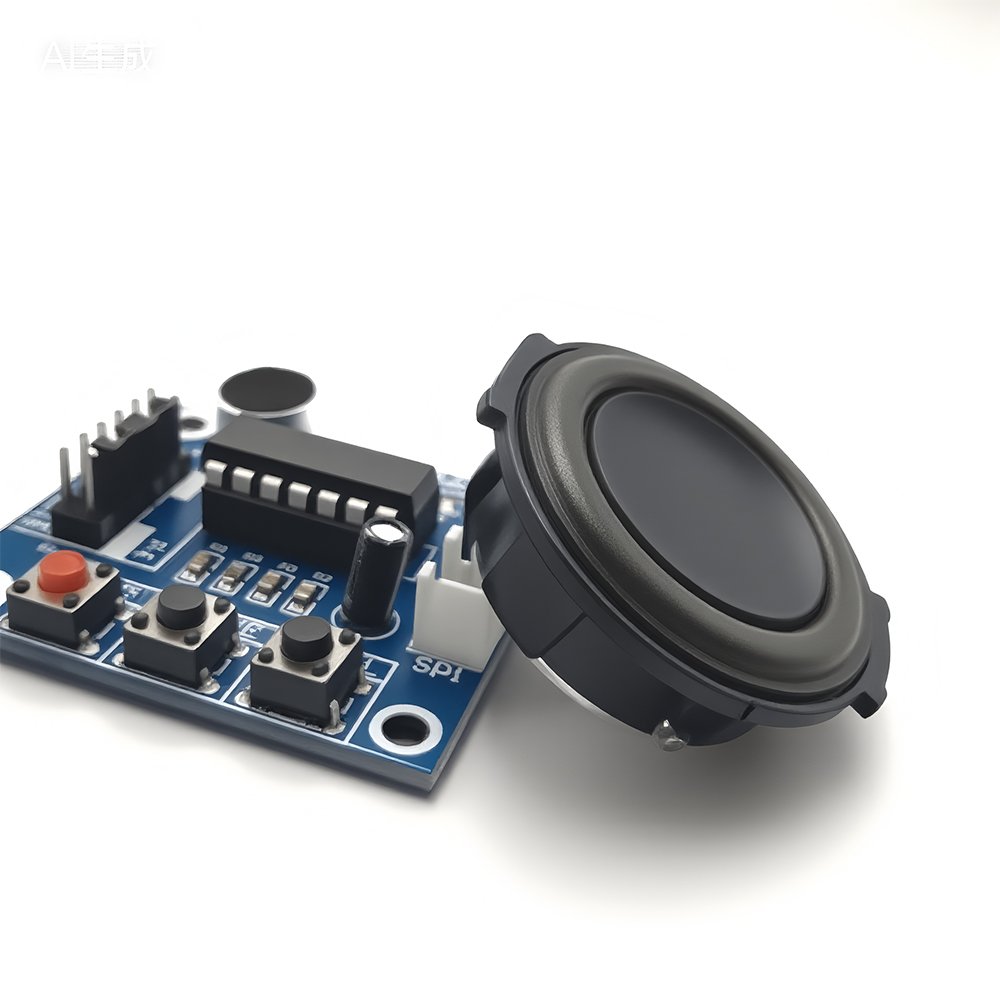
アウトドアブランドにとって、カスタムスピーカーは単なるアクセサリーではなく、 ブランドタッチポイント. です。キャンプファイヤーの周りで音楽を再生したり、釣り船でポッドキャストを聴いたりするたびに、ブランドのアイデンティティとロイヤルティが強化されます。それは取引的な関係を共有された体験的なものへと変え、あなたのブランドが冒険のサウンドトラックを提供することになります。.
防水性を超えて:効果的なカスタムスピーカーデザインの柱
カスタマイズは、汎用OEMスピーカーにロゴを貼るだけでは終わりません。アウトドア市場に真に響き、ブランドのコアバリューを反映するためには、デザインは全体論的かつ意図的である必要があります。.
耐久性を基盤として: “「防水」は入場券に過ぎません。標準はIP67(防塵、水深1mで30分間の浸漬に耐える)またはより過酷なIP68/IPX8です。しかし、アウトドアブランドにとっては、考慮すべき点は 耐衝撃性 (MIL-STD-810G試験)、日光による退色を防ぐ耐UV性、海洋環境向けの耐腐食性素材にまで及びます。目標は、スピーカーが同伴するカヤック、クーラー、オフロード車と同様に頑丈であることです。.
開放空間向けの音響性能: アウトドアの音響は困難です—風、水、周囲の騒音と競合します。カスタマイズにより、ドライバーとパッシブラジエーターを調整し、圧倒的な低音ではなく、クリアに投影され、ボーカルに力強い中音域を提供するサウンドプロファイルを実現できます。. 360度サウンドディスパージョン は、キャンプファイヤーの周りやビーチでのグループ設定において鍵となります。.
長時間遠征のための電力と接続性: バッテリー寿命は最も重要です。カスタムソリューションでは、より大型で高密度のバッテリーを統合でき、多くの場合24時間以上の再生時間を実現します。 USB-Cパワーデリバリー(PD) のような最新機能により、スピーカーはGPSや衛星メッセンジャーを充電するためのモバイルバッテリーとしても機能します—これは重要な付加価値です。最新のBluetooth 5.3+チップの統合により、安定した接続と低消費電力が保証され、一部のブランドではトランシーバー無線機能などの追加接続性も模索されています。.
目的主導のフォルムと統合: ここで真のブランドマジックが起こります。スピーカーの形状は、アクティビティに自然に溶け込むものであるべきです。.
- 例えば、 クーラーブランド, の場合、蓋に磁気でドッキングし、クーラーのバッテリーシステムから電力を得るスピーカーが考えられます。.
- 例えば、 バックパッキングブランド, の場合、軽量で薄型のスピーカーで、バックパックのストラップやテントのループにしっかりとクリップ留めできるものが考えられます。.
- 例えば、 マリンブランド, の場合、ロッドホルダーやクリート用の統合マウントを備え、濡れた手でも簡単に操作できるコントロールが特徴となるでしょう。.
- 素材 の使用—持続可能性への取り組みに合わせたリサイクルプラスチックであれ、ツールブランドを補完するラバーコーティングであれ—は、統合をさらに深めます。技術仕様とパートナーシップモデル:実践ガイド.
オーディオ分野に参入するには、明確な技術的理解と適切な製造パートナーの選択が必要です。以下は、一般的なアウトドアグレードのスピーカー仕様と市場への典型的な経路に関する比較フレームワークです。
表:カスタムスピーカー開発経路とコア仕様.
側面
| 既製品プライベートラベル | 協調的カスタムデザイン(ODM) | ゼロからのカスタム開発(OEM) | メーカーのカタログから既存のスピーカーモデルを選択し、ロゴを追加する。 |
|---|---|---|---|
| 説明 | 既存のプラットフォーム(シャーシ、電子機器)を、カスタムカラー、素材、グリル、調整済みオーディオで変更する。. | Modifying an existing platform (chassis, electronics) with custom colors, materials, grilles, and tuned audio. | 独自のブランド要件と機能要件を満たすため、完全に独自の製品をゼロから設計すること。. |
| 市場投入までの期間 | 3~6ヶ月 | 6~12ヶ月 | 12~18ヶ月以上 |
| 開発コスト | 低い | 中程度 | 高い |
| MOQ(最小発注数量) | 低い(1,000~5,000台) | 中程度(5,000~20,000台) | 高い(20,000台以上) |
| ブランド差別化 | 低い | 高い | 最大限 |
| 理想的な用途 | 市場テストや簡易アクセサリーの追加を目的とするブランド。. | 独自の目的に特化した製品を求めるほとんどのアウトドアブランド。. | 明確な知的財産目標と大量生産の可能性を持つ確立されたブランド。. |
アウトドアブランド向けの主要な技術的考慮事項:
- ドライバーとエンクロージャーの設計: サイズとタイプ(例:フルレンジ vs ツイーター/ウーファーコンボ)は、音質と物理的なサイズに直接影響を与える。.
- バッテリー化学と管理: リチウムイオンまたはリチウムポリマー?安全性と寿命には、堅牢なバッテリー管理システム(BMS)が不可欠。.
- ソフトウェアとUI: カスタム音声プロンプト、EQアプリ制御、ファームウェア更新機能には、ソフトウェアパートナーシップが必要。.
- コンプライアンスと認証: IP等級に加え、FCC、CE、UL(バッテリー安全性)、REACHなどの認証は、グローバル販売に不可欠。.
協働プロセス:コンセプトから実用化へ
成功するカスタムスピーカーの開発は、段階的なプロセスである。.
- 戦略的ブリーフィング: ブランドの「なぜ」から始まる。これはどのアクティビティ向けか?ユーザーは誰か?補完すべき既存製品は何か?どのブランド価値(持続可能性、プレミアム、タクティカル)を体現すべきか?このブリーフがプロジェクトの羅針盤となる。.
- パートナー選定: アウトドアオーディオで実績のあるメーカーを精査することが重要。主要な基準には、エンジニアリング能力、品質管理プロセス(監査報告書の確認)、サンプル品質、コミュニケーションの透明性が含まれる。.
- プロトタイピングと改良: 形状、機能、音質、耐久性をテストするため、複数回のプロトタイプ(EVT、DVT、PVT)を実施。. 実際のフィールドテスト ブランドアンバサダーと共に行うことは非常に貴重であり、ラボテストでは発見できない欠陥を見つけ出せる。.
- 生産と品質保証: 最終プロトタイプが承認されると、金型が作成される。信頼できるパートナーは、厳格なインライン検査と最終抜き取り検査を実施し、出荷前に詳細なQCレポートを提供する。.
ROIの測定:スピーカー販売以上の価値
カスタムスピーカープログラムへの投資は、より広い戦略的視点で評価すべき:
- 直接収益: スピーカー自体の販売。独自の価値提案により、多くの場合高いマージンが得られる。.
- 平均注文額(AOV)の向上: スピーカーをテント、カヤック、クーラーパッケージとバンドルする。.
- ブランド認知とロイヤルティ: 総合的な「アドベンチャーパートナー」となることで、感情的なつながりが強化され、価格感度が低下する。.
- マーケティングとコンテンツエンジン: 製品自体がコンテンツの主役となり、デモ動画、アドベンチャー写真、ソーシャルメディアキャンペーンに最適。.
- 競争上の差別化: クーラーボックスやバックパックなどの混雑した市場では、独自のオーディオソリューションが決定的な差別化要因となる。.
アウトドアオーディオの未来:統合とインテリジェンス
次のフロンティアは コネクテッドインテリジェンス. である。将来のアウトドアブランド向けカスタムスピーカーは、以下を特徴とする:
- 統合型音声アシスタント (遠隔地でもオフライン対応)ハンズフリー操作用.
- 環境センサー 風切り音に基づく音量調整のトリガーや気象警報の提供が可能.
- メッシュネットワーキング 大規模キャンプサイト全体で、中央のスマートフォンを必要としないマルチスピーカー構成に対応.
- 強化された位置特定機能 (内蔵Tileまたは類似技術)トレイルヘッドに置き忘れたスピーカーを発見可能.
- ソーラー統合, パッシブソーラーチャージングを超え、高効率パネルによる真のオフグリッド電力自立を実現.
先進的なアウトドア機器ブランドにとって、もはや問われるのは オーディオを探求すべきかどうかではなく、 いかに戦略的に 統合するかである。 カスタム防水スピーカーは単なる製品拡張ではなく、顧客関係を深化させ、カテゴリーを定義し、冒険の中でブランドが視認されるだけでなく、 聴かれることを確実にする強力なツールである。.
カスタム防水スピーカーに関するプロフェッショナルQ&A
Q1: 一般的なアウトドア使用(キャンプ、ビーチ、カヤック)を想定したスピーカーで、現実的に目標とすべき最低限の防水等級(IPコード)は何ですか?
A: 真のアウトドア信頼性を確保するには、, IP67をベースライン目標とすべきです。. これにより、粉塵からの完全保護と、水深1メートルまでの真水への30分間の偶発的浸水(カヤックのビルジや浅い小川への落下を想定)に耐えられます。海洋、急流、過酷環境に特化したブランドには、, IP68/IPX8 が推奨されます。これはメーカーが定義する、より深い/長時間の浸水試験を伴います。IP等級は真水を用いたラボ試験に基づくものであり、塩水や塩素水は腐食性が高く、IPコードだけでは不十分な材料選定が必要です。.
Q2: アウトドアスピーカーの性能において、Bluetooth 5.0から5.3への移行はどの程度重要ですか?
A: 特にアウトドアでは、ユーザー体験においてその移行は非常に重要です。2024年のチップセットで標準化が進むBluetooth 5.3は、以下を提供します:
- 改善された接続安定性: 干渉がある環境や、ソースデバイス(スマートフォン)がキャンプサイト内を移動する場合に不可欠。.
- 低レイテンシー: オーディオ遅延を低減し、アウトドアでの映画鑑賞設定時に動画との同期に重要。.
- 強化された電力効率: これは直接的にバッテリー寿命の延長につながり、主要なセールスポイントとなります。また、LC3(LE Audio規格の一部)のような高度なオーディオコーデックをサポートし、低ビットレートで優れた音質を実現し、バッテリーをさらに節約します。新規カスタム製品では、5.3以降のチップセットを採用することが将来を見据えた判断です。.
Q3: 製造パートナー候補を審査する際に尋ねるべき重要な質問は何ですか?
A:
- “「他クライアント向けに実施された最近のIP試験や耐久性試験の詳細なレポートを提供いただけますか?」” (第三者機関のラボレポートを確認すること).
- “「オーディオチューニングのプロセスはどのようなものですか?また、ターゲットプロファイルに合わせたスピーカーの音作りに当社が関与できますか?」”
- “「バッテリー管理システム(BMS)の戦略は何ですか?また、バッテリーパックが保有する安全認証(UL、UN 38.3)は何ですか?」”
- “「品質管理のフローチャートを、材料入荷から最終梱包まで説明してください。標準的なAQL(合格品質水準)はいくつですか?」”
- “「これまでに製品を開発した他のアウトドアライフスタイルブランドの連絡可能な推薦先を提供いただけますか?」”
Q4: スピーカーのユニットコスト以外に、カスタムオーディオプログラムで見落とされがちな費用は何ですか?
A: 規格の解読:IPX5とIPX7の実際の意味 部品表(BOM) コストは一部に過ぎません。主な費用には以下が含まれます:
- 金型費用: カスタム筐体や部品には高額で、多くの場合数万から数十万ドルに及び、生産数量に応じて償却されます。.
- コンプライアンスと認証: FCC、CE、IP等級、バッテリー安全試験の費用は、地域や試験内容に応じて1万5千~5万ドル以上かかる場合があります。.
- ロイヤルティ: Qualcomm aptXオーディオや音声アシスタントなどの独自技術を統合する場合、ユニットごとにロイヤルティ料金が発生します。.
- 在庫と物流: 比較的高価値な電子機器の在庫を保持するには、資本と高度な在庫管理が必要です。.
- 販売後サポート: 保証請求、修理、ソフトウェアサポートには計画とリソースの割り当てが必要です。.