
Las cubiertas de altavoces personalizadas, también conocidas como rejillas, son mucho más que elementos estéticos; son componentes protectores críticos que impactan directamente en la longevidad, el rendimiento y la seguridad de los equipos de audio de alta fidelidad. Si bien el diseño y el ajuste son importantes, la elección del material es el factor primordial que determina la durabilidad y funcionalidad de una cubierta. Este artículo explora la ciencia, la economía y las consideraciones prácticas detrás de la selección de materiales, demostrando por qué es la base para construir cubiertas de altavoces que perduren.
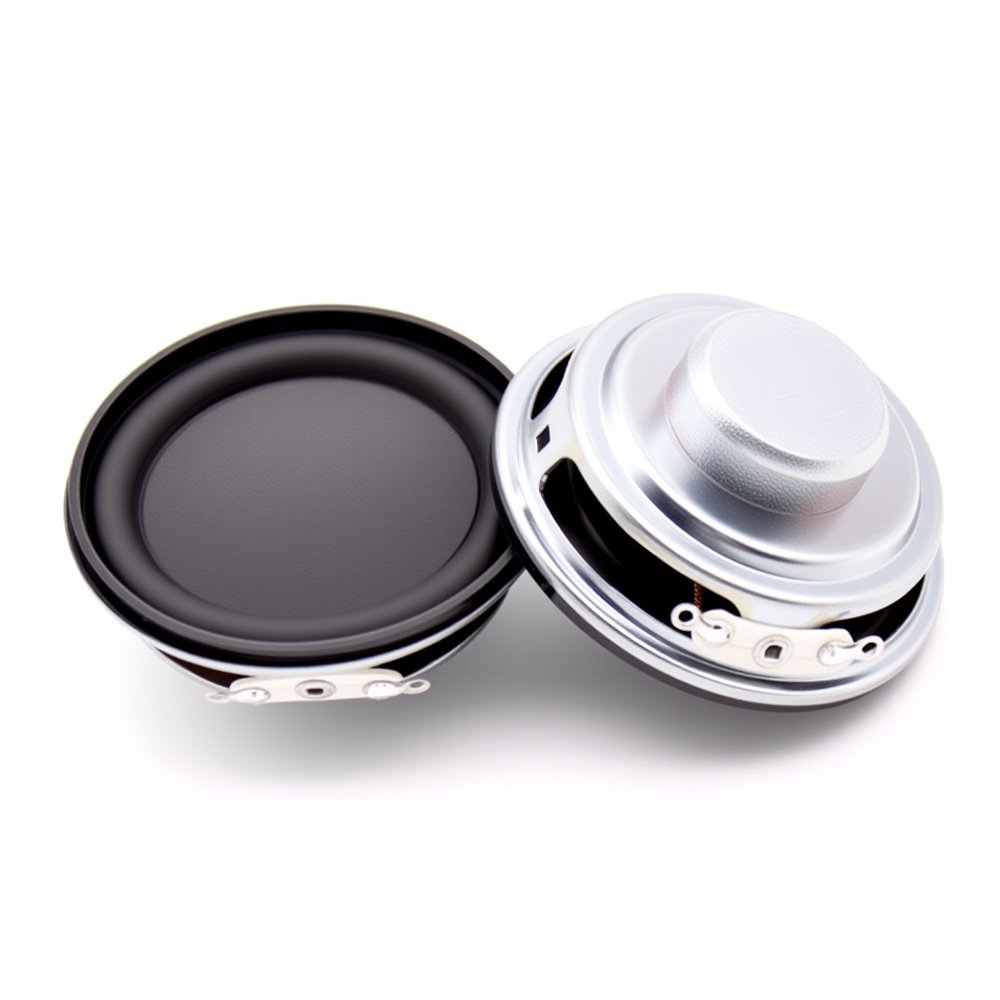
Las funciones principales y las exigencias de material de una cubierta de altavoz
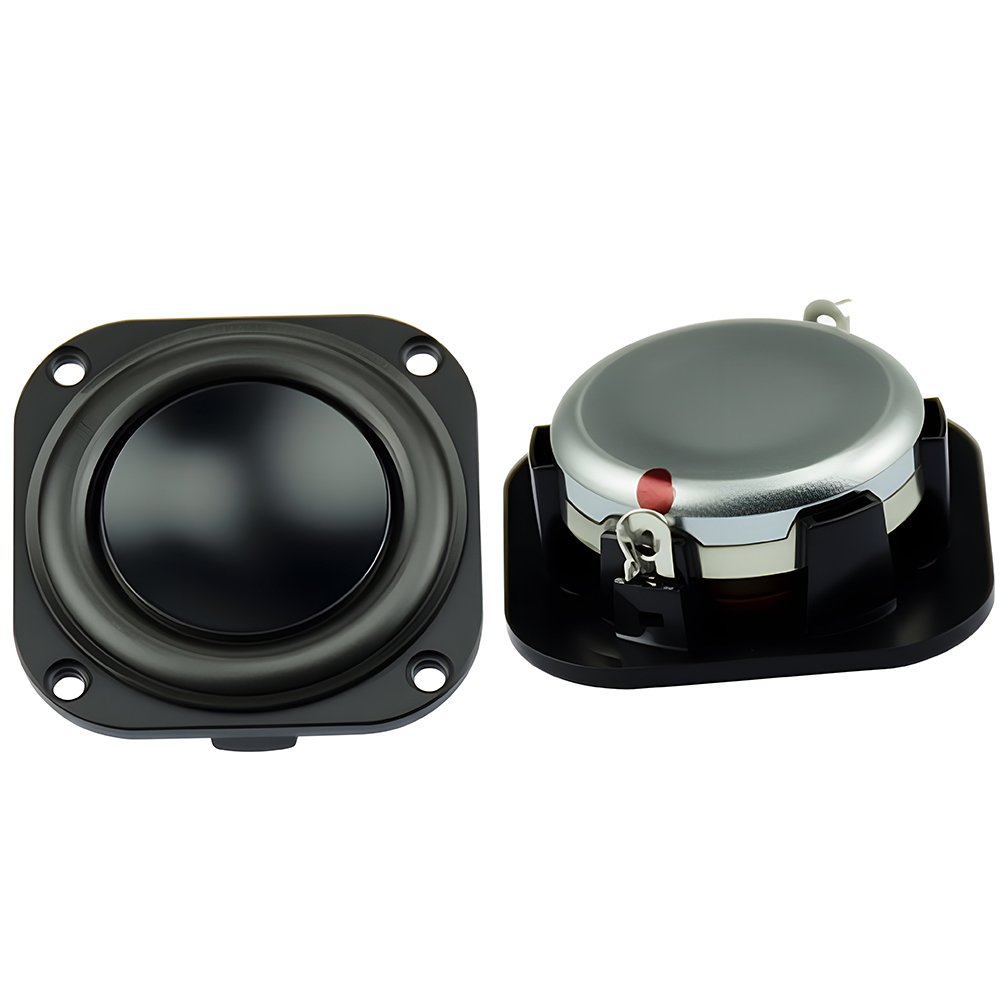
Una cubierta de altavoz debe equilibrar hábilmente varias demandas contrapuestas, cada una imponiendo requisitos específicos a su material.
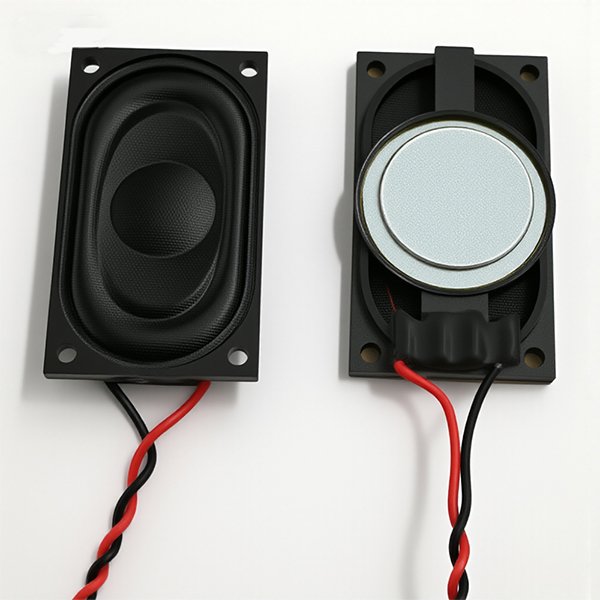
Protección primaria: La función fundamental es proteger el delicado diafragma (cono), el surround y la bobina de voz del altavoz de intrusiones físicas. Esto incluye pinchazos accidentales de dedos curiosos, impactos de objetos voladores y la acumulación de polvo y residuos, que pueden degradar la calidad del sonido y causar abrasión mecánica. Un material duradero debe tener, por lo tanto, alta resistencia a la perforación y resistencia a la tracción mientras mantiene un tejido o patrón de perforación suficientemente abierto para permitir que las ondas sonoras pasen con mínima interferencia (transparencia acústica).
Defensa ambiental: Los altavoces operan en entornos diversos. Las cubiertas pueden necesitar soportar exposición prolongada a radiación UV del sol (evitando la decoloración y la degradación del polímero), humedad y vapor de agua (resistiendo moho y corrosión), y temperaturas extremas. Los materiales deben seleccionarse por su resistencia a la intemperie: propiedades como estabilidad UV, naturaleza hidrofóbica y un amplio rango de temperatura operativa.
Rendimiento acústico: Cualquier material colocado frente a un altavoz afectará el sonido. El material ideal de la cubierta minimiza la atenuación de altas frecuencias y evita causar difracción o reflexión que coloree el audio. Esto requiere una ingeniería precisa del tejido, el tamaño de los agujeros de la malla y el patrón de perforación. Los materiales deben ser acústicamente inertes y capaces de tensarse perfectamente planos para evitar resonancias no deseadas.
Integridad estética y táctil: Más allá de la mera apariencia, el material debe resistir el pandeo, la decoloración y las manchas a lo largo de años de uso. Debe mantener su forma, color y textura, contribuyendo a la percepción premium del producto. La durabilidad aquí significa solidez del color, estabilidad dimensional, y facilidad de limpieza.
Desglose de materiales: desde lo tradicional hasta lo de alta tecnología
El mercado ofrece un espectro de materiales, cada uno con un perfil de durabilidad distinto. Comprender sus propiedades es clave para una selección informada.
| Tipo de material | Ventajas clave de durabilidad | Aplicaciones comunes y limitaciones |
|---|---|---|
| Telas tradicionales (p. ej., poliéster estándar, mezclas de lana) | Rentables, amplia variedad de colores/texturas. Generalmente buenas propiedades acústicas. | Limitaciones: A menudo carecen de resistencia a los rayos UV y la humedad. Pueden pandearse con el tiempo, mancharse fácilmente y no son ideales para entornos hostiles. Mejor para uso interior residencial. |
| Telas sintéticas técnicas (p. ej., poliéster recubierto de PVC, olefina) | Excelente resistencia a la humedad, moho y hongos. Alta resistencia a las manchas y fácil limpieza. Buena estabilidad dimensional. | Aplicaciones: Preferidas para audio marino, sistemas de megafonía portátiles, y climas húmedos. Pueden ser menos transpirables y tener una optimización acústica limitada. |
| Mallas metálicas (acero recubierto de polvo, aluminio, latón) | Resistencia superior a la perforación y al impacto. Rigidez dimensional excepcional. Crea una estética moderna e industrial. | Aplicaciones: Altavoces arquitectónicos de alta gama, Instalaciones comerciales, Espacios al aire libre. Limitaciones: Deben estar recubiertos adecuadamente para resistir la corrosión. El patrón de perforación es fundamental para el rendimiento acústico. Pueden ser más costosos. |
| Tejidos compuestos avanzados (por ejemplo, acrílicos teñidos en masa, tipo Sunbrella®) | Resistencia a los rayos UV de primera clase (resistencia al color durante más de 500 horas de prueba de desvanecimiento). Excelente repelencia al agua y resistencia al moho. Alta resistencia a la tracción con mínima elongación. | Aplicaciones: El estándar de oro para altavoces exteriores de alta gama, hotelería, y exteriores residenciales. Utilizado por marcas líderes para garantías de durabilidad de por vida. |
| Materiales especializados acústicamente transparentes (por ejemplo, tejidos específicos, sintéticos perforados) | Diseñados para tener un efecto medible casi nulo en la respuesta de frecuencia (atenuación <1 dB). A menudo combinan una buena resistencia ambiental con una neutralidad acústica perfecta. | Aplicaciones: Monitores de estudio de grabación, salas de cine en casa para escucha crítica, audio automotriz de alto rendimiento. De precio premium debido a la I+D especializada. |
Datos sintetizados de documentos técnicos de la industria, fichas técnicas de proveedores de materiales (2023-2024) e informes de pruebas de durabilidad de fabricantes de audio como Sonance, James Loudspeaker y B&W.
La tendencia se dirige decididamente hacia materiales sintéticos diseñados y teñidos en masa para aplicaciones exteriores y de alto uso, impulsada por la demanda del consumidor de productos que duren una década o más con un mantenimiento mínimo.
El costo real del fallo del material: más allá del reemplazo
Seleccionar un material inferior para ahorrar en el costo inicial conduce a un costo total de propiedad significativamente mayor y a daños en la marca.
Impacto financiero directo: Una cubierta de altavoz que se desvanece, rasga o comba en 2-3 años requiere un costoso ciclo de reemplazo, que implica no solo la nueva rejilla, sino también la mano de obra de instalación. Para integradores y clientes comerciales, esto socava la rentabilidad y la propuesta de valor del proyecto. En cambio, invertir en una cubierta hecha de un material premium, estable a los rayos UV y de alta resistencia a la tracción puede extender la vida útil funcional a más de 10 años, ofreciendo un retorno de la inversión mucho mejor.
Degradación del rendimiento y seguridad: Un tejido que se comba puede entrar en contacto con el diafragma del altavoz, causando zumbidos, distorsión y, finalmente, daños al controlador. Una malla metálica oxidada en un entorno costero puede fallar de forma catastrófica. Los materiales que emiten gases o se degradan mal con el calor pueden presentar riesgos para la calidad del aire interior o la seguridad contra incendios. La selección de materiales duraderos es una medida preventiva contra la pérdida de rendimiento y la responsabilidad.
Reputación de la marca: En la era de las redes sociales y las reseñas en línea, un producto que se deteriora visiblemente rápidamente es un lastre. Una cubierta de altavoz descolorida y manchada en un patio de lujo cuenta una historia de mala calidad. La durabilidad es un vendedor silencioso de la integridad de la marca. A partir de 2024, las encuestas de consumidores en el sector del hogar inteligente muestran que “la durabilidad y el acabado a largo plazo” es un factor de compra entre los 3 principales, superando a muchas características más llamativas.
El proceso de selección: adecuación del material al escenario de aplicación
Un proceso de selección profesional es sistemático, no arbitrario. Comienza con un cuestionario detallado de la aplicación:
- Entorno: ¿Interior o exterior? Si es exterior, ¿cuál es el clima (costero/niebla salina, alto índice UV, alta humedad, temperaturas bajo cero)?
- Contexto de uso: ¿Residencial, comercial, marino, automotriz o pro-audio? ¿Es un área de alto contacto (por ejemplo, una sala familiar, un bar)?
- Prioridad Acústica: ¿Es crítica la transparencia sonora absoluta (estudio) o la protección robusta es el objetivo principal (lugar público)?
- Visión Estética: ¿Cuál es el aspecto deseado (tejido translúcido, color llamativo, brillo metálico)? Esto debe equilibrarse con las especificaciones de durabilidad.
Por ejemplo, una casa de vacaciones costera exige un acrílico teñido en masa o una malla de acero inoxidable con recubrimiento en polvo para resistir la corrosión por aire salino. Un estudio de grabación priorizará un tejido acústicamente transparente, incluso si requiere un manejo más cuidadoso. Una sala de estar familiar podría optar por un sintético de alto rendimiento y fácil limpieza, como el tejido tratado con Crypton® o Nanotex®, para resistencia a derrames y manchas.
Innovación y durabilidad sostenible
La frontera de la ciencia de materiales está ofreciendo nuevos niveles de durabilidad sin comprometer la ética. Plásticos oceánicos reciclados se están transformando ahora en hilos de poliéster de alto rendimiento utilizados para telas de altavoces, ofreciendo excelente resistencia a los rayos UV y a la humedad con una huella ambiental reducida. Recubrimientos de nanotecnología se están aplicando a tejidos estándar, otorgándoles propiedades hidrofóbicas y oleofóbicas (repelentes de aceite) excepcionales, lo que los hace altamente resistentes a las manchas y fáciles de limpiar. Además, diseño modular está surgiendo, permitiendo reemplazar una sección dañada de una cubierta sin desechar toda la unidad, respaldado por conexiones de materiales separables y duraderas.
Estas innovaciones apuntan a un futuro donde “duradero” también significa sostenible y reparable, alineándose con los principios de la economía circular. Los principales fabricantes ahora publican evaluaciones del ciclo de vida de sus productos, siendo la elección del material la variable más significativa en el impacto ambiental.
Preguntas y respuestas profesionales: Cómo navegar la selección de materiales
P: Para un altavoz puramente exterior en un clima desértico de alta radiación UV, ¿qué propiedad del material es innegociable?
A: Estabilidad UV. Busque materiales clasificados para más de 500 horas en pruebas de fadeómetro ASTM G155/AATCC TM16 sin cambios significativos de color. Los acrílicos teñidos en solución y ciertos sintéticos recubiertos destacan aquí. Un material puede ser impermeable y resistente, pero si se decolora y vuelve quebradizo en dos años, ha fallado.
P: ¿Existe una compensación acústica medible con materiales más duraderos y gruesos?
A: Sí, pero puede minimizarse. Los tejidos más gruesos y apretados generalmente atenúan más las frecuencias altas. La métrica clave es “transparencia acústica” en todo el espectro audible (20 Hz - 20 kHz). Los materiales duraderos premium logran esto mediante microperforación láser de precisión en sustratos rígidos o patrones de tejido tensables avanzados. Siempre solicite al fabricante gráficos de respuesta en frecuencia con y sin la rejilla.
P: Vemos “resistente al agua” e “impermeable” usados indistintamente. ¿Cuál es la diferencia para cubiertas de altavoces?
A: Esta es una distinción crítica. Resistente al agua significa que el material repele la humedad ligera y se seca rápidamente (por ejemplo, un derrame de bebida, lluvia ligera). Impermeable (o repelente al agua) significa que evita la penetración de agua bajo una exposición más prolongada, a menudo logrado con una membrana laminada o recubrimiento. Para altavoces exteriores que enfrentan lluvia directa o limpieza con manguera, un material impermeable es esencial para proteger los componentes internos. Verifique si corresponde una clasificación IP (Protección de Ingreso) si corresponde.
P: ¿Son viables materiales naturales como la madera o el bambú para cubiertas personalizadas duraderas?
A: Se utilizan estéticamente, principalmente para aplicaciones interiores. Sus preocupaciones de durabilidad son inestabilidad dimensional con cambios de humedad (deformación) y falta de resistencia UV. Para longevidad, requieren climas interiores muy estables y acabados protectores. Generalmente no se recomiendan para aplicaciones de alta durabilidad o exteriores en comparación con compuestos modernos diseñados.
P: ¿Cómo puedo verificar las afirmaciones de durabilidad de un fabricante?
A: Solicite hojas de datos de pruebas específicas al proveedor del material (no solo a la marca del altavoz). Busque pruebas estandarizadas: ASTM D5034/D5035 para resistencia a la tracción, AATCC TM16 para solidez del color a la luz, AATCC TM22 para repelencia al agua, y ASTM G154 para resistencia a la intemperie QUV. Los fabricantes de buena reputación proporcionarán estos datos de ingeniería a los especificadores profesionales.