
Introducción: La intersección crucial entre el diseño y el sonido
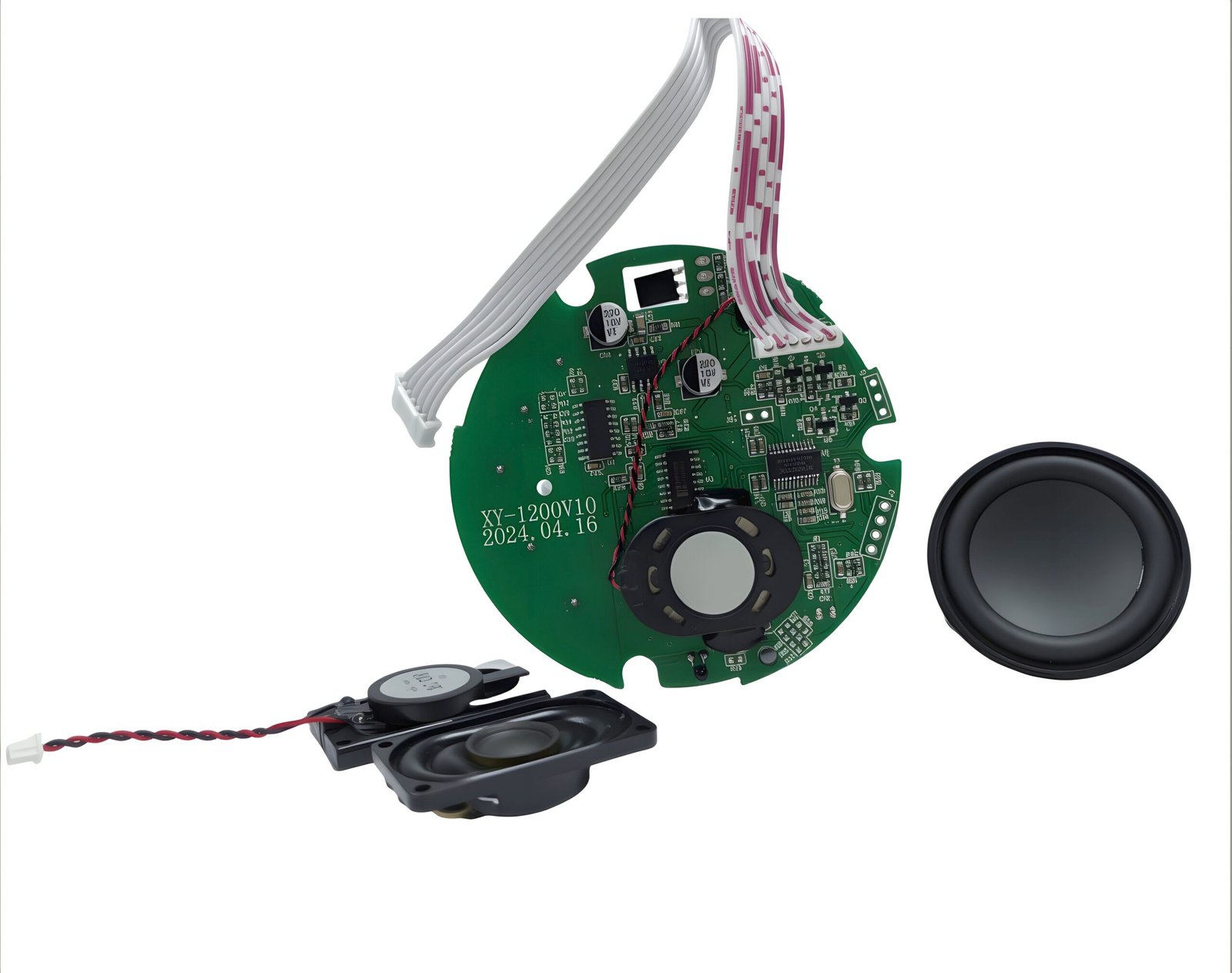
Cuando pensamos en audio de alta fidelidad, nuestra mente suele saltar a los drivers, amplificadores y procesadores de señal digital. Sin embargo, un componente a menudo pasado por alto juega un papel fundamental en lo que finalmente escuchamos: la cubierta o rejilla del altavoz. Una cubierta de altavoz personalizada no es simplemente un escudo decorativo contra el polvo; es un filtro acústico que se sitúa directamente entre el transductor y sus oídos. Una cubierta mal diseñada puede amortiguar los detalles, atenuar la dinámica y colorear el sonido, deshaciendo efectivamente la excelencia técnica del propio altavoz. Por el contrario, una cubierta diseñada con Transparencia acústica como objetivo principal puede ofrecer protección y personalización estética sin degradar perceptiblemente el rendimiento sonoro. Esta guía profundiza en los materiales, principios de diseño y técnicas de fabricación necesarios para crear cubiertas de altavoces personalizadas que sean verdaderamente transparentes al sonido.
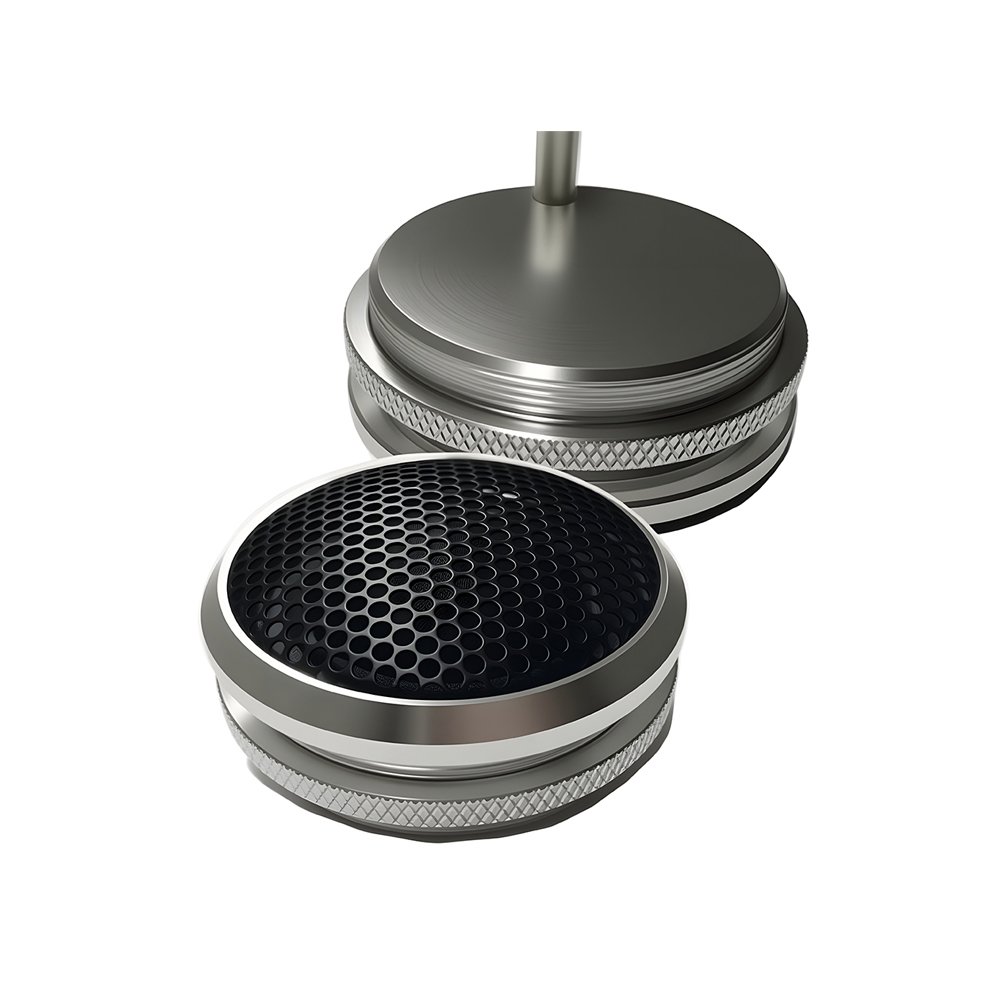
La demanda de soluciones de audio personalizadas está en aumento. Según un análisis de mercado de 2023 realizado por Grand View Research, el tamaño del mercado global de equipos de audio de alta gama se valoró en 12.1 mil millones de dólares y se espera que crezca a una tasa de crecimiento anual compuesta (CAGR) del 6.5% hasta 2030. Una parte significativa de este crecimiento está impulsada por el deseo del consumidor de un audio personalizado e integrado en el espacio vital, donde los altavoces visibles se cubren con telas que combinan con la decoración interior. El desafío y la oportunidad radican en ejecutar esta personalización sin sacrificar la calidad de audio que justifica la inversión en equipos premium.
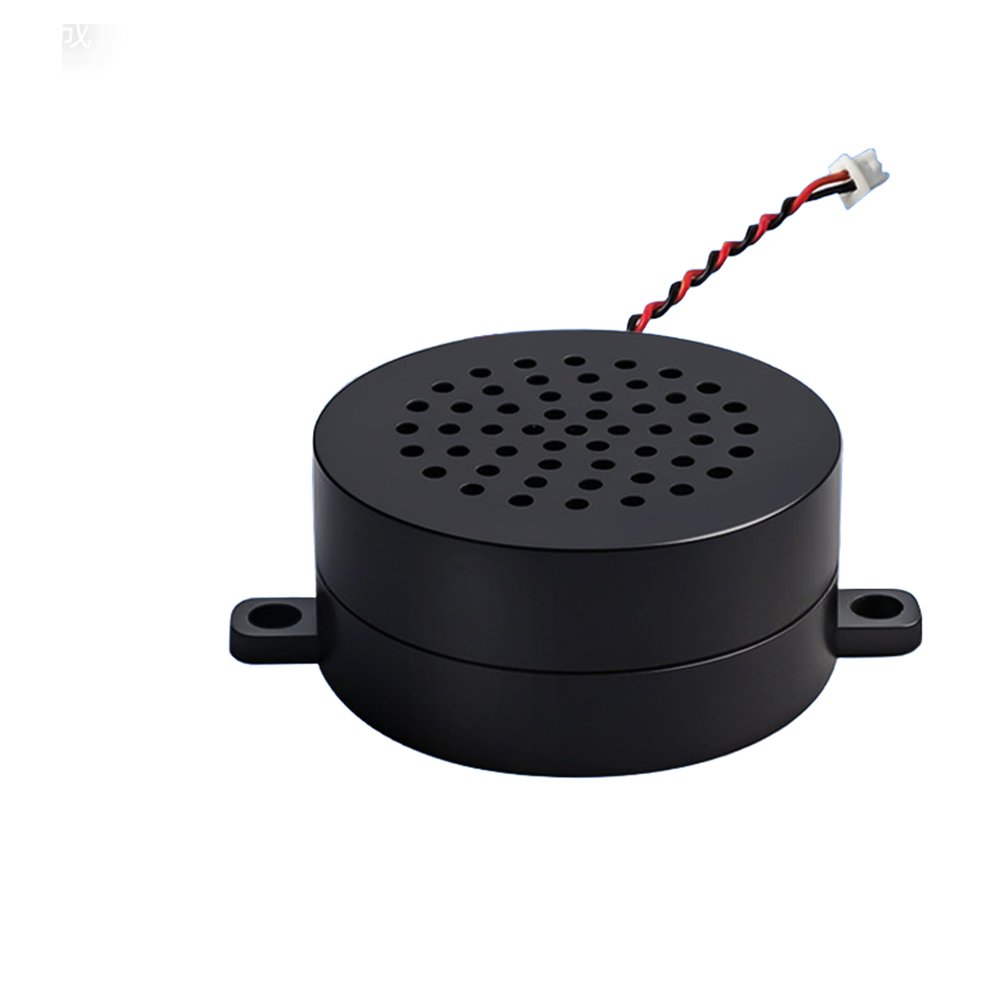
La ciencia de la transparencia acústica: Más que un simple agujero abierto
La transparencia acústica se cuantifica como la capacidad de una cubierta para permitir que las ondas sonoras pasen con una atenuación, reflexión o difusión mínimas. El objetivo es una alteración de la respuesta en frecuencia que sea insignificante, típicamente considerada como menos de ±0.5 dB en todo el espectro audible (20 Hz – 20 kHz). Lograr esto es una batalla contra la física, que involucra varios factores clave:
- Porosidad del material: Esta es la relación entre el área abierta y el área total. Una mayor porosidad generalmente significa menos obstrucción. Las telas acústicas profesionales suelen tener una porosidad del 70% o superior. El tejido o punto debe ser lo suficientemente apretado para la estética y protección, pero lo suficientemente abierto para dejar pasar el sonido sin esfuerzo.
- Impedancia acústica del material: La masa y rigidez de la tela afectan cuánta energía se absorbe o refleja. Son preferibles materiales ligeros y de baja densidad. Las telas pesadas y densas actúan como una barrera, amortiguando particularmente las altas frecuencias.
- Diseño geométrico: La forma y profundidad del marco de la cubierta importan. Una cubierta que está demasiado cerca del driver puede causar reflexiones no deseadas y filtrado de peine (cancelación de fase en ciertas frecuencias). Un marco bajo y de perfil reducido que mantenga la tela tensa a varios centímetros del driver es ideal.
- Tensión de la tela: Una tela suelta puede vibrar simpáticamente a ciertas frecuencias, creando zumbidos o traqueteos audibles y absorbiendo energía. La tela debe estar tensa como un tambor para evitar convertirse en un diafragma secundario no deseado.
Tabla 1: Materiales comunes para cubiertas de altavoces y sus propiedades acústicas
| Tipo de material | Porosidad típica | Transparencia acústica | Mejor caso de uso | Consideración clave |
| :— | :— | :— | :— | :— |
| Tela acústica profesional (ej., Guilford of Maine FR701) | >75% | Excelente | Audio doméstico de alta fidelidad, estudios | Estándar de la industria, amplia gama de colores, resistente al fuego. |
| Microtejido sintético estirado | 70-85% | Muy buena a Excelente | Instalaciones personalizadas, paneles decorativos | Excelente estiramiento, apariencia uniforme, puede ser menos duradero. |
| Tela decorativa estándar | Varía ampliamente (10-60%) | Pobre a Regular | Audio no crítico, de fondo | Elección estética primero; degradará el sonido. |
| Metal perforado (delgado) | 40-60% | Buena (con cavidad) | Audio profesional, entornos robustos | Muy duradero, pero requiere diseño cuidadoso para evitar resonancia. |
| Listones o rejillas de madera | 40-70% | Regular a Buena | Estética vintage/retro | El diseño (ancho de listón, espaciado, forma de borde) es crítico para la respuesta de altas frecuencias. |
Selección de materiales: La base de la transparencia
La elección de la tela es la decisión más importante. Como sugieren los datos en la Tabla 1, no todas las telas son iguales.
Telas acústicas profesionales: Marcas como Guilford of Maine (ahora parte de CF Stinson) y Psi Audio Fabrics son el estándar de oro. Están diseñadas específicamente para este propósito. Por ejemplo, la FR701 de Guilford es un tejido de punto 100% poliéster diseñado para tener un efecto acústico mínimo. Su patrón de punto aleatorio ayuda a descomponer y pasar las ondas sonoras de manera uniforme. Estas telas también están tratadas para resistencia a la llama (crucial para instalaciones comerciales) y a menudo se prueban acústicamente, con hojas de datos disponibles.
Especificación clave a solicitar: Al obtener material, solicite o busque sus datos de “Pérdida de inserción” Este gráfico muestra la pérdida de señal en decibelios a lo largo del espectro de frecuencias. Una línea plana cerca de 0 dB es ideal.
Telas elásticas para marcos personalizados: Para marcos de formas personalizadas (redondos, ovalados, polígonos complejos), un microtejido sintético con elasticidad en 4 direcciones (como mezclas de Spandex/Lycra) es indispensable. La magia de estos materiales radica en su capacidad para estirarse con tensión extrema sobre formas complejas, creando una superficie sin costuras ni arrugas que también es altamente porosa. Marcas como Speaker Grill Stretch Fabrics ofrecen opciones con propiedades acústicas que se acercan a las telas acústicas dedicadas.
Qué evitar:
- Materiales no porosos: Vinilo, cuero, lona estándar.
- Telas tejidas gruesas: Telas de tapicería, arpillera, fieltro. Su tejido irregular y a menudo denso causa una caída significativa de altas frecuencias y difusión.
- Tejidos sueltos: Las telas demasiado abiertas pueden no proporcionar una protección adecuada para el driver y pueden verse poco refinadas.
Diseño y Fabricación: Del Concepto a la Realidad Acústicamente Amigable
Con el material adecuado en mano, el proceso de diseño y construcción determina el éxito.
1. Diseño del Marco:
- Material: Utilice materiales rígidos y no resonantes. El tablero de fibra de densidad media (MDF), la madera dura o el aluminio son comunes. Evite los plásticos delgados y flexibles que puedan vibrar.
- Perfil: Diseñe un marco de perfil bajo y poco profundo. El objetivo es aumentar la distancia entre la tela y el driver (reduciendo la interferencia por reflexión) mientras se mantiene la cubierta general delgada. Un diseño empotrado donde la tela se asienta detrás del borde frontal del marco (un aspecto “sigiloso”) también puede ayudar a minimizar la difracción en los bordes.
- Montaje: Planifique un montaje seguro y estable. Los soportes magnéticos son populares en sistemas de alta gama, ya que permiten una extracción sin herramientas con una conexión sólida y sin vibraciones. Los clips de plástico a presión o el velcro son alternativas, pero pueden ser menos precisos.
2. Estiramiento y Fijación de la Tela:
- El Proceso: Esto requiere paciencia y la técnica adecuada. Para marcos rectangulares, comience grapando o fijando la tela en el centro de un lado, estírela firmemente hacia el lado opuesto y asegúrela, luego repita para los otros dos lados. Trabaje desde los centros hacia afuera, alternando lados, manteniendo siempre una alta tensión. Para formas complejas, puede ser necesario un marco de estiramiento o una plantilla especializada.
- Método de Fijación: Para marcos de madera/MDF, las grapas de monofilamento (invisibles) son las mejores. Para un acabado limpio, la tela se puede envolver alrededor del marco y pegar en la parte posterior. Algunos aficionados avanzados y profesionales utilizan “adhesivos termofusibles ”acústicamente transparentes" aplicados en una capa delgada para evitar que se filtren a través de la tela.
3. Pruebas e Iteración:
- La Prueba Definitiva: Sus oídos. La prueba más crítica es una comparación auditiva cuidadosa A/B con la cubierta puesta y sin ella. Escuche si hay pérdida de “aire” o brillo en los agudos (platillos, sibilancias vocales), un suavizamiento de los ataques transitorios (cuerdas pulsadas, percusión) o una pérdida de claridad en los medios.
- Medición (si es posible): Use un micrófono de medición calibrado (como un Dayton Audio iMM-6 o miniDSP UMIK-1) con software gratuito (REW – Room EQ Wizard) para medir la respuesta en frecuencia y la respuesta al impulso del altavoz con la cubierta puesta y sin ella. Superponga los gráficos. Busque diferencias, particularmente por encima de 2 kHz.
Consideraciones Avanzadas y el Futuro del Diseño de Cubiertas
Para el verdadero entusiasta, varios temas avanzados pueden elevar una cubierta de transparente a mejoradora.
Cubiertas Anguladas e Integradas con Guíaondas: En altavoces con guíaondas (como muchos drivers de compresión modernos), la cubierta se puede diseñar como una extensión de la propia guíaonda, manteniendo su geometría para asegurar una directividad adecuada en altas frecuencias. Esto requiere un modelado y fabricación 3D precisos, a menudo utilizando plástico moldeado o resina.
Materiales Híbridos: La experimentación con materiales en capas está en curso. Imagine una malla ultrafina y acústicamente transparente laminada a una tela decorativa elegida. La malla proporciona las propiedades acústicas, mientras que la capa exterior proporciona la estética. El desafío es prevenir la delaminación y gestionar la masa añadida.
Fabricación Digital y Personalización: El auge de las herramientas digitales accesibles es un cambio de juego. Los enrutadores CNC pueden fresar marcos perfectos de MDF o aluminio. Los cortadores láser pueden crear patrones perforados intrincados en metal o chapas de madera con cálculos de porosidad exactos. la impresión 3D permite la creación de estructuras de marco complejas e integradas que serían imposibles con la carpintería tradicional, permitiendo formas orgánicas y soluciones de montaje integradas. Los datos en tiempo real de la industria de la impresión 3D (Informe Wohlers 2024) muestran que la fabricación aditiva para componentes de audio de consumo es uno de los segmentos de aplicación de más rápido crecimiento, con un crecimiento interanual estimado del 22% en prototipado y piezas de uso final.
El futuro apunta hacia “Cubiertas ”Activas“ o ”Adaptativas". Con la integración de pantallas OLED ultrafinas o superficies de visualización microperforadas, una cubierta de altavoz podría algún día mostrar información u obras de arte mientras permanece acústicamente transparente. Además, el DSP (Procesamiento Digital de Señales) podría teóricamente aplicar un perfil de ecualización correctivo calibrado específicamente para la mínima firma acústica de la cubierta, logrando una neutralidad perfecta.
Conclusión
Diseñar una cubierta de altavoz personalizada que honre la integridad de su sistema de audio es una síntesis gratificante de arte, artesanía y ciencia. Comienza respetando la importancia primordial de transparencia acústica y continúa con una selección informada de materiales, un diseño mecánico reflexivo y una fabricación meticulosa. Al priorizar las pautas descritas aquí—optar por telas acústicas diseñadas, construir marcos rígidos de perfil bajo y lograr una tensión perfecta—puede crear una barrera hermosa y personalizada que desaparezca sónicamente. Al hacerlo, se asegura de que lo único que llegue a sus oídos sea la interpretación pura y sin coloración que sus altavoces fueron diseñados para ofrecer.
Preguntas y Respuestas Profesionales sobre Transparencia Acústica
P1: ¿Cómo puedo probar cuantitativamente la transparencia acústica de una muestra de tela en casa sin equipo profesional?
A: Una prueba subjetiva simple pero efectiva es la “prueba de la palmada” o “prueba de la voz”. Sostenga una sola capa de la tela tensa sobre un oído. Aplauda o hable con un volumen y timbre consistentes. Luego, haga lo mismo sin la tela. Escuche atentamente si hay algún embotamiento, amortiguación o cambio en el carácter de alta frecuencia del sonido. Una tela verdaderamente transparente no causará casi ningún cambio perceptible. Para un enfoque ligeramente más cuantitativo, use una aplicación de medidor de nivel de sonido en su teléfono inteligente. Reproduzca una pista de ruido rosa constante desde un altavoz, mida el SPL en su posición de escucha, luego coloque la tela suelta sobre el altavoz y mida nuevamente. Cualquier caída mayor de 1-2 dB sugiere una atenuación significativa.
P2: ¿Una cubierta acústicamente transparente también es “a prueba de polvo”? ¿Hay una compensación?
A: Siempre hay una compensación. La verdadera transparencia acústica requiere alta porosidad, que por definición permite el paso de partículas pequeñas. Las telas acústicas profesionales detendrán los desechos más grandes (como el pelo de mascotas), pero no bloquearán el polvo fino. Si la protección contra el polvo es una preocupación crítica (por ejemplo, en un taller), se debe hacer un compromiso. Se puede explorar un material ligeramente menos poroso o una solución de doble capa (una malla muy abierta detrás de una capa frontal ligeramente más protectora), pero debe probarse acústicamente. La mejor práctica para sistemas de alta gama en entornos limpios es usar una cubierta altamente transparente y realizar una aspiración suave ocasional de las superficies del driver con un cepillo de cerdas suaves.
P3: Con el crecimiento del IoT y los altavoces inteligentes, ¿cómo se está adaptando el diseño de las cubiertas para garantizar la transparencia de las señales Wi-Fi e inalámbricas (por ejemplo, para Bluetooth, Wi-Fi, Zigbee)?
A: Esta es una consideración emergente y crítica en el mercado de la instalación personalizada. Muchos altavoces modernos ahora albergan módulos de conectividad inalámbrica detrás de la misma rejilla. Los metales, particularmente los materiales conductores como el aluminio en los marcos o los hilos metálicos en las telas, pueden atenuar o bloquear estas señales de radiofrecuencia (RF). La respuesta de la industria es doble:
- Innovación de Materiales: Desarrollo de materiales compuestos no conductores y transparentes a RF para marcos (por ejemplo, polímeros avanzados, fibra de carbono con resinas no metálicas).
- Diseño Estratégico: Ubicación del módulo de antena inalámbrica lejos de materiales obstructivos, utilizando a veces una ventana separada y dedicada, transparente a RF, en el gabinete del altavoz. Para cubiertas personalizadas, se recomienda evitar telas o marcos de base metálica en altavoces con funciones inalámbricas críticas y probar la conectividad con la cubierta colocada durante la fase de diseño. Datos del informe de 2024 de la Alianza de Estándares de Conectividad indican que más del 30 % de los nuevos productos de audio de alta gama ahora incluyen pautas de diseño específicas para materiales de recinto transparentes a RF.