
Diseño e Ingeniería: La Base de la Excelencia Acústica
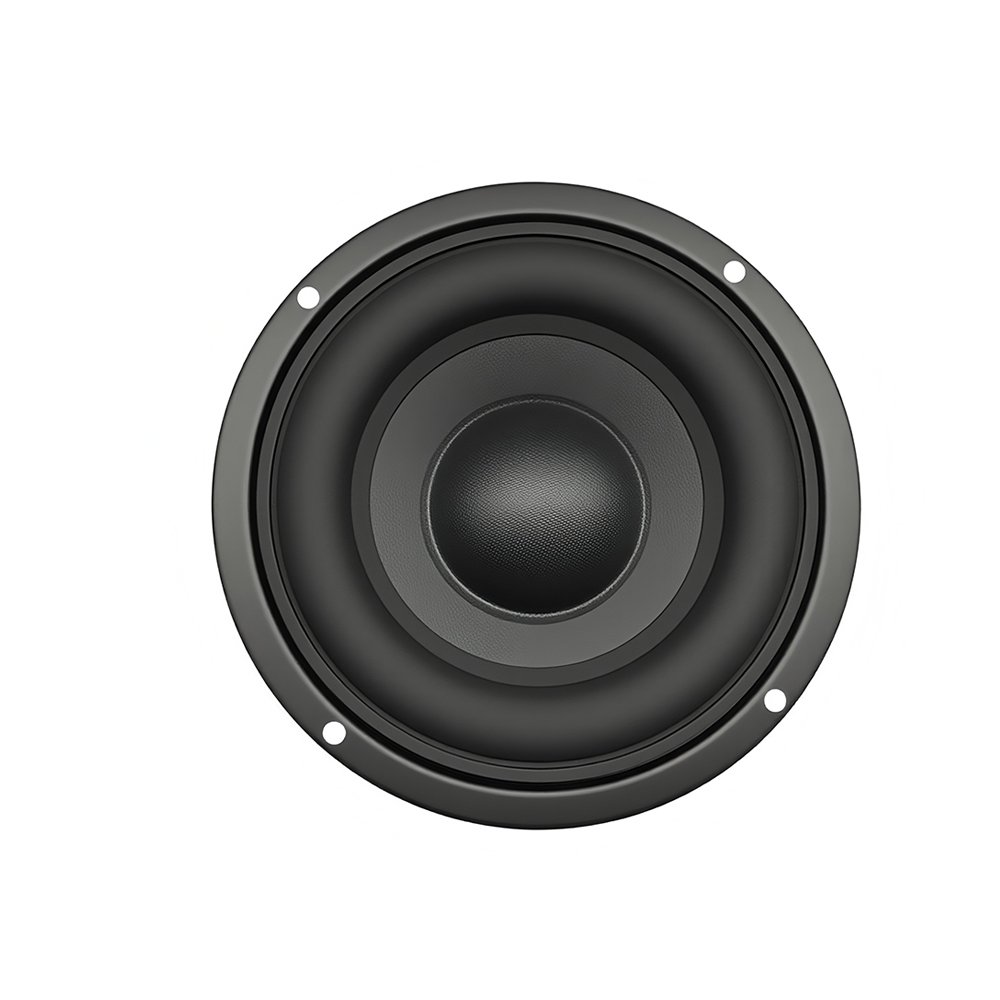
El recorrido de un altavoz comienza mucho antes de que se ensamble cualquier componente físico. En la fase de Diseño e Ingeniería , los ingenieros acústicos y diseñadores de productos traducen los requisitos conceptuales en planos precisos y fabricables. Esta etapa crítica combina objetivos artísticos de sonido con rigurosos principios científicos.
El proceso comienza con la Definición del Rendimiento Objetivo. El equipo de diseño, junto con marketing y gestión de productos, define el caso de uso previsto, el público objetivo y el precio del altavoz. ¿Es un altavoz Bluetooth compacto para exteriores, un modelo de alta fidelidad para estanterías destinado a la escucha crítica, o un potente subwoofer para cine en casa? Cada camino exige diferentes prioridades de ingeniería. Para 2024, los impulsores clave del mercado incluyen la integración de compatibilidad con Asistentes de Voz (proyectada en más del 60% de los nuevos altavoces inalámbricos) y un fuerte énfasis en opciones de materiales sostenibles.
A continuación, los ingenieros pasan al Diseño Asistido por Computadora (CAD) y Simulación. Utilizando software avanzado como COMSOL Multiphysics o ANSYS, crean modelos virtuales en 3D del recinto del altavoz, los componentes del driver y las redes de cruce. Análisis de Elementos Finitos (FEA) simula cómo vibrará el recinto y potencialmente producirá resonancias no deseadas, mientras que la Dinámica de Fluidos Computacional (CFD) modela el movimiento del aire dentro y fuera del gabinete. Estas herramientas permiten una iteración rápida: ajustar el tamaño del imán de un driver, modificar la longitud del tubo del puerto o reforzar un soporte del gabinete, todo en el ámbito digital antes de construir un solo prototipo. El auge del modelado acústico asistido por IA está acortando esta fase, prediciendo parámetros óptimos del driver y volúmenes del recinto con una precisión creciente.
La culminación de esta fase es la etapa de Prototipado y Prueba de Escucha . Mediante mecanizado CNC o impresión 3D (cada vez más con resinas de alta resolución), se producen prototipos físicos. Estos modelos “de apariencia y funcionamiento realistas” se someten a una exhaustiva medición electroacústica en una cámara anecoica para validar los datos de simulación frente al rendimiento real. Se registran métricas clave como la respuesta en frecuencia, distorsión armónica total (THD), y sensibilidad . Sin embargo, el veredicto final a menudo proviene de pruebas de escucha subjetivas realizadas por expertos entrenados con oído de oro, asegurando que el altavoz no solo mida bien, sino que también ofrezca una experiencia musical agradable. Este bucle iterativo de medir-escuchar-ajustar puede repetirse docenas de veces hasta que el diseño esté finalizado para la producción.
Abastecimiento y Fabricación de Componentes Principales
Con un diseño validado, el enfoque se desplaza a la obtención y fabricación de los componentes principales del altavoz. Esta fase es una sinfonía global de fabricación de precisión y ciencia de materiales, a menudo distribuida entre proveedores especializados.
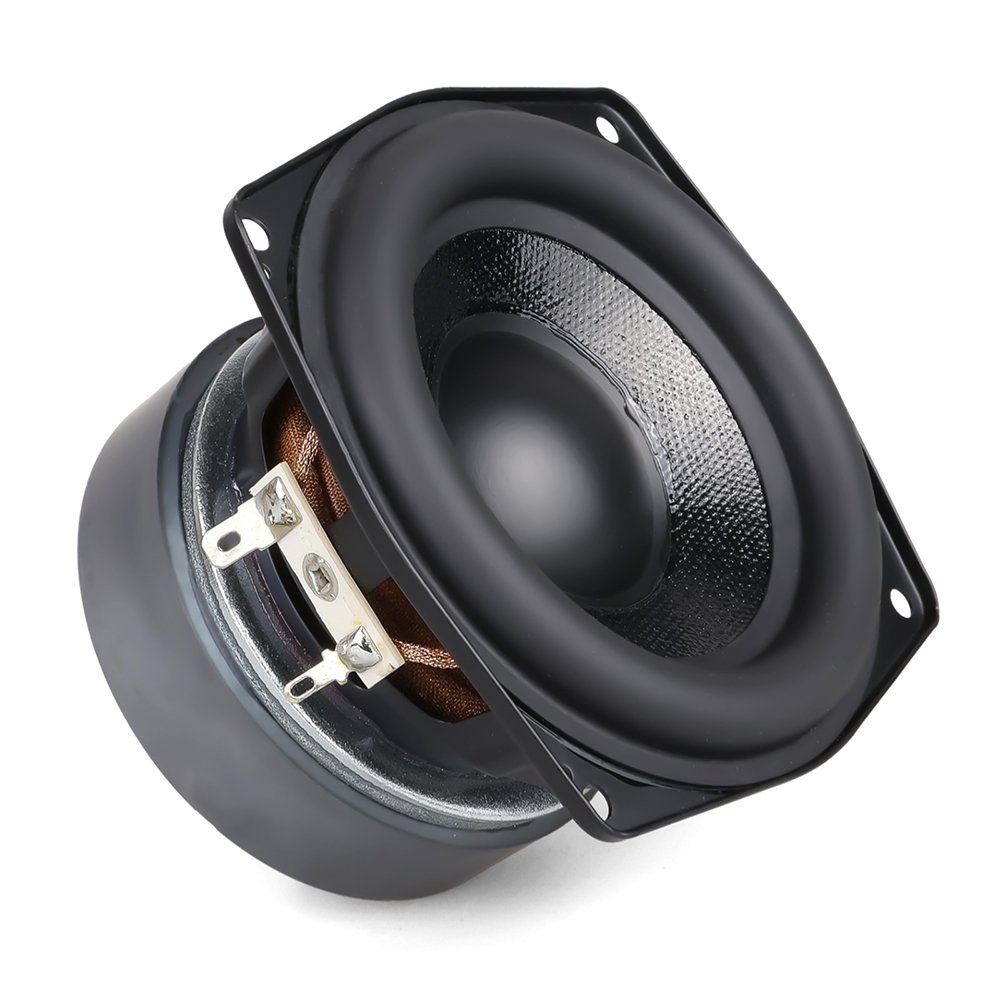
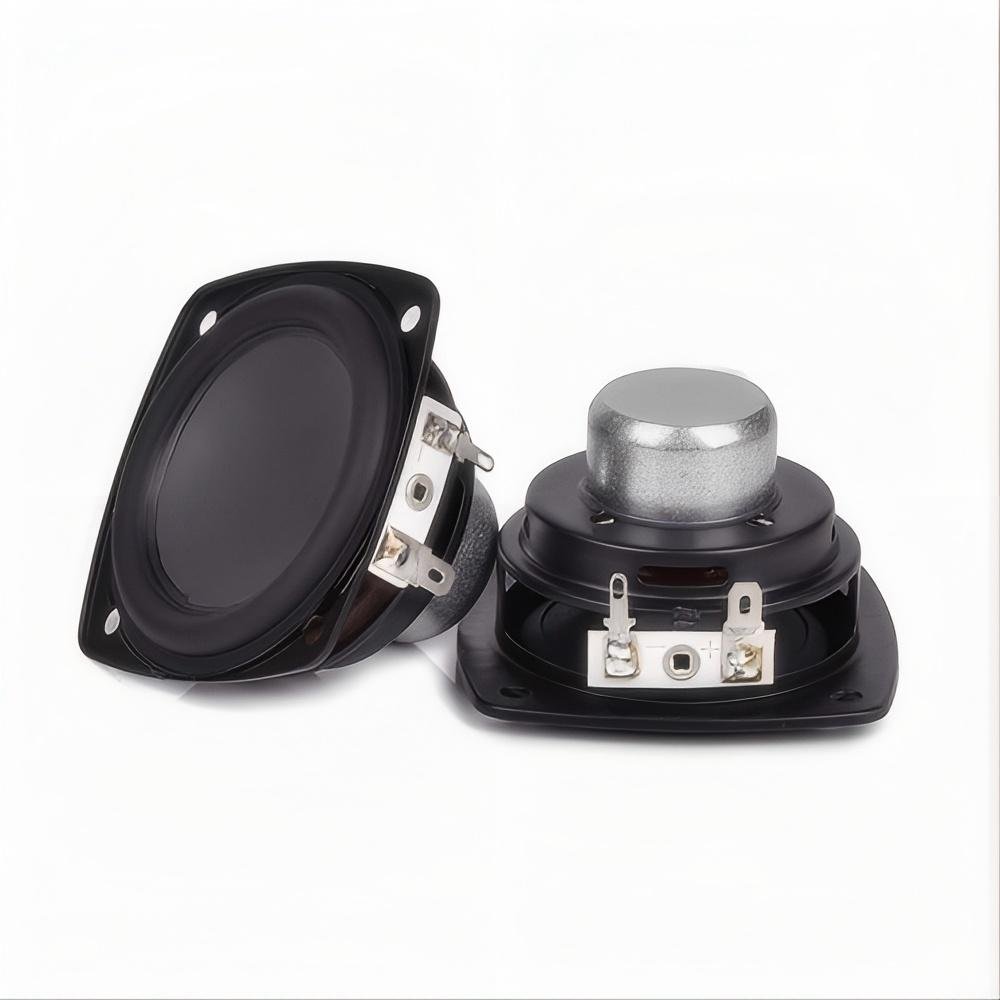
El La Producción del Driver es el corazón de la operación. Un driver dinámico típico consta de:
- La Cesta (Marco): Generalmente fundida a presión en aluminio o estampada en acero, proporcionando una estructura rígida.
- El Conjunto del Imán: Compuesto por un imán de ferrita o, en modelos de alta gama, un, imán de neodimio, una placa frontal y una pieza polar. Este conjunto crea el entrehierro magnético donde opera la bobina móvil.
- La Bobina Móvil: Un formador cilíndrico (a menudo de aluminio o Kapton) bobinado con hilo de cobre o aluminio. Esta bobina está inmersa en el campo magnético y se mueve cuando la corriente del amplificador fluye a través de ella.
- El Diafragma (Cono/Cúpula): Unido a la bobina móvil, esta es la superficie que empuja el aire para crear sonido. Los materiales van desde papel tratado, polipropileno y aluminio hasta compuestos avanzados como fibra de carbono o Berilio para tweeters. La suspensión (araña y borde exterior) proporciona la fuerza de restauración.
Cada componente se somete a un riguroso Control de Calidad (QC). Por ejemplo, las bobinas móviles se miden con láser para verificar la consistencia del bobinado, y los diafragmas se pesan y verifican en cuanto a uniformidad del material.
Simultáneamente, La Fabricación del Recinto tiene lugar. Para recintos de madera, se utiliza Tablero de Fibra de Densidad Media (MDF) de alta densidad o contrachapado de abedul, cortados con precisión mediante enrutadores controlados por computadora. Las piezas se ensamblan, pegan, sujetan y a menudo se refuerzan internamente. Las superficies se preparan para el acabado: lijado, relleno e imprimación. Para altavoces portátiles o de exterior, moldeo por inyección de policarbonato o plástico ABS es común. El diseño del molde aquí es crítico, garantizando la integridad estructural y una resonancia mínima. Una tendencia creciente es el uso de plásticos reciclados posconsumo y maderas de origen sostenible.
El Red de Cruce (Crossover) es el cerebro del altavoz. Este conjunto de condensadores, inductores y resistencias se ensambla en una placa de circuito impreso (PCB). La elección de los componentes, como condensadores de película frente a electrolíticos o inductores de núcleo de aire frente a núcleo de ferrita, impacta significativamente en la calidad del sonido y el costo. Esta placa se monta luego dentro del gabinete.
Ensamblaje, Pruebas y Aseguramiento Final de Calidad
Los componentes meticulosamente fabricados convergen en la línea de ensamblaje para la integración final. Esta etapa combina artesanía calificada con precisión automatizada.
El Proceso de Línea de Ensamblaje típicamente sigue una secuencia de manufactura esbelta:
- Preparación del Gabinete: El gabinete vacío recibe material amortiguador (como fibra de vidrio acústica o espuma) para controlar las reflexiones internas.
- Instalación de los Drivers: Los trabajadores instalan y atornillan manualmente el woofer, tweeter y otros drivers en sus aberturas precortadas, asegurando un sellado perfecto con una junta.
- Crossover y Cableado: La PCB del crossover se monta, y el cableado interno se suelda o conecta a los drivers y al terminal de conexión.
- Ensamblaje Final: El panel trasero o terminal de conexión se sella, y se colocan las rejillas, patas o elementos decorativos.
En cada estación, se realizan pruebas en línea . Una simple prueba de “golpeteo” puede verificar si hay rozamiento en la bobina de voz inmediatamente después de la instalación del driver.
El paso más crítico es la Prueba Electroacústica Final. Cada unidad de altavoz se coloca en un gabinete de prueba de control de calidad, un entorno semi-anecoico. Se conecta a un sistema de prueba que reproduce una serie de barridos de frecuencia y tonos. Los micrófonos capturan la salida, y el software compara la respuesta del altavoz con una curva de referencia dorada derivada del prototipo aprobado. El sistema marca automáticamente las unidades con anomalías como:
- Distorsión Excesiva: Indicando una bobina de voz o imán defectuoso.
- Desajuste de Capacitancia/Impedancia: Sugiriendo un componente defectuoso del crossover.
- Vibraciones o Zumbidos: Señalando una pieza suelta o residuos en el gabinete.
- Desbalance de Canales (para pares): Asegurando que los altavoces izquierdo/derecho estén emparejados dentro de una tolerancia estricta (a menudo ±0.5 dB).
Las unidades fallidas se desvían a una estación de reparación para diagnóstico y retrabajo. Un punto de referencia de la industria para 2024 en la tasa de rendimiento de primera pasada en una fábrica de buena reputación es del 92-96%. Finalmente, las unidades aprobadas se someten a un proceso de envejecimiento o burn-in, donde se reproducen a niveles moderados durante varias horas para estabilizar los componentes mecánicos (como el surround del altavoz) y detectar fallas tempranas.
Empaque, Logística y Perspectivas de la Industria
El viaje concluye preparando el altavoz para su destino final: el hogar del oyente. Diseño del Empaque es tanto una tarea de marketing como de ingeniería. La caja debe ser visualmente atractiva mientras proporciona una protección excepcional. Los insertos de pulpa moldeada o espuma de poliestireno expandido (EPS) se diseñan a medida para sostener el altavoz, superando pruebas de caída estandarizadas. pruebas de caída (por ejemplo, desde una altura de 1 metro sobre concreto). La industria se está alejando rápidamente de los plásticos de un solo uso, adoptando pulpa moldeada de cartón reciclado o bagazo de caña de azúcar.
Después del empaquetado, las unidades se paletizan y se envían a nivel mundial. Análisis de la cadena de suministro en tiempo real son cruciales aquí, optimizando rutas y niveles de inventario. El paso final es el cumplimiento con el minorista o directo al consumidor.
El panorama de producción de altavoces está en constante evolución. Los puntos de datos clave que definen 2024-2025 incluyen:
| Aspecto | Tendencia y punto de datos | Impacto en la producción |
|---|---|---|
| Materiales | >30% de aumento en el uso de materiales reciclados/biobasados (interanual). | Evaluación de nuevos proveedores; ajustes en los procesos de moldeado/conformado. |
| Automatización | Robots colaborativos (“cobots”) que manejan el 25% de las tareas de ensamblaje repetitivas. | Mayor consistencia; reducción de la tensión física en los trabajadores. |
| Conectividad | Más del 70% de los altavoces no portátiles ahora cuentan con Wi-Fi/streaming. | Integración de la programación de software y las pruebas de red en las líneas de control de calidad. |
| Sostenibilidad | El seguimiento de la huella de carbono ahora es solicitado por el 40% de los principales fabricantes de equipos originales (OEM). | Implementación del análisis completo del ciclo de vida (LCA) desde la materia prima hasta el envío. |
Preguntas y respuestas profesionales sobre la producción de altavoces
P1: ¿Cuál es el punto de fallo más común detectado durante las pruebas finales de los altavoces y cómo se aborda?
A: Los problemas más frecuentes son zumbidos o traqueteos (a menudo por una pieza de residuo suelta o una unión de pegamento ligeramente floja) y roce de la bobina de voz (donde la bobina roza contra el entrehierro del imán). En la línea, estos se identifican mediante el análisis de distorsión del conjunto de pruebas automatizado y por técnicos capacitados que realizan una breve escucha. La corrección implica abrir cuidadosamente la unidad (si está diseñada para servicio), diagnosticar la causa exacta—utilizando estetoscopios o sensores de vibración—y rectificarla, como eliminar residuos, volver a pegar o reemplazar el driver. Un robusto Análisis de Causa Raíz (RCA) se retroalimenta luego a la estación de fabricación correspondiente para prevenir la recurrencia.
P2: ¿Cómo están equilibrando los fabricantes la demanda de calidad de sonido de alta gama con la necesidad de materiales sostenibles?
A: Este es un desafío clave de ingeniería. La industria está innovando en dos frentes. Primero, en la sustitución de materiales: desarrollando diafragmas de lino, cáñamo o aleaciones de aluminio reciclado que ofrecen relaciones rigidez-peso similares a los materiales tradicionales. Segundo, en la eficiencia del proceso: utilizando IA para optimizar el diseño del driver y reducir el uso de material sin sacrificar el rendimiento, empleando adhesivos a base de agua y reduciendo el consumo de energía en la magnetización de imanes y el mecanizado CNC. El objetivo es una filosofía de diseño circular , donde los productos sean más fáciles de desmontar para su reparación o reciclaje al final de su vida útil.
P3: Con el auge del streaming y el DSP, ¿cómo ha cambiado el diseño del crossover de altavoces y el proceso de producción?
A: El cambio es profundo. Mientras que los crossovers analógicos pasivos (PCB con bobinas/condensadores) siguen siendo estándar para la mayoría del audio doméstico, Procesamiento de señales digitales (DSP) ahora es dominante en altavoces profesionales, portátiles e inalámbricos de alta gama. En producción, esto significa que el “crossover” se implementa en software. La etapa de fabricación física implica soldar un Convertidor Digital-Analógico (DAC) y un microcontrolador potente en la placa principal. La fase de prueba final ahora incluye la programación de software para cargar el firmware DSP y pruebas especializadas para verificar la precisión de los filtros digitales, la alineación temporal y cualquier conectividad con la aplicación complementaria. Esto permite una increíble flexibilidad de ajuste posterior a la producción, pero requiere protocolos de validación más complejos.