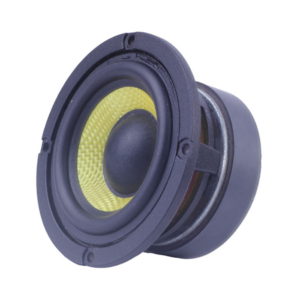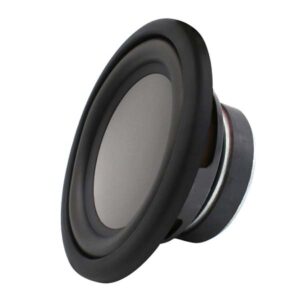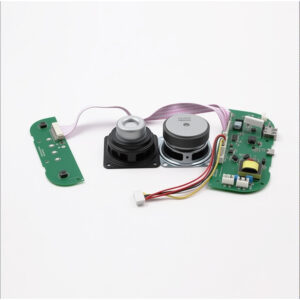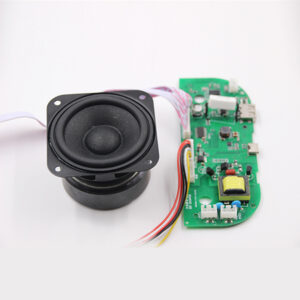
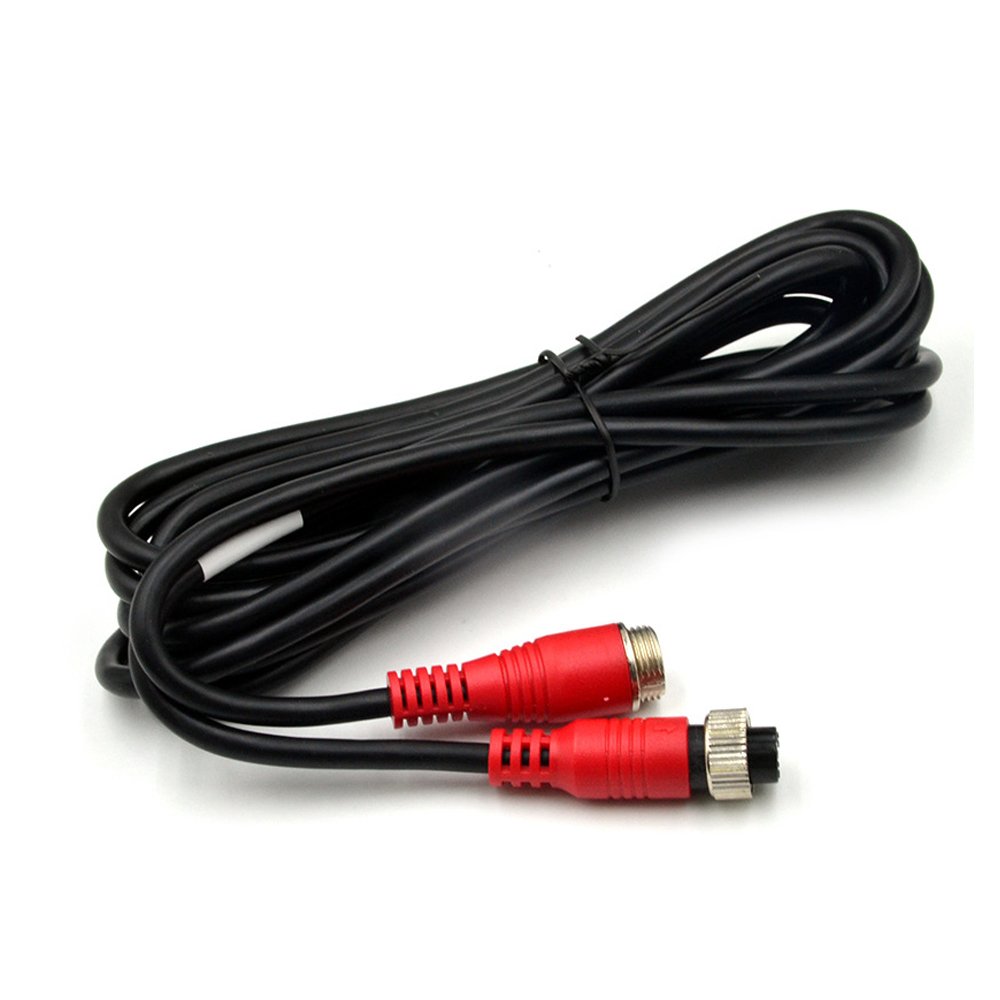
ZEH-3812 is a wire harness assembly built for industrial and robotic equipment, with the connector on the drawing and every circuit 100 % continuity- and Hi-Pot-tested before packing.
Overview
Crimp quality cannot be inspected by eye alone. A cross-section shows compaction and strand deformation; a pull test confirms the mechanical joint; a millivolt-drop test confirms the electrical one. For a compact assembly, the pull-force acceptance window is set by the wire gauge and the terminal series, and both a low and a high limit matter — an over-crimped terminal work-hardens the strands and cracks in vibration. The same logic applies to insulation: PVC is cheap and flexible but stiffens below −20 °C, while XLPE and silicone hold up in engine-bay and outdoor duty.
Crimp height, pull force and bend radius are recorded on the drawing; a harness that passes continuity but fails pull force is the most common source of intermittent field faults.
Specifications
| Model | ZEH-3812 |
|---|---|
| Product type | Custom wire harness / cable assembly |
| Conductor | AWG and strand count to drawing |
| Insulation | PVC, XLPE or silicone — to drawing |
| Connector | Molex, JST, TE or equivalent — to drawing |
| Workmanship | IPC/WHMA-A-620 Class 2 (Class 3 on request) |
| Test | 100 % continuity and Hi-Pot; first-article report |
| Customisation | Termination, dimensions, housing and tuning to your drawing |
| Compliance | RoHS 2011/65/EU and REACH; declarations with each shipment |
Design notes for industrial and robotic equipment
Industrial and robotic products need a transducer that survives dust, vibration and continuous duty rather than one that is tuned for music. A wire harness assembly in this role is mounted behind a sealed grille and driven with alert tones and speech, so the design target is intelligibility at 1 m against 70 dBA of machinery, which is a signal-to-noise problem before it is a bandwidth problem. Cable retention and connector locking matter more than sensitivity: a harness that works loose in a moving axis is the most common failure in the field.
Typical applications
- Robot and AGV alerts
- Machine status annunciation
- Access control and intercoms
- Warehouse and logistics scanners
Customisation and verification
The build is defined by your drawing rather than by a stock list. Impedance, termination, magnet grade, diaphragm material and housing are fixed at sample approval, then held by a controlled BOM so that a later order does not drift acoustically. Units are 100 % swept, sensitivity-binned where the product needs it, and packed with the test data for the lot.
FAQ
Which workmanship standard applies?
IPC/WHMA-A-620 Class 2 for commercial assemblies and Class 3 where a failure is safety-critical; the class is stated on the drawing.
Can you supply a first article?
Yes — a first-article inspection report maps every circuit, crimp height and pull-force result to the drawing before mass production.
What is the minimum bend radius?
Five times the bundle diameter for static routes and ten times where the harness moves; tighter bends crack the insulation and fatigue the strands.
Related pages
wire harness assemblies · ZEH-3817 · ZEH-3807 · OEM Electronics Manufacturer China: How to Source a One-Stop Manufactu