
В стремлении к звуковому совершенству сердцем любой высококачественной акустической системы являются динамики. Эти электроакустические механизмы — низкочастотные, высокочастотные и среднечастотные динамики — преобразуют электрические сигналы в богатые и детализированные звуковые ландшафты, определяющие Hi-Fi-опыт. Для OEM-производителей, изготовителей акустики на заказ и амбициозных DIY-энтузиастов поиск подходящих динамиков представляет собой многогранную задачу, требующую баланса между производительностью, стоимостью, надежностью и инновациями. Данное всеобъемлющее руководство поможет ориентироваться в сложной глобальной цепочке поставок, предлагая стратегическую основу для выявления, оценки и сотрудничества с идеальными поставщиками динамиков для ваших Hi-Fi-проектов.
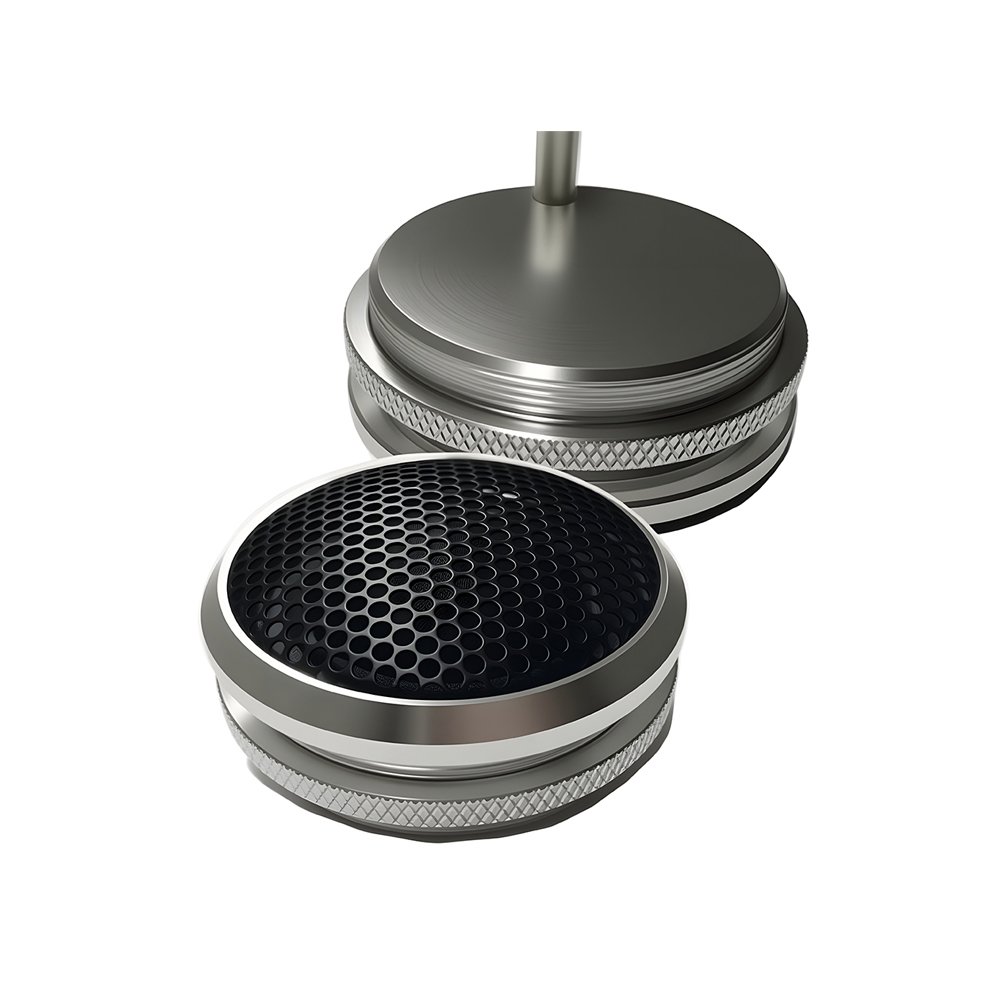
Глобальный ландшафт производства динамиков
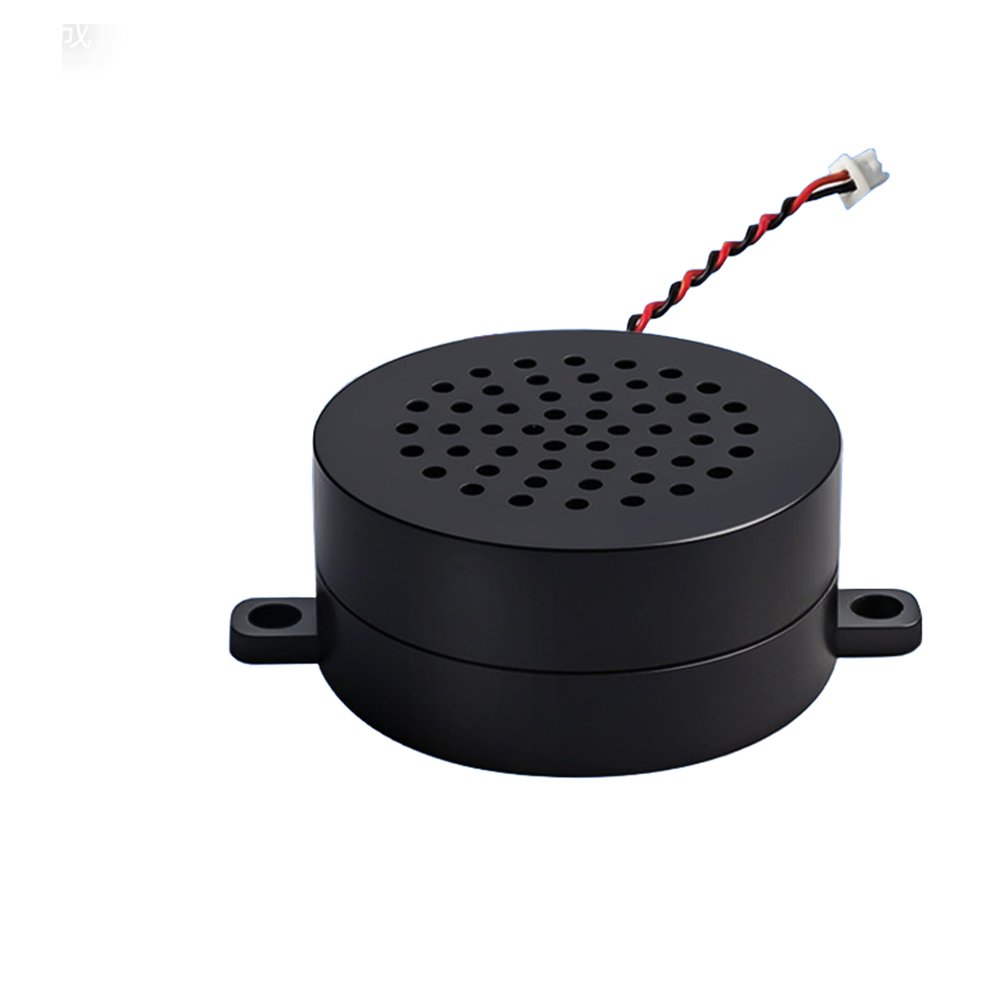
Цепочка поставок динамиков представляет собой многоуровневую глобализированную экосистему. Понимание этой географии — первый шаг к стратегическому поиску поставщиков.
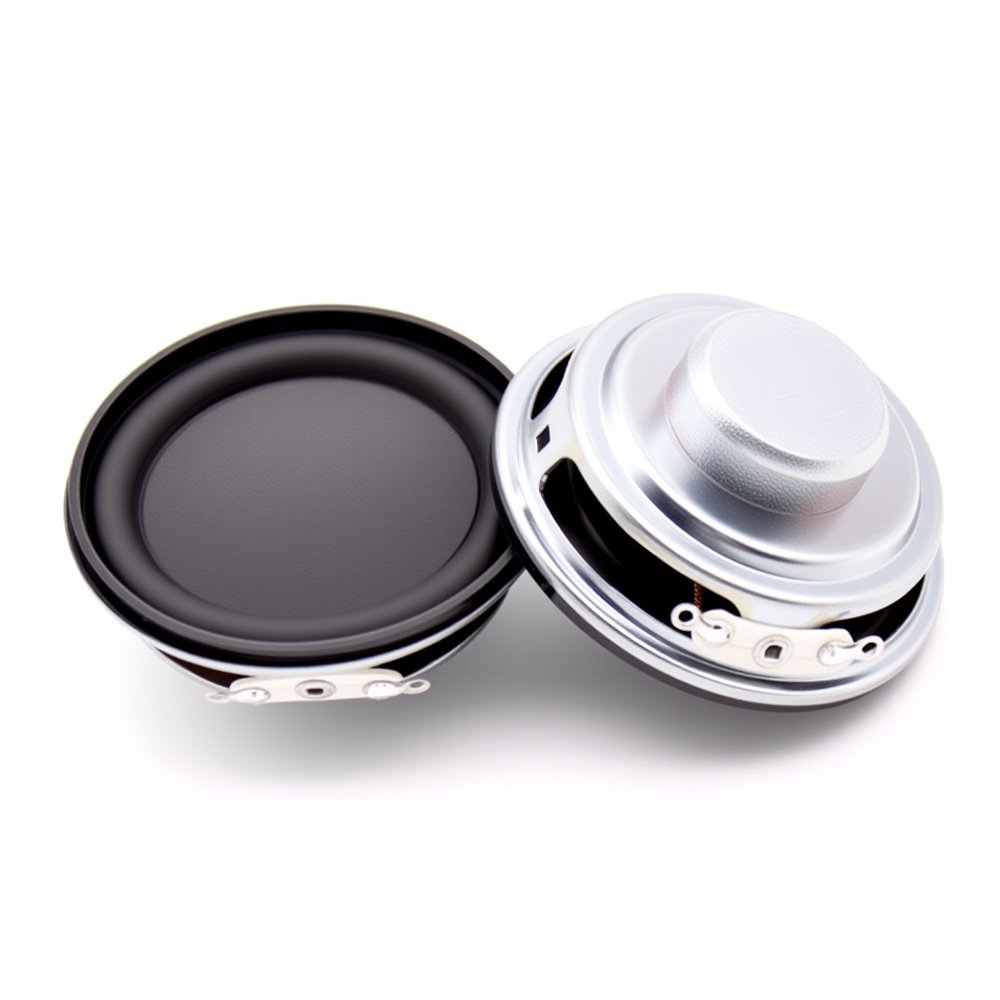
На вершине находятся устоявшиеся западные бренды (например, Scan-Speak (Дания), SEAS (Норвегия), Tymphany (владеет Peerless, Vifa и Dayton Audio (США/Китай)), Focal (Франция)). Эти компании известны пионерскими разработками в области передовых материалов (например, бериллиевые диафрагмы, конусы из магниево-силикатного полимера), инновационных магнитных систем и производством исключительно стабильных высокопроизводительных динамиков. Они ориентированы в первую очередь на рынок высококлассного DIY и люксовые аудиобренды, предлагая как готовые решения, так и значительные возможности кастомизации (OEM). Однако это сопряжено с премиальной ценой и часто более длительными сроками поставки.
Доминирующей силой в массовом производстве является Азия,, особенно Китай. Регионы, такие как дельта Жемчужной реки (Дунгуань, Чжуншань) и провинция Чжэцзян, являются ключевыми центрами. Этот сегмент рынка чрезвычайно разнообразен:
- Азиатские OEM-производители первого уровня: Это крупные, технологически сложные фабрики, часто производящие динамики для известных международных брендов по контракту. Они обладают передовыми возможностями в области НИОКР, полным набором собственного инструмента для производства корзин, магнитов и конусов, а также строгим контролем качества. К таким компаниям относятся Usher Audio (Тайвань) и некоторые специализированные фабрики в Южной Корее.
- Производители массовой продукции: Тысячи фабрик производят качественные и экономически эффективные динамики для массового потребительского аудио, домашних кинотеатров и профессионального рынка. Они преуспевают в стоимостном инжиниринге и обеспечении стабильности при больших объемах.
- Бутиковые/специализированные азиатские поставщики: Растущий сегмент небольших китайских и вьетнамских мастерских, которые специализируются на воспроизведении или инновационном развитии классических западных конструкций, предлагая высокую производительность по доступным ценам для глобального DIY-сообщества.
Развивающиеся регионы, такие как Вьетнам и Восточная Европа, набирают обороты, предлагая привлекательное сочетание более низких затрат на рабочую силу по сравнению с Китаем и растущей технической компетентности, привлекая производителей, стремящихся диверсифицировать цепочку поставок.
Таблица: Обзор профилей региональных поставщиков
| Регион/Тип | Типичные сильные стороны | Типичные особенности | Идеально подходит для |
| :— | :— | :— | :— |
| Высококлассные европейские | Пиковая производительность, инновации, престиж бренда, кастомный OEM | Наивысшая стоимость, более длительные сроки поставки, высокие минимальные объемы заказа (MOQ) для кастомных работ | Люксовые Hi-Fi-бренды, DIY без компромиссов |
| Азиатские OEM первого уровня | Отличное соотношение технологии и цены, полные возможности кастомизации, масштабируемость | Значительные MOQ, требует тщательной проверки и четкой коммуникации | Устоявшиеся бренды, масштабирующие производство, ищущие продвинутые кастомные разработки |
| Азиатские массовые производители | Исключительная экономическая эффективность, надежность при больших объемах | Меньший фокус на ультравысоких характеристиках, ограниченная кастомизация | Массовый Hi-Fi, бренды, ориентированные на ценность, начинающие проекты |
| Бутиковые/специализированные | Высокая ценность, уникальные конструкции, гибкость | Нестабильное качество, меньшая надежность малоизвестных брендов | Энтузиасты DIY, мелкосерийные бренды, прототипирование |
Ключевые категории поставщиков и методы их оценки
Не все поставщики одинаковы. Цели вашего проекта определят категорию, с которой вы будете работать.
1. Поставщики для рынка готовых решений/DIY: Такие компании, как Parts Express (Dayton Audio), Madisound, и SoundImports агрегируют динамики от различных мировых производителей (включая Tymphany, SEAS, Scan-Speak) для прямой продажи. Это идеальный вариант для прототипирования, мелких серий или DIY-проектов, где затраты на оснастку prohibitive. Критерии оценки: Широта каталога, качество технической поддержки, документация (параметры Тиля-Смолла) и стабильность наличия на складе.
2. Прямые OEM/ODM-фабрики: Прямое взаимодействие с фабрикой для разработки кастомных конструкций. Это требует значительных вложений в коммуникацию, инженерное сотрудничество (JAE – Совместная акустическая инженерия) и оснастку. Критерии оценки:
- Технические возможности: Есть ли у них собственные НИОКР, безэховые камеры, анализаторы Klippel и лазерные измерительные системы?
- Производственное мастерство: Запросите отчеты о заводском аудите (например, ISO 9001), уточните детали процесса контроля качества (например, 100% тестирование ключевых параметров, таких как Fs, Re, а также проверка на дребезг и шумы).
- Поиск материалов: Могут ли они закупать специализированные компоненты (например, неодимовые магниты, медные короткозамкнутые кольца, определенные смолы для диафрагм)?
- Защита интеллектуальной собственности: Четко прописаны в контрактах, особенно критично для инновационных конструкций.
3. Специалисты по компонентам: Некоторые поставщики преуспевают в определенных компонентах: Amphenol или JST для разъемов, 3M или Dupont для клеев, специализированные литейные заводы для алюминиевых или литых магниевых корзин. Для критически важных деталей жизненно важно закупать их напрямую или обеспечивать использование вашим основным поставщиком качественных субкомпонентов.
Использование данных в реальном времени при оценке: В 2024 году используйте данные, выходящие за рамки технических спецификаций. Применяйте платформы, такие как Panjiva или ImportYeti для анализа истории отгрузок и объемов поставщика. Проверяйте Hikvision’B2B-платформу или Alibaba.com’Паспорт поставщика‘ для получения проверенных данных аудита и транзакций. Во втором квартале 2024 года глобальные затраты на перевозки стабилизировались после пиковых значений пандемии, однако региональная напряженность указывает на необходимость учета волатильности логистики и стратегий двойного sourcing.
Ключевые технические и коммерческие критерии отбора
Выйдя за рамки географии и типа, углубитесь в следующие важнейшие фильтры:
A. Технические показатели производительности:
- Параметры Тиле-Смолла: Непреложная библия. Согласованность параметров Fs, Qts, Vas и BL имеет первостепенное значение для предсказуемого проектирования корпуса.
- Частотная характеристика и искажения: Анализируйте проверенные графики осевой и внеосевой характеристики. Изучите графики искажений (2-я и 3-я гармоники) в рабочем диапазоне. Хороший поставщик предоставляет данные, проверенные Klippel.
- Мощность и терморегулирование: Обращайте внимание на конструктивные особенности, такие как вентилируемые полюсные наконечники, медные колпачки и большие звуковые катушки. Реальные значения RMS мощности более ценны, чем пиковая музыкальная мощность.
- Качество сборки и материалы: Бумажные, полипропиленовые, алюминиевые, углеродные или керамические диффузоры? Ферритовые или неодимовые магниты? Каждый выбор материала влияет на звуковой характер, вес и стоимость.
B. Коммерческие и операционные факторы:
- Минимальный объем заказа (MOQ): Может варьироваться от 10 единиц для стандартных изделий до 10 000 для индивидуального дизайна. Понимайте многоуровневое ценообразование.
- Структура ценообразования: Цена за единицу, затраты на оснастку/NRE (неповторяющиеся инженерные работы), условия оплаты (например, 30% депозит, 70% перед отгрузкой).
- Срок поставки: От 4 недель для стандартных позиций до 20+ недель для новой индивидуальной оснастки. Примечание на текущий (2024) период: Глобальные сроки поставки улучшились, но учитывайте буфер на Китайский Новый год и возможные логистические задержки.
- Сертификаты: Соответствующие сертификаты безопасности (CE, RoHS, REACH) и качества (ISO 9001) являются базовыми требованиями.
- Политика работы с образцами: Всегда тестируйте предсерийные образцы. Ожидайте, что за них нужно платить, но надежный поставщик зачтет стоимость образцов против вашего первого крупного заказа.
Пошаговая стратегия поиска и переговоров
- Внутренняя спецификация: Определите ваши точные технические требования, целевую стоимость (стоимость спецификации материалов – BOM), годовые прогнозы объемов и допустимые допуски.
- Формирование длинного списка: Используйте B2B-платформы (Alibaba, Global Sources), отраслевые справочники (Справочник членов AES) и торговые выставки (IFA, Международная выставка аудио в Гуанчжоу) для составления списка из 15-20 потенциальных поставщиков.
- Процесс RFQ: Отправьте подробный, стандартизированный запрос котировок. Включите технические чертежи, целевые параметры T/S, желаемые материалы и запросите полные коммерческие условия.
- Отбор и проверка: Сократите список до 3–5 кандидатов на основе ответов. Проведите видеовстречи, запросите виртуальные туры по заводам и попросите рекомендации от существующих западных клиентов.
- Оценка образцов: Закажите образцы у 2–3 лучших поставщиков. Проведите тщательное внутреннее тестирование, а не просто полагайтесь на заявления. Измерьте параметры, проверьте на долговечность (длительная нагрузка по питанию, климатические циклы).
- Переговоры и заключение контракта: Ведите переговоры по общей стоимости поставки, а не только по цене за единицу. Включите ключевые пункты по: Обеспечению качества (Стандарты приемлемого уровня качества – AQL, например, 0,65% для критических дефектов), Гарантии (обычно 1–2 года на производственные дефекты) и Интеллектуальной собственности (права владения).
- Пилотный заказ: Разместите небольшую производственную партию (например, 5–10% от вашего прогноза) перед переходом на полный объем. Это проверит стабильность производства и вашу логистическую цепочку.
Снижение рисков и обеспечение долгосрочного успеха
- Обеспечение качества: Настаивайте на отчетах о предотгрузочной инспекции от третьей стороны, такой как SGS, Bureau Veritas или Intertek. Планируйте периодические личные аудиты.
- Устойчивость цепочки поставок: Постпандемическая и геополитическая ситуация делает стратегию двойного sourcing для критических компонентов (например, магнитов) разумной. Рассмотрите возможность хранения страхового запаса.
- Коммуникация и отношения: Стройте отношения не только с отделом закупок. Прямой контакт с инженерными руководителями предотвращает недопонимание. Используйте четкий, простой английский и подтверждайте все детали в письменной форме.
- Логистика и тарифы: Учитывайте Инкотермс (FOB, EXW, DAP), экспедирование грузов, импортные пошлины (например, тарифы США по разделу 301 на товары китайского происхождения, которые по состоянию на 2024 год остаются в силе для многих аудиокомпонентов) и местные налоги.
Поиск драйверов для Hi-Fi колонок сочетает в себе техническую науку, глобальную коммерцию и управление отношениями. Методично изучая рынок поставщиков, настаивая на эмпирических данных и строя партнерство на основе прозрачности и взаимного успеха, вы сможете получить базовые компоненты, которые воплотят ваше аудиовидение с точностью и надежностью.
Вопросы и ответы с профессионалами
Вопрос 1: Мы стартап, разрабатывающий высококлассную полочную акустику. Нам нужен нестандартный вуфер, но мы не можем достичь MOQ в 5000 единиц, установленного большинством азиатских заводов первого уровня. Каковы наши лучшие варианты?
А: У вас есть несколько жизнеспособных путей. Во-первых, обратитесь к небольшим мастерским в Азии, специализирующимся на низкообъемных, высокопроизводительных изделиях; их MOQ часто составляют сотни единиц. Во-вторых, рассмотрите модификацию существующей платформы от поставщика, такого как Tymphany или SEAS; их отделы OEM часто предлагают “полукастомные” опции (например, изменение покрытия конуса, пылезащитного колпачка или подвеса) с гораздо более низким MOQ, чем полная разработка с нуля. В-третьих, рассмотрите использование исключительного серийного драйвера и спроектируйте кроссовер и акустику корпуса вокруг него — это классический и уважаемый подход в Hi-Fi. Ключевой момент — быть откровенным с потенциальными поставщиками о ваших прогнозах роста, чтобы найти партнера, готового масштабироваться вместе с вами.
Вопрос 2: Насколько критичны измерения с помощью Klippel Analyzer при оценке поставщика, и какие конкретные данные следует запрашивать?
А: В 2024 году Klippel Analyzer является золотым стандартом для характеризации преобразователей и сильным индикатором серьезного поставщика. Он выводит оценку за рамки базовых параметров Тиля-Смолла. Вам следует запросить:
- Параметры большого сигнала (LPM): Это раскрывает поведение драйвера при реальной рабочей мощности, показывая компоненты искажений, сжатие мощности и нелинейные кривые Bl(x) и Kms(x). Это критически важно для прогнозирования реальной производительности.
- Данные анализатора искажений (DA): Предоставляет подробные карты гармонических и интермодуляционных искажений по частоте и экскурсии.
- Сканирование вибрационных паттернов: Визуализирует моды разрушения диафрагмы.
Запрос этих данных отделяет поставщиков с глубокими инженерными компетенциями от тех, кто просто собирает детали. Завод с системой Klippel может проактивно решать проблемы дизайна и гарантировать стабильность характеристик.
Вопрос 3: С учетом колебаний цен на неодимовые магниты и геополитических проблем с sourcing, что следует указать в конструкции драйвера для снижения будущих рисков?
А: Это важный коммерческий и конструкторский вопрос. У вас есть несколько стратегий:
- Проектирование с учетом гибкости: Работайте с поставщиком над созданием драйвера, который может соответствовать спецификациям как с неодимовыми, и так и с ферритовыми магнитными структурами. Это может потребовать небольших изменений в намотке звуковой катушки или геометрии зазора, но обеспечит проверенный запасной вариант.
- Магниты от двух источников: Укажите, что магниты должны поставляться как минимум от двух сертифицированных производителей (например, не полагаться исключительно на один регион). Некоторые поставщики уже привлекают новых производителей из Вьетнама или Африки.
- Долгосрочные ценовые соглашения: Для крупнообъёмных проектов согласуйте с поставщиком формулу ценообразования, включающую пункт о привязке к индексу сырья для редкоземельных элементов магнитов, разделяя часть рисков волатильности затрат. При планировании себестоимости в BOM сохраняйте резерв ~15–20% на колебания цен критически важного сырья в течение жизненного цикла продукта.