
오디오 완벽성을 추구하는 과정에서 하이파이 스피커 시스템의 핵심은 드라이버 유닛에 있습니다. 우퍼, 트위터, 미드레인지와 같은 이러한 전기음향 엔진은 전기 신호를 하이파이 경험을 정의하는 풍부하고 정교한 사운드스케이프로 변환합니다. OEM, 맞춤형 스피커 제조업체 및 야심 찬 DIY 애호가에게 적합한 드라이버 유닛을 소싱하는 것은 성능, 비용, 신뢰성 및 혁신의 균형을 요구하는 다면적인 중요한 과제입니다. 이 포괄적인 가이드는 복잡한 글로벌 공급망을 탐색하며, 하이파이 프로젝트에 적합한 스피커 드라이버 유닛 공급업체를 식별, 평가 및 파트너십을 구축하기 위한 전략적 프레임워크를 제공합니다.
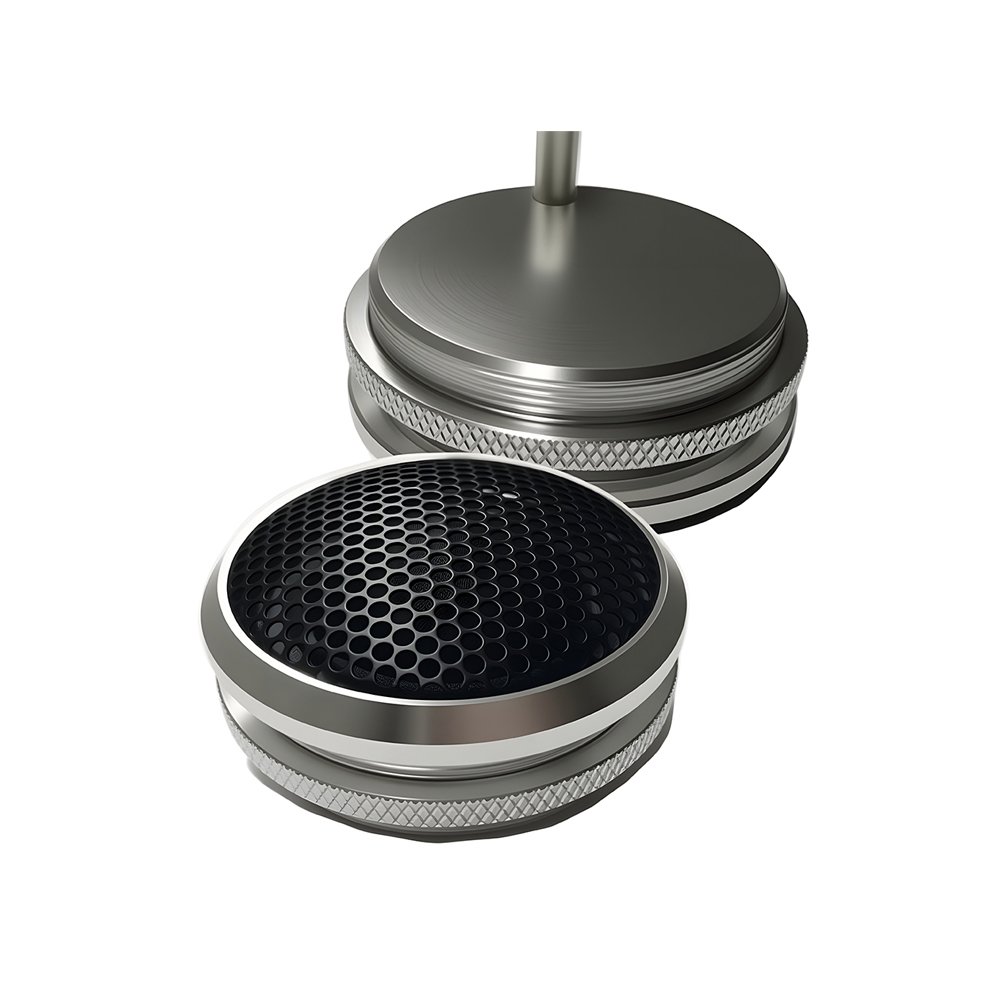
스피커 드라이버 제조의 글로벌 현황
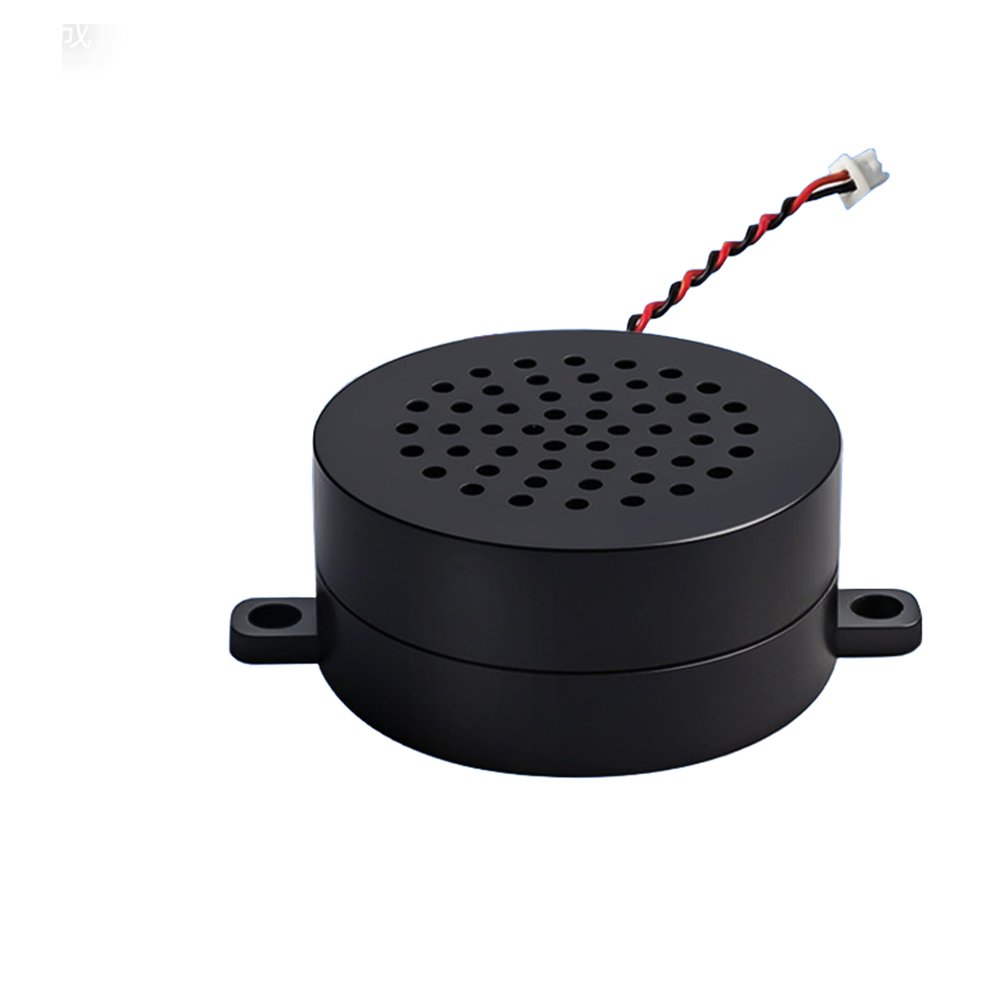
스피커 드라이버 공급망은 계층화된 글로벌 생태계입니다. 이러한 지형을 이해하는 것이 전략적 소싱의 첫 단계입니다.
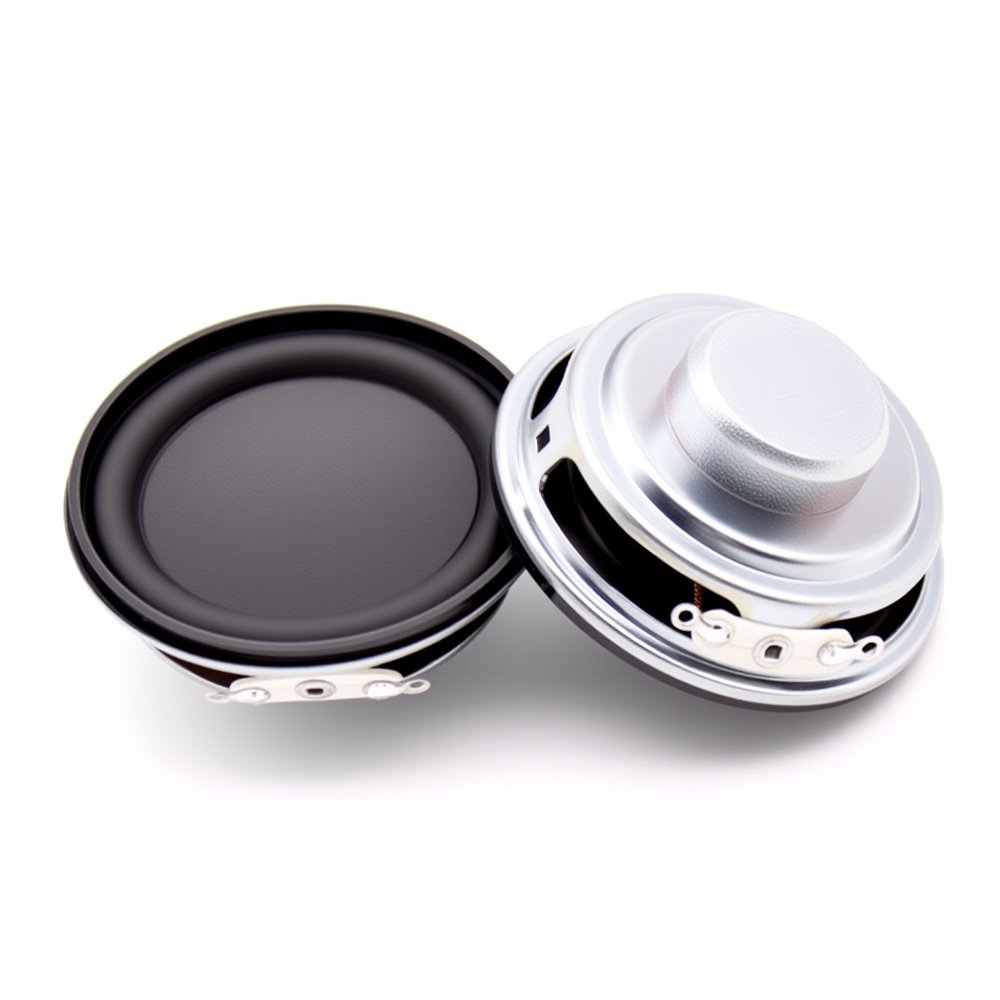
최상위에는 확립된 서양 브랜드 (예: Scan-Speak(덴마크), SEAS(노르웨이), Tymphany(Peerless, Vifa 및 Dayton Audio(미국/중국) 소유), Focal(프랑스))가 있습니다. 이들 기업은 첨단 소재(예: 베릴륨 다이어프램, 마그네슘-실리케이트-폴리머 콘)와 혁신적인 모터 구조를 개척하고, 탁월하게 일관된 고성능 유닛을 제공하는 것으로 유명합니다. 주로 하이엔드 DIY 시장과 고급 오디오 브랜드를 대상으로 하며, 기성품과 상당한 맞춤화(OEM) 서비스를 모두 제공합니다. 그러나 이는 프리미엄 가격과 종종 더 긴 리드 타임을 수반합니다.
대량 생산의 지배적인 세력은 아시아, 특히 중국입니다. 주강 삼각주(둥관, 중산)와 저장성 같은 지역이 허브 역할을 합니다. 이 시장 부문은 매우 다양합니다:
- 1계층 아시아 OEM: 이들은 종종 유명 국제 브랜드를 위해 계약 하에 드라이버를 생산하는 대규모 정교한 공장입니다. 고급 R&D 역량, 바스켓, 자석 및 콘을 위한 완전한 사내 금형, 엄격한 품질 관리를 보유하고 있습니다. Usher Audio(대만) 및 한국의 특정 전문 공장이 이 범주에 속합니다.
- 대량 제조업체: 수천 개의 공장이 주류 소비자 오디오, 홈 시어터 및 전문 시장을 위해 양호한 품질의 비용 효율적인 드라이버를 생산합니다. 이들은 가치 엔지니어링과 대량 생산 일관성에 탁월합니다.
- 부티크/전문 아시아 공급업체: 소규모 중국 및 베트남 작업장의 증가하는 부문은 이제 고전적인 서양 디자인을 복제하거나 혁신하는 데 초점을 맞추며, 접근 가능한 가격대에서 글로벌 DIY 커뮤니티에 높은 가치의 성능을 제공합니다.
신흥 지역 베트남 및 동유럽과 같은 지역은 주목을 받고 있으며, 종종 중국보다 낮은 인건비와 증가하는 기술 숙련도를 매력적으로 결합하여 공급망 다각화를 원하는 제조업체를 유치하고 있습니다.
표: 지역별 공급업체 프로필 개요
| 지역/유형 | 일반적 강점 | 일반적 고려사항 | 가장 적합한 대상 |
| :— | :— | :— | :— |
| 하이엔드 유럽 | 최고 성능, 혁신, 브랜드 명성, 맞춤 OEM | 최고 비용, 더 긴 리드 타임, 맞춤 작업 시 높은 최소 주문 수량(MOQ) | 럭셔리 하이파이 브랜드, 타협 없는 DIY |
| 1계층 아시아 OEM | 우수한 기술 대비 비용 비율, 완전 맞춤 역량, 확장성 | 상당한 MOQ, 심층 검증 및 명확한 커뮤니케이션 필요 | 생산 확장을 원하는 확립된 브랜드, 고급 맞춤 설계 추구 |
| 대량 생산 아시아 | 탁월한 비용 효율성, 대량 생산 신뢰성 | 초고급 사양에 대한 관심 부족, 제한된 맞춤화 | 주류 하이파이, 가치 중심 브랜드, 프로젝트 초보자 |
| 부티크/전문 | 높은 가치, 독특한 디자인, 유연한 운영 | 가변적 품질, 덜 알려진 브랜드 신뢰성 | 열성 DIY, 소량 브랜드, 프로토타이핑 |
주요 공급업체 유형 및 평가 방법
모든 공급업체가 동일하게 만들어지지는 않습니다. 프로젝트 목표에 따라 참여할 유형이 결정됩니다.
1. 기성품/DIY 시장 공급업체: 다음과 같은 회사 Parts Express (Dayton Audio), Madisound, 그리고 SoundImports 는 다양한 글로벌 제조업체(Tymphany, SEAS, Scan-Speak 포함)의 드라이버를 집계하여 직접 판매합니다. 이는 금형 비용이 부담스러운 프로토타이핑, 소량 배치 또는 DIY 프로젝트에 이상적입니다. 평가 기준: 카탈로그 범위, 기술 지원 품질, 문서(Thiele/Small 파라미터) 및 재고 일관성.
2. 직접 OEM/ODM 공장: 맞춤 설계를 위해 공장과 직접 계약하는 방식입니다. 이는 커뮤니케이션, 엔지니어링 협업(JAE – 공동 음향 엔지니어링) 및 금형에 상당한 투자가 필요합니다. 평가 기준:
- 기술 역량: 사내 R&D, 무향실, Klippel 분석기 및 레이저 측정 시스템을 보유하고 있습니까?
- 제조 능력: 공장 감사 보고서(예: ISO 9001)를 요청하고, QC 프로세스(예: Fs, Re 및 럽/버즈와 같은 주요 파라미터의 100% 테스트)에 대한 세부 사항을 문의하십시오.
- 자재 소싱: 특수 부품(예: 네오디뮴 자석, 구리 단락 링, 특정 다이어프램 수지)을 조달할 수 있습니까?
- IP 보호: 계약서에 명확히 명시되어야 하며, 혁신적인 디자인의 경우 특히 중요함.
3. 부품 전문 업체: 일부 공급업체는 특정 부품에 탁월함: Amphenol 또는 JST (커넥터용), 3M 또는 Dupont (접착제용), 알루미늄 또는 주조 마그네슘 바스켓 전문 주조 업체 . 중요 부품의 경우, 이를 직접 조달하거나 주 공급업체가 품질 좋은 하위 부품을 사용하도록 보장하는 것이 필수적임.. 평가 시 실시간 데이터 활용:.
2024년에는 사양서를 넘어 데이터를 활용하십시오. 다음과 같은 플랫폼을 사용하십시오: Panjiva ImportYeti 또는 를 통해 공급업체의 선적 이력과 물량을 분석하십시오. Hikvision 의 B2B 플랫폼 또는’Alibaba.com 의 'Supplier Passport'를 통해 검증된 감사 및 거래 데이터를 확인하십시오. 2024년 2분기 기준, 글로벌 운송 비용은 팬데믹 최고점에서 안정화되었으나, 지역적 긴장 상황을 고려하여 물류 변동성과 이중 조달 전략을 반영해야 함.’핵심 기술 및 상업적 선정 기준.
지리적 위치와 유형을 넘어, 다음과 같은 필수 필터를 깊이 살펴보십시오:
A. 기술 성능 지표:
Thiele/Small 파라미터:
- 절대적으로 필수적인 기준. Fs, Qts, Vas 및 BL의 일관성은 예측 가능한 인클로저 설계에 가장 중요함. 주파수 응답 및 왜곡:.
- 검증된 온축 및 오프축 응답 차트를 검토하십시오. 작동 대역 전반에 걸친 왜곡 플롯(2차 및 3차 고조파)을 분석하십시오. 우수한 공급업체는 Klippel 검증 데이터를 제공함. 전력 처리 및 열 관리:.
- 통풍구가 있는 폴 피스, 구리 캡, 대형 보이스 코일과 같은 설계 특징을 확인하십시오. 실제 RMS 전력 정격이 피크 음악 전력보다 더 가치 있음. 제작 품질 및 재료:.
- 종이, 폴리프로필렌, 알루미늄, 탄소 섬유 또는 세라믹 콘? 페라이트 또는 네오디뮴 자석? 각 재료 선택은 음향 특성, 무게 및 비용에 영향을 미침. B. 상업 및 운영 요소:.
최소 주문 수량(MOQ):
- 기성품의 경우 10개에서 맞춤 설계의 경우 10,000개까지 다양함. 단계별 가격 책정을 이해하십시오. 가격 구조:.
- 단가, 금형/NRE(비반복 엔지니어링) 비용, 지불 조건(예: 30% 선금, 70% 선적 전 지불). 리드 타임:.
- 표준 품목의 경우 4주에서 신규 맞춤 금형의 경우 20주 이상. 현재(2024년) 참고 사항:. 글로벌 리드 타임은 개선되었으나, 중국 설날 및 잠재적 물류 지연에 대비한 완충 시간을 확보하십시오. 관련 안전(CE, RoHS, REACH) 및 품질(ISO 9001) 인증은 기본 요구 사항임.
- 인증: 샘플 정책:.
- 항상 양산 전 샘플을 테스트하십시오. 비용을 지불해야 하지만, 평판이 좋은 공급업체는 첫 대량 주문 시 샘플 비용을 차감해 줌. 단계별 조달 및 협상 전략.
내부 사양:
- 정확한 기술 요구 사항, 목표 비용(BOM 비용), 연간 물량 예측 및 허용 가능한 공차를 정의하십시오. 롱리스트 작성: technical requirements, target cost (Bill of Materials – BOM cost), annual volume forecasts, and acceptable tolerances.
- Longlisting: B2B 플랫폼(Alibaba, Global Sources), 업계 디렉토리(AES 회원 디렉토리), 무역 박람회(IFA, 광저우 국제 오디오 전시회)를 활용하여 15-20개의 잠재적 공급업체 목록을 작성하십시오.
- RFQ 프로세스: 상세하고 표준화된 견적 요청서를 발송하십시오. 기술 도면, 목표 T/S 파라미터, 원하는 재료를 포함하고 전체 상업 조건을 요청하십시오.
- 후보 선정 및 심사: 응답을 바탕으로 3-5개 업체로 좁히십시오. 화상 회의를 진행하고, 가상 공장 투어를 요청하며, 기존 서양 고객의 추천서를 요청하십시오.
- 샘플 평가: 상위 2-3개 업체에서 샘플을 주문하십시오. 청취뿐만 아니라 엄격한 사내 테스트를 수행하십시오. 파라미터를 측정하고 내구성(장기 전력 소크, 기후 사이클링)을 테스트하십시오.
- 협상 및 계약: 단가뿐만 아니라 총 착륙 비용을 기준으로 협상하십시오. 다음에 대한 주요 조항을 포함하십시오: 품질 보증 (허용 품질 수준 – AQL 기준, 예: 중대 결함에 대해 0.65%), 보증 (일반적으로 제조 결함에 대해 1-2년), 및 지적 재산권 소유권.
- 파일럿 주문: 전체 물량을 확정하기 전에 소량 생산(예: 예측치의 5-10%)을 진행하십시오. 이를 통해 생산 일관성과 물류 체인을 테스트합니다.
위험 완화 및 장기적 성공 보장
- 품질 보증: SGS, Bureau Veritas 또는 Intertek과 같은 제3자로부터 선적 전 검사 보고서를 요구하십시오. 정기적인 현장 감사를 계획하십시오.. 팬데믹 이후 및 지정학적 환경으로 인해 중요 부품(예: 자석)에 대한 이중 소싱은 현명한 전략입니다. 안전 재고를 보유하는 것을 고려하십시오.
- 공급망 복원력: 커뮤니케이션 및 관계:.
- 구매 부서를 넘어 관계를 구축하십시오. 엔지니어링 책임자와의 직접 접촉은 오해를 방지합니다. 명확하고 간단한 영어를 사용하고 모든 세부 사항을 서면으로 확인하십시오. 물류 및 관세:.
- (FOB, EXW, DAP), 해상 운송, 수입 관세(예: 중국산 제품에 대한 미국 관세법 301조, 2024년 기준 많은 오디오 부품에 여전히 적용됨), 및 현지 세금. 가격 전략: Incoterms 하이파이 스피커 드라이버 소싱은 기술 과학, 글로벌 상거래 및 관계 관리의 결합입니다. 체계적으로 공급업체 환경을 탐색하고, 경험적 데이터를 고집하며, 투명성과 상호 성공에 기반한 파트너십을 구축함으로써, 충실도와 신뢰성으로 오디오 비전을 실현할 기초 부품을 확보할 수 있습니다.
Q1: 저희는 고급 북쉘프 스피커를 설계하는 스타트업입니다. 맞춤형 우퍼를 원하지만 대부분의 1티어 아시아 공장의 5000개 MOQ를 충족할 수 없습니다. 최선의 옵션은 무엇인가요?.
전문가 Q&A
몇 가지 실행 가능한 경로가 있습니다. 첫째, 저용량 고성능 유닛을 전문으로 하는 아시아의 소규모 부티크 워크숍에 접근하십시오. 이들은 종종 수백 개 단위의 MOQ를 가지고 있습니다. 둘째, Tymphany 또는 SEAS와 같은 공급업체의 기존 플랫폼을 수정하는 것을 탐색하십시오. 이들의 OEM 부서는 완전한 신규 설계보다 훨씬 낮은 MOQ로 "반맞춤형" 옵션(예: 콘 코팅, 더스트 캡 또는 서라운드 변경)을 제공하는 경우가 많습니다. 셋째, 뛰어난 기성 드라이버를 사용하고 이에 맞춰 크로스오버와 인클로저 음향을 설계하는 것을 고려하십시오. 이는 하이파이에서 고전적이고 존경받는 접근 방식입니다. 핵심은 잠재적 공급업체에게 성장 전망에 대해 투명하게 공유하여 함께 규모를 확장할 의향이 있는 파트너를 찾는 것입니다.
에이: Q2: 공급업체 평가에서 Klippel Analyzer 측정이 얼마나 중요한가요? 어떤 특정 데이터를 요청해야 하나요? 2024년 현재, Klippel Analyzer는 트랜스듀서 특성 분석의 최고 표준이며 진지한 공급업체의 강력한 지표입니다. 이는 기본 T/S 파라미터를 넘어 평가를 확장합니다. 다음을 요청해야 합니다: 대신호 파라미터(LPM): 이는 실제 작동 전력에서 드라이버의 동작을 보여주며, 왜곡 성분, 전력 압축 및 비선형 Bl(x) 및 Kms(x) 곡선을 나타냅니다. 이는 실제 성능 예측에 중요합니다. 왜곡 분석기(DA) 데이터: 주파수 및 변위에 걸친 상세한 고조파 및 상호변조 왜곡 맵을 제공합니다. 진동 패턴 스캔:.
다이어프램의 분할 진동 모드를 시각화합니다.
에이: 이 데이터를 요청하는 것은 깊은 엔지니어링 역량을 가진 공급업체와 단순히 부품을 조립하는 업체를 구분합니다. Klippel 시스템을 갖춘 공장은 설계 문제를 사전에 해결하고 성능 일관성을 보장할 수 있습니다.
- Q3: 네오디뮴 자석 가격 변동과 지정학적 소싱 우려가 있는 상황에서, 향후 위험을 완화하기 위해 드라이버 설계에 무엇을 명시해야 하나요? 이는 중요한 상업적 및 설계적 고려 사항입니다. 몇 가지 전략이 있습니다:.
- 유연성을 위한 설계: 공급업체와 협력하여 두 자석 구조 모두에서 사양에 맞게 성능을 발휘할 수 있는 드라이버를 개발하십시오. 이는 보이스 코일 권선 또는 갭 형상의 약간의 변경을 수반할 수 있지만, 입증된 대체 방안을 제공합니다.
- 이중 소싱 자석: Visualizes breakup modes in the diaphragm.
Asking for this data separates suppliers with deep engineering competency from those merely assembling parts. A factory with a Klippel system can proactively solve design issues and guarantee performance consistency.
Q3: With fluctuating neodymium magnet prices and geopolitical sourcing concerns, what should we specify in our driver design to mitigate future risk?
에이: This is a crucial commercial and design consideration. You have a few strategies:
- Design for Flexibility: Work with your supplier to develop a driver that can perform to specification with both 네오디뮴 그리고 높은 선명도, 강력한 저음, 낮은 왜곡 magnet structures. This may involve slight changes in voice coil winding or gap geometry but provides a proven fallback.
- Dual-Source Magnets: 자석은 최소 두 곳 이상의 인증된 생산업체로부터 조달되어야 함을 명시하십시오(예: 단일 지역에만 의존하지 않음). 일부 공급업체는 현재 베트남이나 아프리카의 신흥 생산업체로부터 조달하고 있습니다.
- 장기 가격 협정: 대규모 프로젝트의 경우, 공급업체와의 가격 협상 시 자석 희토류 원소에 대한 원자재 지수 조항을 포함한 가격 공식을 마련하여 비용 변동성 위험을 일부 분담하십시오. BOM 원가 계획 시, 제품 수명 주기 동안 ~15-20%의 완충분 을 주요 원자재 가격 변동에 대비하여 유지하십시오.