
オーディオの世界において、完璧への追求はしばしば微妙なディテールによって測られます。そのディテールこそが、平凡なリスニング体験と没入感のある感情的な旅を分けるものです。この違いの核心にあるのは 高音域の明瞭さ, であり、これはプレミアムオーディオ製品の特徴となる技術的成果です。スタジオモニターからハイファイヘッドホンに至るまで、高周波音(通常2,000 Hz以上)を正確に再生・識別する能力により、シンバルの繊細なきらめき、ヴァイオリンの明瞭なアーティキュレーション、ボーカリストの微妙な息遣いを聴くことが可能になります。これは単に「輝き」を加えることではなく、 原録音の完全性と空間情報を保持する ことであり、聴き手がアーティストの意図した通りに音を知覚できるようにすることです。本稿では、高音域の明瞭さの背後にある科学、技術、およびリスニング心理学を探求し、それがトップクラスのオーディオ機器にとって譲れない基準であり続ける理由を説明します。.
高周波音の科学:単なる聴覚を超えて
高周波音は、一般的に 2,000 Hzから20,000 Hz (人間の可聴上限)の範囲に及び、音色、ディテール、空間認識を定義する重要な情報を伝えます。低周波数が力と基盤を提供する一方、高周波数は 過渡応答、すなわちドラムスティックの打撃やピアノの鍵盤の打鍵のような突然の鋭い音を精密に再生する能力に貢献します。科学的には、私たちの耳はこれらの手がかりを 音源定位と雰囲気検出. に使用します。高周波波に対する両耳間のわずかな時間差と強度差は、脳が三次元空間で音をマッピングするのに役立ちます。.
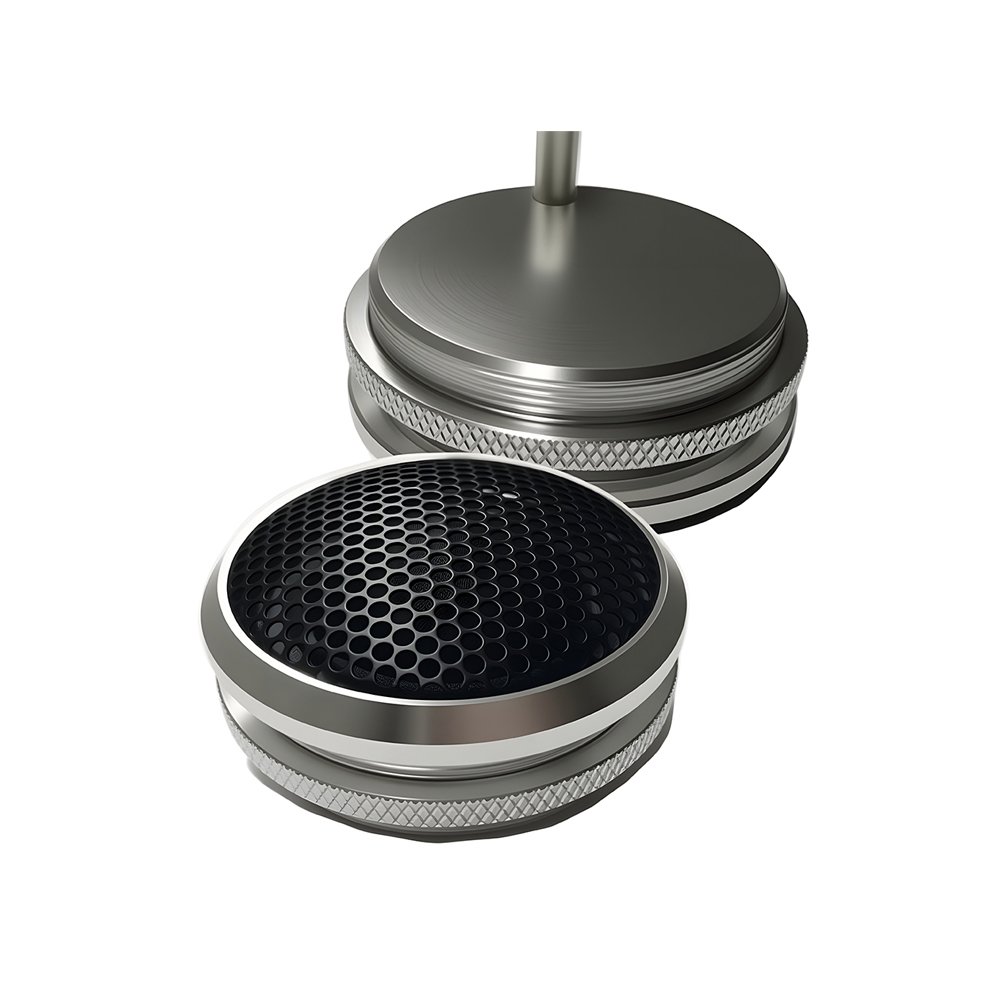
しかし、これらの周波数を正確に再生することは、非常に困難であることが知られています。高周波波形は短く速いため、歪み、減衰、干渉の影響を受けやすくなります。プレミアムオーディオ製品は、これらの課題を克服するために高度な材料と工学に投資しています。例えば、, ベリリウムまたはダイヤモンドコーティングされたツイーター は、スピーカーにおいて優れた剛性対重量比を提供し、高周波数での分割振動歪みを低減します。ヘッドホンでは、, 平面磁界型または静電型ドライバー が従来のダイナミックドライバーよりも速い応答時間を達成でき、よりクリーンな高域再生をもたらします。2023年のAudio Engineering Society(AES)の報告書によれば、40 kHz(人間の可聴範囲を超える)までの拡張されたフラットな周波数応答を強調する製品は、可聴範囲において 相互変調歪みが測定可能なほど低く 、その結果、より自然で疲労の少ないリスニング体験を提供します。.
表:プレミアムオーディオにおける主要な高域性能指標(2024年ベンチマークデータ)
| 指標 | 説明 | 業界標準(プレミアムクラス) | リスニング体験への影響 |
|---|---|---|---|
| 周波数応答拡張 | 再生可能な周波数の範囲 | 20 Hz – 40 kHz(±1 dB) | 知覚される明瞭さに影響を与える超音波高調波を含む、全スペクトル範囲を保証します。. |
| 10 kHzにおける全高調波歪み(THD) | 高周波数で付加される歪み | 1 mWで<0.1% | 歪みが低いほど、純粋なトーンとリスニング疲労の軽減を意味します。. |
| 過渡応答(立ち上がり時間) | ドライバーが起動/停止できる速度 | 50マイクロ秒未満 | 応答が速いほど、鋭いアタック(例:撥弦)をよりリアルに捉えます。. |
| 信号対雑音比(SNR) | 所望の信号と背景雑音の比率 | >120 dB(DAC/アンプ) | SNRが高いほど、ノイズにマスクされることなく微細なディテールを明らかにします。. |
| インパルス応答減衰 | 信号後にドライバーが落ち着くまでの時間 | 0.1 ms以内に95%減衰 | クリーンな減衰は、急速に連続する音符の「にじみ」を防ぎます。. |
データはAudio Science ReviewおよびInnerFidelity(2023-2024年)による独立したテストから収集されました。.
エンジニアリングの卓越性:プレミアム製品が比類のない明瞭さを達成する方法
例外的な高音域の明瞭さを達成することは、 トランスデューサー設計、材料科学、デジタル信号処理(DSP). スピーカーにおいて、ツイーター周辺の導波管形状は分散を緻密に制御し、広いリスニングエリア全体で一貫した高域再生を実現します。例えば、 KEFのUni-QドライバーアレイやBang & Olufsenのアコースティックレンズ技術は、, 中域と高域のドライバーを統合し、コヒーレントな点音源として機能させるアプローチを先駆け、位相整合とステレオイメージングを大幅に改善しました。.
ヘッドホンやインイヤーモニター(IEM)の分野では、 ハイブリッドドライバーシステム—低域用のダイナミックドライバーと高域用のバランスドアーマチュアまたは静電ドライバーを組み合わせる方式—がプレミアムスタンダードとなっています。これらの専用高域ドライバーは、大型低域ドライバーに影響を与える慣性に妨げられることなく、複雑なディテールを再現することに優れています。さらに、, ハイレゾリューションオーディオ対応 (例:24bit/192kHz以上)のDACやアンプにより、現代の録音に含まれる高域成分が圧縮や不適切なデジタル-アナログ変換によって失われることを防ぎます。.
かつて品質を妥協すると批判されたワイヤレスオーディオも、目覚ましい進歩を遂げています。. LDAC、aptX Lossless、LHDCなどのコーデックは、 現在、高域情報を効果的に伝送するのに十分なビットレートをサポートしています。最新の ブルートゥース5.3 規格はさらにレイテンシーとパケットロスを低減し、同期と明瞭性の維持に不可欠です。ストリーミングサービスのリアルタイムデータによると、 オーディオファイルによる音楽ストリームの35%以上が現在ハイレゾフォーマットであり、 (Qobuz、Tidalの2024年データ)、これらのディテールを解像できる機器への需要を促進しています。.
リスニング体験:感情を触発する触媒としての明瞭性
スペックを超えて、高域の明瞭性は 感情的な没入感とリスニング疲労. に大きな影響を与えます。適切に再生された高域は音楽に空気感と開放感をもたらし、楽器がサウンドステージ内で明確な空間を占めることを可能にします。この明瞭性は、ミックス内の微妙なレイヤー—ボーカルトラックのかすかな残響、ギター弦の繊細な指滑り—を明らかにし、性能の低いシステムではこれらが不明瞭になります。.
対照的に、, 不適切な高域応答は、 しばしば歯擦音(耳障りな「s」音)、金属的な音色、または「ベールがかかった」ようなオーディオ感覚を引き起こします。歪んだ高域への長時間の曝露はリスニング疲労の一般的な原因であり、ユーザーは音量を下げ、没入感を失うことになります。音響心理学の研究では、リスナーは一貫して 拡張され滑らかな高域応答を「プレミアム」品質と関連付け、, 価格が要素ではないブラインドテストにおいても同様です。この知覚バイアスは、メーカーが明瞭性を優先する理由を強調しています。それは即座に認識でき、知覚される価値に直接結びつくからです。.
2024年の市場動向と消費者期待
プレミアムオーディオ市場は、ますます 鑑識眼と技術リテラシー. によって牽引されています。消費者はより情報通になり、購入前に詳細なレビュー、周波数応答グラフ、独立した測定結果を参考にしています。Consumer Technology Associationによる2024年の調査では、 “「詳細なサウンド」と「明瞭性」が「低域のインパクト」よりも上位にランクされ、” オーディオ機器に300ドル以上を費やす購入者の間で顕著です。この変化により、ブランドは透明性を採用するようになり、 Sennheiser、Audeze、Focalなどの企業は、 フラッグシップモデルの包括的な性能データを公開しています。.
さらに、 空間オーディオおよび3Dオーディオフォーマット (Dolby Atmos Musicなど)の統合により、高域精度の重要性が高まっています。これらのフォーマットは正確な垂直・水平定位手がかりに依存しており、その多くは高域成分によって伝達されます。高域の明瞭性に優れた製品は、より説得力のある没入型の空間オーディオ体験を提供し、今日のマルチメディア環境における重要なセールスポイントとなっています。.
将来の方向性:20kHzを超えて、適応的忠実度へ
高周波オーディオの最前線は、人間の可聴範囲の限界を超えて拡大しています。 日本音響学会(2023年)の研究 は、超音波周波数(20kHz以上)が、微妙な音響心理効果を通じて知覚される空気感や空間的リアリズムに影響を与える可能性を示唆しています。議論の余地はあるものの、これは “「超高解像度」オーディオ製品 を生み出し、768kHzやDSD512までのサンプルレートをサポートしています。.
さらに、, AI駆動のパーソナライゼーション も登場しています。Sonyの360 Reality AudioやAppleのAdaptive EQなどのシステムは、リスナー固有の聴覚プロファイルを使用して高域応答を調整し、加齢性難聴(老人性難聴)や個人の感度を補正します。この適応的アプローチにより、各ユーザーに対して明瞭性が最適化され、プレミアムオーディオがより包括的かつ効果的になります。.
結論として、高音域の明瞭性は単なる技術的なチェック項目ではなく、プレミアムオーディオ製品を定義する忠実度の本質です。それは科学的革新と芸術的表現の間のギャップを埋め、リスニングを受動的な活動から喚起力のある体験へと変えます。技術が進歩するにつれて、完璧な明瞭性の追求は業界を駆動し続け、細部にこそ音の真実があることを私たちに思い出させます。.
プロフェッショナルQ&A:オーディオにおける高域の明瞭性
Q1: 人間が聞こえない周波数であるにもかかわらず、一部の高級ヘッドホンが20kHzを超える周波数応答を実現するのはなぜですか?
A: 成人の基本的な可聴範囲は通常16~18kHzが上限ですが、超音波域への拡張は可聴スペクトル内の性能を向上させることができます。20kHz以上の周波数を処理することで、ドライバーは可聴高域(20kHzまで)において低歪みと優れた位相コヒーレンスを実現します。さらに、一部の研究では、超音波高調波が意識的に聞こえなくても、録音の「空気感」や空間感覚に寄与する可能性があることが示唆されています。.
Q2: 高域の明瞭性は、スピーカーの配置や室内音響とどのように関係しますか?
A: 高域は指向性が高く、表面によって容易に吸収または反射されます。不適切な室内音響(例:裸の壁、硬い床)は、高域でのコムフィルター効果や過度の残響を引き起こし、明瞭性を損なう可能性があります。プレミアムオーディオシステムには、多くの場合、Dirac LiveやAudysseyなどのキャリブレーションツールが付属しており、室内起因の異常を測定・補正し、リスニング環境で高域の明瞭性が維持されることを保証します。.
Q3: 高域の明瞭性には、AACやSBCなどのワイヤレスオーディオコーデックで十分ですか、それともロスレスが必要ですか?
A: 従来のSBCやAACコーデックでさえ、15kHz以上の周波数を減衰または歪ませる圧縮を適用します。訓練されたリスナーによるA/Bテストでは可聴ですが、現代のロスレスまたは高ビットレートコーデック(aptX Lossless、LDAC、Apple Losslessなど)は全周波数帯域のコンテンツを保持します。クリティカルリスニングにはロスレス伝送が推奨されますが、トランスデューサー自体の品質が最も重要な要素であり続けます。.
Q4: 高域の明瞭性は、ソフトウェアやEQによって改善できますか、それともハードウェアの変更が必要ですか?
A: パラメトリックEQによる高域のブーストは可能ですが、ドライバーの歪み、過渡応答の劣化、共振ピークといったハードウェアの限界を補うことはできません。過度なEQブーストは歪みや位相の問題を引き起こす可能性もあります。真の明瞭度向上には、それらの周波数をクリーンに再生できるハードウェアが必要です。ソフトウェアは基本的なドライバーの能力を最適化することはできても、創造することはできません。.
Q5: 高域の明瞭度におけるサンプルレートとビット深度の役割は何ですか?
A: より高いサンプルレート(例:96kHzや192kHz)は、サンプルレートの半分(ナイキスト定理)までの周波数を正確に再現可能にし、エイリアシングを低減し、より緩やかなアンチエイリアシングフィルタを可能にします。これにより、よりクリーンな高域の減衰が得られます。ビット深度(24ビット対16ビット)は主にダイナミックレンジと低レベルのディテール再現性に影響し、リバーテールや倍音の質感といった微細な高域情報の知覚に影響を与える可能性があります。.
Q6: オーディオ製品を試聴する際、高域の明瞭度はどのように評価すればよいですか?
A: アコースティックギター、ジャズのシンバル、クラシックの弦楽器、女性ボーカルなど、複雑な高域成分を含むトラックを聴いてください。ディテールの再現性(ピックが弦に当たる音が聞こえるか)、耳障りな音や歯擦音の有無、楽器周辺の空気感や空間表現に注目してください。よく知っているリファレンストラックとのA/B比較は非常に有効です。さらに、信頼できるレビュアーによるスピノラマや周波数特性グラフを参照し、高域の直線性や歪みに関する客観的データを確認することも推奨します。.