
グローバルな音響機器業界において、高品質なスピーカーを調達するか、スピーカーブランドを構築するかは、重要な判断を必要とします。それは、メーカーと直接取引を行うべきか、それとも調達エージェントを活用すべきかという選択です。この選択は、コストや品質管理から、拡張性、リスク管理に至るまで、あらゆる側面に影響を及ぼします。新興のオーディオブランド、電機メーカーの調達担当者、スマートスピーカー市場に参入する起業家のいずれであっても、サプライチェーンを最適化するためには、各アプローチの微妙な違いを理解することが不可欠です。スピーカー製造の状況は広大であり、世界の生産量の70%以上を中国が占め、ベトナム、マレーシア、東欧などの新興拠点がそれに続く形で、アジアに大きく集中しています。この地理的な集中は、物流、コミュニケーション、文化的な適合性に関して、複雑さの層を追加します。直接取引と仲介業者の利用の判断は、単なる取引上のものではなく、戦略的なものであり、製品の市場での viability、利益率、そして長期的な事業の回復力に影響を与えます。.
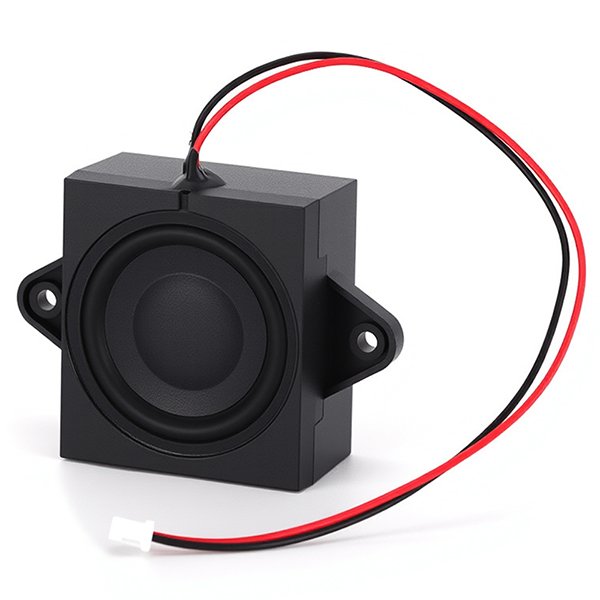
二つのモデルの理解:中核機能と業務内容
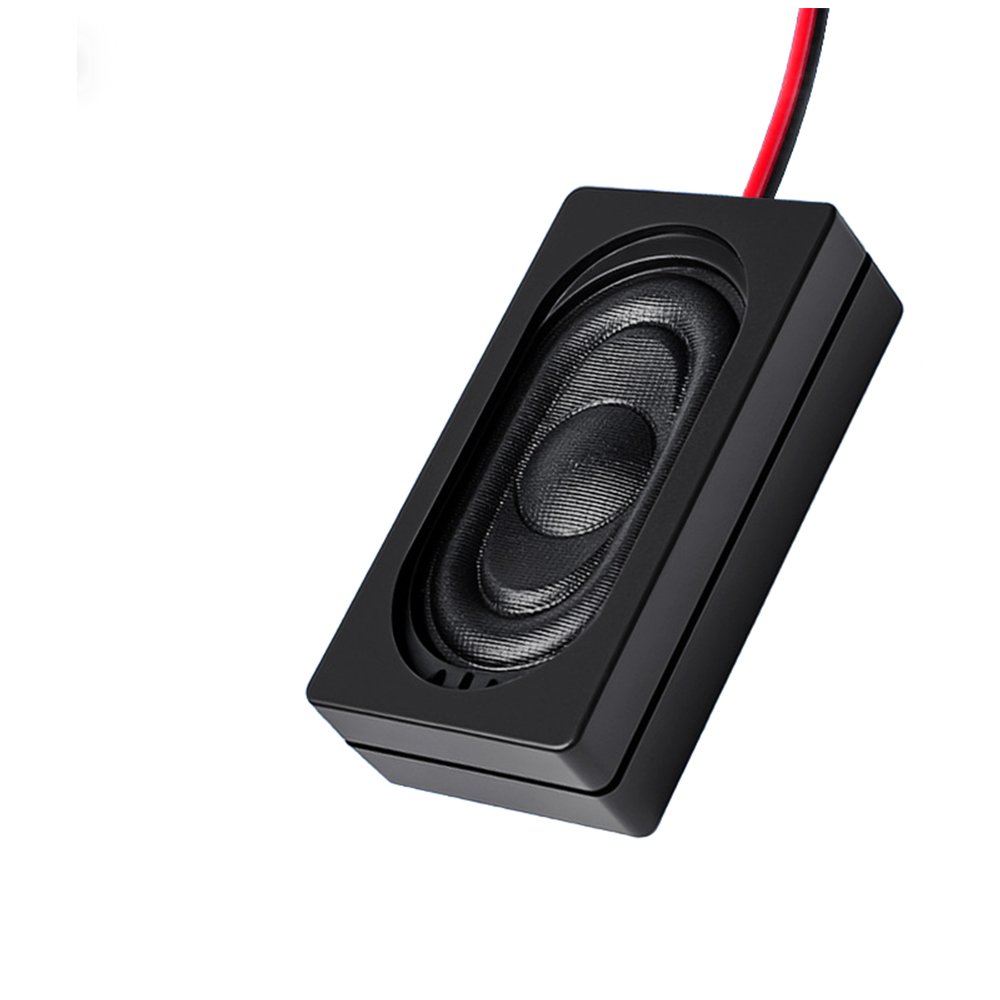
その本質において、直接メーカーモデルとは、あなたまたはあなたの会社が、スピーカーコンポーネントや完成品を設計、エンジニアリング、製造する工場と直接取引を行うことを意味します。これらのメーカーは、しばしばOEM(相手先ブランド製造)またはODM(相手先ブランド設計製造)と呼ばれ、生産ラインを運営しています。直接取引とは、仕様の共有や試作から、交渉、品質保証、物流調整に至るまで、関係性全体をあなた自身が管理することを意味します。.
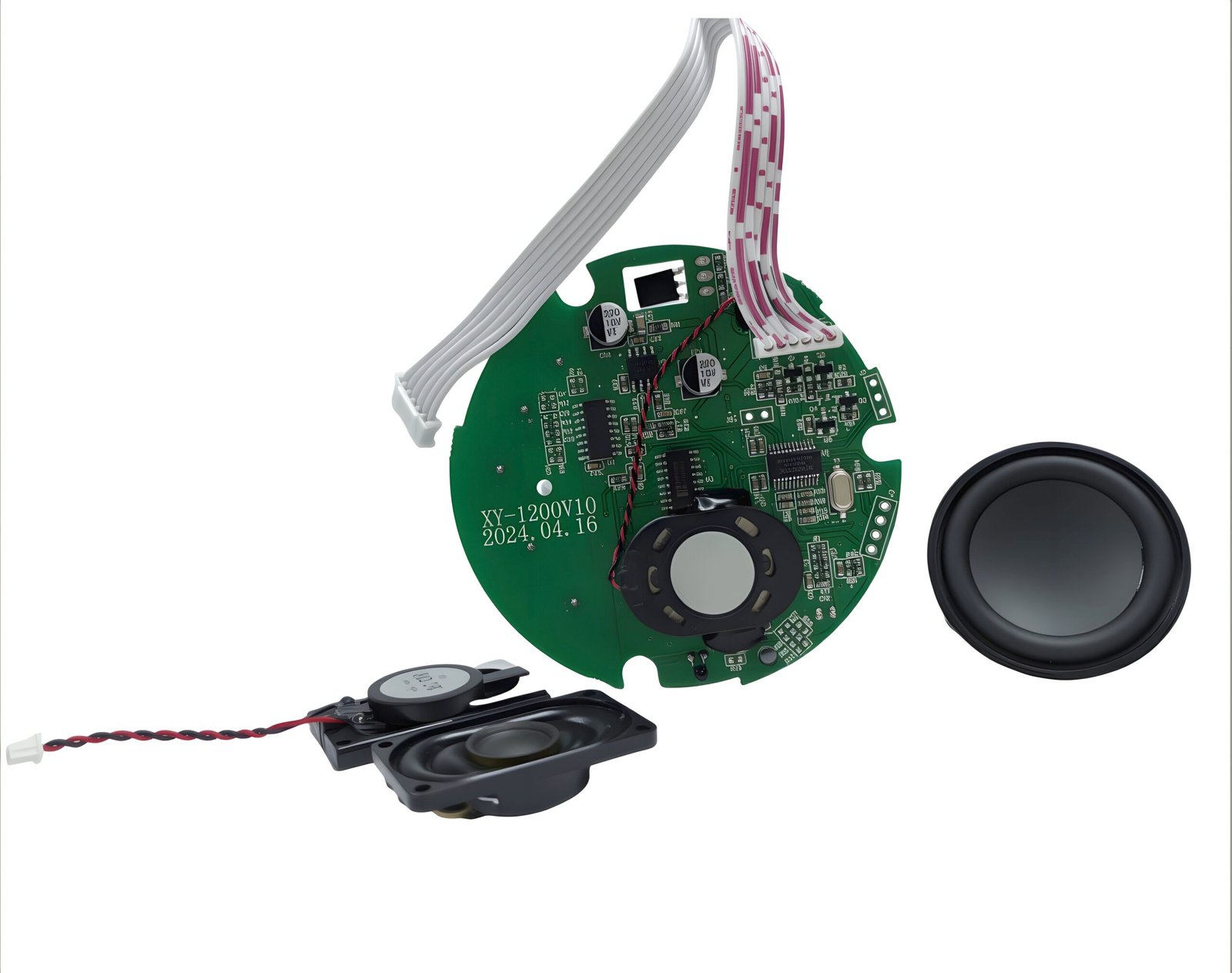
対照的に、調達エージェントは、現地の代理人兼仲介者として機能します。通常は製造地域内またはその近くに拠点を置き、確立された工場、サプライヤー、サービスプロバイダーのネットワークを活用します。彼らの役割は、あなたに代わって適切なメーカーを特定し、コミュニケーションを促進し、工場監査を実施し、生産マイルストーンを監督し、品質検査を行い、出荷物流を処理することであり、これらすべてを手数料またはコミッションで行います。彼らは基本的にあなたの調達チームの延長であり、現地のビジネス環境をナビゲートすることに特化しています。.
業務上の相違は大きいものです。直接取引を行うには、国際貿易、技術仕様、品質管理システムに関する社内の専門知識が必要です。一方、エージェントを利用すると、この業務負担の多くを外部化し、固定の内部コストを変動する外部コストに変換します。Supply Chain Diveによる2024年の業界分析によると、ハードウェア分野に参入する中小企業(SME)の約58%は、参入リスクを軽減するために当初エージェントを選択する一方、専任の調達部門を持つ大企業は、時間の経過とともにより頻繁に直接的な関係を構築することが指摘されています。.
直接メーカー経由のルート:詳細な利点と課題
スピーカーメーカーと直接取引するメリット
1. コスト効率と利益率の可能性
仲介業者の手数料(通常、製品コストの5%~15%)を排除することで、大幅なコスト削減が可能になります。この直接的なコスト優位性は、ユニットエコノミクスを改善し、より競争力のある価格設定や健全な利益率を実現します。大量注文の場合、メーカーからの単価は大幅に低くなる可能性があります。.
2. 強化された管理と透明性
生産プロセスに対する比類のない可視性を得ることができます。エンジニアリングチームとの直接的なコミュニケーションにより、材料(例:振動板の組成、マグネットの種類、ボイスコイルの巻き方)、音響チューニング、設計変更の精密な調整が可能になります。この管理は、オーディオ性能と独自のデザインが重要な差別化要因であるブランドにとって極めて重要です。.
3. 知的財産(IP)の保護
工場と直接NDAや契約を管理することで、IP保護を合理化できます。リスクは依然として存在しますが、直接的な関係により、独自の設計、技術、金型に関するより明確な契約枠組みが可能になります。.
4. 長期的な戦略的パートナーシップ
直接的な関係は、協力的なパートナーシップへと発展する可能性があります。メーカーは、あなたの製品のためにカスタム金型に投資したり、専用の生産ラインを割り当てたりする可能性があり、これにより、イノベーションの共同開発や、供給逼迫時の優先的な取り扱いが実現します。.
スピーカーメーカーと直接取引するデメリット
1. 高い参入障壁と最小発注数量(MOQ)
確立されたスピーカーOEMは、多くの場合、モデルあたり1,000台から10,000台に及ぶ高い最小発注数量(MOQ)を設定しています。これには多額の資本コミットメントと在庫リスクが必要であり、スタートアップ企業にとっては参入障壁となる可能性があります。.
2. 業務とリソースの集中度
あなたのチームは、サプライヤーの審査、契約交渉、技術文書作成、品質管理手順、国際物流など、すべての側面を処理する必要があります。これには、オーディオエンジニアリングとアジアの製造慣行に関する知識を持つ、専任の熟練した人材が必要です。.
3. コミュニケーションと文化の壁
言語の壁、時差、ビジネス文化の違いは、誤解、仕様の誤り、プロジェクトの遅延につながる可能性があります。すべての工場に流暢な英語を話すプロジェクトマネージャーがいるわけではありません。.
4. リスクの集中
サプライチェーンリスクは単一の事業体に集中します。メーカーが生産上の問題、財務上の問題、品質の低下に直面した場合、緩衝材なしで、あなたのビジネスは直接的かつ即座に影響を受けます。.
調達エージェント経由のルート:利点と欠点の評価
調達エージェントを活用するメリット
1. 業務の複雑さの軽減と市場投入の迅速化
エージェントは学習曲線を劇的に低下させます。彼らは工場の特定、交渉、日々の監督を処理するため、あなたは製品開発、マーケティング、販売に集中できます。これにより、市場投入までの時間を数ヶ月短縮できる可能性があります。.
2. 審査済みネットワークと市場情報へのアクセス
優れたエージェントは、さまざまなタイプのスピーカー(例:ホームオーディオ、車載、ポータブルBluetooth)を専門とする、事前に資格審査された信頼できるメーカーのネットワークを持っています。彼らは、工場の評判、価格ベンチマーク、業界動向に関する貴重な現地市場情報を提供します。.
3. 品質保証と現地での監督
エージェントは工場監査(適切な設備、労働慣行、ISO 9001などの品質管理システムの確認)を実施し、インライン検査と出荷前検査(AQLチェック)を実行します。この現地での存在は、遠隔地から社内で再現するにはコストがかかる、重要な品質管理の層となります。.
4. 拡張性と柔軟性
エージェントは、あなたの需要を他のクライアントとプールしたり、より低いMOQの工場を特定したりすることで、少ない注文から始めるのを支援できます。規模を拡大するにつれて、異なるコンポーネント(ドライバー、クロスオーバー、キャビネット)に対して複数の工場を管理するのを支援します。.
調達エージェントに依存するデメリット
1. 追加コスト層
エージェントのコミッションまたはサービス料は、輸入総コストを増加させます。これは利益率を侵食するため、エージェントが提供する価値と、それによって回避できるコストによって正当化される必要があります。.
2. インセンティブの不一致と不透明な取引の可能性
エージェントの金銭的インセンティブは、最適なメーカーを見つけることではなく、取引を成立させることにある可能性があります。工場からの「キックバック」のリスクがあり、価格がつり上げられる可能性があります。エージェントの選定に注意を払わない場合、透明性が問題となる可能性があります。 3. 直接的な管理と関係性の深さの喪失 あなたは生産現場から一歩離れた立場になります。技術的なフィードバックループは長くなり、イノベーションや優先的な取り扱いを促進するような、メーカーとの深く直接的な関係を構築できない可能性があります。.
4. 依存リスク
エージェントへの過度の依存は、エージェントの業績が悪い場合や事業を停止した場合に、ビジネスを脆弱な状態にさらす可能性があります。また、社内チームが重要なサプライチェーン知識を習得するのを妨げる可能性もあります。.
戦略的意思決定フレームワーク:あなたのビジネスに適したモデルはどれか?
最適な選択は普遍的なものではなく、自社のプロフィール、リソース、段階に依存します。以下の表は、主要な意思決定要因をまとめたものです。.
意思決定要因
The optimal choice is not universal but depends on your company’s profile, resources, and stage. The following table synthesizes key decision factors:
| Decision Factor | 直接メーカーを優先する | 調達エージェントを優先する |
|---|---|---|
| 発注数量 | 高水準かつ安定した数量(高MOQに対応) | 低~中程度の数量、またはパイロット生産 |
| 内部専門知識 | アジア経験を持つ社内調達・エンジニアリングチーム | 限られた内部調達・品質管理の専門知識 |
| 資本とリソース | 大口発注に十分な資本とプロセス管理のリソース | 資本が限られている;運営経費は変動費とすることを希望 |
| 市場投入までの期間 | 立ち上げや学習曲線に時間をかけられる | より迅速で効率的な参入が必要 |
| 製品の複雑性 | 深い協業を要する、高度にカスタマイズされた技術的音響製品 | より標準的、または中程度にカスタマイズされた設計 |
| リスク許容度 | 集中した供給リスクを管理できる | 仲介による審査と監視を通じてリスク軽減を希望 |
| 長期戦略 | 中核的かつ戦略的なサプライチェーン資産の構築 | 市場の実現可能性をテスト、または柔軟で拡張可能な調達を模索 |
シナリオ分析:
- ブートストラップ型オーディオスタートアップ: エージェントが理想的である可能性が高い。初期資本要件の低さ、運営負担の軽減、迅速な立ち上げが、コストプレミアムを上回る。.
- 成長中のEコマースブランド: 数量が増加するにつれ、利益率を保護し管理権を得るために、エージェントからハイブリッドまたは直接モデルへの移行が必要になる可能性がある。.
- 確立されたエレクトロニクス企業: リソースと数量を有し、直接チームを正当化できる可能性が高く、製造地域に現地事務所を設置し、新製品カテゴリーや地域ではエージェントを補完的に活用する場合もある。.
ハイブリッドモデルと現代的な代替案
ますます多くの企業がブレンド型アプローチを採用している。例えば、エージェントを利用して 新製品ラインのメーカーを発見・審査し、 その後 持続的な生産のために直接関係に移行する。あるいは、コアとなるスピーカードライバーOEMとは直接関係を維持しつつ、付属品(パッケージ、ケーブル、アクセサリー)の調達にはエージェントを利用する。 現代的な.
デジタル調達プラットフォーム (例:Alibaba.comのサプライヤー評価サービス、Global Sources)は中間的な選択肢を提供する。これらは審査済みのメーカーリスト、安全な取引ツール、場合によっては検査サービスを提供し、直接的な連携を維持しつつエージェントの機能の一部を削減する。しかし、優れたエージェントが提供する深い実践的なプロジェクト管理を代替することは稀である。 さらに、.
契約製造コンサルタント, も別の代替案を提供する。これらは通常、製品固有の専門家(オーディオエンジニアを含む)であり、プロジェクトフィー(歩合制ではない)でメーカー選定や製品化に関する戦略的ガイダンスを提供し、成功へのインセンティブをより密接に一致させる可能性がある。 専門家によるQ&A:現実の調達の複雑性を乗り越える.
Q1:当社は独自のスピーカー設計を持つスタートアップですが、予算が限られています。エージェントから10%の手数料を提示されました。リスクを軽減しつつ、このコストを削減する方法はありますか?
段階的な手数料体系の交渉を検討してください。例えば、初回発注は10%、2回目は7%、その後は信頼と数量が構築されるにつれて5%とする方法です。あるいは、初期設定と試作段階では歩合制ではなく固定のプロジェクト管理費を提案してください。また、高リスクのフェーズ(工場監査、初回サンプル承認、初回生産ロット検査)にのみエージェントを活用し、その後の繰り返し発注ではより直接的な管理を引き継ぐことを意図してください。
A: Q2:直接メーカーが信頼でき、当社の知的財産を盗まないことを確認するにはどうすればよいですか?.
厳格なデューデリジェンスを実施してください:1)
A: 法的措置: 詳細設計を共有する前に、管轄区域に特化した強固なNDAおよび製造契約を締結してください。2) 第三者検証サービスを利用して、営業許可証や工場登録を確認してください。3) 検証: 監査: 第三者検査会社を雇い、完全な工場監査を実施し、物理的および手続き上のセキュリティ対策を評価してください。4) Hire a third-party inspection firm to conduct a full factory audit, assessing physical and procedural security measures. 4) 評判: 複数のクライアントの参考意見(特に他の欧米企業)を要求し、連絡を取ること。5) 段階的実施: 知的財産を段階的に共有し、当初は見積もりや試作に必要な詳細のみを提供すること。.
Q3:パンデミック後、地政学的に敏感な世界において、調達エージェントはサプライチェーンの強靭性にどのように価値を付加するのか?
A: 2024年の強靭なサプライチェーン報告書によると、40%以上の企業が「チャイナ・プラス・ワン」の多角化戦略を積極的に追求している。ここで有能な調達エージェントは非常に貴重である。彼らは、各国(例えば、最終組立はベトナム、部品はマレーシア、キャビネット加工はタイ)における生産能力、人件費、リードタイムに関するリアルタイムの知見を持っている。彼らは多国籍のサプライネットワークの評価と管理を支援し、関税の影響や地域的な混乱のリスクを軽減できる。これは、外資系企業が直接調整するにははるかに複雑である。.
Q4:直接調達であれ、エージェント経由であれ、調達モデルを評価するために使用すべき主要業績評価指標(KPI)は何か?
A: 以下の指標を綿密に追跡すること:
- ユニットあたりの総ランディングコスト: 製品コスト、エージェント手数料、関税、物流費を含む。.
- 初回合格率(FPY): 再作業なしで品質管理を通過したユニットの割合。.
- 完全納期遵守率(OTIF)。.
- 発注から納品までの時間(リードタイム)。.
- サンプル承認率(コミュニケーション・理解効率を測定)。.
- 品質不良のコスト(返品、修理、廃棄)。.
これらのKPIを定期的にベンチマークすることで、現在のモデル(直接調達またはエージェント経由)が機能しているかどうか、また戦略的転換が必要な時期を客観的に示すことができる。.