
オーディオの世界では、静かな革命が進行している。現代のスピーカーはもはや隅に追いやられた隠れた箱ではなく、生活空間の中心的存在となり、現代的なインテリアを補完しながら完璧に機能することが求められる憧れのオブジェへと変わった。この進化は重要な議論を引き起こしている。デザインは驚くべき美観を優先すべきか、それとも妥協のない音響性能を優先すべきか。明白な答えは、現代のスピーカーデザインは両者の 共生バランス. を必要とするということである。素晴らしい音を奏でても、視覚的に周囲の環境と調和しないスピーカーは、今日の市場では失敗する。逆に、彫刻的な傑作でも、音質が劣れば結局は空虚な人工物に過ぎない。本稿では、形態と機能の複雑な相互作用を探求し、オーディオの未来は視覚的な芸術性と音響科学の調和にあると論じる。.
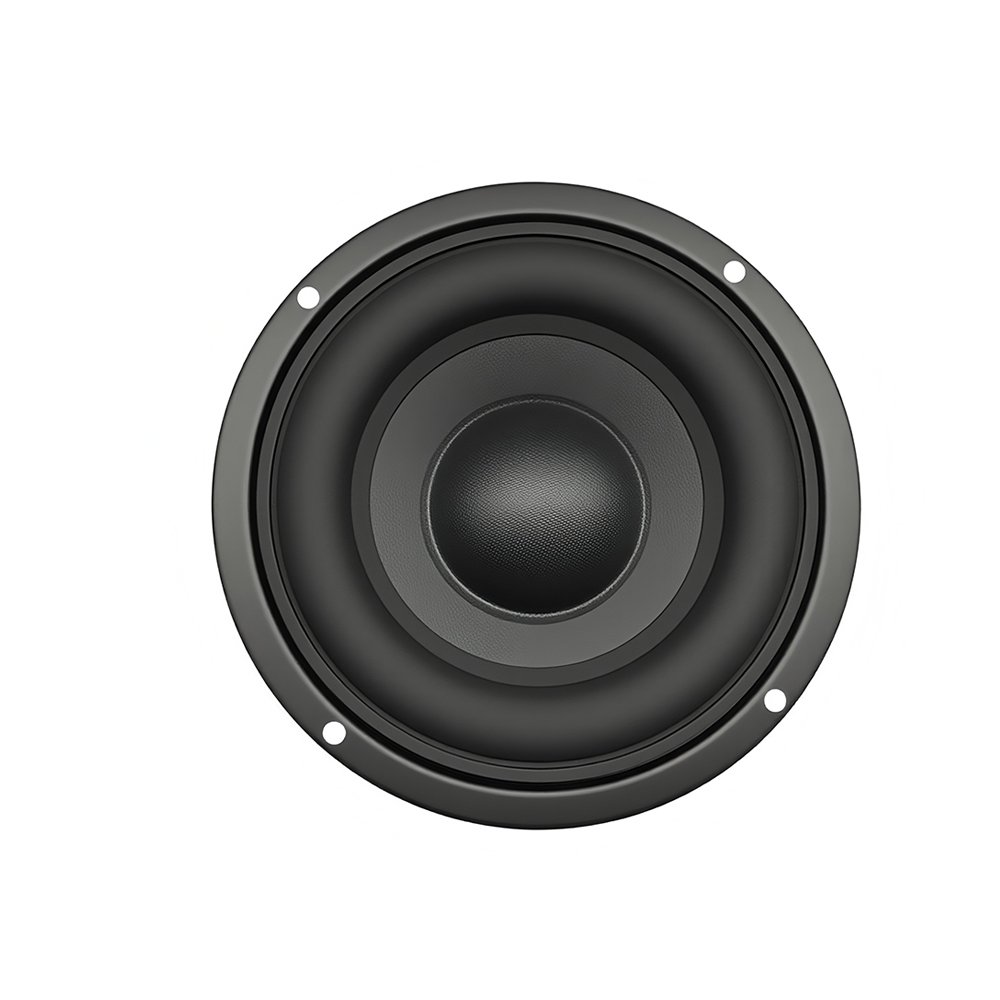
歴史的な隔たり:形態が機能に従った(あるいは完全に無視された)時代
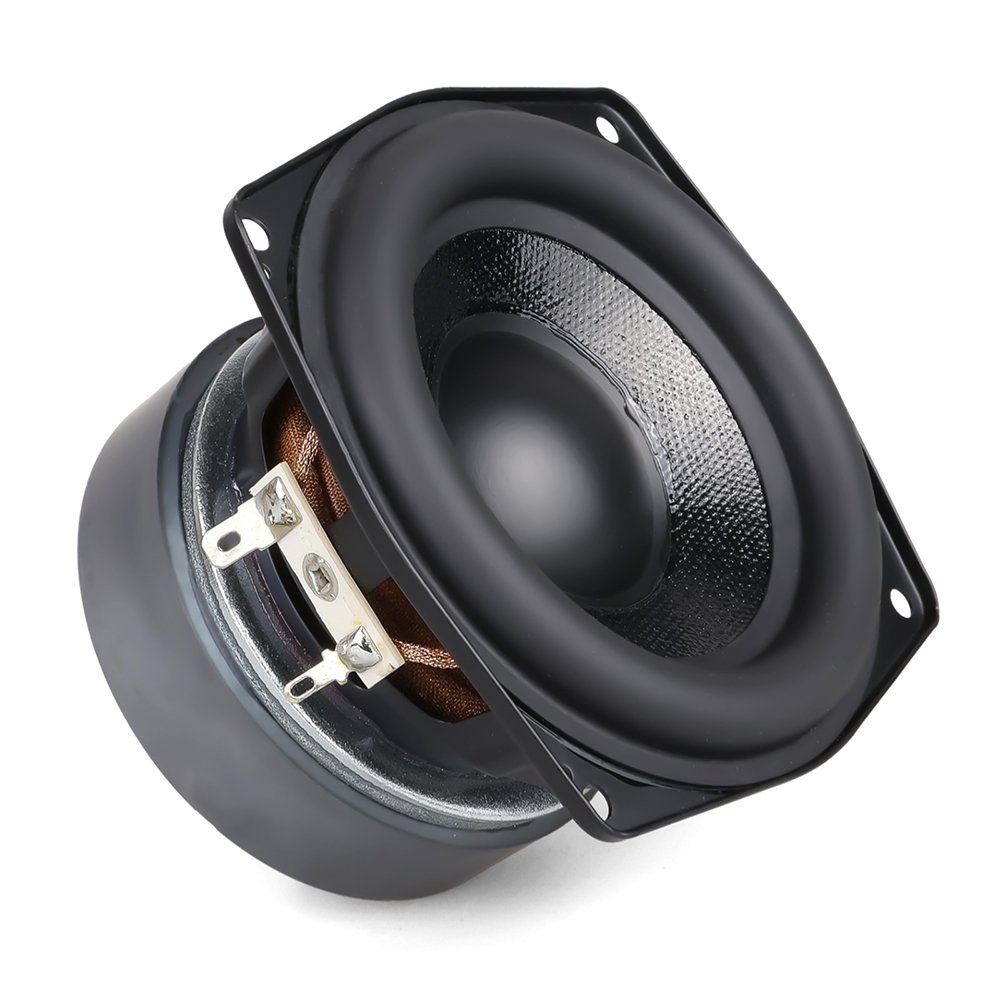
何十年もの間、ハイファイスピーカーデザインのパラダイムは、単一のモットーに支配されていた。 何よりも性能を. 。その結果は、しばしば無味乾燥な長方形の箱であり、黒いビニールや木製ベニヤで覆われ、内部は音波伝播のために最適化されていたが、外部は周囲の環境に無頓着だった。一部の批評家が「モンキーコフィン」と呼んだこれらの製品は、音響的に隔離された実験室で設計され、設置されるリビングルームをほとんど考慮していなかった。真のオーディオ愛好家は、音の純粋さのために視覚的な欠点を許容するだろうという前提があった。.
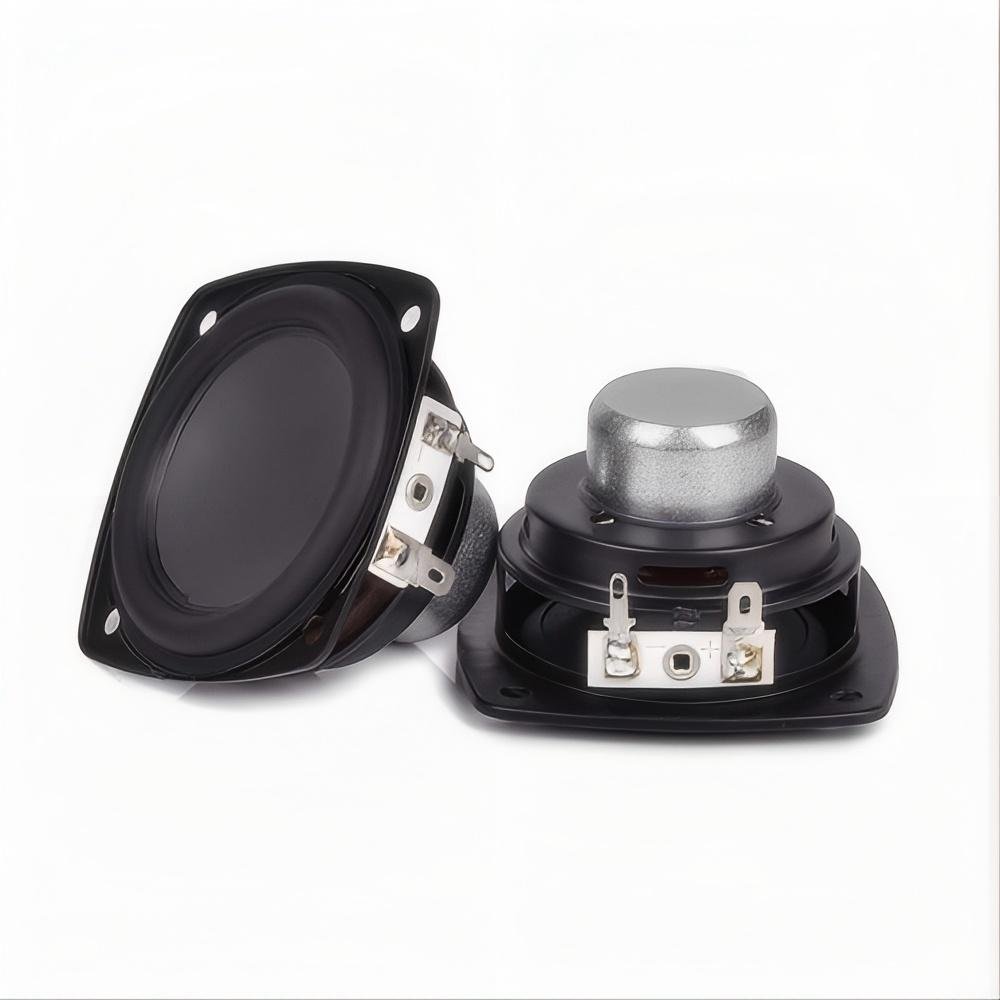
この機能主義的アプローチには音響的な論理があった。剛性が高く共振しないキャビネットは、不要な振動(色付け)を最小限に抑えた。特定のドライバー配置とキャビネット寸法は、音の拡散と低音応答を制御するために計算されていた。しかし、これは文化的な隔たりを生み出した。ハイエンドオーディオは、ある種の実用的で、時に男性的な美学と結びつき、モダンでデザイン重視の家庭では圧迫感があり場違いに感じられるようになった。.
一方、コンシューマーブランドの台頭により、より小型でスタイリッシュなスピーカーが登場したが、これらはしばしば中域の明瞭さと低音の深みを犠牲にした。市場は分裂していた。 真面目なサウンド が一方のコーナーに、, 美しい家具 がもう一方のコーナーに。この歴史的な隔たりが、妥協なくこれら二つの世界を統合するという現在の課題の舞台を整えた。.
現代のリスナーの環境:統合の要請
今日の生活空間は根本的に異なる。オープンプランの間取り、ミニマリストな装飾、多機能な部屋が標準となっている。消費者、特に若い世代は、テクノロジーを独立した機器としてではなく、 統合されたライフスタイル要素. として捉えている。スピーカーは、その周波数特性グラフだけでなく、本棚での見た目、ミッドセンチュリーモダンのソファとの調和、あるいは建築にどのように溶け込むかによって評価される。.
コンシューマーテクノロジー協会の2023年の報告書によると、, プレミアムスピーカー購入者の65%以上 が、購入決定の主要または同等の主要因として「デザインと美学」を挙げており、これは10年前の35%から増加している。これは単なる表面的なものではない。私たちの環境は幸福感に大きな影響を与える。視覚的に邪魔な物体は無意識のストレスを引き起こし、音楽が本来提供するリラックスと楽しみを微妙に損なう可能性がある。したがって、音響性能は視覚的な受容から始まる。スピーカーは電源が入れられる前に、まず部屋の中でその場所を獲得しなければならない。.
この「統合の要請」により、デザイナーは形状、素材、設置面積を再考せざるを得なくなっている。古典的な長方形の箱は、円筒形、有機的な曲線、平面形状へと解体されつつある。 Sonus Faber のようなブランドは、キャビネットを楽器のように扱い、高級木材や革を使用する一方、 KEF KEF は、その象徴的なUni-Qドライバーと洗練されたアルミニウムキャビネットにより、スピーカーをモダニズム彫刻へと変貌させている。目標は, 視覚的な調和.
であり、これがリスニング体験の第一層となる。
表面の科学:素材と形状が音に与える影響.
ここに真のエンジニアリング上の課題、そして魔法が存在する。あらゆる美的選択には音響的な結果が伴う。バランスの追求は、深く技術的な取り組みである。 素材の重要性: 音響透過性(AT)の革新: そして 従来のMDFから、先進的な複合材、機械加工されたアルミニウム、または成型セラミックへの移行は、単なるスタイル上の決定ではない。これらの素材は、大きく異なる共振特性を提供する。例えば、堅牢なアルミニウム製エンクロージャーは、優れた剛性と制振性を提供し、キャビネットの「鳴き」を低減し、よりクリーンな低音を可能にする。しかし、内部の定在波を管理するための精密なエンジニアリングが必要となる。色や質感で選ばれるファブリックグリルは、音響的に透過性でなければならない。 Devialet.
のような企業は、視覚と音響の両方の要求に応える独自素材の開発に膨大な研究開発時間を費やしている。 形態は周波数に従う: Magico または キャビネットの形状は、音の拡散と回折に直接影響を与える。鋭いエッジは高域のビーム現象や位相問題を引き起こす可能性がある。 Focal のスピーカーのような丸みを帯びたエッジや輪郭のあるバッフルは、よりコヒーレントな波面と広い「スイートスポット」の創出に役立つ。, Bowers & Wilkins Nautilus.
の彫刻的な形状は、自然の貝殻に触発されたものであり、内部反射を排除するための後方波エネルギー管理の直接的な結果であり、生体模倣芸術と音響科学の完璧な融合である。 焦点としてのドライバーデザイン: ドライバー自体がデザイン要素になりつつある。銅製のフェイズプラグ、輝くアルミニウムドーム、または特徴的な色のウーファー(例えば KEF.
の象徴的な銅色)は、視覚的な特徴として提示されている。この透明性は、テクノロジーを隠すのではなく称え、露出されたエンジニアリングの美しさを通じて信頼を構築する。
| 材料 | 表:現代の一般的なスピーカー素材が美学と音響に与える影響 | 美的魅力 | 音響上の主な利点 |
|---|---|---|---|
| デザイン上の課題 | 機械加工アルミニウム. | 現代的、高級感、インダストリアルシック;精密で彫刻的な形状が可能。. | 高価になる可能性があり、内部反射を管理するためにダンピング処理が必要です。. |
| 無垢材(例:ウォールナット、オーク) | 温かみがあり、自然で有機的。家具や工芸の伝統と結びついています。. | 自然なダンピング特性を持ち、温かみのある音響特性を提供できます。. | 環境変化(湿度・温度)の影響を受けやすく、密度の一貫性が重要です。. |
| 先進複合材料(例:カーボンファイバー) | 技術的で高性能、軽量な外観。. | 高い剛性対重量比。共振や音色の付加が最小限です。. | 複雑でコストのかかる製造プロセス。. |
| 成形ポリマー/セラミック | 継ぎ目のない曲線的でユニークな有機的形状を可能にします。. | 特定のダンピング特性に合わせて調整可能で、非常に一貫性があります。. | 金型コストが高く、適切に配合されないと特定の周波数で鳴る可能性があります。. |
| 音響透過性ファブリック | 外観を柔らかくし、豊富な色やテクスチャのカスタマイズを提供します。. | ドライバーを保護しつつ、音波の妨害を最小限に抑えます。. | 織り密度の一貫性を維持する必要があり、ほこりがたまり経年で音質に影響を与える可能性があります。. |
市場の現実:データ駆動型の設計判断
このバランスは哲学的な問題だけでなく、商業的に極めて重要です。市場データは、このバランスを適切に取ることの具体的な利点を明らかにしています。.
デザイン主導のオーディオを成功裏に推進してきたブランド、例えば Sonos, Master & Dynamic, で測定され、電圧(圧力)と電流(流れ)の積です。しかし、オーディオ信号は動的であり、振幅が常に変化します。ここで重要な仕様が関わってきます。 Dirac高級ブランドにおけるパワードシステムは、視覚と聴覚の両方に訴求することで大きな市場シェアを獲得しています。2024年の業界分析( Strategy Analytics による)では、「プレミアムデザイン&パフォーマンス」カテゴリに位置づけられたスピーカーは、 従来のハイファイセグメントのみと比較して3倍の成長率 を経験していることが示されました。.
さらに、スマート機能やマルチルームオーディオの統合がこのトレンドを加速させています。スピーカーは現在、家庭内で常時稼働する恒久的な備品となっています。そのため、そのデザインは永続的な重要性を持ちます。例えば、 Apple HomePod または Sonus Faber Omnia のようなモデルの成功は、これらが アンビエントオブジェクト として構想され、例外的で部屋を認識するサウンドを提供していることを強調しています。これらのコンピュテーショナルオーディオ(リアルタイムマイクを使用して部屋を分析し、音を適応させる技術)は、デザインされた形状の音響的対応物であり、どちらもユーザーの環境へのシームレスな統合を目指しています。.
未来をエンジニアリングする:コンピュテーショナルオーディオと適応型デザイン
美学と音響の究極の統合は、 コンピュテーショナルオーディオと先進製造技術. を通じて実現されつつあります。これはバランスにおける最終フロンティアを表しています。.
デジタル信号処理(DSP) は大きな実現要因です。これにより、エンジニアは選択されたデザインから生じる可能性のある音響的妥協を補償できます。美しい細身のエンクロージャーが低音の伸びを制限する場合、DSPがドライバーの振幅をインテリジェントに管理し、イコライゼーションを適用して堅牢な低域応答を合成できます。 Trinnov そして Lyngdorf のようなブランドは、物理的デザインを従来の音響的制約から解放するルーム補正に全哲学を構築しています。.
付加製造(3Dプリンティング) により、従来の木工では不可能な複雑な内部補強構造の作成が可能になります。これらは剛性と材料使用の最小化の両方に最適化でき、優れた音響特性を持つ印象的で軽量な形状を生み出します。有機的なサンゴのように見えるスピーカーラティスを想像してください。各支柱は特定の共振を打ち消すためにアルゴリズムによって配置されています。.
未来のスピーカーは 適応型 そして コンテキスト認識型. です。カメラとマイクアレイを使用して部屋を認識し、表面や家具を識別し、特定の音響および視覚環境に合わせて音の拡散パターンを調整します。物理的デザインは中立的で美しいキャンバスとなり、その上に各固有の空間に対してデジタルで最適なサウンドステージが描かれます。.
結論:調和こそが製品である
議論は終わりました。現代において最も成功し意義深いスピーカーは、芸術と科学のどちらかを選ぶことを拒むものです。それらは、 真の贅沢とは妥協の不在である. という原則を体現しています。リスニングの感情的な旅は、空間を向上させる物体を見る喜びから始まります。その喜びは、没入感があり、詳細で感動的なサウンドによって深められ、満たされます。.
エンジニアやデザイナーにとって、その業務はかつてないほど複雑であり、同時にやりがいのあるものとなっています。音響エンジニアが産業デザイナーや材料科学者と初日から密接に連携する、分野横断的な協業が求められます。その結果、より深いレベルで共鳴する製品、つまり単に聞こえるだけでなく、日常生活の一部として感じられ、愛される製品が生まれます。現代のスピーカー設計において、美学と音響学は対立するものではなく、同じ美しい和音を奏でる二つの不可欠な声なのです。.
プロフェッショナルQ&A:バランスの探求
Q1:購入者として、デザイン性に優れたスピーカーが音質を犠牲にしていないか、どのように評価すればよいですか?
A: 基本的なスペックだけを見るのではなく、まず、スピノラマデータなどの測定結果と主観的なリスニングテストの両方を含む、詳細なプロフェッショナルレビューを探してください。可能であれば、静かな環境でご自身で試聴しましょう。中域の明瞭度とサウンドステージに注意を払ってください。これらは、設計が妥協された場合に最初に損なわれがちな要素です。メーカーが、素材の選択と同様の深さで、自社の音響工学アプローチ(キャビネットの補強、ドライバー技術、歪み測定)について説明しているかを確認してください。バランスに誇りを持つ評判の良いブランドは、芸術の背後にある科学を透明性をもって示すものです。.
Q2:音質にとって本質的に問題となる特定のデザイン形状はありますか?
A: はい、あります。極端に狭い、または深いキャビネットは内部定在波の問題を引き起こし、ミッドバスを濁らせます。ドライバー周辺の鋭く平らなバッフルは回折を引き起こし、ステレオイメージをぼやけさせます。見た目をすっきりさせるために密閉された、または大幅に制限されたリアポートは、低音の効率と伸びを著しく制限する可能性があります。最良の設計は、内部反射を抑える湾曲したキャビネットや、リアポートの乱流を低減するテーパードエンクロージャーなど、形状を革新的に活用して音響問題を解決します。 解決 します。.
Q3:DSPとルームコレクションの台頭により、スピーカーの物理的設計の音響的重要性は低下するのでしょうか?
A: 重要性が低下するのではなく、 異なる形で 重要になります。DSPは部屋への適応とドライバーの最適化に強力なツールですが、根本的な物理的欠陥を修正することはできません。補強が不十分なキャビネットが共振すれば、DSPが処理する前に音を着色します。歪みの大きいドライバーは、依然として歪みます。DSPは、無響室に最適化されたスピーカーを設計することから、DSPがお客様の部屋に完全にチューニングできる、安定した低歪みで良好な動作特性を持つ「プラットフォーム」を設計することへと焦点を移します。物理的設計が可能性の上限を設定し、それをソフトウェアが実現するのです。.
Q4:今日、このバランスを体現しているブランドやモデルの実例を教えてください。
A: 規格の解読:IPX5とIPX7の実際の意味 KEF LS60 Wireless は典型的な例です。建築の柱に着想を得た、その洗練されたシングルキャビネット「インフィニットバッフル」設計は、印象的な視覚的表現です。音響的には、この設計によりUni-Qドライバーアレイからのコヒーレントな点音源サウンドが可能となり、サイドファイアリングのバスドライバーはキャビネット構造を効果的に活用します。また、高度なDSPをバスマネジメントとルームアダプテーションに使用しています。湾曲したフォルムから一体型スタンドに至るまで、あらゆる美的選択が直接的な音響的目的に資しており、統合された設計と性能のベンチマークとなっています。.