
はじめに:音の核心 – 磁石技術
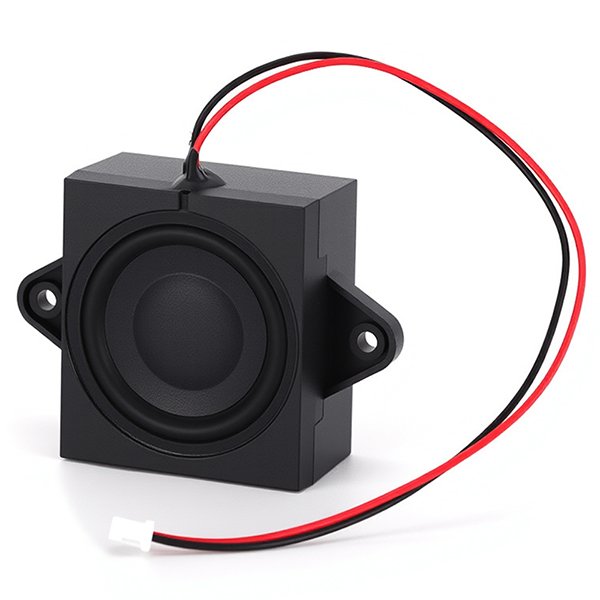
すべてのダイナミックスピーカードライバーの中心には、その磁気エンジンが存在します。この重要な構成要素は、スピーカーの潜在能力の多く、すなわち効率、出力処理能力、明瞭度、そして最終的にはコストと用途を決定します。長年にわたり、フェライト(セラミック)磁石が業界標準でした。しかし、ネオジム・鉄・ホウ素(NdFeB)希土類磁石の登場は、コンパクトで高性能なオーディオ設計に革命をもたらしました。本包括的な比較分析では、これら二つの主要な磁石技術の技術的性能、経済的考慮事項、および理想的な用途を詳細に検討し、エンジニア、製品設計者、オーディオ愛好家が情報に基づいた意思決定を行えるよう支援します。.
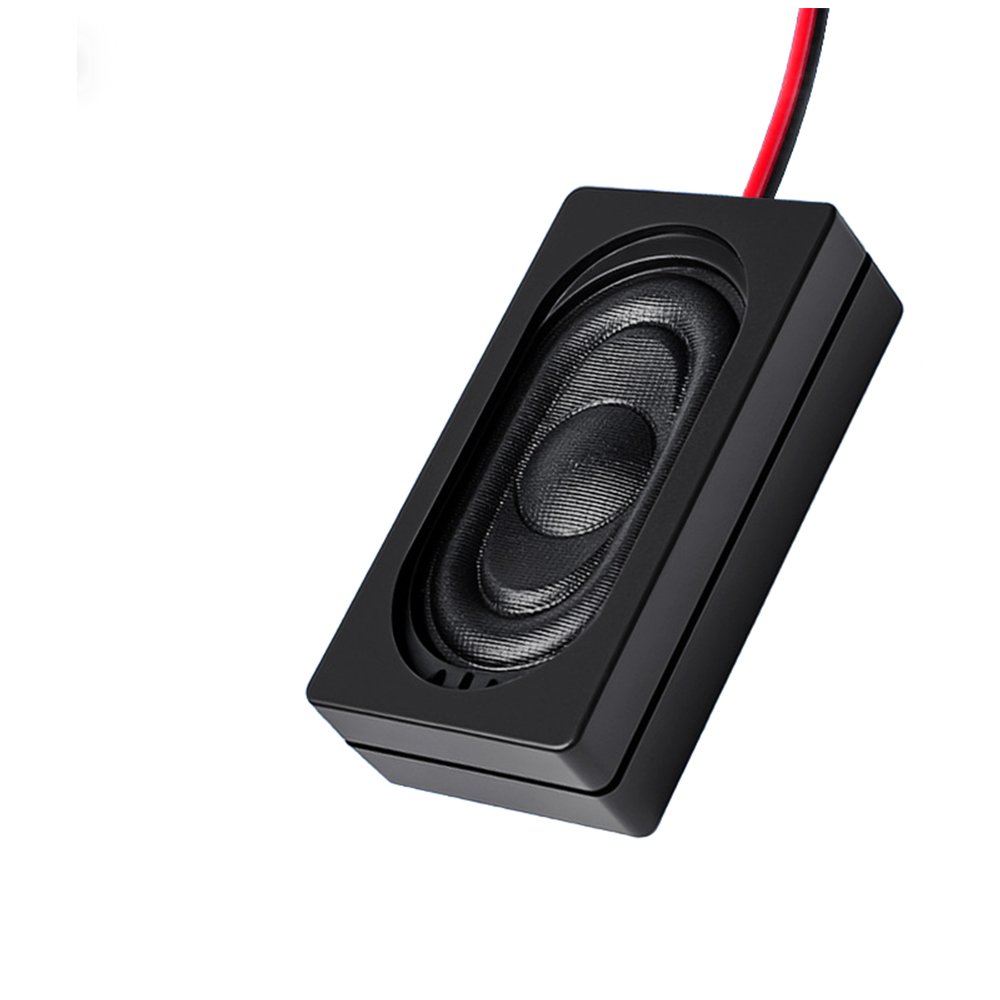
基本的な違いを理解することが鍵です。フェライト磁石は、酸化鉄とストロンチウムまたは炭酸バリウムから作られるセラミック材料です。NdFeB磁石は、ネオジム、鉄、ホウ素の焼結合金であり、市販されている中で最強の永久磁石です。この基本的な違いが、スピーカーの性能と製造のあらゆる側面に影響を及ぼします。.
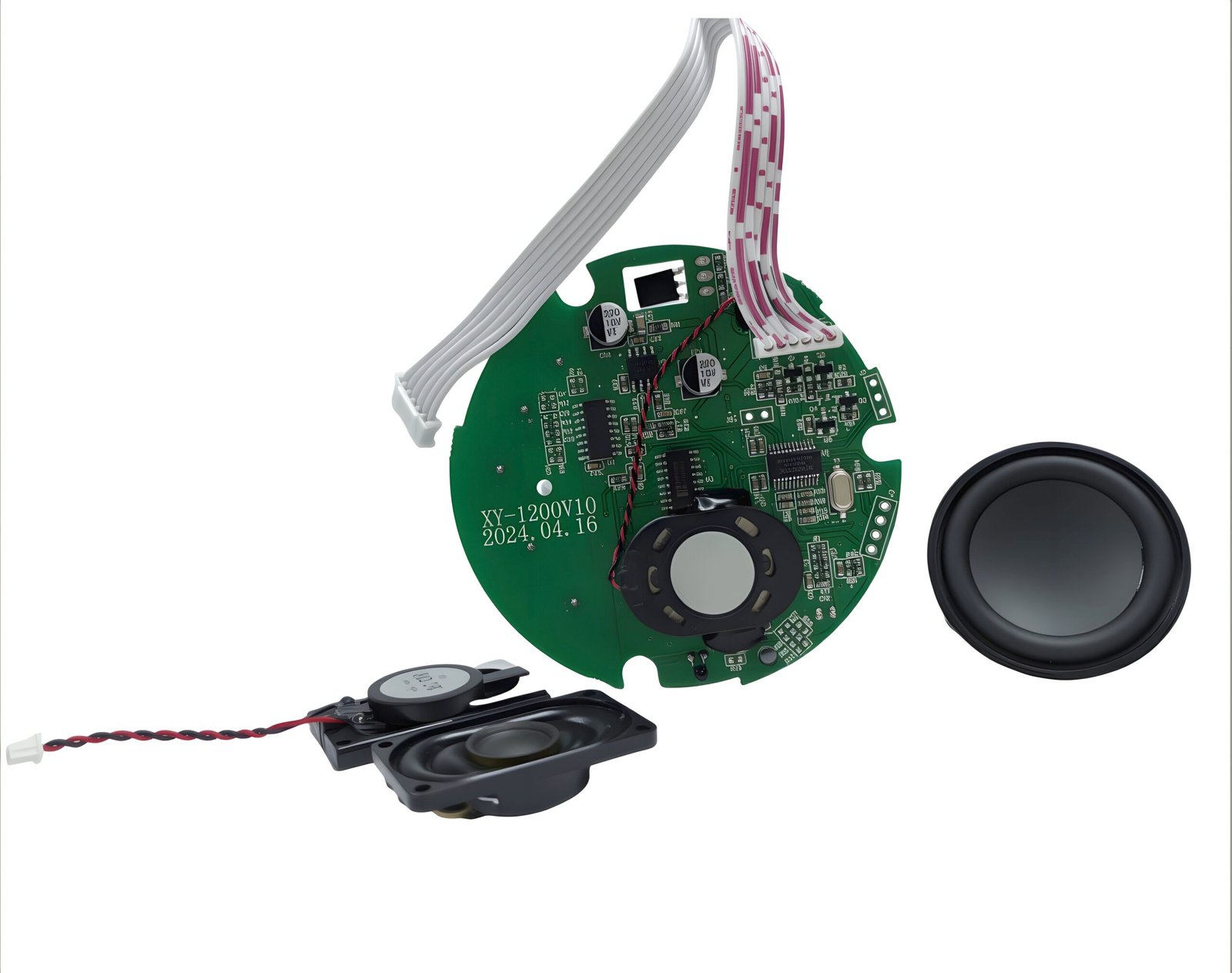
技術的性能の対決:NdFeBとフェライトの相違点
NdFeBとフェライトの選択は、いくつかの主要なスピーカーパラメータに直接影響を与えます。性能特性を詳しく見ていきましょう。.
磁力(ガウス/Br):
NdFeBの最も顕著な利点は、その卓越した磁気エネルギー積です。通常、同サイズのフェライト磁石と比較して5~10倍強い磁束密度を生成します。これにより、ボイスコイルギャップ内で同等の磁場強度を達成するために、著しく小型で軽量な磁石が可能になります。例えば、わずか20グラムのNdFeB磁石が、100グラムのフェライトユニットの出力に匹敵することがよくあります。.
感度と効率:
ギャップ内のより強い磁場は、モーター力(Bl係数)を増加させます。これは、スピーカーがより多くの電力を音響電力に変換することを意味し、結果として高い感度(dB/W/mで測定)をもたらします。NdFeBベースのドライバーは、フェライト製のものより2~4 dB高い感度を達成できます。実用的には、これは同じアンプ出力でより大きな音を出すか、目標音量に対して必要な電力を低減することを意味し、バッテリー駆動のポータブルデバイスにとって重要な要素です。.
過渡応答と制御:
高いモーター強度は、ボイスコイルとコーンの動きに対する優れた制御を提供します。これによりダンピングが改善され、より速い起動・停止時間(優れた過渡応答)が実現します。その結果、よりタイトで明瞭な低音と、複雑な音楽パッセージのクリアな再生が可能になります。.
重量とサイズ:
これはNdFeBの変革的な利点です。同等の磁力に対して、NdFeB磁石システムは最大90%軽量化、75%小型化が可能です。これにより、薄型テレビ、パワフルでありながらコンパクトなBluetoothスピーカー、ツアー用の軽量プロオーディオ機器、そして高度なインイヤーモニターの開発が可能になります。.
熱安定性と出力処理能力:
ここでは、従来のフェライトが重要な利点を持ちます。フェライト磁石は優れた熱安定性を有し、非常に低い可逆温度係数(約-0.2%/°C)を示します。高出力動作中にボイスコイルが加熱しても、磁力の低下はわずかです。NdFeBは、はるかに高い負の係数(標準グレードで約-0.12%/°C)を持ちます。ジスプロシウムを添加したグレード(HグレードおよびSHグレード)はこれを改善しますが、ドライバーの熱設計が不十分な場合、過度の熱は不可逆的な減磁を引き起こす可能性があります。したがって、サウンド reinforcement におけるサブウーファーのような超高出力・連続使用用途では、高級フェライト磁石が依然として安全な選択肢となることが多いです。.
性能比較表
| パラメータ | NdFeB(ネオジム)磁石 | フェライト(セラミック)磁石 |
|---|---|---|
| 磁力 | 非常に高い(一般的に1.0~1.4 Tの残留磁束密度) | 中程度(一般的に0.2~0.4 Tの残留磁束密度) |
| 感度向上 | 高い(一般的に+2~+4 dB) | 基準値 |
| 重量とサイズ | 非常に小型で軽量 | 同等の磁束に対して大型で重量あり |
| 熱安定性 | 中程度から良好(グレード依存);約80~150°C以上で減磁リスクあり | 優れており、約250°C以上まで安定 |
| 耐食性 | 劣る(Ni、Zn、エポキシによるメッキが必要) | 優れている(本質的に耐食性あり) |
| 脆さ | 非常に脆い | 脆いが、NdFeBよりはマシ |
コスト分析とサプライチェーンの考慮事項
性能は単独で存在するわけではなく、コストが実現可能性を左右します。ここでの議論は「NdFeBは高価、フェライトは安価」という単純なものではありません。“
原材料および製造コスト:
フェライト磁石は、豊富で安価な材料(酸化鉄)から作られます。その製造はエネルギー集約的ではありますが、確立されたコスト効率の良い方法です。2024年現在、フェライト磁石のコストは1kgあたり約2~5米ドルです。 NdFeB磁石は、主にネオジムとプラセオジムという希土類元素に依存しています。その価格は変動が激しく、地政学的要因や採掘枠(特に供給を支配する中国からの)に左右されます。価格は以前のピークから安定化しましたが、依然として大幅に高価です。標準グレードのNdFeBのコストは1kgあたり約50~100米ドルです。高温耐性や耐食性に優れたグレードはさらに高価です。.
システム全体のコストとバリューエンジニアリング: ユニットコストの話は、スピーカーシステム全体を考慮すると変わります。NdFeBによって可能になる小型化は、他の部分のコストを削減します:. 小型エンクロージャー:.
使用するプラスチック、金属、木材の量が減少。
The unit cost story changes when considering the total speaker system. The miniaturization enabled by NdFeB reduces costs elsewhere:
- Smaller Enclosures: Less plastic, metal, or wood.
- 出荷重量の削減: 民生用電子機器およびグローバル物流にとって極めて重要。.
- 小型アンプ: 高効率化により、低出力(低コスト)のアンプでも同等の音量を実現可能。.
- IPX7の魅力:愛好家と冒険家のニッチ。 洗練された市場性の高いフォームファクターを実現。.
ハイエンドヘッドホンやコンパクトワイヤレススピーカーの場合、磁石コストは総部品表(BOM)のごく一部である。小型化と性能による付加価値がNdFeBを正当化する。一方、サイズや重量が重要でない大型の据え置き型ホームシアターサブウーファーでは、フェライトの原材料コスト優位性が決定的となる。.
サプライチェーンと持続可能性:
フェライトのサプライチェーンは堅牢かつ分散型である。NdFeBの供給は集中しており、戦略的な脆弱性を生む可能性がある。環境・社会・ガバナンス(ESG)への懸念も高まっている。フェライト製造はエネルギー集約型であり、一方でレアアース採掘は責任ある管理がなされなければ大きな環境負荷をもたらす。この点が大手企業の調達判断にますます影響を与えている。.
用途に基づく推奨事項:適材適所の選択
「最良の」磁石とは、用途に最適に適合するものである。.
NdFeBを選ぶべき場合:
- サイズと重量が最優先される場合: インイヤーモニター(IEM)、ヘッドホン、現代の薄型テレビ、スピーカー搭載ドローン、プレミアムポータブルBluetoothスピーカー、軽量ツーリング用ラウドスピーカー。.
- 高効率が不可欠な場合: バッテリー駆動機器、ウェアラブル端末のマイクロサウンダー。.
- 最小容積で最大性能を求める場合: ハイエンドカーオーディオ用ミッドレンジおよびツイーター、スタジオモニター用ツイーター。.
フェライトを選ぶべき場合:
- 究極の耐電力性と熱的信頼性が必要な場合: 映画館、ライブサウンド、ホームシアター向け高出力サブウーファー(特に高気流のベントエンクロージャー内)。.
- 予算が最優先の制約となる場合: マスマーケット向けホームオーディオ、エントリーレベルのPAスピーカー、コスト重視のOEM用途。.
- 用途が据え置き型でサイズが問題にならない場合: 多くの従来型ブックシェルフおよびフロアスタンディング型ハイファイスピーカー。.
- 過酷な環境が要因となる場合: 追加メッキなしで耐食性が有利となる屋外用スピーカー。.
ハイブリッドアプローチ: 一部の高性能設計で採用される高度な解決策として、 ネオジム製「前面」または「背面」プレートを備えたフェライト磁石. がある。これにより、フェライトの熱安定性と低コスト性を維持しつつ、磁束(ひいては感度)を向上させる。.
オーディオにおける磁石技術の未来
革新は続いている。研究は、NdFeB磁石における重希土類元素(ジスプロシウム、テルビウム)の含有量を低減し、高温性能を維持しながらコストと地政学的リスクを低減することに焦点を当てている。サマリウムコバルト(SmCo)のような代替材料は高強度と優れた温度安定性を提供するが、さらに高コストであるため、航空宇宙や過酷な軍事用途に限定される。.
同時に、フェライト磁石技術も進歩しており、わずかに向上したエネルギー積を持つグレードが登場している。さらに、 クラスD増幅 (非常に効率的で安価な)の台頭により、一部の用途でフェライトドライバーの低効率を相殺し、その価値提案を強化している。.
Adroit Market Researchの2023年レポートによると、EVと再生可能エネルギーに牽引された世界の永久磁石市場は成長を続けている。この需要はNdFeB価格に圧力をかけ続ける一方、革新と中国以外の地域からの供給多様化の可能性を促進するだろう。.
専門家によるQ&A
Q1: NdFeBスピーカーは減磁すると聞きました。通常使用でこれは現実的なリスクですか?
A: 標準的な民生用使用では、リスクは非常に低いです。減磁は、磁石の「最高使用温度」を超えた場合に発生し、多くの場合、ボイスコイルを過熱させる長時間の極端な電力投入が原因です。信頼できるメーカーは、想定される熱負荷に対して適切なNdFeBグレード(例:38SH、40UH)を使用し、ドライバーに十分な安全マージンを設けて設計しています。リスクが高いのは、設計が不十分で過剰駆動されたプロオーディオ用サブウーファーです。このような用途には、堅牢な熱管理を備えたプレミアムフェライトまたは高グレードNdFeBが不可欠です。.
Q2: 純粋な音質の観点から、NdFeBは本質的にフェライトより「優れている」のですか?
A: 本質的にはそうではありません。磁石の種類は効率やダンピングなどのパラメータに影響を与えますが、全体的な音質は総合的な設計の成果であり、コーン素材、エッジ、サスペンション、モーターの直線性、エンクロージャーが同等かそれ以上に重要な役割を果たします。優れた設計のフェライトドライバーは、設計が不十分なNdFeBドライバーよりもはるかに優れた音質を発揮します。しかし、NdFeBの利点により、設計者はフェライトでは不可能なコンパクトなフォーマットで性能の限界を押し広げることができます。.
Q3: 両方に取って代わる可能性のある新しい磁石技術は今後登場しますか?
A: 現在、主流オーディオにおいてNdFeBとフェライトを置き換える脅威となる商業的に実用化された技術はありませんが、活発な研究が行われています。レアアース元素の使用を減らす、または使用しないことを目指す「グリーンマグネット」が主要な焦点です。ナノ構造複合磁石や窒化鉄(Fe16N2)の研究は、非常に高い磁化という理論的な可能性を示していますが、製造可能性とコストは依然として大きなハードルです。今後10年間は、NdFeBおよびフェライトファミリー内での進化と、ハイブリッドシステムが主流であり続けるでしょう。.
Q4: 実際の製品における重量削減はどの程度重要ですか?
A: 非常に重要です。例えば、ハイエンドの12インチプロオーディオ用ウーファーは、5~6ポンドのフェライト磁石アセンブリを使用する場合があります。同様の出力を実現するNdFeBバージョンでは、1ポンド未満の磁石を使用できます。12個のドライバーを搭載したラインアレイの場合、磁石だけで50ポンド以上の重量削減となり、吊り込み要件と出荷コストが劇的に削減されます。Bluetoothスピーカーの場合、ポータブル機器と据え置き型機器の違いを生み出します。.