
オーディオ愛好家、エンジニア、そして消費者にとって、スピーカーは単なる筐体に収められた部品の集合体ではありません。それはオーディオチェーンにおける最終かつ重要なリンクであり、電気信号を音楽、映画、ゲームの没入感あふれるサウンドスケープへと変換する翻訳者です。しかし、洗練された外観やマグネットグリルの背後には、物理学、電気工学、材料科学の複雑な相互作用が存在します。この複雑さゆえに、販売されるすべてのユニットが家庭で安全に使用できるだけでなく、明確で測定可能な基準を満たす性能を提供することを保証する、厳格で世界的に認知された基準が必要となります。.
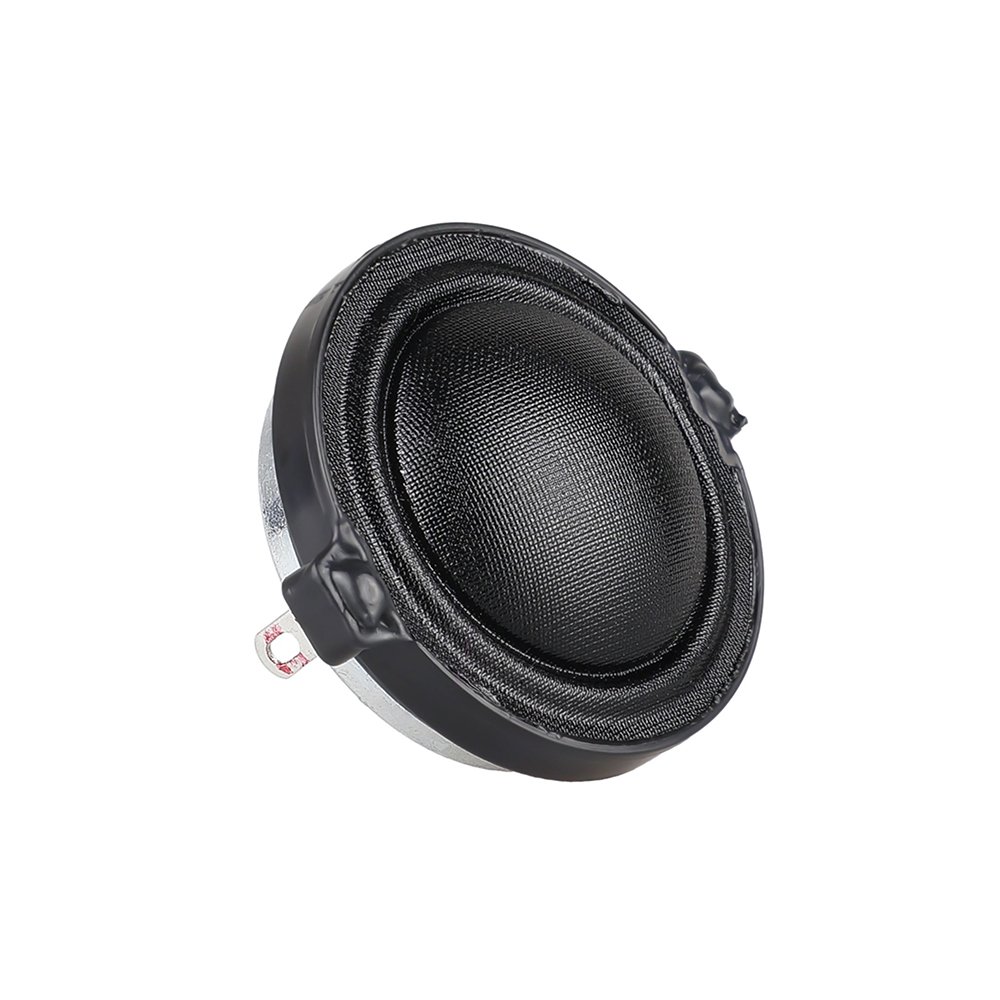
スピーカー認証の世界は、国際的な安全プロトコル、電磁両立性規則、自主的な性能ベンチマークからなる多面的な領域です。この領域を理解することは、世界市場を目指すメーカーにとって、そして信頼できる製品を求める消費者にとって極めて重要です。本稿では、スピーカーの安全性と客観的な品質の両方を認証する最も重要な世界基準について掘り下げ、それらのロゴやコンプライアンスマークが実際に何を意味するのかを包括的に解説します。 安全性 そして、その 客観的な品質 について、それらのロゴやコンプライアンスマークが実際に何を意味するのかを包括的に解説します。.
基盤:安全性と電磁両立性に関する義務的基準
スピーカーがその音響忠実度を評価される前に、まず安全であり、かつ他の機器に妨害を与えないことが証明されなければなりません。これらは自主的な目標ではなく、ほとんどの国で市場にアクセスするための法的要件です。このカテゴリの基準は、ユーザーを感電、火災、過度の熱から保護すると同時に、デバイスが他の電子機器に干渉しないことを保証します。.
1. IEC/EN/UL 62368-1:世界の安全ベンチマーク
これはオーディオ/ビデオおよび情報技術機器に関する最重要規格です。これは従来のIEC/60065(オーディオ)やIEC/60950-1(IT機器)などの旧規格を統合し、置き換えました。. IEC 62368-1 は国際規格であり、欧州では EN 62368-1 として採用され、米国およびカナダでは UL 62368-1 と密接に連携しています。.
その中核となる考え方は、 ハザードベースの安全設計(HBSE) アプローチです。特定の構造方法を規定する代わりに、潜在的なエネルギー源(電気、熱、運動)を特定し、それらから保護するための安全対策を定義します。スピーカーの場合、これは絶縁、沿面距離、筐体の安定性、端子やコネクタの安全性に関する厳格な試験を意味します。この規格への準拠はほぼ世界的に必須であり、多くの場合、TÜV、Intertek(ETL)、またはUL自身などの認証機関によるマークで示されます。.
2. 電磁両立性(EMC):FCC、CE、VCCI
スピーカー、特にアンプやデジタルシグナルプロセッサを内蔵したアクティブスピーカーは、電磁放射の潜在的な発生源です。EMC規格は、これらの放射がラジオ、テレビ、その他の重要なサービスに干渉しない程度に低いことを保証します(EMI – エミッション)。また、静電気や電源サージなどの一般的な外部干渉にさらされた場合でも、スピーカーが正しく動作できることを保証します(イミュニティ).
- FCC Part 15(米国): 意図しない放射器を規制します。米国で販売されるアクティブスピーカーは、有害な干渉を放出しないことを証明するためにFCC試験に合格する必要があります。FCC IDまたは適合宣言書が重要な指標となります。.
- CE EMC指令(欧州): 製品に付されたCEマークは、とりわけEUのEMC指令への準拠を示します。これには、EN 55032(エミッション)やEN 55035(イミュニティ)などの規格への試験が含まれます。.
- VCCI(日本): VCCI(情報処理装置等電波障害自主規制協議会)は、日本市場向けに同様のコンプライアンスフレームワークを提供しています。.
3. 環境および材料規制:RoHSおよびREACH
性能基準ではありませんが、EUの RoHS(特定有害物質の使用制限) そして およびREACH(化学物質の登録、評価、認可及び制限) への準拠は極めて重要です。RoHSは電気部品における特定の有害物質(例:鉛、水銀)の使用を制限し、より安全な製造と廃棄を促進します。REACHは化学物質をより広範に扱います。これらは、特にはんだ、ケーブル、仕上げ材において、スピーカーの設計に影響を与えます。.
性能追求:自主的な品質と忠実度のベンチマーク
安全性を超えて、音響性能を定義し認証するための別の階層の基準が存在します。 音響性能. これらは一般的に自主的なものですが、マーケティングや消費者の信頼において非常に重要な意味を持ち、プレミアム製品を一般的な製品から差別化します。.
1. THX認証:シネマティックリファレンス
ジョージ・ルーカスの会社によって開発された, THX 認証は、ホームシアターおよびプロフェッショナルオーディオにおいて最も認知された性能マークの一つです。これは単一の基準ではなく、異なる製品カテゴリ(例:スピーカー用THX Certified Dominus、Ultra、Select)に合わせた一連の厳格な試験です。.
THXは単なる周波数特性を超えています。スピーカーがその全帯域にわたって低歪みでリファレンスシネマ音圧レベル(SPL)を達成できること、最適な音響分散のために制御された指向性を確保すること、そして専用のリスニングポジション(“「スイートスポット」”)およびより広い聴取エリアの両方で性能を検証します。THX認証を受けたスピーカーは、ミキシングエンジニアが意図した通りに映画のサウンドトラックを再生するように設計されています。.
2. ハイレゾオーディオ認証
デジタル音楽がCD品質(44.1kHz/16ビット)を超えて進化する中、日本オーディオ協会(JAS)が提唱し、デジタル・エンタテインメント・グループ(DEG)が採用した ハイレゾオーディオ ラベルは、重要なマーケティング基準となっています。スピーカーにとって、この認証は特に厳格です。.
スピーカーシステム(内蔵アンプを含む)が周波数を再生できることが必要です 40kHz以上. 。これは人間が超音波を聞き取れるからではなく、これらの周波数を正確に再生することが可聴域内の音の高調波や時間的挙動に影響を与え、より高い「臨場感」と詳細感をもたらすという理論に基づいています。認証には、無響室での精密な測定により、低歪みでこの拡張された高周波応答を確認することが含まれます。.
3. CEA-2034-A(スピノラマ)およびANSI/CTA-2075:客観的データ基準
規格の解読:IPX5とIPX7の実際の意味 コンシューマーテクノロジー協会(CTA) 規格 CEA-2034-A, 、一般に “「スピノラマ」” 測定として知られ、 事実上の スピーカーの性能を客観的に比較するための世界的な基準になりつつあります。合否を判定するものではなく、標準化された完全なデータセットを提供します。.
専用の回転ターンテーブルが、無響室内でスピーカーの音響出力を球面上の70ポイントで測定します。得られるデータには以下が含まれます:
- オンアクシス応答
- 音響パワー (総音響出力)
- 初期反射曲線
- 指向性指数
- 予測室内応答
このデータセットにより、専門家や高度なソフトウェア(オープンソースのHarman Preference Scoreなど)が、一般的な部屋でスピーカーがどのように聞こえるかを正確に予測できます。 Audio Science Review のような出版物は、評価方法全体をこの基準に基づいています。関連する ANSI/CTA-2075 規格は、このデータを統一して報告する方法を定義しています。.
主要な性能基準の比較概要
| 基準 / 認証 | 主な焦点 | 主要な性能指標 | 管轄機関 | 性質 |
|---|---|---|---|---|
| IEC 62368-1 | 電気および火災安全 | 絶縁、温度、機械的危険 | 国際電気標準会議(IEC) | 必須 (法的要件) |
| FCC Part 15 / CE EMC | 電磁両立性 | 放射および伝導エミッション、イミュニティ | FCC(米国)、EU委員会 | 必須 (法的要件) |
| THX認証 | 映画再生性能 | SPL能力、指向性、基準レベルでの歪み | THX Ltd. | 任意 (性能ベンチマーク) |
| ハイレゾオーディオ | 高忠実度音楽再生 | 周波数応答拡張(>40kHz)、歪み | JAS / デジタルエンターテイメントグループ | 任意 (性能ベンチマーク) |
| CEA-2034-A(スピノラマ) | 包括的な音響特性評価 | オン/オフアクシス応答、指向性、予測室内音響 | コンシューマーテクノロジー協会(CTA) | 任意 (測定基準) |
産業と消費者選択への影響
標準規格のエコシステムは、スピーカー業界に深く影響を与えている。 メーカーにとって, 、コンプライアンスは重要な研究開発およびコストセンターである。FCC、CE、その他の地域機関の異なる要件に対応するには専門知識が必要となる。THXのような自主認証を追求するには直接的なパートナーシップとライセンス料が伴うが、強力な競争優位性を提供し、プレミアム価格を正当化する。.
小売業者および インテグレーターにとって, 、これらの認証は重要な選別ツールとして機能する。推奨プロセスを簡素化し、安全性と性能の確かな基準を提供する。.
情報に精通した 消費者にとって, 、これらの基準を理解することは力を与える。購入判断を主観的なマーケティング主張(「クリアな高音、力強い低音」)から、客観的で検証された能力へと移行させる。.
- A CE/FCC/UL マークは、製品が安全で合法的に輸入されていることを示す。.
- 規格の解読:IPX5とIPX7の実際の意味 ハイレゾオーディオ ロゴは、極めて高い高周波精度という設計目標を示す。.
- A THX バッジは、基準レベルのシネマサウンドで部屋を満たせることを保証する。.
- スピノラマデータ へのアクセス (KEF、JBL、Genelecなどのブランドが公開を増やしている)により、モデル間の詳細な技術比較が可能になる。.
Grand View Researchによる2024年の市場分析によると、世界のハイファイオーディオ市場規模は 2030年までに542億米ドル, に達すると予測され、年平均成長率15.4%で成長する。この成長は、品質基準に対する消費者の意識向上と高解像度ストリーミングサービスの普及に直接関連しており、性能認証の重要性はかつてないほど高まっている。.
結論
スピーカーが設計者の構想からリビングルームの主役となるまでの道のりは、厳格な国際基準に支えられている。必須の安全およびEMCフレームワーク(IEC 62368-1、FCC、CE)は、交渉の余地のない基盤を形成し、ユーザー保護とデバイス互換性を確保する。その上に、THX、ハイレゾオーディオ、そしてスピノラマデータの客観的真実といった自主的な性能ベンチマークが重なり、音響工学の理想的な高みを定義する。.
製品が飽和した時代において、これらの認証と基準はノイズを打ち消す。これらはエンジニアに共通言語を、メーカーにロードマップを、そして最も重要なこととして、高品質なサウンドという深遠な体験に投資する消費者に信頼できるガイドを提供する。これらのロゴを見て、それが表す数十年にわたるエンジニアリングのコンセンサスを理解するとき、それは単なるコンプライアンスステッカーではなく、安全性、品質、そして音響的完全性の約束を目撃しているのである。.
スピーカー基準に関する専門家Q&A
Q1: スピーカー設計者として、安全基準(IEC 62368-1など)と性能基準(THXなど)のどちらに準拠する方が難しいですか?
それぞれ異なる課題があります。. 安全コンプライアンスは、二元的で交渉の余地のない関門です。. 課題は、小型アクティブスピーカーに搭載されるクラスDアンプとスイッチング電源の小型化にあります。小型フォームファクターを維持しながら、高密度の回路基板上で放熱管理と十分な沿面距離を確保するには、巧妙な機械的および電気的設計が必要です。失敗すれば、製品を合法的に販売できなくなります。.
性能認証は、自主的な最適化の課題です。. ここでの難しさは、平坦で拡張された周波数特性、高感度、低歪み、制御された指向性といった、しばしば相反する目標を、コストとサイズの制約内でバランスさせることにあります。例えばTHX認証は、低圧縮で高出力を要求し、ドライバーとアンプ技術を限界まで押し上げます。この課題は、単なるコンプライアンスではなく、卓越性に関するものです。.
Q2: AI搭載のルーム補正(Dirac Live、Audysseyなど)の台頭により、標準化された室内性能測定はエンドユーザーにとって重要性が低下していますか?
これは微妙な点です。. ルーム補正ソフトウェアは、部屋の異常を補正するための強力なツールですが、 よく設計されたスピーカーの代わりにはなりません。 CEA-2034-Aスピノラマデータ(予測室内応答を含む)は、スピーカーが空間で自然にどのような傾向を示すかを示します。. 指向性が悪い、または深刻な共振を持つスピーカーは、ルーム補正ソフトウェアを限界まで追い込み、しばしば他のアーティファクトを引き起こします。 次のように考えてください:ルーム補正は優れた仕立て屋であり、良いスーツ(測定値の良いスピーカー)をあなたのユニークな体(部屋)に完璧に合わせることができます。しかし、粗い麻袋(設計の悪いスピーカー)をオーダーメイドのスーツに変えることはできません。標準化された測定は、そもそも高品質な「スーツ」を選ぶ最良の方法であり続けます。 Q3: これらの主要な基準はどのくらいの頻度で更新され、市場の既存製品にどのような影響を与えますか?.
更新サイクルは異なります:.
安全基準(IEC 62368-1):
5~8年周期で更新されます。旧基準の60065/60950から62368-1への移行は大規模な見直しでした。メーカーには移行期間が与えられますが、新製品は最新版に認証される必要があります。既に市場にある製品は、大幅な設計変更が行われるまで、通常「既存権として認められます」。
- EMC基準(例:EN 55032): より頻繁に、多くの場合2~4年ごとに更新され、新しい技術や放射周波数に対応します。これにはコンプライアンスチームによる絶え間ない監視が必要です。.
- 性能基準(THX、ハイレゾ): これらは商業団体によって管理され、技術の進歩に応じて更新される可能性があります。例えば、THXは大規模なホームシアタールーム向けに「Dominus」などの新しいティアを導入しました。既存の認証製品は、合格した特定のプログラムに対して認証を保持しますが、ブランドは新モデル向けに新しいプログラムでの再認証を求める場合があります。.
- 消費者にとって、これは5年前のスピーカーが依然として安全で優れた音を提供する可能性がある一方で、最新の試験プロトコルや性能カテゴリーを反映していない可能性があることを意味します。 These are controlled by commercial entities and can be updated as technology advances. For example, THX has introduced new tiers like “Dominus” for larger home theater rooms. Existing certified products retain their certification for the specific program they passed, but the brand may seek re-certification under new programs for new models.
For consumers, this means a speaker from 5 years ago may still be safe and sound great, but it might not reflect the very latest testing protocols or performance categories.