
Per gli appassionati di audio, gli ingegneri e i consumatori, un altoparlante è molto più di un semplice insieme di componenti in una scatola. È l'ultimo e critico anello della catena audio, il traduttore che trasforma i segnali elettrici in paesaggi sonori immersivi di musica, film e giochi. Tuttavia, dietro gli eleganti esterni e le griglie magnetiche si cela una complessa interazione di fisica, ingegneria elettrica e scienza dei materiali. Questa complessità richiede standard rigorosi e riconosciuti a livello globale per garantire che ogni unità venduta non solo sia sicura da utilizzare in casa, ma offra anche un livello di prestazioni che soddisfi criteri espliciti e misurabili.
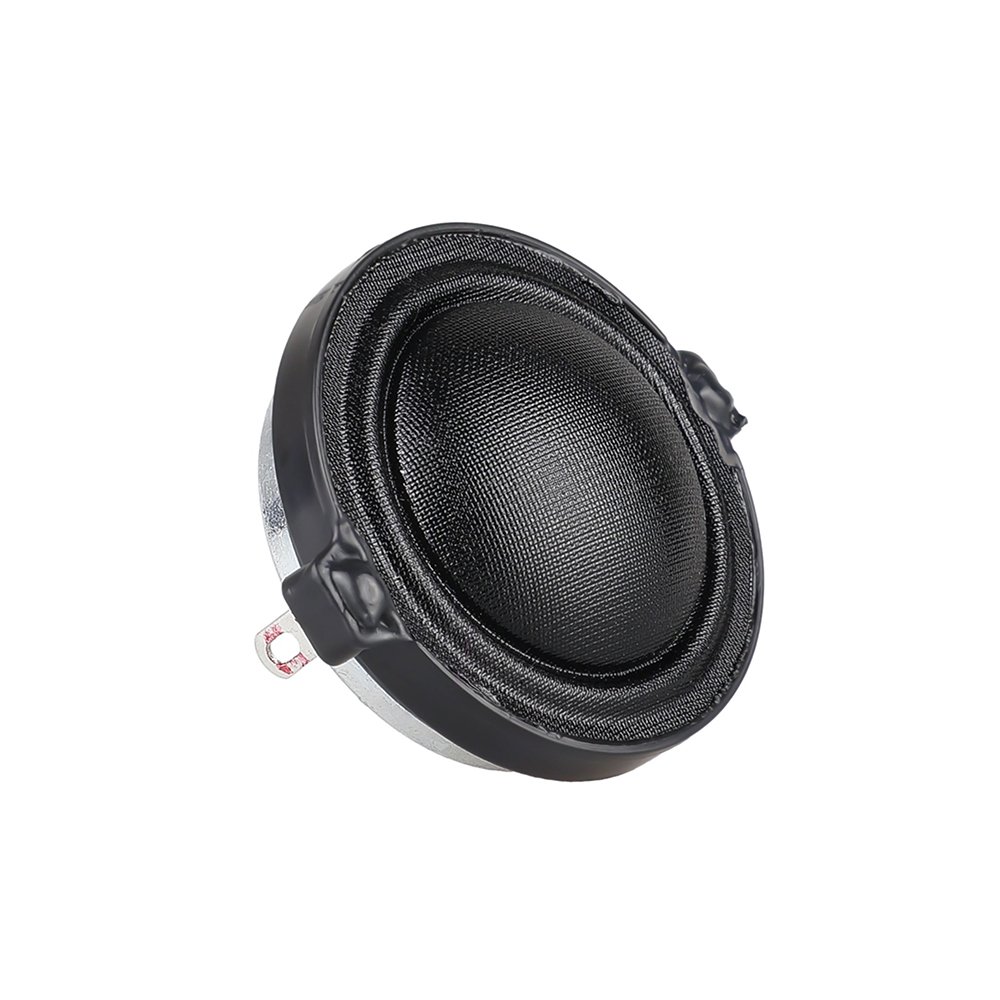
Il mondo della certificazione degli altoparlanti è un panorama sfaccettato di protocolli di sicurezza internazionali, norme di compatibilità elettromagnetica e parametri di riferimento prestazionali volontari. Navigare in questo panorama è cruciale per i produttori che mirano ai mercati globali e per i consumatori che cercano prodotti affidabili. Questo articolo approfondisce gli standard globali più significativi che certificano sia la sicurezza e il qualità oggettiva degli altoparlanti, fornendo una guida completa su cosa rappresentano realmente quei loghi e marchi di conformità.
Le fondamenta: obblighi di sicurezza e conformità elettromagnetica
Prima che un altoparlante possa essere valutato per la sua fedeltà sonora, deve prima essere dimostrato sicuro e non dannoso. Questi non sono obiettivi volontari, ma requisiti legali per l'accesso al mercato nella maggior parte dei paesi. Gli standard in questa categoria proteggono gli utenti da scosse elettriche, rischi di incendio e calore eccessivo, garantendo al contempo che il dispositivo non interferisca con altre apparecchiature elettroniche.
1. IEC/EN/UL 62368-1: Il parametro di riferimento globale per la sicurezza
Questo è lo standard fondamentale per le apparecchiature audio/video e informatiche. Ha armonizzato e sostituito standard precedenti come IEC/60065 (audio) e IEC/60950-1 (IT). IEC 62368-1 è uno standard internazionale, adottato come EN 62368-1 in Europa e strettamente allineato con UL 62368-1 negli Stati Uniti e in Canada.
La sua filosofia centrale è un approccio di ingegneria della sicurezza basata sui pericoli (HBSE) . Invece di prescrivere metodi di costruzione specifici, identifica potenziali fonti di energia (elettrica, termica, cinetica) e definisce misure di salvaguardia per proteggersi da esse. Per gli altoparlanti, ciò significa test rigorosi di isolamento, distanze di dispersione, stabilità dell'involucro e sicurezza dei terminali e dei connettori. La conformità a questo standard è quasi universalmente obbligatoria ed è spesso indicata da marchi di organismi notificati come TÜV, Intertek (ETL) o UL stesso.
2. Compatibilità elettromagnetica (EMC): FCC, CE e VCCI
Un altoparlante, specialmente uno attivo con amplificatori e processori di segnale digitale, è una potenziale fonte di emissioni elettromagnetiche. Gli standard EMC garantiscono che queste emissioni siano sufficientemente basse da non interferire con la radio, la televisione o altri servizi critici (EMI – Emissioni). Garantiscono inoltre che l'altoparlante possa funzionare correttamente quando sottoposto a interferenze esterne comuni come l'elettricità statica o i sovraccarichi di tensione (Immunità).
- ). FCC Parte 15 (USA):.
- Regola i radiatori non intenzionali. Qualsiasi altoparlante attivo venduto negli Stati Uniti deve superare i test FCC per dimostrare che non emette interferenze dannose. L'ID FCC o la Dichiarazione di Conformità sono indicatori chiave. Direttiva EMC CE (Europa):.
- Il marchio CE su un prodotto indica, tra l'altro, la conformità con la Direttiva EMC dell'UE. Ciò comporta test secondo standard come EN 55032 (emissioni) e EN 55035 (immunità). VCCI (Giappone):.
Il Voluntary Control Council for Interference fornisce un quadro di conformità simile per il mercato giapponese.
3. Normative ambientali e sui materiali: RoHS e REACH Sebbene non sia uno standard prestazionale, la conformità con le direttive UE sulla E Restrizione delle sostanze pericolose (RoHS) e su.
Registrazione, valutazione, autorizzazione e restrizione delle sostanze chimiche (REACH)
è cruciale. RoHS limita l'uso di materiali pericolosi specifici (es. piombo, mercurio) nei componenti elettrici, promuovendo una produzione e uno smaltimento più sicuri. REACH affronta le sostanze chimiche in modo più ampio. Queste normative influenzano la progettazione degli altoparlanti, in particolare per quanto riguarda saldature, cavi e materiali di finitura. La ricerca delle prestazioni: parametri di riferimento volontari per qualità e fedeltà. Oltre alla sicurezza, esiste un livello separato di standard per definire e certificare le.
prestazioni acustiche
. Questi sono generalmente volontari, ma hanno un peso immenso nel marketing e nella fiducia dei consumatori, differenziando i prodotti premium da quelli generici., 1. Certificazione THX: Il riferimento cinematografico Sviluppata dall'azienda di George Lucas, la.
certificazione THX“è uno dei marchi di prestazione più riconosciuti per l'audio home theater e professionale. Non è un singolo standard, ma un insieme di test rigorosi adattati a diverse categorie di prodotti (es. THX Certified Dominus, Ultra, Select per altoparlanti).”THX va oltre la semplice risposta in frequenza. Certifica che un altoparlante possa raggiungere livelli di pressione sonora (SPL) di riferimento per il cinema con bassa distorsione su tutta la sua larghezza di banda, garantisce una direttività controllata per una dispersione sonora ottimale in una stanza e convalida le prestazioni sia in posizioni di ascolto dedicate (.
"punto dolce"
) sia su un'area di pubblico più ampia. Un altoparlante certificato THX è progettato per riprodurre una colonna sonora cinematografica esattamente come inteso dall'ingegnere del mixaggio. 2. Certificazione Hi-Res Audio Poiché la musica digitale va oltre la qualità CD (44.1kHz/16-bit), l'etichetta.
Richiede che il sistema di altoparlanti (inclusi eventuali amplificatori integrati) sia in grado di riprodurre frequenze superiori a 40 kHz. Ciò non avviene perché gli esseri umani sentano suoni ultrasonici, ma perché la teoria sostiene che riprodurre accuratamente queste frequenze influenzi le armoniche e il comportamento temporale dei suoni all'interno della gamma udibile, portando a una maggiore “presenza” e dettaglio. La certificazione prevede misurazioni precise in camera anecoica per verificare questa risposta estesa alle alte frequenze con bassa distorsione.
3. CEA-2034-A (Spinorama) e ANSI/CTA-2075: Lo Standard dei Dati Oggettivi
Il Consumer Technology Association (CTA) standard CEA-2034-A, comunemente noto come “misurazione ”Spinorama" , sta diventando il riferimento globale de facto per confrontare oggettivamente le prestazioni degli altoparlanti. Non fornisce un giudizio di superamento/non superamento, ma offre un set di dati completo e standardizzato.
Un tavolo rotante dedicato misura l'emissione sonora dell'altoparlante in una camera anecoica in 70 punti attorno alla sua sfera. I dati risultanti includono:
- Risposta Sull'Asse
- Potenza Sonora (emissione acustica totale)
- Curva delle Prime Riflessioni
- Indice di Direttività
- Risposta Ambientale Prevista
Questo set di dati consente a esperti e software sofisticati (come l'Harman Preference Score open-source) di prevedere con precisione come un altoparlante suonerà in una stanza tipica. Pubblicazioni come Recensione di Audio Science basano l'intera loro metodologia di valutazione su questo standard. Il relativo standard ANSI/CTA-2075 definisce come riportare questi dati in modo uniforme.
Panoramica Comparativa degli Standard di Prestazione Chiave
| Standard / Certificazione | Focus Principale | Metriche di Prestazione Chiave | Ente Regolatore | Natura |
|---|---|---|---|---|
| IEC 62368-1 | Sicurezza Elettrica e Antincendio | Isolamento, Temperatura, Rischi Meccanici | Commissione Elettrotecnica Internazionale (IEC) | Obbligatorio (Requisito Legale) |
| FCC Parte 15 / CE EMC | Compatibilità Elettromagnetica | Emissioni Condotte e Irradiate, Immunità | FCC (USA), Commissione UE | Obbligatorio (Requisito Legale) |
| Certificazione THX | Prestazioni di Riproduzione Cinematografica | Capacità SPL, Direttività, Distorsione al Livello di Riferimento | THX Ltd. | Volontario (Benchmark di Prestazione) |
| 2. Certificazione Hi-Res Audio | Riproduzione Musicale ad Alta Fedeltà | Estensione della Risposta in Frequenza (>40 kHz), Distorsione | JAS / Digital Entertainment Group | Volontario (Benchmark di Prestazione) |
| CEA-2034-A (Spinorama) | Caratterizzazione Acustica Completa | Risposta Sull'Asse/Fuori Asse, Direttività, Suono Ambientale Previsto | Consumer Technology Association (CTA) | Volontario (Standard di Misurazione) |
L'impatto sull'industria e sulla scelta del consumatore
L'ecosistema degli standard plasma profondamente l'industria degli altoparlanti. Per i produttori, la conformità rappresenta un significativo centro di costo e di R&S. Navigare tra i diversi requisiti di FCC, CE e altri enti regionali richiede competenza. Perseguire certificazioni volontarie come THX implica partnership dirette e costi di licenza, ma offre un potente vantaggio competitivo e giustifica prezzi premium.
Per i rivenditori e integratori, queste certificazioni fungono da strumenti di selezione fondamentali. Semplificano il processo di raccomandazione, fornendo basi garantite di sicurezza e prestazioni.
Per il consumatore informato, comprendere questi standard è un fattore di empowerment. Sposta la decisione d'acquisto da affermazioni di marketing soggettive (“acuti nitidi, bassi potenti”) a capacità oggettive e verificate.
- A Il marchio CE/FCC/UL indica che il prodotto è sicuro e legalmente importato.
- Il 2. Certificazione Hi-Res Audio Il logo Hi-Res Audio.
- A 1. Certificazione THX: Il riferimento cinematografico indica un obiettivo progettuale di estrema precisione nelle alte frequenze.
- Il badge THX garantisce che possa riempire una stanza con un suono cinematografico di riferimento. L'accesso ai dati Spinorama.
(sempre più pubblicati da marchi come KEF, JBL e Genelec) consente un confronto tecnico approfondito tra i modelli. Secondo un'analisi di mercato del 2024 di Grand View Research, la dimensione del mercato globale dell'audio ad alta fedeltà è prevista raggiungere, 54,2 miliardi di USD entro il 2030.
Conclusione
, con una crescita a un CAGR del 15,4%. Questa crescita è direttamente collegata alla crescente consapevolezza dei consumatori riguardo ai parametri di qualità e alla proliferazione dei servizi di streaming ad alta risoluzione, rendendo le certificazioni di prestazione più rilevanti che mai.
Il percorso di un altoparlante dal concept del progettista al centro del soggiorno è lastricato di rigorosi standard internazionali. I quadri normativi obbligatori per la sicurezza e la compatibilità elettromagnetica—IEC 62368-1, FCC, CE—costituiscono la base non negoziabile, garantendo la protezione dell'utente e la compatibilità dei dispositivi. A questi si sovrappongono i parametri di prestazione volontari—THX, Hi-Res Audio e la verità oggettiva dei dati Spinorama—che definiscono le vette aspirazionali dell'ingegneria acustica.
In un'era satura di prodotti, queste certificazioni e standard tagliano il rumore di fondo. Forniscono un linguaggio comune per gli ingegneri, una tabella di marcia per i produttori e, soprattutto, una guida affidabile per i consumatori che investono nella profonda esperienza del suono di alta qualità. Quando vedete questi loghi e comprendete i decenni di consenso ingegneristico che rappresentano, non state solo guardando un adesivo di conformità; state assistendo a una promessa di sicurezza, qualità e integrità sonora.
Domande e risposte professionali sugli standard per altoparlanti
D1: Come progettista di altoparlanti, cosa è più impegnativo da rispettare: gli standard di sicurezza (come IEC 62368-1) o gli standard di prestazione (come THX)?. Presentano sfide diverse. La conformità alla sicurezza è un gate binario e non negoziabile.
La sfida risiede spesso nella miniaturizzazione degli amplificatori di Classe D e degli alimentatori a commutazione inseriti in piccoli altoparlanti attivi. Gestire la dissipazione del calore e garantire adeguate distanze di isolamento su circuiti densi, pur rimanendo in un formato compatto, richiede una progettazione meccanica ed elettrica ingegnosa. Il fallimento significa che non è possibile vendere legalmente il prodotto. La certificazione di prestazione è una sfida di ottimizzazione volontaria.
Qui, la difficoltà sta nel bilanciare obiettivi spesso contrastanti: ottenere una risposta in frequenza estesa e piatta, alta sensibilità, bassa distorsione e direttività controllata—il tutto entro vincoli di costo e dimensioni. La certificazione THX, ad esempio, richiede un'elevata potenza con bassa compressione, spingendo la tecnologia dei driver e degli amplificatori ai suoi limiti. Questa sfida riguarda l'eccellenza, non solo la conformità.
D2: Con l'avvento della correzione ambientale basata sull'IA (come Dirac Live, Audyssey), le misurazioni standardizzate delle prestazioni in ambiente stanno diventando meno importanti per l'utente finale?. Questo è un punto sfumato. Il software di correzione ambientale è uno strumento potente per compensare. le anomalie della stanza, ma non sostituisce un altoparlante ben progettato. I dati Spinorama CEA-2034-A, che includono la risposta prevista in ambiente, indicano cosa l'altoparlante tende naturalmente.
a fare in uno spazio. Un altoparlante con scarsa direttività o risonanze severe spingerà il software di correzione ambientale ai suoi limiti, introducendo spesso altri artefatti.
Pensatela così: la correzione ambientale è un eccellente sarto che può adattare un buon abito (un altoparlante con buone misure) alla vostra figura unica (stanza) perfettamente. Ma non può trasformare un sacco di iuta (un altoparlante mal progettato) in un abito su misura. Le misurazioni standardizzate rimangono il modo migliore per selezionare un "abito" di alta qualità in primo luogo.
D3: Con quale frequenza vengono aggiornati questi standard chiave e come influisce sui prodotti esistenti sul mercato?
- I cicli di aggiornamento variano: Standard di sicurezza (IEC 62368-1):.
- Aggiornati in cicli di 5-8 anni. La transizione dai vecchi standard 60065/60950 al 62368-1 è stata una revisione importante. Ai produttori viene concesso un periodo di transizione, ma i nuovi prodotti devono essere certificati secondo l'edizione più recente. I prodotti esistenti già sul mercato sono tipicamente "mantenuti in vigore" fino a quando non viene apportata una modifica progettuale significativa. Standard EMC (es. EN 55032):.
- Aggiornati più frequentemente, spesso ogni 2-4 anni, per affrontare nuove tecnologie e frequenze di emissione. Ciò richiede una vigilanza costante da parte dei team di conformità. Standard di prestazione (THX, Hi-Res):.
Questi sono controllati da entità commerciali e possono essere aggiornati con l'avanzare della tecnologia. Ad esempio, THX ha introdotto nuovi livelli come "Dominus" per sale home theater più grandi. I prodotti certificati esistenti mantengono la loro certificazione per il programma specifico superato, ma il marchio può richiedere una ricertificazione secondo nuovi programmi per nuovi modelli.