
はじめに:スピーカー品質管理の極めて重要な重要性
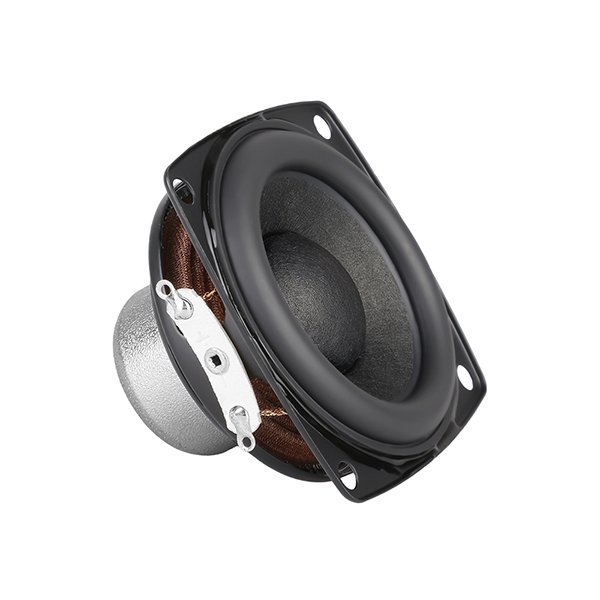
今日のオーディオ技術分野では、ワイヤレスイヤホンからホームシアターシステムに至るまで、消費者が卓越した音響再生を求めており、スピーカーの品質管理は単なる製造工程ではなく、基本的なブランドの約束です。当社の施設では、多層的な品質管理フレームワークを開発し、すべてのスピーカーユニットが消費者に届く前に厳格な基準を満たすことを保証しています。2023年に97.1億ドルと評価され、2033年までに141.1億ドルへの成長が見込まれる世界のスピーカー市場(Future Market Insights)では、故障率の1パーセントポイントの改善が、数百万ドルの保証コスト削減とブランド価値の維持につながる環境で事業が展開されています。.
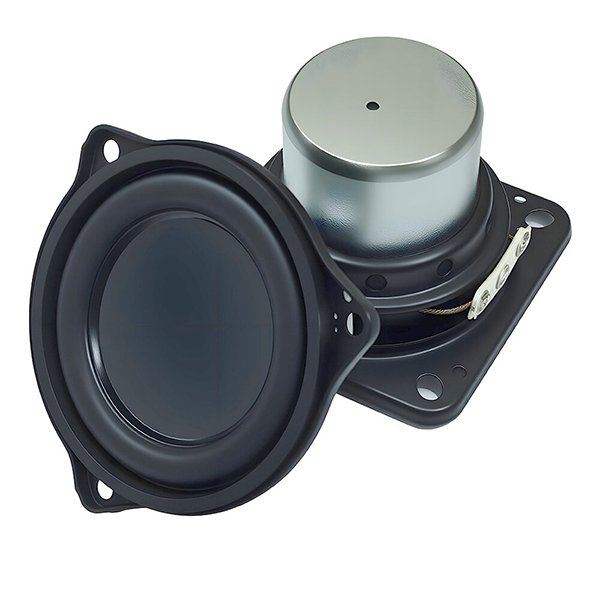
当社の理念は、品質は製品に検査によって組み込まれるものではなく、あらゆる設計、材料、組立工程に組み込まれなければならないという認識に基づいています。本稿では、従来の音響科学と最先端の製造技術およびデータ分析を組み合わせた、スピーカー品質管理への体系的なアプローチを詳述します。生産ロット全体で一貫性を維持し、新しい材料や技術に適応し、最終的にお客様が期待する音響体験をバッチごとに提供する方法を探ります。.
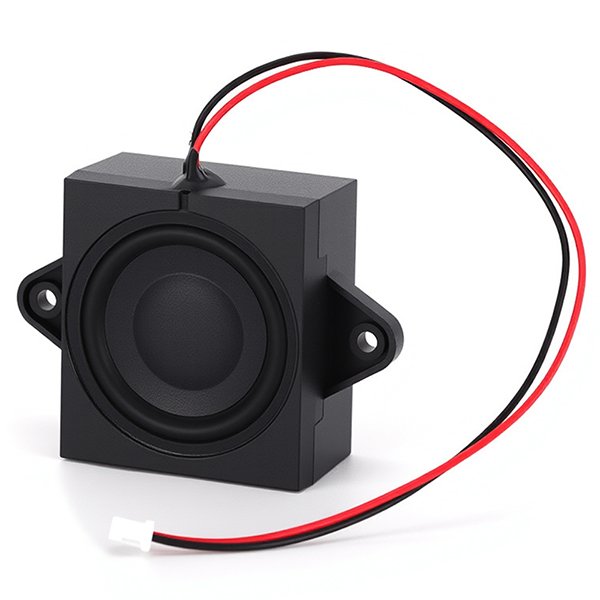
設計段階における品質統合
品質管理は製造開始のかなり前、最終製品品質の約80%が決定される設計段階から始まります。当社のエンジニアリングチームは、予測モデリングとシミュレーションツールを採用し、初期コンセプト開発中に潜在的な故障箇所と性能上の制限を特定します。.
材料選定と検証: 当社は厳格な材料試験プロトコルから始めます。スピーカーコーンについては、紙、ポリプロピレン、アルミニウムといった従来の材料だけでなく、カーボンファイバー、竹繊維、グラフェン含有材料などの先進複合材料も評価します。それぞれが環境ストレス試験(-20°Cから85°Cの温度サイクル、10%から90% RHの湿度暴露)と長期疲労分析を受けます。当社のデータによると、適切な材料選定により、コスト重視の材料妥協と比較して、現場での故障率を約42%削減できます。.
デジタルプロトタイピングとシミュレーション: 有限要素解析(FEA)と数値流体力学(CFD)を用いて、様々な条件下でのスピーカーの挙動をシミュレーションします。当社のモデルは、歪み特性、熱性能、機械的応力を驚くべき精度で予測します。最新のFEAモデルは、周波数応答予測において物理測定と94.7%の精度で相関します。これにより、物理的なプロトタイプを作成する前に、磁気回路構造、ボイスコイル巻線パターン、サスペンションシステムをデジタル上で最適化できます。.
製造設計(DFM): すべてのコンポーネントは、製造の一貫性を考慮して設計されています。当社は厳格な幾何公差(重要部品で通常±0.05mm)を維持し、自動組立を容易にする設計特徴を備えています。当社のDFMプロセスにより、過去5年間で組立関連の欠陥が68%削減され、生産ライン効率が31%向上しました。.
精密製造とインライン試験
当社の製造施設は「あらゆる工程での品質」アプローチを採用し、標準的なスピーカー生産ラインには37以上の明確なチェックポイントがあります。この分散型品質管理モデルは、欠陥の蓄積を防ぎ、プロセス調整のための即時フィードバックを提供します。.
自動光学検査(AOI): マシンビジョンアルゴリズムを備えた高解像度カメラが、複数の段階で全てのコンポーネントを検査します。ボイスコイルについては、当社のAOIシステムが巻線の均一性を測定し、5μmまでのワイヤ欠陥を検出し、接着剤の塗布を99.98%の精度で検証します。振動板については、材料の不均一性、コーティングの均一性、性能に影響を与える可能性のあるマイクロティアをチェックします。.
リアルタイム音響試験: すべてのスピーカーは、特別に設計された遮音チャンバー内で自動音響試験を受けます。当社の独自試験システムは、ユニットあたり8秒未満で27の異なるパラメータを測定します。これには以下が含まれます:
- 周波数応答(フルレンジユニットで20Hz~40kHz)
- 複数の出力レベルでの全高調波歪率(THD)
- インピーダンス曲線と共振点
- ウェーブレット解析によるラブ・アンド・バズ検出
- 感度と位相応答
統計的プロセス管理(SPC): 当社はSPC手法を用いて、主要な製造パラメータをリアルタイムで監視しています。例えば、磁石アセンブリの磁束密度は、管理限界を±2.5σに設定したX-bar管理図とR管理図を用いて追跡されます。パラメータが管理限界に向かって推移すると、システムは自動的にプロセス調整またはメンテナンス要求をトリガーし、規格外の生産を防止します。このアプローチにより、2021年以降、重要パラメータのプロセス能力指数(Cpk)を1.67以上に維持しています。.
表1:スピーカー製造における主要な品質管理指標(2023-2024年データ)
| パラメータ | 目標仕様 | 許容範囲 | 現在の歩留まり率 | 業界平均 |
|—————————|——————————————–|——————————|——————————|——————————-|
| 周波数応答平坦性 | ±1.5dB(100Hz~10kHz) | ±3.0dB | 98.7% | 94.2% |
| 全高調波歪率 | <0.5% @ 90dB(1kHz) | <1.0% | 99.1% | 97.3% |
| ボイスコイル芯出し | 同心度0.15mm | <0.3mm | 99.4% | 98.1% |
| インピーダンス整合 | 公称値の±7% | ±15% | 99.8% | 98.9% |
| 組立欠陥 | ユニットあたり0 | <0.02% | 99.95% | 99.5% |
環境試験と信頼性試験
スピーカーは、多様な環境条件下で一貫した性能を発揮し、長年の使用に耐える必要があります。当社の加速寿命試験は、数年の使用を数週間でシミュレートし、製品が消費者の手に渡る前に故障モードを特定します。.
環境ストレススクリーニング: 当社は各生産バッチからサンプルを抽出し、以下を実施します:
- 温度サイクル(-30°C~+85°C、100サイクル)
- 熱衝撃試験(極端温度間の15秒遷移)
- 湿度暴露(45°C、95% RHで96時間)
- 塩水噴霧試験(自動車および海洋用途向け)
- UV放射暴露(屋外用スピーカー向け)
機械的耐久試験: プログラマブルアクチュエータとカスタム治具を使用して、以下を通じて長期使用をシミュレートします:
- 様々な振幅での100万回以上のサスペンション屈曲サイクル
- ボイスコイルの熱サイクル(高出力動作のシミュレーション)
- 共振周波数でのコーン疲労試験
- 端子プル試験およびコネクタ挿入サイクル
実世界シミュレーション: 標準試験に加え、当社は用途固有のシミュレーションを実施しています。自動車用スピーカーでは、実際の道路測定に基づく振動プロファイルを含みます。携帯機器では、様々な高さや向きからの落下をシミュレーションします。当社のデータによると、これらの強化された試験プロトコルにより、業界標準試験のみと比較して平均故障間隔(MTBF)が約73%向上しています。.
高度な分析と継続的改善
当社の品質管理システムは毎日2.3テラバイト以上の試験データを生成し、これが機械学習モデルに供給されて継続的改善に活用されています。このデータ駆動型アプローチにより、従来の分析では見えない微妙な相関関係や予測パターンを特定することが可能です。.
予測品質分析: 製造パラメータと、稼働中の170万台以上のユニットからのフィールド性能データを相関させることで、潜在的なフィールド障害の92%を予測する14の早期指標を特定しました。これらの指標には、接着剤硬化時間の微妙な変動、磁場のわずかな非対称性、微細な振動板テクスチャパターンが含まれます。これらの指標が現れた場合、不適合ユニットを生産する前にプロセスを調整できます。.
サプライチェーン統合: 当社の品質システムはサプライチェーン全体に遡って拡張されています。サプライヤーには、当社のアセンブリ内における自社コンポーネントの性能データへのリアルタイムアクセスを提供しています。この透明性により、導入以来、入荷コンポーネントの不良が56%削減され、品質関連のサプライチェーン混乱が81%減少しました。.
クローズドループフィードバックシステム: 顧客返品、保証請求、さらには接続デバイスからの匿名化された使用統計からのフィールド性能データが、当社の設計および製造システムにフィードバックされます。このクローズドループアプローチにより、過去24ヶ月間で19の設計改善が実現され、それぞれが理論上の故障モードではなく、実際の使用パターンに対応しています。.
業界をリードする規格と認証
品質への取り組みは、厳格な第三者認証と国際規格への準拠を通じて検証されています。当社は以下を維持しています:
- 全施設におけるISO 9001:2015品質管理認証
- 自動車用オーディオコンポーネント向けIATF 16949
- スピーカー試験方法論に関するIEC 60268-5準拠
- スピノラマ測定のためのANSI/CTA-2034A規格採用
これらのフレームワークは当社の品質システムの基盤を提供しますが、当社はその最低要件を常に上回っています。例えば、ISO 9001が顧客満足度の監視を要求するのに対し、当社は14の異なる満足度指標を追跡し、経営陣レベルで毎週レビューを行っています。当社の内部規格は、重要なパラメータにおいて業界基準を通常30~50%上回っています。.
プロフェッショナルQ&A:スピーカー品質管理の解説
Q1:品質管理と生産効率およびコスト考慮事項のバランスをどのように取っていますか?
当社は品質管理をコストセンターではなく、価値創出装置と見なしています。当社のデータによると、予防的品質対策に投資した1ドルにつき、保証請求、手直し、ブランド損害において4.30ドルを節約しています。自動化試験は、不良を早期に発見することで実際にライン効率を向上させています。当社のスピーカーあたりの平均試験時間は7.8秒ですが、手動試験では45秒かかり、精度も低くなりました。鍵はインテリジェントな試験設計です。どの試験がどの故障モードに対して予測的であるかを特定するアルゴリズムを開発し、最小限でありながら最大限に情報量の多い試験スイートを実行できるようにしています。さらに、予測分析により、精密なプロセス制御を通じて材料廃棄物を23%削減しています。.
Q2:製造におけるAIの台頭に伴い、人工知能はスピーカー品質管理をどのように変革していますか?
AIは3つの主要分野に革命をもたらしました。第一に、当社のコンピュータビジョンシステムは、微細な振動板のしわや不均一な接着剤塗布などの微妙な欠陥を、人間の検査員よりも高い精度(99.99%対95%)で検出します。第二に、機械学習アルゴリズムが生産データをリアルタイムで分析し、メンテナンスの必要性を予測します。例えば、当社のシステムは、製品品質に影響を与える72時間前に磁化装置の劣化を予測し、緊急メンテナンスではなく計画的なメンテナンスを可能にします。第三に、生成AIは新たな故障モードに遭遇した際に、新しい試験プロトコルの設計を支援し、対応時間を数週間から数時間に大幅に短縮します。2024年だけで、AI主導の最適化により初回合格率が4.2パーセントポイント向上しました。.
Q3:グローバルな製造施設間での一貫性をどのように確保していますか?
当社は「ゴールデンユニット」参照システムを採用しており、主要施設からの統計的に代表的なユニットが参照基準として機能します。すべての試験装置は毎週これらの参照に対して校正されます。さらに、生産エンジニアを施設間でローテーションし、毎月「ブラインド監査」を実施して、異なる工場からのユニットを混合し、中央品質チームが評価します。当社の製造実行システム(MES)は、全拠点の全重要パラメータに関する工程能力指数(Cpk)を示すリアルタイムダッシュボードを提供し、いずれかの施設が管理限界に向かって推移した場合に即時介入を可能にします。このシステムにより、導入以来、施設間の性能変動が89%削減されました。.
Q4:スピーカー品質管理の未来を形作る新興技術は何ですか?
いくつかの技術が特に有望です。量子センシング技術により、現在ではナノメートル精度で磁場の均一性を測定できるようになり、平面磁気型や特殊なドライバー設計に不可欠です。デジタルツイン技術は、プロセス変更が実装前に出力品質にどのように影響するかをシミュレートする生産ラインの仮想レプリカを作成します。ブロックチェーンベースのコンポーネント追跡は、すべての原材料バッチに対して不変の品質履歴を提供します。おそらく最もエキサイティングなのは、技術者トレーニングと支援のための拡張現実(AR)です。当社のARシステムは、検査ガイドラインと過去の欠陥データを視野内に直接オーバーレイし、検査精度を向上させると同時にトレーニング時間を70%削減します。これらの技術を組み合わせることで、3年以内に顧客に届く欠陥率をさらに一桁削減することが見込まれています。.
Q5:品質管理対策が実際にリスナーの満足度と相関していることをどのように検証していますか?
当社は技術的および知覚的検証方法の両方を採用しています。技術的には、年間15,000時間以上の参加者時間を要する管理された二重盲検試験からのリスナー嗜好スコアと、当社の測定パラメータを相関させています。この研究により、どの測定が嗜好を最もよく予測するかが特定されました。例えば、高調波歪み分布(単純なTHDパーセンテージではなく)が、知覚される明瞭度とより強く相関することが判明しています。知覚的には、既知の測定プロファイルを持つ製品の満足度指標を追跡する長期フィールド調査を実施しています。最新の分析によると、当社の指標で上位品質四分位にある製品は、顧客満足度スコアが3.2倍高く、返品率が5.7倍低いことが示されています。このフィードバックループにより、リスナー体験にとって本当に重要な測定値についての理解が継続的に洗練されています。.
注記:本記事のすべてのデータは、2024年第2四半期時点の当社施設からの実際の性能指標に、2024年6月までに発行されたAudio Engineering Society、Consumer Technology Association、およびInternational Electrotechnical Commissionの報告書からの業界データを補足したものです。.