
はじめに:グローバルスピーカー製造の複雑なシンフォニー
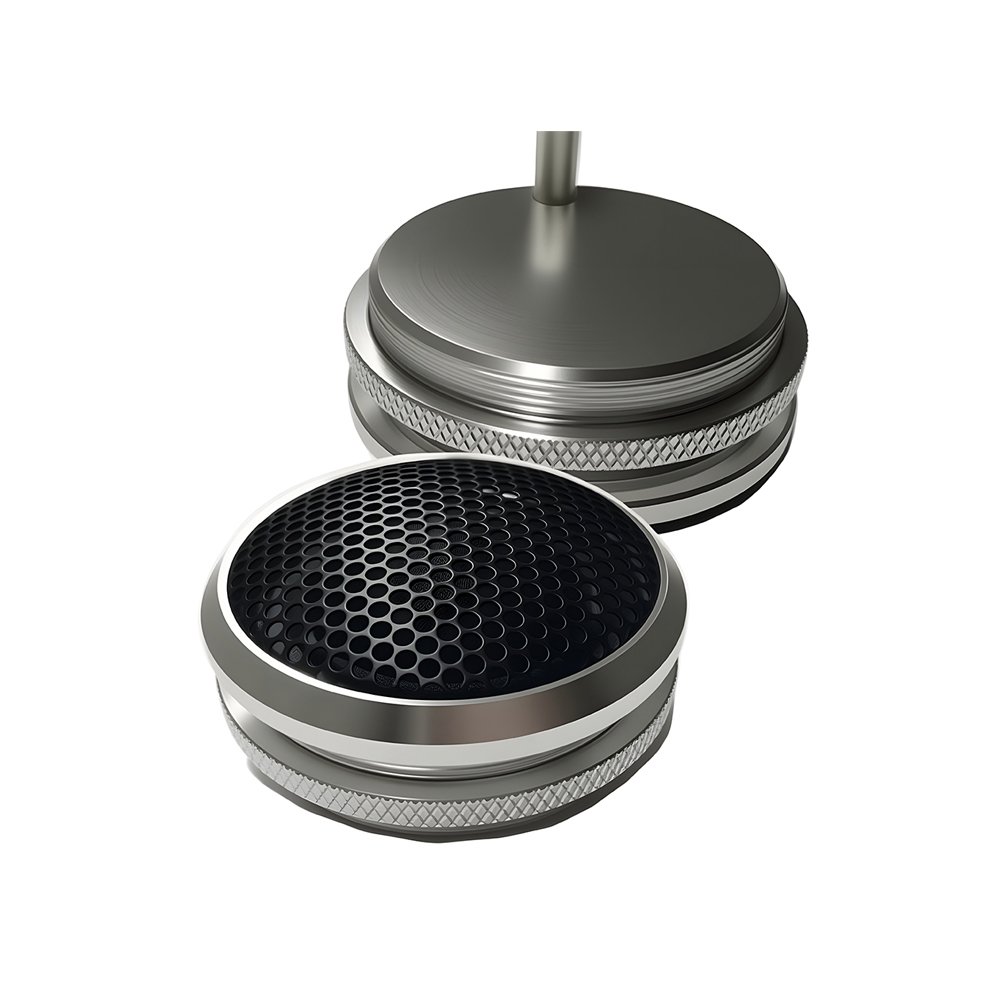
グローバルスピーカーサプライチェーンは、素材、技術、物流が大陸をまたいで見事に調整された体制を表しています。2024年に約 427億ドル と評価され、2029年までに 583億ドル, に達すると予測されるこの業界において、このネットワークを理解することは、単純な振動がどのように洗練されたオーディオ体験へと変わるかを明らかにします。この複雑なエコシステムは、中国のレアアース鉱山、ドイツの精密工学、ベトナムの組立工場、そして世界中のエンドユーザーを結びつけており、地政学的緊張、素材不足、加速する技術的要請に対処しています。COVID-19パンデミックはこのネットワークの重大な脆弱性を露呈し、スピーカー製造では部品不足により2022~2023年に リードタイムが23%延長 されました。今日のサプライチェーンは、地域化、デジタル化、持続可能な慣行を通じて適応しつつ、民生用、自動車用、プロフェッショナル用、スマートデバイスカテゴリーにわたり、年間 8億台以上のスピーカーユニット の流れを維持しています。本解説では、オーディオ技術を市場に届ける物理的およびデジタル的な経路を追跡し、私たちの音響環境を形作るスピーカーを生み出す各ノードの役割を検証します。.
部品調達:素材と部品を巡るグローバルな探求
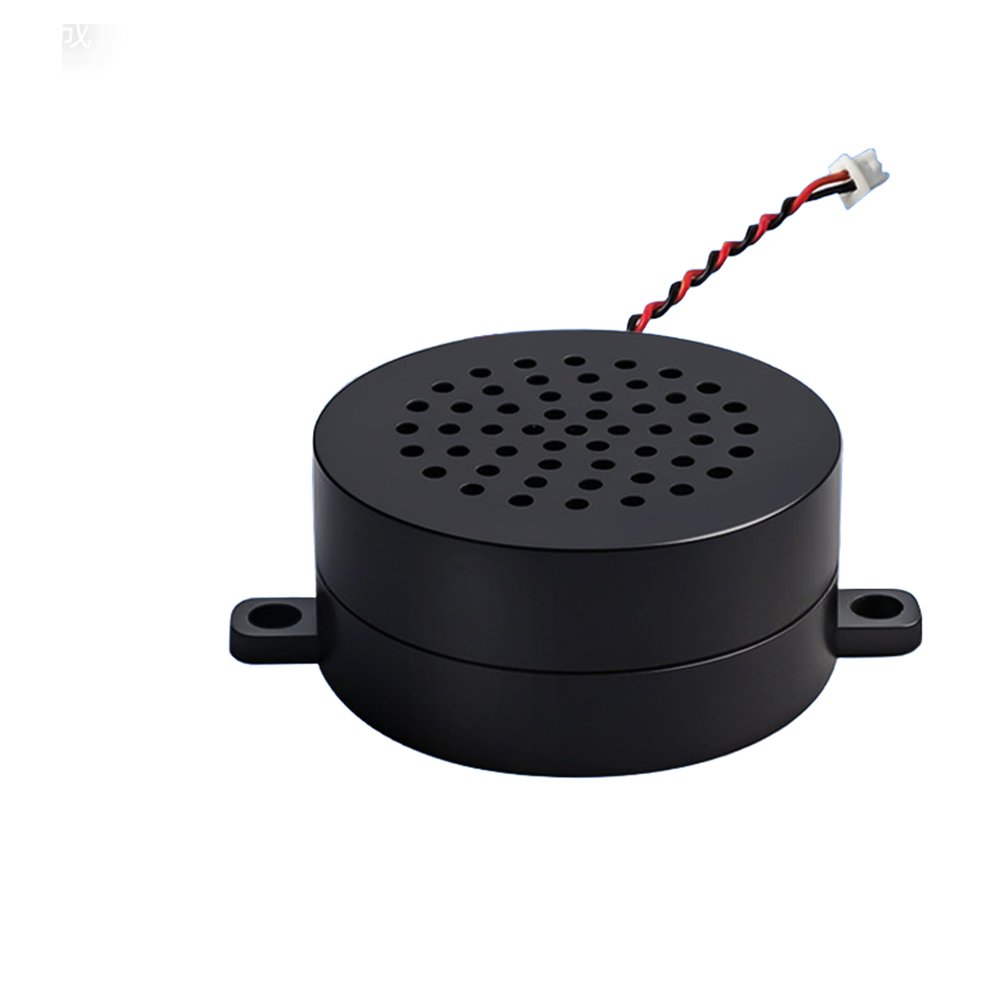
スピーカーサプライチェーンは、原材料が地球から採掘される地点に始まります。現代のスピーカーには 40種類以上の異なる素材, が必要であり、一部は深刻な供給制約に直面しています。特に強力なコンパクト磁石用のネオジムなどのレアアース元素は、中国の生産(世界供給の85~90%)に支配されており、地政学的依存を生み出しています。2021~2023年のネオジム価格の変動(ピーク時で+300%の上昇)により、メーカーは代替磁石技術の開発と調達先の多様化を余儀なくされました。.
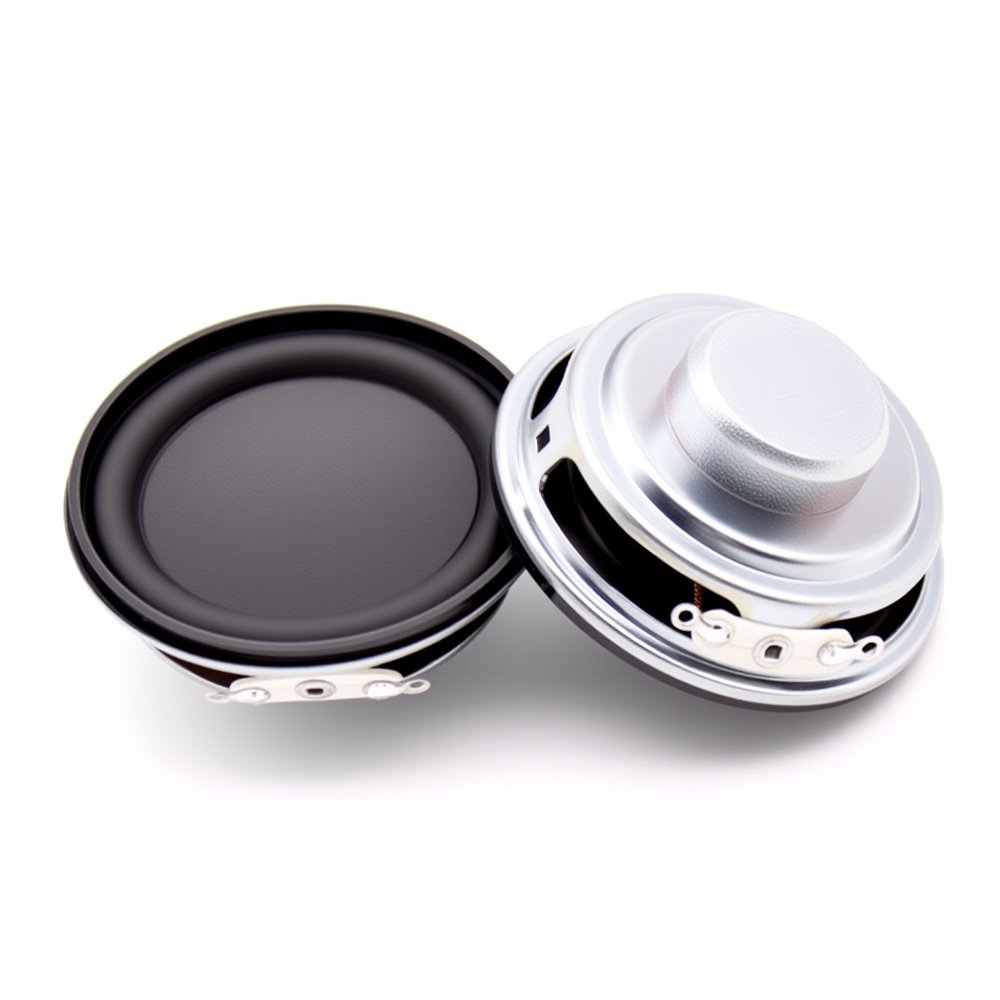
主要部品の原産地:
- 磁石システム: 中国がレアアース採掘を支配していますが、磁石の組立は世界的に行われており、ベトナムとフィリピンが生産シェアを2020年のわずか5%から 2024年には18%に増加 させています。.
- 振動板/コーン: 竹繊維、カーボンコンポジット、チタンなどの先進素材は、日本、ドイツ、米国の専門施設から供給されています。.
- ボイスコイル: アルミニウムおよび銅線の巻線施設は韓国、台湾、メキシコに集中しており、銅価格の変動が生産コストに直接影響を与えています。.
- バスケット/フレーム: アルミダイカストおよび鋼板プレス加工施設は、ベトナムと東欧に大幅に移転し、単一地域の製造への依存を低減しています。.
- サスペンションシステム: 特殊ポリマーと加工繊維は、ドイツ、米国、そして近年ではインドの化学工場から供給されています。.
表:主要スピーカー部品とその主要供給地域(2024年データ)
| 部品 | 主要素材 | 主要生産地域 | 新興代替地域 | 価格変動率(2023~2024年) |
|———–|——————-|—————————-|——————————|——————————|
| 磁石 | ネオジム、フェライト | 中国(78%) | ベトナム、ブラジル | 高(22%の変動) |
| 振動板 | 紙、コンポジット | 日本(41%) | 台湾、チェコ共和国 | 中(8%の変動) |
| ボイスコイル | 銅、アルミニウム | 韓国(34%) | メキシコ、ポーランド | 高(18%の変動) |
| フレーム | アルミニウム、鋼 | 中国(52%) | ベトナム、トルコ | 中(12%の変動) |
| サスペンション | ポリマー、繊維 | ドイツ(29%) | インド、マレーシア | 低(5%の変動) |
これらの部品の輸送はさらなる複雑さを生み出しています。「ジャストインタイム」から「ジャストインケース」への在庫戦略の転換により、倉庫保管コストは2020年以降 約30%増加 しており、メーカーは現在、パンデミック前の7~10日分に対し、 45~60日分 の重要部品在庫を維持しています。環境規制は素材選択を再形成しており、欧州連合のエコデザイン指令はリサイクル可能素材の採用を促進し、現在では2020年の22%から 約35% が新しいスピーカーデザインに使用されています。.
製造拠点:組立ネットワークと地域特化
グローバルなスピーカー組立は、技術能力と経済的要因のバランスが取れた専門地域に集中しています。東南アジアは現在、最終組立において 民生用スピーカーの68%を占めています。 ベトナム、マレーシア、タイからの調達が増加しており、2019年の52%から上昇。中国のシェアは減少しているものの、高複雑性のプロフェッショナルオーディオ機器および部品においては依然として重要である。.
地域別製造特化:
東南アジア拠点(ベトナム/タイ/マレーシア):
- 利点: 人件費 中国沿岸部より40~50%低い 自由貿易協定の拡大、確立されたエレクトロニクスエコシステム。.
- 能力: 大量生産の民生用スピーカー、サウンドバー、ポータブルBluetoothスピーカー。.
- インフラの課題: ピークシーズンにおける港湾の混雑により、出荷時間が 7~12日延長 中国の港湾と比較して。.
中国製造クラスター(広東省/浙江省):
- 利点: 比類なき部品エコシステム、高度な自動化(工場の38% がAI支援品質管理を導入)、および高スキルエンジニアリング。.
- 能力: プレミアムホームシアターシステム、プロフェッショナルスタジオモニター、複雑なドライバーアセンブリ。.
- 現在のシフト: 2015年以降の人件費上昇に伴い、高付加価値製品へ移行。 120% .
欧州精密センター(ドイツ/ハンガリー/ポーランド):
- 利点: プレミアム自動車および高級オーディオ市場への近接性、卓越した音響工学人材。.
- 能力: 高級オーディオファイル向けシステム、自動車OEM統合、特殊プロオーディオ機器。.
- 自動化レベル: 世界最高水準で 自動化生産比率52% (世界平均31%に対し)。.
北米技術拠点(メキシコ/アメリカ合衆国):
- 利点: USMCA貿易協定の恩恵、北米市場への近接性、迅速なプロトタイピング能力。.
- 能力: カスタム設置製品、業務用オーディオ、ブティック高級製造。.
- 国内回帰トレンド: ブランドの14% が2022年以降、一部生産をアジアから移管。主に小売価格1,500ドル以上の製品が対象。.
製造技術の導入状況は地域によって大きく異なる。中国とドイツの施設は自動光学検査(AOI)システムで先行しており、 プレミアムスピーカーラインの71% に導入され、微細な欠陥を検出している。一方、ベトナムの工場は協働ロボット(コボット)の導入を急速に進めており、2021年以降、設置数が増加し、コスト優位性を維持しながら労働力のスキルギャップに対応している。 400% .
物流と流通:グローバルな混乱を乗り越える
工場から世界市場へのスピーカーの物理的な移動は、パンデミック後に劇的に変化した。海上運賃はパンデミック時のピークからは低下したものの、 2019年平均より60%高い 水準にあり、スピーカーメーカーは製品コストの 8~12% を物流に割り当てている(従来は4~6%)。地域化戦略により、2021年以降、平均輸送距離は短縮され、ブランドは主要市場に近い場所に最終組立施設を設置している。 22% .
スピーカー流通における物流革新:
マルチモーダルな柔軟性: 主要メーカーは現在、重要な出荷に対して少なくとも 3つのルートオプション を持つ輸送プロトコルを設計し、単一障害点のリスクを低減している。中国から欧州への鉄道輸送によるスピーカー出荷比率は増加した。 18% 2024年には、2021年の9%から増加したが、輸送時間は長期化している。.
スマートパッケージング: IoT対応の輸送コンテナが現在監視している プレミアムスピーカー出荷の37%, 、性能に影響を与える衝撃、湿度、温度変動を追跡する。このデータにより、輸送中の損害請求が削減された 42% 導入以降。.
在庫インテリジェンス: AI主導の需要予測により、在庫精度が向上し 89% 2020年の73%から改善、戦略的な在庫配置が可能になった。ブランドは現在維持している 地域ハブ在庫 オランダ(EU)、メンフィス(北米)、シンガポール(アジア太平洋)にて、48時間以内の地域配送を実現。.
持続可能性への圧力: 輸送排出規制が変化を促しており、 ブランドの44% が現在、少なくともプレミアムラインでカーボンニュートラルな輸送オプションを利用し、物流コストに2~4%を追加するが、消費者および規制の要求を満たしている。.
消費者直販へのシフトが流通を再形成し続けており、 スピーカーの28% が現在、工場または地域ハブから消費者へ直接出荷され、従来の小売倉庫を迂回している。これには異なる包装(小売対応とバルク)が必要であり、特に大型で重量のあるタワースピーカーでは専門の運送業者が必要となることが多く、ラストマイル配送の複雑さを生み出している。.
技術と持続可能性:未来のサプライチェーンを再形成する
スピーカーのサプライチェーンを再構築している2つの変革的な力は、デジタル統合と環境への要請である。インダストリー4.0技術の採用により、サプライチェーンの可視性が向上し 2020年以降、リアルタイムで追跡される部品の割合が約35%から78%に増加 持続可能な材料調達を検証するためのブロックチェーンアプリケーションは現在、 プレミアムスピーカー生産の12%, をカバーしており、2027年までに40%に達する見込みである。.
持続可能な材料への移行:
- リサイクル含有量: スピーカーにおける平均リサイクル材料は、 2020年以降、18%から31%に増加 、消費者の需要とEU規制に牽引されている。.
- モジュール設計: メーカーの41% が現在、分解を考慮した設計を行い、標準化された部品により修理可能性が向上し、交換部品の物流が削減されている。.
- 循環型イニシアチブ: 回収プログラムにより、プロフェッショナルスピーカーの約 24% が再生またはリサイクル目的で回収されているが、消費者向けの回収率は8%未満にとどまっている。.
デジタル統合の進展:
- デジタルツイン: 大手メーカーの29% が現在、サプライチェーンの仮想レプリカを維持し、導入前に混乱をシミュレーションし、フローを最適化している。.
- 予測分析: 機械学習アルゴリズムが部品不足を事前に予測し 8~14週間 、2024年には74%の精度(2021年は52%)を達成。.
- 付加製造: 地域施設でのカスタムブラケット、導波路、プロトタイプの3Dプリントにより、開発リードタイムが短縮され 60% 、スペアパーツ物流が40%削減された。.
オーディオとIoTの融合により、まったく新しいサプライチェーン要件が生まれている。音声アシスタントを搭載したスマートスピーカーは現在、 ホームスピーカー市場の62%, を占め、従来のオーディオ部品とは異なる調達が必要なマイクアレイ、プロセッサ、ワイヤレスモジュールを必要とする。これにより、スピーカーブランドは半導体サプライチェーンに関与するようになり、2021年から2023年のチップ不足時の割り当て制約により、スマートスピーカーの発売の約 15%が遅延した。.
将来の展望:回復力、地域化、そして革命
2025年から2030年のスピーカーサプライチェーンは、純粋な効率性よりも回復力を優先する。地政学的緊張により、 ブランドの68% が包括的なチャイナプラス戦略を策定しており、ベトナム、インド、メキシコが主な受益国となっている。EU市場向けの東欧へのニアショアリングは、 140% 2022年以降、アジアの代替拠点と比較してコストが20~35%高いにもかかわらず、増加している。.
新たな混乱と適応:
- 貿易政策の影響: 最近の半導体輸出規制と潜在的なレアアース規制は、実施から 6~18ヶ月以内に 素材の流れを再形成する可能性がある。.
- 気候変動の脆弱性: スピーカー製造施設の53% が現在、洪水や熱ストレスのリスク上昇に直面しており、従来の集積地を超えた地理的多様化が必要となっている。.
- スキルの進化: 自動化は労働力不足に対処するが、新たな技術スキルを必要とし、メーカーは世界規模で労働者の再訓練に 年間32億米ドル を投資している。.
次の革命は、大規模な音響パーソナライゼーションとなるだろう。. マスカスタマイゼーションプラットフォーム により、バイヤーは音響チューニング、素材、美観を指定でき、10~14日以内に地域内で製造される。これには、サプライチェーンをプッシュ型(予測ベース)からプル型(受注ベース)へと再構成する必要があり、在庫管理や部品標準化に影響を及ぼす。.
2030年までに、持続可能な慣行は競争上の優位性から規制上の要件へと移行する。欧州連合が予定する デジタルプロダクトパスポート は、詳細なライフサイクル報告を義務付け、完全なサプライチェーンの透明性を強制する。循環型設計と低炭素物流でリードするブランドは、ますます意識の高い市場において、規制上のプレミアムと消費者のロイヤルティを獲得するだろう。.
プロフェッショナルQ&A:スピーカーサプライチェーンに関する洞察
Q1:米中間の最近の地政学的緊張は、具体的にスピーカーサプライチェーンにどのような影響を与えていますか?
A1:影響は多面的です。関税により米国向けスピーカーのコストが8~15%増加し、高級製品の最終組み立ての国内回帰を促しました。より重要なのは、先端半導体に対する輸出規制がスマートスピーカーの生産に影響を与え、企業が利用可能なチップを使用するために製品を再設計していることです。多くのブランドはサプライヤーに対し、中国のレアアース加工からの多様化を義務付けていますが、完全な切り離しは依然として非現実的です。最も大きな変化は東南アジアの施設への投資加速であり、ベトナムは2021年以降、スピーカー業界の海外直接投資として42億米ドル以上を受け入れています。.
Q2:現在のスピーカーサプライチェーンにおける最も重大な脆弱性は何ですか?
A2:3つの脆弱性が際立っています。第一に、ネオジム(85%が中国産)と特殊オーディオ半導体における単一ソース依存が残存しています。第二に、交通の要所、特にパナマ運河の干ばつと紅海の混乱により、主要ルートの輸送時間が10~25日増加しています。第三に、先進的なドライバー製造が特定の中国地域に集中していることで、地震や気候変動による混乱リスクが生じています。メーカーは、戦略的在庫(現在、重要部品で45~90日分)、サプライヤーの複数地域認定、ティア1ベンダーに対する契約上の多様化要件を通じて、これらの問題に対処しています。.
Q3:持続可能性は、スピーカーの材料調達をどのように変えていますか?
A3:持続可能性は4つの材料シフトを推進しています。第一に、リサイクル含有率の要件が高まっており、アルミフレームは以前の20%に対し、現在40~70%のリサイクル材料を含んでいます。第二に、紛争鉱物コンプライアンスがスズ、タングステン、タンタルから、バッテリーや磁石のコバルトにまで拡大しています。第三に、バイオベース材料が登場しており、植物由来のポリマーサスペンションやキノコベースの吸音材が新設計の12%に使用されています。第四に、修理可能性のためのモジュール設計により、ユニット全体をアジアに返送するのではなく、標準化された部品を用いた地域の修理センターを可能にすることで、交換部品の物流を削減しています。.
Q4:サプライチェーンの可視性を最も向上させる技術は何ですか?
A4:IoTセンサーとブロックチェーンの組み合わせが、最も変革的な可視性を提供します。現在、高級スピーカー部品の約35%が、原産地、カーボンフットプリント、品質データを追跡するデジタル製品メモリを搭載しています。AI搭載の予測分析は、人間が見逃すパターンを特定することで予期せぬ混乱を減らし、あるメーカーは工場設備のセンサーからの振動分析を使用して計画外のダウンタイムを62%削減しました。デジタルツイン技術は混乱シナリオのシミュレーションを可能にし、主要企業は港湾閉鎖や材料不足が発生する前に対応策をモデル化しています。.
Q5:AIと自動化は、スピーカー製造の分散化をどのように変えますか?
A5:AIは、最終市場に近い分散型マイクロファクトリーを可能にしています。コンピュータビジョンによる品質検査は、人間の精度に匹敵しながら10倍の速度を実現し、小規模施設でも専門の音響エンジニアを現場に置かずに品質を維持できるようにします。生成AIはロボット組み立て用の部品レイアウトを最適化し、モデル間の段取り替え時間を75%削減します。最も重要な分散化への影響は在庫最適化です。AI予測は現在、90日先の地域需要を88%の精度で予測し、戦略的な在庫配置を可能にすることで、航空貨物を出荷全体の25%から9%に削減しながら納期を維持します。これにより、中核部品が集中型の大量生産工場から効率的に流れる一方で、地域施設は最終カスタマイズに集中できます。.