
構想から現実へ:理想のスピーカーを設計しシミュレーションする
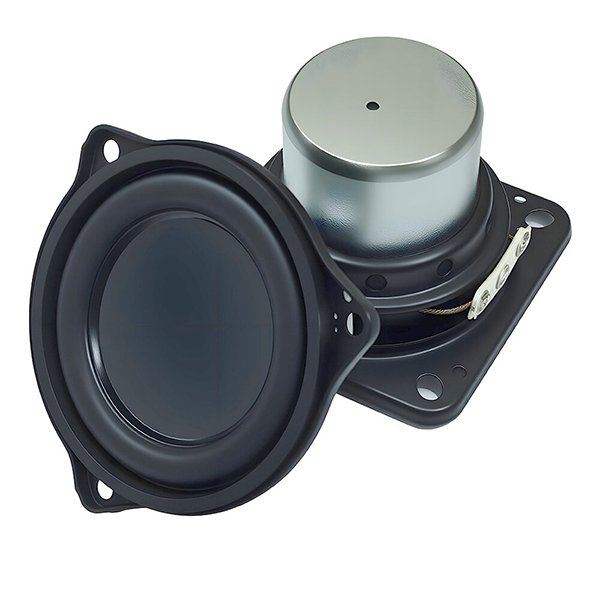
カスタムスピーカー製作の旅は、作業場ではなく、アイデアと精密なデジタルシミュレーションの領域から始まります。この初期段階は、その後のすべての基盤を築くため、間違いなく最も重要です。プロセスは、対象アプリケーションとユーザー要件の明確な定義から始まります。あなたは、クリティカルリスニング用のコンパクトなブックシェルフスピーカー、堅牢な屋外用ラウドスピーカー、または洗練された壁内ホームシアターシステムを設計していますか?各アプリケーションは、目標周波数特性、感度、許容入力、物理的サイズ制約など、大きく異なる設計パラメータを決定します。.
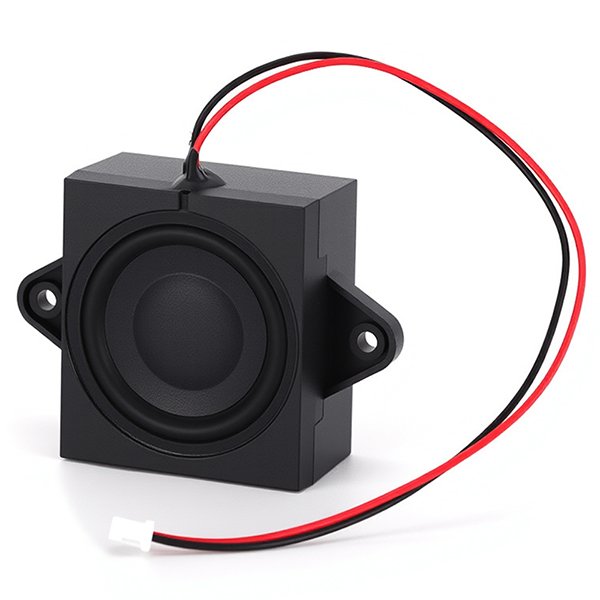
目標が定義されると、エンジニアや設計者は高度な音響シミュレーションソフトウェアに取り組みます。以下のようなツール 有限要素法(FEA), 境界要素法(BEM), 、および以下のような専門ソフトウェア COMSOL Multiphysics, ANSYS, 、または LEAP は、業界標準となっています。これらのプログラムは、スピーカーのコアコンポーネント(マグネットアセンブリ、ボイスコイル、コーン、エッジからなるドライバー)、エンクロージャー(ボックス)、およびクロスオーバーネットワークの仮想プロトタイピングを可能にします。2024年には、AI駆動の予測モデリングの統合によりこの段階が加速され、材料選択や形状に基づく潜在的な性能結果への迅速な洞察が提供されています。.
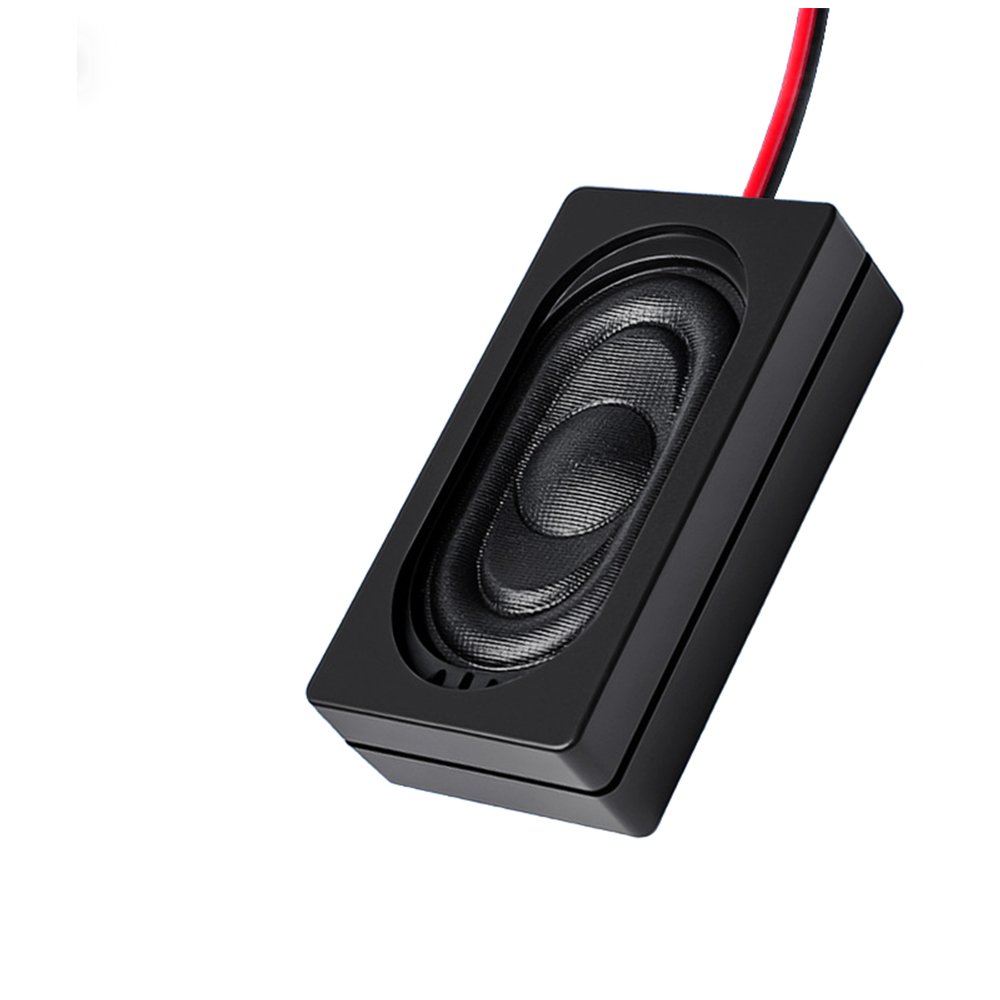
この段階の重要な部分は、 ティーレ/スモールパラメータ 分析です。生のドライバーから測定されるこれらの小信号パラメータは、ラウドスピーカーエンクロージャー設計の基盤です。これらは、共振周波数、電気的Q値、等価コンプライアンスなどのドライバーの基本特性を定義し、異なるエンクロージャータイプ(密閉型、バスレフ型、パッシブラジエーター型、トランスミッションライン型)でのドライバーの挙動をシミュレートするために使用されます。シミュレーションは、システムの周波数特性、低音域の拡張、および全体的な効率を予測します。このデジタル反復により、「もしも」のシナリオを迅速に探求し、物理的な材料が切断されるずっと前にキャビネット容積、ポートチューニング、ドライバー選択を調整でき、時間とコストを大幅に節約できます。.
表:スピーカー設計・シミュレーション用主要ソフトウェアツール(2024年)
| ソフトウェアツール | 主な使用用途 | 主な利点 |
| :— | :— | :— |
| COMSOL Multiphysics | フルマルチフィジックスシミュレーション(音響、構造、熱) | 複雑な相互作用の高忠実度モデリング |
| VituixCAD | クロスオーバー設計とオフアクシス応答シミュレーション | ネットワーク最適化のための直感的なインターフェース |
| LEAP(ラウドスピーカーエンクロージャー解析プログラム) | エンクロージャー設計とシステム統合 | 低周波解析における業界標準 |
| Klippel R&Dシステム | ドライバー測定と非線形モデリング | ドライバーパラメータ特性評価のゴールドスタンダード |
| ANSYS Mechanical | 構造解析と振動解析 | 機械的完全性の確保と歪みの低減 |
材料選定と初回物理プロトタイプ
検証済みのデジタルモデルがあれば、焦点は仮想から現実へと移ります。材料選定は、スピーカー設計において科学と芸術が出会う場所です。すべてのコンポーネント材料は、最終的な音響特性に深く影響を与えます。.
ドライバーコンポーネント: コーン材料(ペーパー、ポリプロピレン、アルミニウム、カーボンファイバー、または織物複合材)は、その剛性、制動特性、および重量に基づいて選択されます。例えば、2023年のトレンドでは、自然な中音域のために処理されたペーパーコーンの復活が見られる一方、 グラフェンコーティング振動板 のような先進材料は、その卓越した剛性対重量比により、ハイエンド設計で注目を集めています。エッジ(コーンをバスケットに接続する柔軟なリム)は完全にコンプライアントでなければならず、材料はフォーム、ゴムから高度な処理布地まで多岐にわたります。マグネット構造は、通常ネオジムまたはフェライトを使用し、必要な感度と制御のためのモーター強度を提供するようにサイズ設定されます。.
エンクロージャー構造: エンクロージャーの役割は、音響的に不活性であることです。キャビネット壁の共振は音を着色し、不要なノイズを加えます。材料は、 高密度ファイバーボード(HDF)および中密度ファイバーボード(MDF)—密度と加工の容易さから長年にわたり好まれている材料—から、 バーチ合板、アルミニウム複合材、または成形ポリマー. のようなより特殊な材料まで多岐にわたります。迅速なプロトタイピングには、, 3Dプリンティング がこの段階に革命をもたらしました。 硬質フォトポリマー樹脂またはナイロン複合材, のような材料を使用することで、設計者は数日で機能的な複雑なキャビネット形状を製作でき、当初は木材から加工するには法外なコストがかかるであろう導波路、バッフル形状、内部補強構造のテストが可能になります。.
The assembly of the 初回物理プロトタイプ の組み立ては、細心の注意を要するプロセスです。この「アルファ」プロトタイプは、デジタルモデルの正確な仕様に従って構築されます。精度が最も重要です。ドライバー開口部、ポート寸法、内部容積は、その精度を検証するためにシミュレーションと一致しなければなりません。このプロトタイプは、仕上げが粗いことが多く、純粋に機能的なテストベッドです。.
測定、試聴、反復のサイクル
ここで理論が実践と出会い、プロトタイピングの反復的な核心が始まります。最初のプロトタイプは、厳格な客観的および主観的評価を受けます。.
客観的テスト は、制御された環境で実施され、通常は 無響室 または、よりアクセスしやすいセットアップの場合、, ゲート信号を用いた準無響測定技術. 測定用マイクロフォンおよびシステム(例: Audio Precision または Klippel ハードウェア/ソフトウェア)を使用して、包括的なデータセットを取得する:
- 周波数特性: 軸上および軸外(水平および垂直)の測定により、音色バランスと指向性を明らかにする。.
- インピーダンス曲線: エンクロージャのチューニングを検証し、ドライバーの共振を明らかにする。.
- 高調波歪み(THD、IMD): 様々な出力レベルにおける非線形歪みを定量化する。.
- ステップ応答および累積スペクトル減衰(ウォーターフォールプロット): 時間領域の挙動と共振の減衰を可視化する。.
シミュレーションからの有意な逸脱は、根本原因分析を促す。低音の応答が予測より弱い場合、おそらく考慮されていないエアリークが存在する。中域にピークがある場合、キャビネット共振またはドライバーのブレークアップモードが原因である可能性がある。.
主観的リスニングテスト も同様に重要である。エンジニアと熟練リスナーは、調整されたリスニングルームでプロトタイプを評価する。音色の正確性、サウンドステージ、イメージング、ダイナミックインパクト、およびリスナー疲労を評価する。評価結果は客観的データと比較される。スピーカーがフラットに測定されても鈍く聞こえる場合があり、これは標準的なプロットでは完全に捉えられないオフアクシス応答や歪み特性に問題があることを示すことが多い。.
これにより、 反復ループが生まれる:テスト→分析→修正。クロスオーバーコンポーネントの値を微調整する(コンデンサを4.7µFから3.9µFに変更する)ことで、高域のピークを抑えられる場合がある。内部に制振材を追加することで、定在波を抑制できる。ポート長を数ミリ調整することで、低音のチューニング周波数を微調整できる。変更のたびに、新しいプロトタイプまたは修正が行われる。場合によっては新しいクロスオーバーボードのみ、場合によっては修正されたキャビネットパネルが作成される。このサイクルは、設計が性能目標に収束するまで数十回繰り返されることがある。.
最終検証、文書化、および量産準備
プロトタイプがすべての主要性能基準(測定および聴感評価の両方)を満たすと、 最終検証段階. に入る。この段階では、設計が高性能であるだけでなく、堅牢で、製造可能であり、かつ一貫性があることを保証する。.
ストレスおよび信頼性試験: プロトタイプは、長時間の高出力動作、温度サイクル、および湿度暴露にさらされ、コンポーネント、接着接合部、および材料の耐久性が試験される。ボイスコイルが過熱してはならず、エッジが変形してはならず、キャビネットの仕上げにひび割れが生じてはならない。.
製造可能性レビュー: 設計は以下の点についてレビューされる。 設計の製造容易性(DFM). キャビネットは生産ラインで効率的に組み立て可能か?選択されたドライバーは持続可能な数量で入手可能か?クロスオーバーコンポーネントは信頼できるサプライヤーから調達されているか?すべての部品に公差が定義される。例えば、キャビネットの内部容積には±2%の公差が設定され、クロスオーバーの重要なコンデンサには1%の公差が設定され、ユニット間の一貫性が確保される。.
ゴールデンサンプルの製造: 最終プロトタイプの小ロット(しばしば “「ゴールデンサンプル」” または “または「パイロットラン」” ユニットと呼ばれる)が、意図された製造工程と材料を使用して製造される。これらのユニットは再度全試験を受ける。その測定値は、 基準データセット を作成し、これに対して将来のすべての量産ユニットが品質チェックされる。このデータは、スピーカーの技術仕様書の基礎も形成する。.
文書化が完了する, 。これには以下が含まれる:
- 承認されたベンダーリストを含む詳細な部品表(BOM)。.
- 包括的な組立指示書とトルク仕様。.
- 品質管理(QC)のための最終化された音響および電気試験手順。.
- 安全な輸送を確保するためのパッケージデザイン。.
この段階が完了し、承認された後にのみ、設計は本格的な量産に移行する。プロトタイピングプロセスはプロジェクトのリスクを低減し、組立ラインから出荷される製品が、最終的に完成したプロトタイプの性能を忠実に再現することを保証する。.
カスタムスピーカープロトタイピングに関するプロフェッショナルQ&A
Q1: 高度なシミュレーションソフトウェアの台頭により、物理的なプロトタイプは依然として必要ですか?
A: 絶対に必要です。シミュレーションの精度は劇的に向上しましたが、物理的なプロトタイプは依然として不可欠です。シミュレーションは理想化されたモデルで動作し、微妙な材料の不均一性、高振幅での複雑な非線形挙動、接着接合部の影響、最終的な仕上げやグリルの音響的影響など、すべての現実世界の変数をまだ考慮できません。プロトタイプは究極の真実を明らかにするものであり、シミュレーションを検証し、予期しない相互作用を明らかにします。また、オーディオ製品開発において譲れない要素である主観的リスニングテストにも不可欠です。.
Q2: プロトタイピングプロセスにおいて、最も一般的なボトルネックまたは時間がかかる部分は何ですか?
A: 規格の解読:IPX5とIPX7の実際の意味 反復ループ テストと修正の間の反復は、しばしば最も時間がかかるフェーズです。新しいクロスオーバーコンポーネントの出荷待ち、機械工場による修正キャビネットパネルのフライス加工待ち、または3Dプリント部品の完成待ちは、各サイクルに数日を追加する可能性があります。そのため、3Dプリンティングやモジュラークロスオーバーブレッドボードのようなラピッドプロトタイピング技術は非常に価値があります。これらはこの反復時間を劇的に短縮します。さらに、主観的なリスニング印象に関するコンセンサスを得ることも、タイムラインを延長する可能性があります。.
Q3: 中小規模のオーディオ企業にとって、典型的なカスタムスピーカープロトタイピングプロセスのコストはどのくらいですか?
A: コストは非常に変動しますが、相当な額になる可能性があります。単一の新しいスピーカーモデルの場合、専門的なプロトタイピングプロセスは、 15,000ドルから50,000ドル以上. の範囲になります。これには、エンジニアリング時間(最大のコスト)、シミュレーションソフトウェアライセンス、測定機器へのアクセス、複数のプロトタイプ反復のための材料、および特殊な機械加工や3Dプリンティングのコストが含まれます。ハイエンドまたは複雑な設計(例:同軸ドライバーや完全アクティブDSPベースのシステム)は、コストをより高額に押し上げる可能性があります。この投資は、コストのかかる物理的反復の回数を最小限に抑えるために、徹底的なデジタルシミュレーションが使用される理由を強調しています。.
Q4: 2024年におけるスピーカープロトタイピング効率化の主要トレンドは何ですか?
A: The integration of AIと機械学習 従来のシミュレーションツールとの統合は主要なトレンドである。AIアルゴリズムは現在、目標パラメータに基づいて最適化された設計を提案し、材料データから歪み特性を予測し、シミュレーション結果と測定データを自動的に関連付けてモデルの精度を向上させることができる。さらに、, クラウドベースのコラボレーションプラットフォーム により、音響技術者、電気技術者、機械設計者からなる分散チームが同一のプロトタイプデータにリアルタイムでアクセスでき、意思決定プロセスを大幅に迅速化することが可能となる。.