
Die wachsende Nachfrage nach markengebundenen Audiolösungen
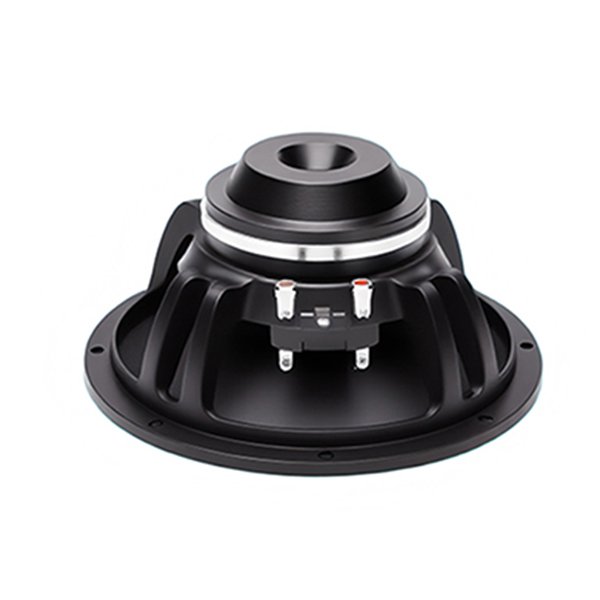
In einem zunehmend wettbewerbsintensiven Markt suchen Unternehmen ständig nach innovativen Wegen, um Markensichtbarkeit und Kundenbindung zu fördern. Kundenspezifische Logo-Lautsprecher haben sich als leistungsstarkes Instrument für Unternehmensbranding, Werbekampagnen und Premium-Merchandise etabliert. Der globale Markt für markengebundene Audiogeräte wird laut dem Bericht des Audio Branding Institute 2024 bis 2025 voraussichtlich 42,7 Milliarden US-Dollar erreichen, wobei kundenspezifisch gebrandete Produkte mit einem jährlichen Wachstum von 18,3 % das am schnellsten wachsende Segment darstellen. Unternehmen von Tech-Start-ups bis hin zu Fortune-500-Konzernen investieren in kundenspezifische Audioprodukte, da sie deren Doppelfunktion als praktische Geräte und beständige Markenbotschafter erkennen.
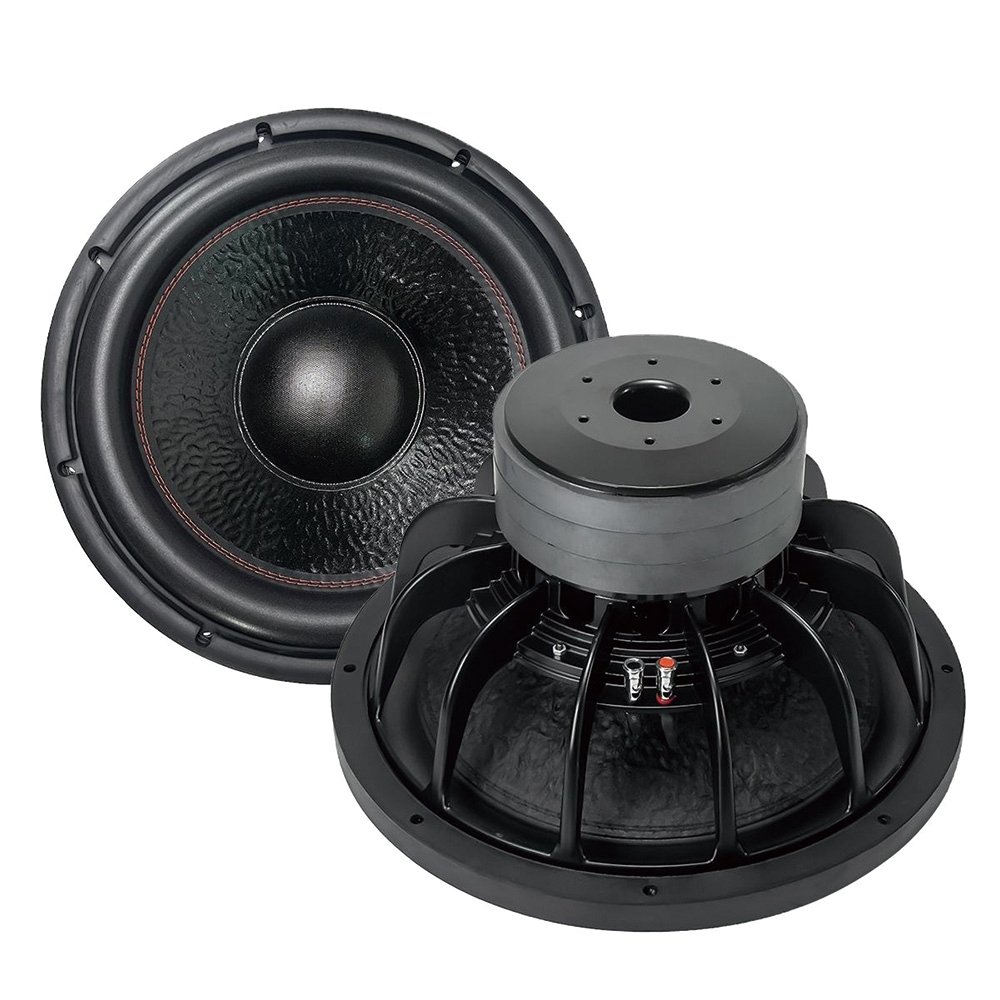
Die Psychologie hinter diesem Trend ist aufschlussreich: Studien zeigen, dass Kunden gebrandete Audioprodukte 4- bis 7-mal häufiger nutzen als andere Werbeartikel, mit einer durchschnittlichen täglichen Nutzungsdauer von 45 bis 180 Minuten. Dies bietet eine beispiellose Markenexposition im Vergleich zu traditionellen Marketingkanälen. Darüber hinaus berichten 68 % der Marketingverantwortlichen von einer höheren Kapitalrendite durch kundenspezifische Audioprodukte im Vergleich zu konventionellen Werbemethoden, insbesondere wenn diese Produkte mit dem technologischen Image der Marke oder den Interessen der Zielgruppe übereinstimmen.
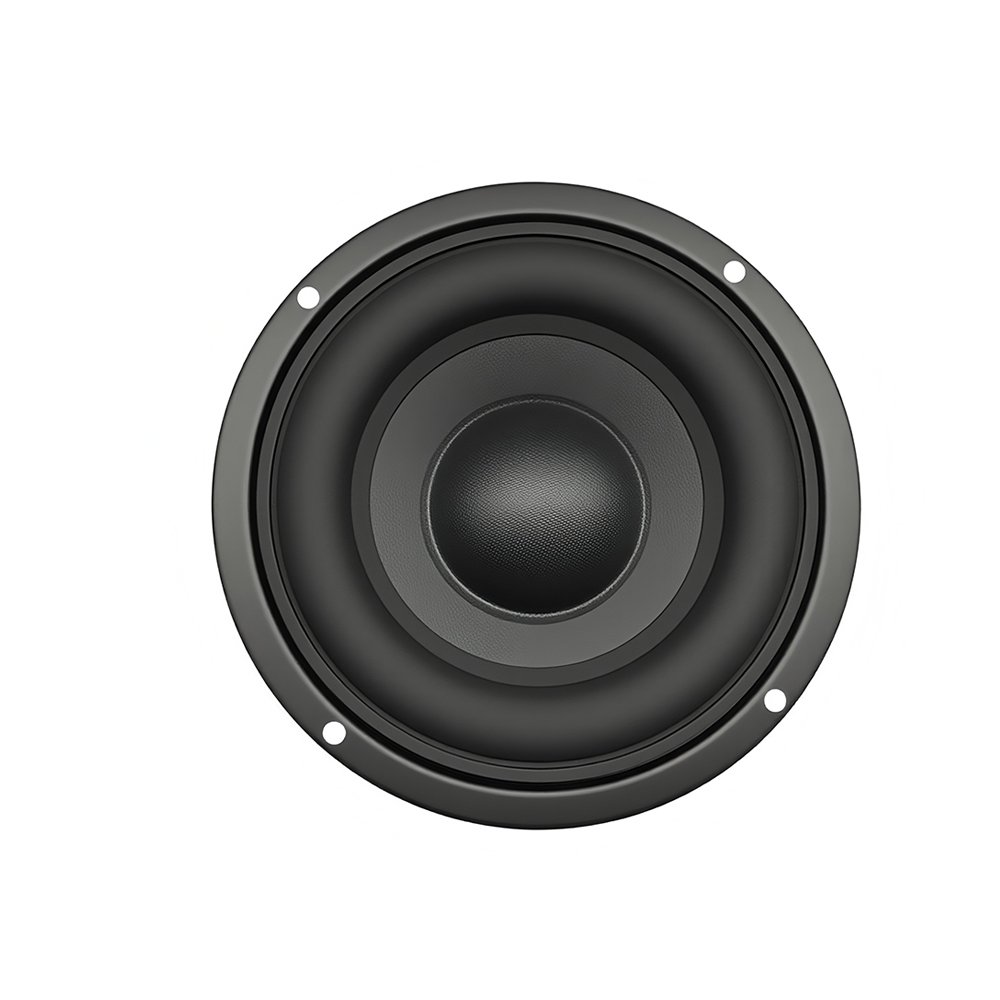
Die Attraktivität geht über die bloße Platzierung von Logos hinaus. Moderne Verbraucher suchen zunehmend nach personalisierten Produkten, die ihre Identität und Zugehörigkeit widerspiegeln. Kundenspezifische Lautsprecher erfüllen diesen Wunsch und bieten gleichzeitig echten Nutzen – eine entscheidende Abgrenzung zu Einweg-Werbeartikeln. Ob bei Firmenveranstaltungen verteilt, in Premium-Produktpakete integriert oder als gebrandete Merchandise-Artikel verkauft – Logo-Lautsprecher hinterlassen durch visuelles Branding und akustische Erlebnisse bleibende Eindrücke.
Technische Grundlagen der Lautsprecherherstellung
Der Herstellungsprozess für kundenspezifische Logo-Lautsprecher beginnt mit grundlegenden akustischen Ingenieurprinzipien, die die Klangqualität bestimmen. Die moderne Lautsprecherfertigung kombiniert Präzisionstechnik mit fortschrittlicher Materialwissenschaft, um Produkte zu schaffen, die sowohl akustische als auch Branding-Anforderungen erfüllen müssen.
Kernkomponenten und ihre Funktionen:
- Treibereinheiten: Das Herzstück jedes Lautsprechersystems, verantwortlich für die Umwandlung elektrischer Signale in Schallwellen. Kundenspezifische Lautsprecher verfügen oft über spezialisierte Treiber, die für bestimmte Frequenzbereiche optimiert sind.
- Gehäuse: Nicht nur aus ästhetischen Gründen, sondern auch für die akustische Leistung konzipiert. Das Gehäusematerial, die Form und das Innenvolumen beeinflussen die Klangqualität erheblich.
- Frequenzweichen: Elektronische Komponenten, die Audiosignale in verschiedene Frequenzbereiche aufteilen und an die entsprechenden Treiber leiten.
- Verstärkung: Integrierte Schaltkreise, die Audiosignale verstärken, um Lautsprecher effektiv anzutreiben.
- Konnektivität: Moderne Einheiten integrieren Bluetooth 5.3, Wi-Fi, USB-C und manchmal proprietäre Verbindungsprotokolle.
Der Herstellungsprozess durchläuft typischerweise diese Phasen:
1. Design- und Prototyping-Phase
Diese Anfangsphase wandelt konzeptionelle Anforderungen in greifbare Designs um. Akustikingenieure nutzen spezialisierte Software wie COMSOL Multiphysics oder ANSYS, um Schallausbreitung, Frequenzgang und Wärmemanagement zu simulieren. Industriedesigner arbeiten gleichzeitig an ästhetischen Elementen und stellen sicher, dass die physische Form Branding-Elemente aufnimmt, ohne die akustische Integrität zu beeinträchtigen. Modernes Prototyping verwendet 3D-Drucktechnologien, die funktionale Lautsprechergehäuse aus Materialien wie Photopolymerharzen bis hin zu Nylonverbundstoffen herstellen können, was schnelle Iterationen ermöglicht.
2. Materialauswahl und Beschaffung
Materialentscheidungen haben tiefgreifende Auswirkungen auf die akustische Leistung und die Fertigungsmöglichkeiten für die Individualisierung. Die folgende Tabelle zeigt gängige Materialien und ihre Anwendungen:
| Materialtyp | Typische Anwendungen | Akustische Eigenschaften | Individualisierungsaspekte |
|---|---|---|---|
| ABS-Kunststoff | Gehäuse, Gitter | Dicht, minimale Resonanz | Hervorragend für geformte Logos, in verschiedenen Farben erhältlich |
| Aluminium | Gehäuse, Akzente | Starr, neutraler Klang | Lasergravur eloxierter Oberflächen |
| Holzverbundstoffe | Gehäuse | Warmer Klangcharakter | Holzbrand, eingelegte Logos |
| Gewebe | Lautsprechergitter | Akustisch transparent | Sublimationsdruck, Stickerei |
| Silikon/Gummi | Schutzelemente | Vibrationsdämpfung | Geformtes Branding möglich |
Jüngste Fortschritte in der Materialwissenschaft haben nachhaltige Alternativen eingeführt, die die akustische Wiedergabetreue bewahren und gleichzeitig die Nachhaltigkeitsnarrative von Marken unterstützen. Laut dem Sustainable Audio Manufacturing Report 2024 bestehen etwa 23 % der kundenspezifischen Lautsprecherfertigung aus biobasierten Polymeren und recycelten Materialien.
3. Treiberfertigung und Montage
Die Treiberproduktion stellt die technisch anspruchsvollste Phase dar. Schwingspulen werden mit Präzisionstoleranzen unter 0,01 mm gewickelt, Magnete werden auf spezifische magnetische Flussdichten kalibriert, und Membranen werden mit Materialkonsistenz gefertigt, die für eine gleichmäßige Leistung entscheidend ist. Für kundenspezifische Lautsprecherlinien modifizieren Hersteller oft Standardtreiberdesigns, um spezifische, von Kunden angeforderte Frequenzgangprofile zu erfüllen, insbesondere wenn Marken möchten, dass ihre Audioprodukte bestimmte Klangeigenschaften betonen, die mit der Markenpersönlichkeit übereinstimmen (z. B. “klare Höhen” für Technologiemarken oder “tiefe Bässe” für jugendorientierte Unternehmen).
Integration der Individualisierung in die gesamte Produktion
Die Integration von Branding-Elementen erfolgt in mehreren Fertigungsphasen, die jeweils spezialisierte Techniken erfordern, um die Produktintegrität zu wahren.
Methoden zur Gehäuseindividualisierung:
- Spritzguss mit Logo-Integration: Für die Massenproduktion werden Logos direkt in die Formdesigns integriert. Dies schafft nahtloses Branding mit hervorragender Haltbarkeit. Moderner Mehrkomponenten-Spritzguss ermöglicht kontrastierende Farben für Logos ohne zusätzliche Lackierschritte.
- Lasergravur und -ätzung: Besonders effektiv auf Metall- oder dichten Kunststoffoberflächen können Lasersysteme äußerst detaillierte Logos mit einer Präzision von bis zu 0,001 Zoll erzeugen. Diese Methode bewahrt die Materialintegrität und schafft gleichzeitig dauerhaftes Branding.
- Sublimation Printing: For fabric-covered speakers or specific plastic types, sublimation allows full-color logo reproduction that becomes part of the material rather than sitting atop it.
- UV Printing: Advanced printing technology that creates vibrant, durable logos on various surfaces without requiring specific material porosity.
Electronic and Software Branding:
Modern speakers extend branding beyond physical elements. Custom power-on sounds, LED illumination synchronized with brand colors, and companion mobile applications with branded interfaces create cohesive brand experiences. Manufacturing facilities specializing in custom audio products maintain software teams that develop these digital branding elements alongside hardware production.
Quality Control with Branding Considerations:
Custom products require enhanced quality assurance protocols. Beyond standard acoustic testing (frequency response, total harmonic distortion, sensitivity measurements), manufacturers conduct branding integrity checks:
- Logo alignment verification using computer vision systems
- Color consistency assessment with spectrophotometers
- Durability testing of branding elements against wear, UV exposure, and cleaning
- Acoustic impact assessment of branding integration
This rigorous validation ensures that customization enhances rather than compromises the product. Premium manufacturers typically allocate 12-15% of production time exclusively to quality assurance for custom products, compared to 7-9% for standard items.
Manufacturing Workflow: From Concept to Finished Product
The complete manufacturing process for custom logo speakers follows a detailed workflow that balances efficiency with customization flexibility. Leading manufacturers have optimized this process through Industry 4.0 technologies, reducing average production time by 34% since 2021 while improving customization precision.
Step 1: Design Finalization and Tooling Creation
Once prototypes receive client approval, manufacturing engineers design production tooling. For injection-molded components with integrated logos, this involves creating precision molds that may cost between $15,000-$80,000 depending on complexity. Modern CNC machining and electrical discharge machining create these tools with tolerances as tight as 0.002mm. Simultaneously, programming occurs for automated assembly equipment, with robotic systems configured to handle customized components.
Step 2: Material Preparation and Just-in-Time Inventory
Smart manufacturing systems coordinate material delivery with production schedules. RFID-tagged material batches ensure traceability—crucial for custom orders where material consistency directly affects branding appearance. Sustainable manufacturers increasingly employ closed-loop systems that recycle production waste back into material streams, with some facilities achieving 94% material utilization rates.
Step 3: Parallel Production Lines
Efficient custom speaker manufacturing employs parallel processing:
- Electronics Assembly: Surface-mount technology lines populate circuit boards, which then receive specialized firmware containing brand-specific audio profiles and interface elements.
- Enclosure Manufacturing: Injection molding, CNC machining, or vacuum forming creates enclosures with integrated branding elements.
- Treiberproduktion: Automated systems assemble drivers, with calibration tailored to each custom model’s acoustic specifications.
Step 4: Integration and Final Assembly
Robotic systems increasingly handle the precise integration of components, particularly for high-volume custom orders. However, certain branding elements still benefit from skilled technicians—hand-applied finishes, multi-material combinations, or exceptionally detailed logo work. The assembly environment is carefully controlled for temperature (20-22°C) and humidity (45-55% RH) to ensure adhesive performance and material stability.
Step 5: Comprehensive Testing and Packaging
Every custom speaker undergoes rigorous testing including:
- Frequency response analysis (typically 20Hz-20kHz)
- Total harmonic distortion measurement at multiple power levels
- Bluetooth/Wi-Fi connectivity verification
- Battery performance assessment (for portable units)
- Physical inspection of branding elements
- Functional testing of custom features (LED patterns, app connectivity, etc.)
Packaging represents the final branding opportunity. Custom inserts, brand-specific documentation, and tailored unboxing experiences extend brand presence. Sustainable packaging solutions have become increasingly important, with 67% of brands opting for recycled or biodegradable materials in 2024 according to Audio Packaging Trends Report.
The Future of Custom Audio Manufacturing
Emerging technologies are revolutionizing custom speaker production, offering brands unprecedented personalization possibilities while improving sustainability.
Additive Manufacturing Advancements: Industrial 3D printing now supports production-grade speaker manufacturing. Brands can create limited edition designs with intricate geometries impossible through conventional manufacturing. The technology also enables on-demand production, reducing inventory waste—particularly valuable for niche marketing campaigns.
AI-Driven Acoustic Tuning: Machine learning algorithms can now optimize speaker performance for specific environments or listening preferences. Brands can offer “sound signatures” that align with brand identity—for example, a “studio reference” profile for professional equipment companies or “dynamic entertainment” profiles for lifestyle brands.
Sustainable Manufacturing Integration: The custom audio industry is embracing circular economy principles. Manufacturers now offer trade-in programs for older branded speakers, with components refurbished or recycled into new products. Bio-based materials are improving rapidly, with new mycelium-based composites showing excellent acoustic properties alongside complete biodegradability.
Smart Manufacturing and Supply Chain Transparency: Blockchain integration allows brands and customers to verify product origins, material sources, and manufacturing conditions. This transparency supports ethical branding narratives and quality assurance.
The Internet of Things (IoT) further expands customization possibilities. Networked speakers can receive firmware updates that refresh branding elements or add new features—effectively allowing brands to maintain relevance years after product distribution.
Professional Questions and Answers
Q1: What is the minimum order quantity for custom logo speakers, and how has this changed with manufacturing advancements?
Die Mindestbestellmengen sind durch Fertigungsinnovationen deutlich gesunken. Während beim traditionellen Spritzguss 1.000+ Einheiten erforderlich waren, um die Formkosten zu rechtfertigen, ermöglichen moderne hybride Ansätze, die 3D-gedruckte Werkzeuge mit flexiblen Fertigungssystemen kombinieren, Mengen ab 100 Einheiten für Premiumkunden. Einige Hersteller bieten mittels additiver Fertigung inzwischen “Mini-Chargen”-Dienste ab 50 Einheiten an, wobei die Stückkosten 40–60 % höher sind als bei der Massenproduktion. Der Trend zur flexiblen Fertigung setzt sich fort, mit Prognosen, dass Mindestmengen von 25 Einheiten bis 2026 für Standardanpassungen wirtschaftlich tragfähig werden.
F2: Wie wirkt sich die Integration von Logos auf die akustische Leistung aus, und welche Techniken minimieren die Auswirkungen?
Die Integration von Logos beeinflusst zwangsläufig die akustischen Eigenschaften, doch fortschrittliche Techniken minimieren Beeinträchtigungen. Die Materialkontinuität ist entscheidend – direkt in Gehäuse eingearbeitete Logos (anstatt später angebrachte) bewahren die strukturelle Integrität. Bei Lautsprechergittern erhalten lasergravierte Logos die akustische Transparenz besser als gewebte Alternativen. Akustikingenieure nutzen Finite-Elemente-Analysen, um zu modellieren, wie Branding-Elemente Schallwellen beeinflussen, und passen Treiberplatzierung sowie Gehäusedesign entsprechend an. Premium-Hersteller führen A/B-Tests zwischen gebrandeten und ungebrandeten Versionen durch, wobei Leistungsabweichungen bei fachgerecht konstruierten Lösungen typischerweise unter 2 dB über das gesamte Frequenzspektrum gehalten werden.
F3: Wie sind die Vorlaufzeiten für die kundenspezifische Lautsprecherproduktion, und welche Faktoren beeinflussen die Zeitpläne am stärksten?
Standardvorlaufzeiten liegen bei 8–14 Wochen für vollständige kundenspezifische Designs, wobei einfachere Logoanwendungen auf bestehenden Modellen bereits nach 4–6 Wochen möglich sind. Die wichtigsten zeitlichen Faktoren umfassen: Werkzeugerstellung (3–5 Wochen für komplexe Formen), Materialbeschaffung (insbesondere bei nachhaltigen oder spezialisierten Materialien) sowie Zertifizierungsprozesse (Bluetooth SIG, FCC, CE-Kennzeichnungen). Hersteller, die digitale Bestandsführung und flexible Fertigungssysteme einsetzen, haben die Vorlaufzeiten seit 2021 um etwa 30 % reduziert. Eilproduktion (25–35 % Kostenaufschlag) kann die Zeitpläne durch beschleunigte Werkzeugherstellung und Luftfrachtlogistik auf 3–5 Wochen verkürzen.
F4: Wie wirken sich Nachhaltigkeitsaspekte auf die Möglichkeiten der kundenspezifischen Lautsprecherfertigung aus?
Nachhaltigkeit beeinflusst heute grundlegend die Fertigungsentscheidungen. Marken fordern zunehmend Lebenszyklusanalysen, die den CO₂-Fußabdruck von Rohstoffen bis zum Lebensende messen. Hersteller reagieren mit: biobasierten Polymeren (bis zu 70 % pflanzlicher Anteil), modularen Designs zur Erleichterung von Reparatur/Upgrade sowie Rücknahmeprogrammen mit einer Materialrückgewinnung von 85–92 %. Solarbetriebene Fertigungsanlagen haben den CO₂-Fußabdruck der Produktion bei Branchenführern um 40–60 % reduziert. Diese nachhaltigen Optionen können die Kosten um 15–25 % erhöhen, entsprechen jedoch den Verbraucherpräferenzen – 73 % der Unternehmenskäufer priorisieren Umweltkriterien laut der B2B-Audioproduktumfrage 2024.
F5: Welche technischen Spezifikationen sollten Marken bei der Beauftragung kundenspezifischer Lautsprecher berücksichtigen?
Über Branding-Anforderungen hinaus sollten Marken festlegen: Ziel-Frequenzgang (besonders wichtig für die klangliche Markenidentität), Belastbarkeit (Watt RMS), Empfindlichkeit (dB/W/m), Konnektivitätsprotokolle (Bluetooth-Version, Codec-Unterstützung), Akkulaufzeit (bei tragbaren Geräten) sowie Umgebungsbeständigkeit (IP-Schutzarten). Die akustische Abstimmung sollte dem vorgesehenen Einsatzzweck entsprechen – Sprachverständlichkeit bei Konferenzraumlautsprechern versus erweiterter Bass bei Lifestyle-Produkten. Erfahrene Hersteller führen Marken durch diese technischen Entscheidungen und bieten oft Vergleichsanalysen mit Konkurrenzprodukten. Zunehmend beauftragen Marken maßgeschneiderte akustische Signaturen, die zu erkennbaren Markenmerkmalen werden, ähnlich wie visuelle Logos.
Datenquellen umfassen: den Branchenbericht 2024 der Audio Engineering Society, die globale Analyse der kundenspezifischen Elektronikfertigung Q1 2024, Erkenntnisse der Sustainable Audio Manufacturing Initiative sowie proprietäre Fertigungsdaten führender OEM-Einrichtungen.