
الطلب المتزايد على حلول الصوت ذات العلامات التجارية
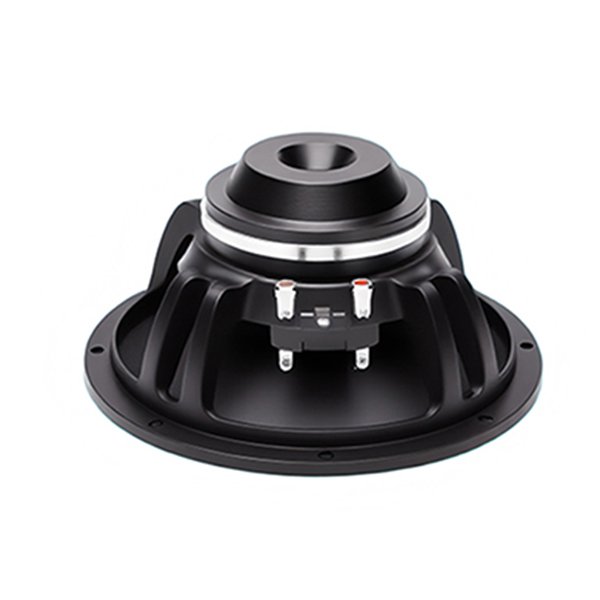
في السوق شديد التنافسية اليوم، تسعى الشركات باستمرار إلى إيجاد طرق مبتكرة لتعزيز ظهور العلامة التجارية وولاء العملاء. وقد برزت مكبرات الصوت المخصصة بشعار العلامة التجارية كأداة قوية للعلامات التجارية للشركات، والحملات الترويجية، والسلع المتميزة. من المتوقع أن يصل سوق المعدات الصوتية ذات العلامات التجارية العالمي إلى 42.7 مليار دولار بحلول عام 2025، مع تمثيل المنتجات المخصصة بشعار العلامة التجارية القطاع الأسرع نموًا بمعدل نمو سنوي يبلغ 18.3% وفقًا لتقرير معهد العلامات التجارية الصوتية لعام 2024. تستثمر شركات تتراوح من الشركات الناشئة في مجال التكنولوجيا إلى شركات فورتشن 500 في المنتجات الصوتية المخصصة، مدركة وظيفتها المزدوجة كأجهزة عملية وسفراء دائمين للعلامة التجارية.
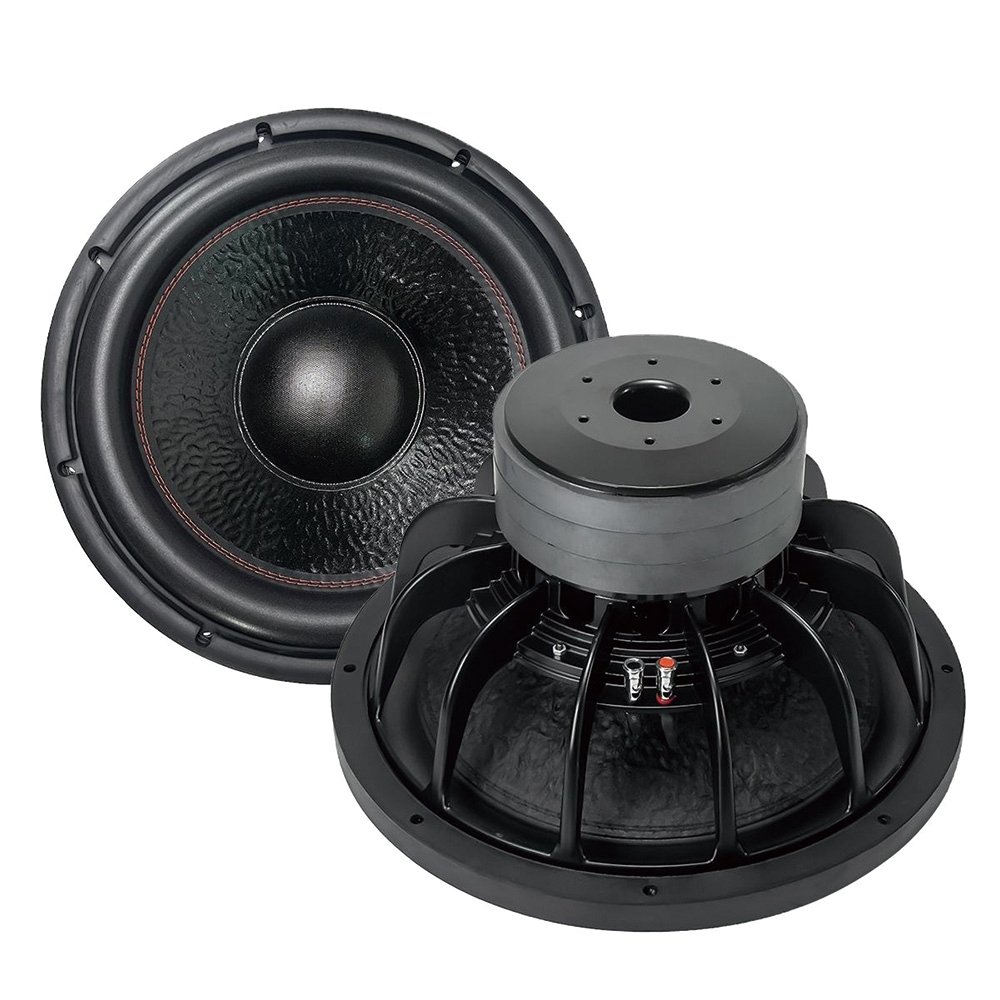
يكشف علم النفس وراء هذا الاتجاه عن نتائج مهمة: تظهر الدراسات أن العملاء يستخدمون المنتجات الصوتية ذات العلامات التجارية بمعدل 4-7 مرات أكثر من العناصر الترويجية الأخرى، مع متوسط تعرض يومي يتراوح بين 45 و180 دقيقة. وهذا يمثل تعرضًا غير مسبوق للعلامة التجارية مقارنة بقنوات التسويق التقليدية. علاوة على ذلك، أفاد 68% من المسؤولين التنفيذيين في مجال التسويق بعائد استثمار أعلى من المنتجات الصوتية المخصصة مقارنة بأساليب الإعلان التقليدية، خاصة عندما تتوافق هذه المنتجات مع الصورة التكنولوجية لعلامتهم التجارية أو اهتمامات الجمهور المستهدف.
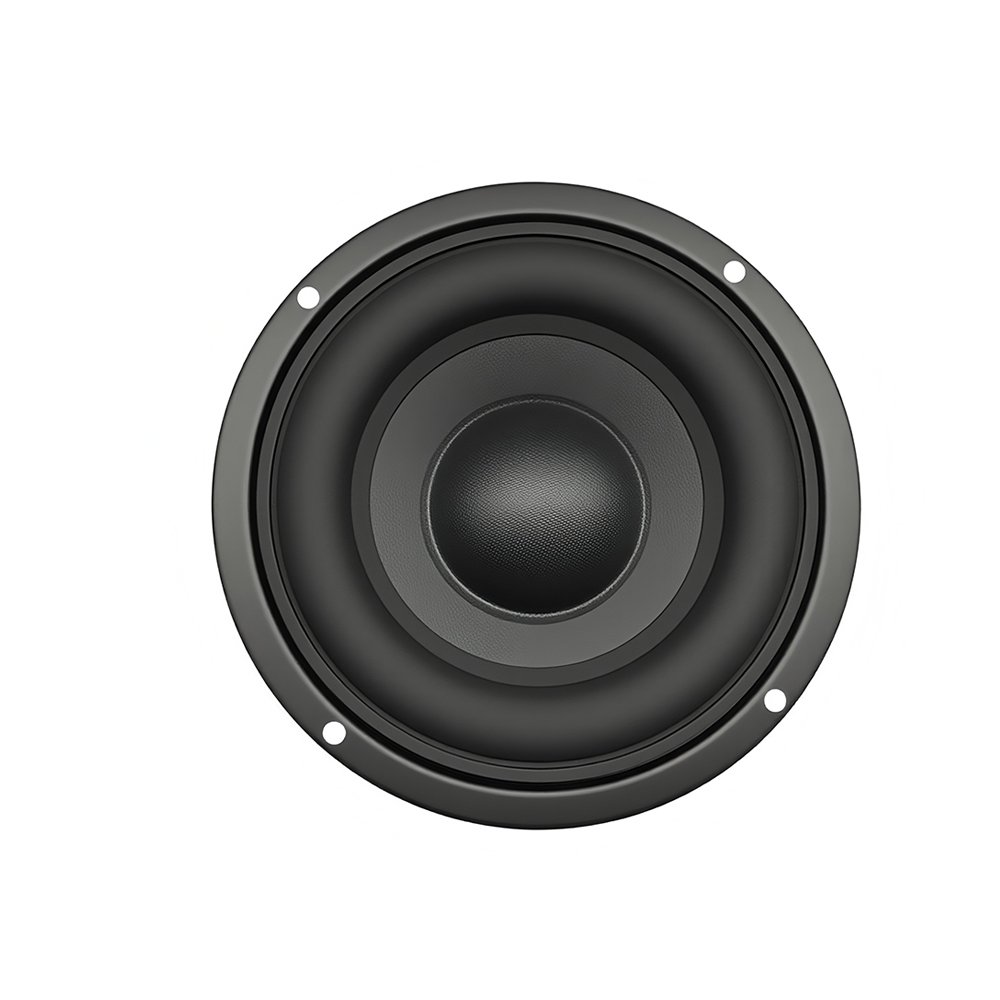
يمتد الجاذبية إلى ما هو أبعد من مجرد وضع الشعار. يسعى المستهلكون المعاصرون بشكل متزايد إلى منتجات مخصصة تعكس هوياتهم وانتماءاتهم. تلبي مكبرات الصوت المخصصة هذه الرغبة مع توفير فائدة حقيقية - وهو تمييز حاسم عن العناصر الترويجية القابلة للاستخدام لمرة واحدة. سواء تم توزيعها في فعاليات الشركات، أو تضمينها في حزم المنتجات المتميزة، أو بيعها كسلع ذات علامة تجارية، تخلق مكبرات الصوت ذات الشعار انطباعات دائمة من خلال كل من العلامة التجارية البصرية والتجربة السمعية.
الأسس التقنية لتصنيع مكبرات الصوت
تبدأ عملية تصنيع مكبرات الصوت المخصصة بشعار العلامة التجارية بمبادئ الهندسة الصوتية الأساسية التي تحدد جودة الصوت. يجمع تصنيع مكبرات الصوت الحديث بين الهندسة الدقيقة وعلوم المواد المتقدمة، مما ينتج منتجات يجب أن تلبي متطلبات الصوت والعلامة التجارية معًا.
المكونات الأساسية ووظائفها:
- وحدات التشغيل (الدريفرات): قلب أي نظام مكبر صوت، المسؤولة عن تحويل الإشارات الكهربائية إلى موجات صوتية. غالبًا ما تتميز مكبرات الصوت المخصصة بدريفرات متخصصة محسّنة لنطاقات ترددية معينة.
- المرفقات: مصممة ليس فقط للجاذبية الجمالية ولكن أيضًا للأداء الصوتي. تؤثر مادة الهيكل وشكله وحجمه الداخلي بشكل كبير على جودة الصوت.
- المقسّمات (الكروس أوفر): مكونات إلكترونية تقسم الإشارات الصوتية إلى نطاقات ترددية مختلفة، وتوجهها إلى الدريفرات المناسبة.
- التضخيم: دوائر متكاملة تعزز الإشارات الصوتية لتشغيل مكبرات الصوت بفعالية.
- الاتصال: تتضمن الوحدات الحديثة تقنية Bluetooth 5.3 وWi-Fi وUSB-C وأحيانًا بروتوكولات اتصال خاصة.
تتبع رحلة التصنيع عادةً هذه المراحل:
1. مرحلة التصميم والنمذجة الأولية
تحول هذه المرحلة الأولية المتطلبات المفاهيمية إلى تصاميم ملموسة. يستخدم مهندسو الصوت برامج متخصصة مثل COMSOL Multiphysics أو ANSYS لمحاكاة انتشار الصوت والاستجابة الترددية والإدارة الحرارية. يعمل مصممو الصناعة في الوقت نفسه على العناصر الجمالية، مما يضمن أن الشكل المادي يستوعب عناصر العلامة التجارية دون المساس بالسلامة الصوتية. تستخدم النمذجة الأولية الحديثة تقنيات الطباعة ثلاثية الأبعاد التي يمكنها إنتاج هياكل مكبرات صوت وظيفية من مواد تتراوح بين راتنجات البوليمر الضوئي ومركبات النايلون، مما يسمح بالتكرار السريع.
2. اختيار المواد وتوريدها
تؤثر اختيارات المواد بشكل عميق على كل من الأداء الصوتي وجدوى التصنيع للتخصيص. يوضح الجدول أدناه المواد الشائعة وتطبيقاتها:
| نوع المادة | التطبيقات الشائعة | الخصائص الصوتية | اعتبارات التخصيص |
|---|---|---|---|
| بلاستيك ABS | الهياكل والشبكات | كثيفة، بأقل رنين | ممتازة للشعارات المقولبة، متوفرة بألوان |
| الألومنيوم | الهياكل واللمسات | صلبة، بصوت محايد | نقش بالليزر على الأسطح المؤكسدة |
| مركبات الخشب | الهياكل | بصمة صوتية دافئة | حرق الخشب، شعارات مطعمة |
| 织物 | شبكات مكبرات الصوت | شفافة صوتيًا | طباعة بالتسامي، تطريز |
| السيليكون/المطاط | عناصر الحماية | تخميد الاهتزازات | إمكانية تشكيل العلامة التجارية |
أدخلت التطورات الحديثة في علم المواد بدائل مستدامة تحافظ على الدقة الصوتية مع دعم سرديات الاستدامة للعلامة التجارية. تشكل البوليمرات الحيوية والمواد المعاد تدويرها الآن حوالي 23% من تصنيع مكبرات الصوت المخصصة وفقًا لتقرير التصنيع الصوتي المستدام لعام 2024.
3. تصنيع وحدات التشغيل وتجميعها
يمثل إنتاج وحدات التشغيل المرحلة الأكثر تطلبًا من الناحية التقنية. تُلف الملفات الصوتية بتفاوتات دقيقة أقل من 0.01 مم، وتُعاير المغناطيسات لكثافات تدفق مغناطيسي محددة، وتُصنع الأغشية بثباتية مواد حاسمة للأداء الموحد. بالنسبة لخطوط مكبرات الصوت المخصصة، غالبًا ما يعدل المصنعون تصاميم وحدات التشغيل القياسية لاستيعاب ملفات استجابة ترددية محددة يطلبها العملاء، خاصة عندما ترغب العلامات التجارية في أن تركز منتجاتها الصوتية على خصائص صوتية معينة تتماشى مع شخصية العلامة التجارية (مثل “الترددات العالية الواضحة” للعلامات التجارية التقنية أو “الجهير العميق” للشركات الموجهة للشباب).
دمج التخصيص طوال عملية الإنتاج
يحدث دمج عناصر العلامة التجارية في مراحل تصنيع متعددة، تتطلب كل منها تقنيات متخصصة للحفاظ على سلامة المنتج.
طرق تخصيص الهيكل:
- القولبة بالحقن مع دمج الشعار: للإنتاج الضخم، تُدمج الشعارات مباشرة في تصاميم القوالب. يخلق هذا علامة تجارية سلسة بمتانة ممتازة. يسمح القولبة الحديثة متعددة المواد بألوان متباينة للشعارات دون خطوات طلاء إضافية.
- النقش والحفر بالليزر: فعال بشكل خاص على الأسطح المعدنية أو البلاستيكية الكثيفة، يمكن لأنظمة الليزر إنشاء شعارات مفصلة بشكل ملحوظ بدقة تصل إلى 0.001 بوصة. تحافظ هذه الطريقة على سلامة المواد مع إنشاء علامة تجارية دائمة.
- الطباعة بالتسامي: 对于织物覆盖的扬声器或特定塑料类型,热转印技术可实现全彩标志复制,使标志成为材料的一部分而非仅附着于表面。.
- UV打印: 先进打印技术,可在多种表面生成鲜艳耐用的标志,无需特定材料孔隙度。.
电子与软件品牌定制:
现代扬声器将品牌定制延伸至物理元素之外。自定义开机音效、与品牌色同步的LED照明以及带品牌界面的配套移动应用程序,可打造连贯的品牌体验。专注于定制音频产品的制造工厂设有软件团队,在硬件生产的同时开发这些数字品牌元素。.
结合品牌定制的质量控制:
定制产品需强化质量保证流程。除标准声学测试(频率响应、总谐波失真、灵敏度测量)外,制造商还进行品牌完整性检查:
- 使用计算机视觉系统验证标志对齐
- 使用分光光度计评估色彩一致性
- 对品牌元素进行耐磨性、紫外线暴露及清洁耐久性测试
- 品牌整合的声学影响评估
这种严格验证确保定制化提升而非损害产品性能。优质制造商通常将生产时间的12-15%专门用于定制产品的质量保证,而标准产品仅为7-9%。.
制造流程:从概念到成品
定制标志扬声器的完整制造流程遵循详细的工作流程,在效率与定制灵活性间取得平衡。领先制造商通过工业4.0技术优化此流程,自2021年起将平均生产时间缩短34%,同时提升定制精度。.
步骤1:设计定稿与模具制造
原型获得客户批准后,制造工程师设计生产模具。对于集成标志的注塑成型部件,需制造精密模具,成本根据复杂度在15,000-80,000美元之间。现代CNC加工与电火花加工技术可制造公差低至0.002毫米的模具。同时,自动化装配设备进行编程,机器人系统配置以处理定制组件。.
步骤2:材料准备与准时制库存
智能制造系统协调材料交付与生产计划。RFID标记的材料批次确保可追溯性——这对定制订单至关重要,因为材料一致性直接影响品牌外观。可持续制造商越来越多采用闭环系统,将生产废料回收至材料流中,部分工厂材料利用率达94%。.
步骤3:并行生产线
高效的定制扬声器制造采用并行处理:
- 电子组装: 表面贴装技术生产线装配电路板,随后加载包含品牌特定音频配置与界面元素的专用固件。.
- 外壳制造: 注塑成型、CNC加工或真空成型制造集成品牌元素的外壳。.
- إنتاج المحركات (الدريفرات): 自动化系统组装驱动单元,并根据每个定制型号的声学规格进行校准。.
步骤4:集成与最终装配
机器人系统越来越多地处理组件的精确集成,尤其适用于大批量定制订单。然而,某些品牌元素仍需熟练技工——如手工精加工、多材料组合或极其精细的标志处理。装配环境严格控制温度(20-22°C)与湿度(45-55%相对湿度),以确保粘合剂性能与材料稳定性。.
步骤5:全面测试与包装
每个定制扬声器均经过严格测试,包括:
- 频率响应分析(通常20Hz-20kHz)
- 多功率水平下的总谐波失真测量
- 蓝牙/Wi-Fi连接验证
- 电池性能评估(便携式设备)
- 品牌元素物理检查
- 定制功能功能测试(LED模式、应用连接等)
包装是最后的品牌展示机会。定制内衬、品牌专属文档及个性化开箱体验可延伸品牌影响力。可持续包装解决方案日益重要,根据《音频包装趋势报告》,2024年67%的品牌选择可回收或生物降解材料。.
定制音频制造的未来
新兴技术正革新定制扬声器生产,为品牌提供前所未有的个性化可能,同时提升可持续性。.
增材制造进展: 工业3D打印现已支持生产级扬声器制造。品牌可打造限量版设计,实现传统制造无法实现的复杂几何结构。该技术还支持按需生产,减少库存浪费——对利基营销活动尤其有价值。.
人工智能驱动的声学调校: 机器学习算法现可针对特定环境或聆听偏好优化扬声器性能。品牌可提供与品牌形象一致的“声音特征”——例如,专业设备公司的“录音室参考”配置或生活方式品牌的“动态娱乐”配置。.
可持续制造整合: 定制音频行业正拥抱循环经济原则。制造商现提供旧款品牌扬声器以旧换新计划,组件经翻新或回收制成新产品。生物基材料快速改进,新型菌丝体复合材料兼具优异声学性能与完全生物降解性。.
智能制造与供应链透明度: 区块链集成使品牌与客户可验证产品来源、材料来源及制造条件。这种透明度支持道德品牌叙事与质量保证。.
物联网进一步扩展定制可能性。联网扬声器可接收固件更新,刷新品牌元素或添加新功能——有效使品牌在产品分销多年后仍保持相关性。.
专业问答
问题1:定制标志扬声器的最低订购量是多少?制造技术的进步如何改变这一数字?
最低订购量因制造创新显著下降。传统注塑成型需1000件以上才能分摊模具成本,而结合3D打印模具与柔性制造系统的现代混合方法,优质客户最低可至100件。部分制造商现通过增材制造提供“小批量”服务,起订量50件,但单件成本比大规模生产高40-60%。柔性制造趋势持续发展,预计到2026年,25件最低订购量将在标准定制中实现经济可行性。.
س2: كيف يؤثر دمج الشعار على الأداء الصوتي، وما هي التقنيات التي تقلل من التأثير؟
يؤثر دمج الشعار حتمًا على الخصائص الصوتية، لكن التقنيات المتقدمة تقلل من التنازلات إلى أدنى حد. استمرارية المواد أمر بالغ الأهمية—فالشعارات المقولبة مباشرة داخل الأغلفة (بدلاً من تطبيقها لاحقًا) تحافظ على السلامة الهيكلية. بالنسبة لشبكات السماعات، تحافظ الشعارات المثقوبة بالليزر على الشفافية الصوتية بشكل أفضل من البدائل المنسوجة. يستخدم مهندسو الصوتيات تحليل العناصر المحدودة لنمذجة كيفية تأثير عناصر العلامة التجارية على الموجات الصوتية، مع تعديل موضع المشغلات وتصميم الأغلفة وفقًا لذلك. يقوم المصنعون الفاخرون بإجراء اختبارات مقارنة (A/B) بين النسخ ذات الشعارات والنسخ بدونها، مع إبقاء انحرافات الأداء عادةً أقل من 2 ديسيبل عبر طيف الترددات للحلول الهندسية المصممة بشكل صحيح.
س3: ما هي المهل الزمنية لإنتاج السماعات المخصصة، وما هي العوامل الأكثر تأثيرًا على الجداول الزمنية؟
تتراوح المهل الزمنية القياسية من 8 إلى 14 أسبوعًا للتصاميم المخصصة بالكامل، على الرغم من أن تطبيقات الشعارات الأبسط على النماذج الحالية يمكن أن تكون قصيرة تصل إلى 4-6 أسابيع. تشمل أهم العوامل المؤثرة على الجدول الزمني: إنشاء القوالب (3-5 أسابيع للقوالب المعقدة)، وتوريد المواد (خاصة للمواد المستدامة أو المتخصصة)، وعمليات الاعتماد (علامات Bluetooth SIG وFCC وCE). قام المصنعون الذين يعتمدون أنظمة المخزون الرقمي وأنظمة التصنيع المرنة بتقليل المهل الزمنية بنحو 30% منذ عام 2021. يمكن للإنتاج السريع (بتكلفة إضافية تتراوح بين 25-35%) ضغط الجداول الزمنية إلى 3-5 أسابيع من خلال استخدام قوالب معجلة وخدمات الشحن الجوي.
س4: كيف تؤثر اعتبارات الاستدامة على خيارات تصنيع السماعات المخصصة؟
تؤثر الاستدامة الآن بشكل أساسي على قرارات التصنيع. تطلب العلامات التجارية بشكل متزايد تقييمات دورة الحياة التي تقيس البصمة الكربونية من المواد الخام حتى نهاية العمر الافتراضي. يستجيب المصنعون بما يلي: البوليمرات الحيوية (حتى 70% من المحتوى النباتي)، والتصاميم المعيارية التي تسهّل الإصلاح والترقية، وبرامج استعادة المنتجات التي تحقق استردادًا للمواد بنسبة 85-92%. أدت مرافق التصنيع التي تعمل بالطاقة الشمسية إلى تقليل البصمة الكربونية للإنتاج بنسبة 40-60% بين قادة الصناعة. قد تزيد هذه الخيارات المستدامة من التكاليف بنسبة 15-25% لكنها تتوافق مع تفضيلات المستهلكين—حيث يولي 73% من المشترين من الشركات الأولوية للاعتمادات البيئية وفقًا لمسح منتجات الصوتيات B2B لعام 2024.
س5: ما هي المواصفات الفنية التي يجب أن تنظر فيها العلامات التجارية عند طلب سماعات مخصصة؟
إلى جانب متطلبات العلامة التجارية، يجب على العلامات التجارية تحديد: استجابة التردد المستهدفة (مهمة بشكل خاص لهوية الصوت الخاصة بالعلامة التجارية)، وقدرة التحمل للطاقة (واط RMS)، والحساسية (ديسيبل/واط/م)، وبروتوكولات الاتصال (إصدار Bluetooth، ودعم الترميزات)، وعمر البطارية (للأجهزة المحمولة)، والمتانة البيئية (تصنيفات IP). يجب أن يتوافق الضبط الصوتي مع حالات الاستخدام المقصودة—وضوح الصوت لسماعات قاعات الاجتماعات مقابل الجهير الممتد لمنتجات نمط الحياة. يوجّه المصنعون ذوو الخبرة العلامات التجارية خلال هذه القرارات الفنية، وغالبًا ما يقدمون تحليلات مقارنة ضد منتجات المنافسين. بشكل متزايد، تطلب العلامات التجارية توقيعات صوتية مخصصة تصبح سمات مميزة للعلامة التجارية، تمامًا مثل الشعارات البصرية.
تشمل مصادر البيانات: تقرير صناعة جمعية الهندسة الصوتية لعام 2024، وتحليل التصنيع العالمي للإلكترونيات المخصصة للربع الأول من 2024، ونتائج مبادرة التصنيع الصوتي المستدام، وبيانات التصنيع الخاصة من مرافق OEM الرائدة.