
في السعي لتحقيق الكمال الصوتي، يكمن جوهر أي نظام سماعات عالي الدقة في وحدات المحركات الخاصة به. هذه المحركات الكهروصوتية — مكبرات الصوت المنخفضة (Woofers)، والعالية (Tweeters)، والمتوسطة (Midranges) — تحول الإشارات الكهربائية إلى مقاطع صوتية غنية ومفصلة تحدد تجربة الصوت عالي الدقة. بالنسبة لمصنعي المعدات الأصلية (OEMs)، ومصنعي السماعات المخصصة، وهواة التجميع الطموحين، يمثل الحصول على وحدات المحركات المناسبة تحديًا متعدد الأوجه وحاسمًا يوازن بين الأداء والتكلفة والموثوقية والابتكار. يوجه هذا الدليل الشامل عبر سلسلة التوريد العالمية المعقدة، ويوفر إطارًا استراتيجيًا لتحديد وتقييم والشراكة مع موردي وحدات السماعات المثاليين لمشاريع الصوت عالي الدقة الخاصة بك.
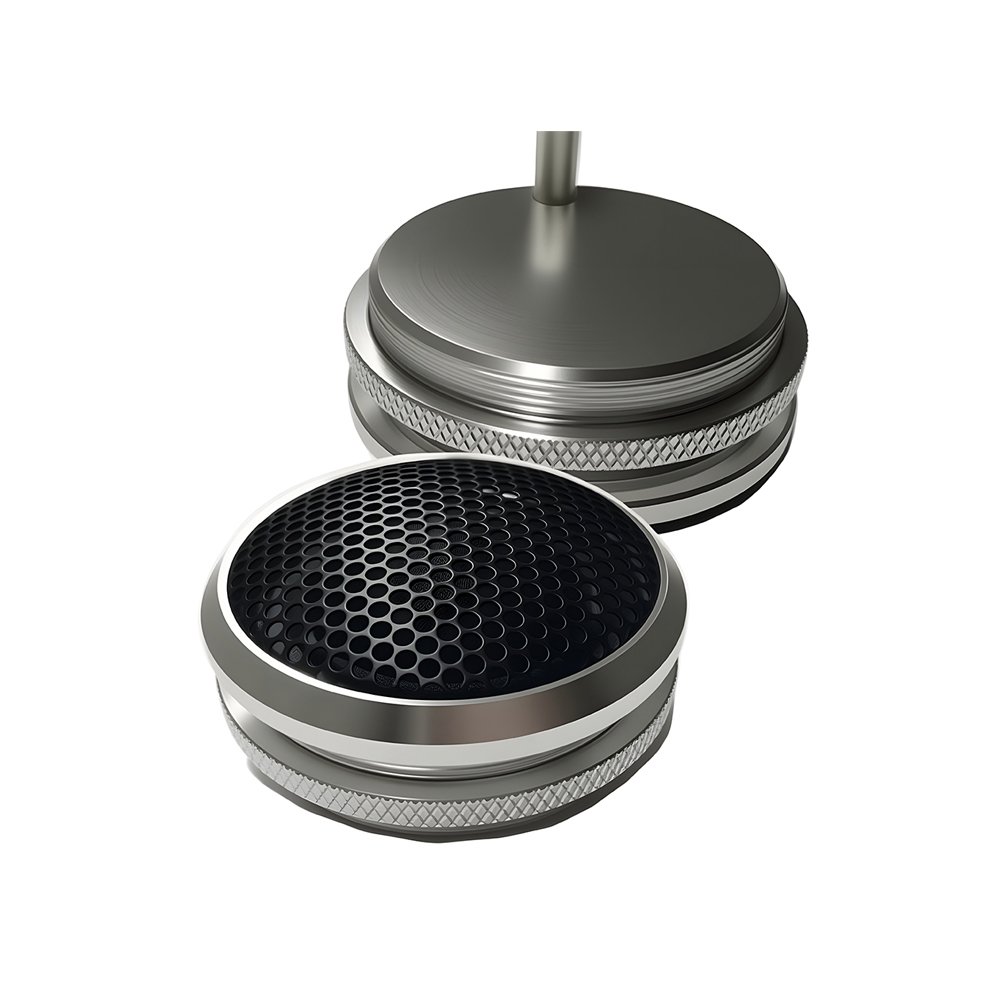
المشهد العالمي لتصنيع محركات السماعات
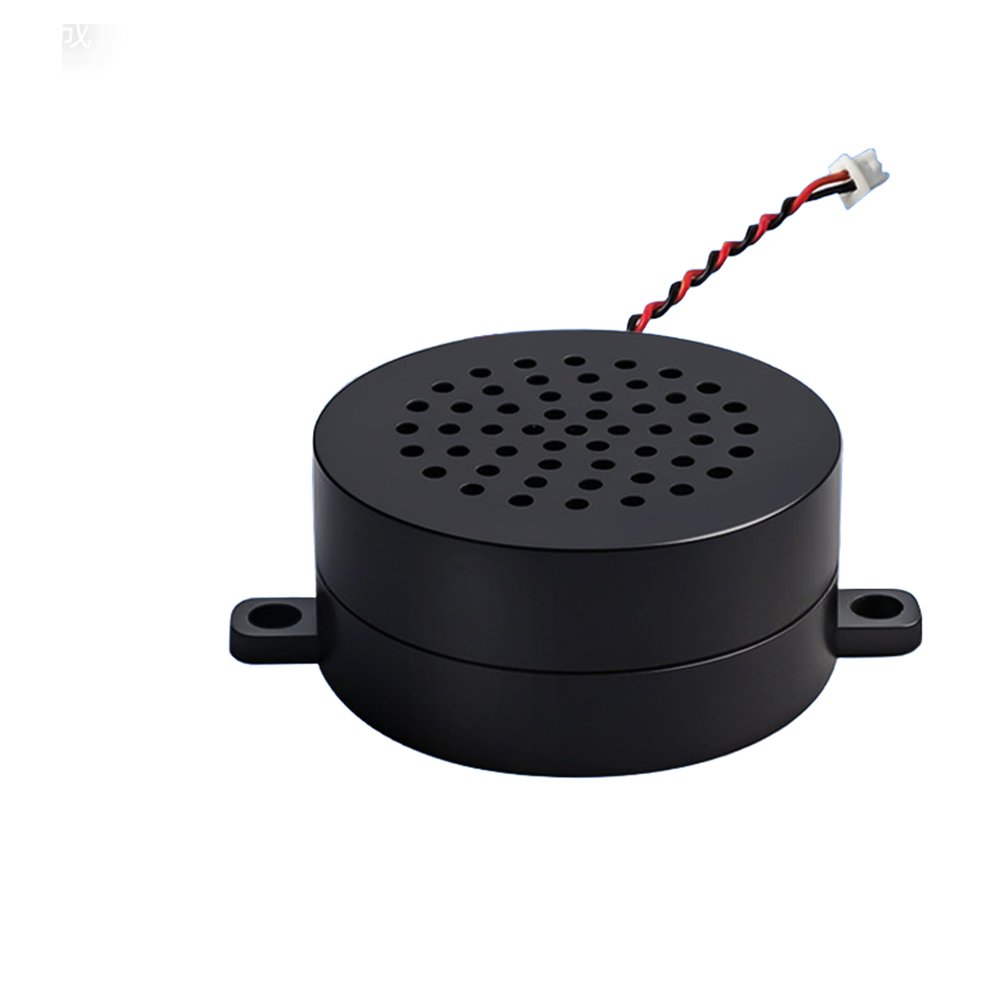
سلسلة توريد محركات السماعات هي نظام بيئي عالمي متعدد المستويات. فهم هذه الجغرافيا هو الخطوة الأولى نحو التوريد الاستراتيجي.
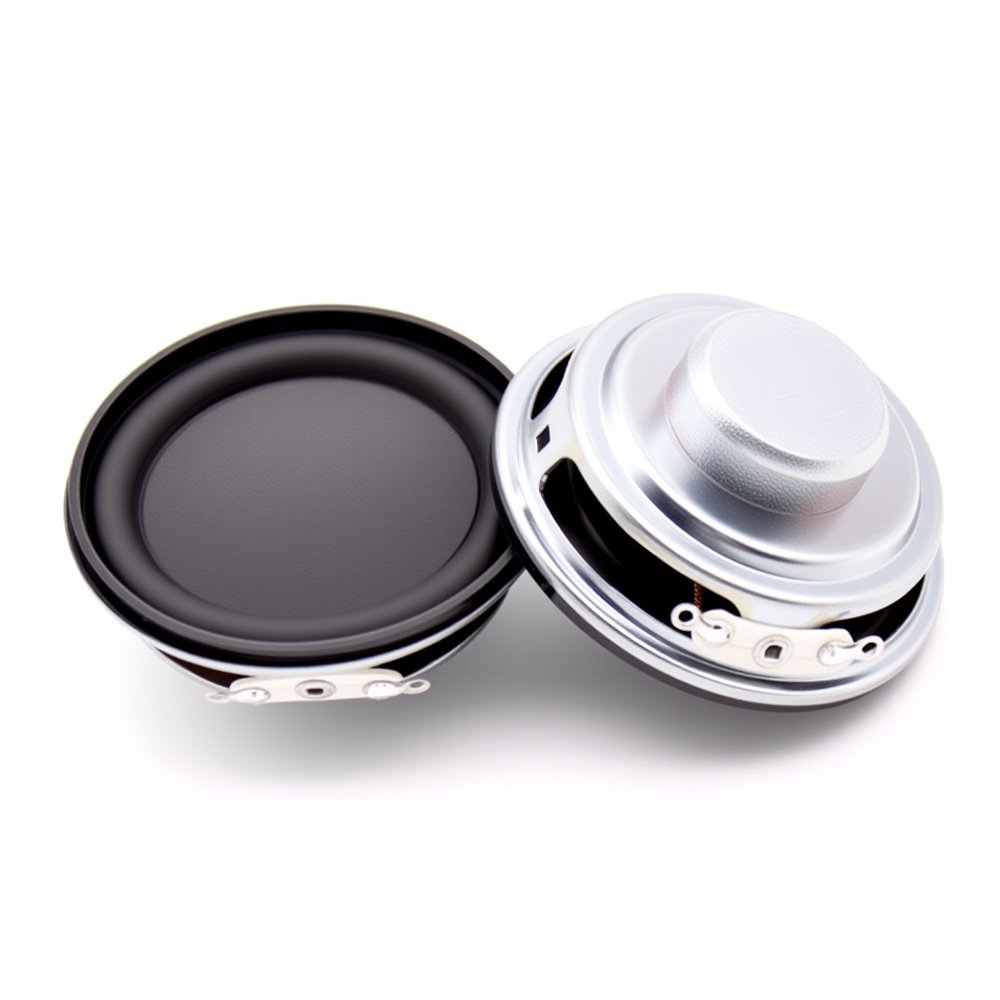
في القمة توجد العلامات التجارية الغربية الراسخة (مثل: Scan-Speak (الدنمارك)، SEAS (النرويج)، Tymphany (التي تمتلك Peerless و Vifa و Dayton Audio (الولايات المتحدة/الصين))، و Focal (فرنسا)). تشتهر هذه الشركات بريادتها في المواد المتقدمة (مثل أغشية البريليوم، ومخاريط البوليمر سيليكات المغنيسيوم)، وهياكل المحركات المبتكرة، وتقديم وحدات عالية الأداء ومتسقة بشكل استثنائي. تخدم هذه الشركات بشكل أساسي أسواق الصوت عالي الدقة الفاخرة والعلامات التجارية الصوتية الراقية، وتقدم خدمات جاهزة وتخصيصات كبيرة (OEM). ومع ذلك، يأتي هذا بسعر مرتفع وغالبًا بفترات زمنية أطول للتسليم.
القوة المهيمنة في التصنيع بكميات كبيرة هي آسيا, ، وخاصة الصين. مناطق مثل دلتا نهر اللؤلؤ (دونغقوان، تشونغشان) ومقاطعة تشجيانغ هي مراكز رئيسية. هذا القطاع السوقي متنوع بشكل لا يصدق:
- المستوى الأول من مصنعي المعدات الأصلية الآسيويين (Tier 1 Asian OEMs): هذه مصانع كبيرة ومتطورة تنتج غالبًا محركات للعلامات التجارية الدولية المعروفة بموجب عقود. تمتلك قدرات بحث وتطوير متقدمة، وأدوات تصنيع داخلية كاملة للأطر (Baskets) والمغناطيس والمخاريط، ومراقبة جودة صارمة. شركات مثل Usher Audio (تايوان) وبعض المصانع المتخصصة في كوريا الجنوبية تندرج ضمن هذه الفئة.
- مصنعي الكميات الكبيرة (Volume Manufacturers): آلاف المصانع تنتج محركات عالية الجودة وفعالة من حيث التكلفة لأسواق الصوت الاستهلاكية الرئيسية، والمسرح المنزلي، والأسواق الاحترافية. تتفوق هذه المصانع في هندسة القيمة والاتساق في الإنتاج بكميات كبيرة.
- الموردون المتخصصون/الحرفيون الآسيويون (Boutique/Specialist Asian Suppliers): شريحة متنامية من ورش العمل الصينية والفيتنامية الأصغر تركز الآن على محاكاة أو ابتكار تصاميم غربية كلاسيكية، مما يوفر أداءً عالي القيمة لمجتمع الهواة العالمي بأسعار معقولة.
المناطق الناشئة مثل فيتنام وأوروبا الشرقية تكتسب زخمًا، وغالبًا ما تقدم مزيجًا جذابًا من تكاليف العمالة المنخفضة مقارنة بالصين وكفاءة تقنية متزايدة، مما يجذب المصنعين الذين يسعون لتنويع سلسلة التوريد الخاصة بهم.
جدول: نظرة عامة على ملف الموردين حسب المنطقة
| المنطقة/النوع | نقاط القوة النموذجية | الاعتبارات النموذجية | الأفضل لـ |
| :— | :— | :— | :— |
| أوروبي عالي الجودة (High-End European) | أداء متميز، ابتكار، هيبة العلامة التجارية، خدمات OEM مخصصة | أعلى تكلفة، فترات زمنية أطول، كميات الطلب الأدنى (MOQs) قد تكون عالية للعمل المخصص | علامات Hi-Fi الفاخرة، هواة لا يقبلون المساومة |
| المستوى الأول من OEM الآسيوي (Tier 1 Asian OEM) | نسبة ممتازة بين التكنولوجيا والتكلفة، قدرة تخصيص كاملة، قابلية للتوسع | كميات الطلب الأدنى (MOQs) قد تكون كبيرة، يتطلب تدقيقًا عميقًا وتواصلًا واضحًا | علامات تجارية راسخة توسع الإنتاج، تبحث عن تصاميم مخصصة متقدمة |
| كميات كبيرة آسيوي (Volume Asian) | كفاءة استثنائية في التكلفة، موثوقية في الإنتاج بكميات كبيرة | تركيز أقل على المواصفات فائقة الجودة، تخصيص محدود | Hi-Fi السائد، علامات تجارية تركز على القيمة، بداية المشاريع |
| متخصص/حرفي (Boutique/Specialist) | قيمة عالية، تصاميم فريدة، عمليات مرنة | جودة متغيرة، موثوقية أقل شهرة للعلامة التجارية | هواة متحمسون، علامات تجارية للإنتاج الصغير، نماذج أولية |
فئات الموردين الرئيسية وكيفية تقييمهم
ليس كل الموردين متساوين. أهداف مشروعك ستحدد الفئة التي تتعامل معها.
1. موردو السوق الجاهز/الهواة (Off-the-Shelf/DIY Market Suppliers): شركات مثل Parts Express (Dayton Audio), Madisound, ، و SoundImports تقوم بتجميع المحركات من مختلف المصنعين العالميين (بما في ذلك Tymphany و SEAS و Scan-Speak) للبيع المباشر. هذا مثالي للنماذج الأولية، أو الدفعات الصغيرة، أو مشاريع الهواة حيث تكون تكاليف الأدوات باهظة. معايير التقييم: اتساع الكتالوج، جودة الدعم الفني، التوثيق (معاملات Thiele/Small)، وثبات المخزون.
2. مصانع OEM/ODM المباشرة (Direct OEM/ODM Factories): التعامل المباشر مع مصنع لتصميمات مخصصة. يتطلب هذا استثمارًا كبيرًا في التواصل، والتعاون الهندسي (الهندسة الصوتية المشتركة – JAE)، والأدوات. معايير التقييم:
- القدرة التقنية: هل لديهم قسم بحث وتطوير داخلي، غرف عديمة الصدى (Anechoic Chambers)، محللات Klippel، وأنظمة قياس بالليزر؟
- البراعة التصنيعية: اطلب تقارير تدقيق المصنع (مثل ISO 9001)، واسأل عن تفاصيل عملية مراقبة الجودة الخاصة بهم (مثل اختبار 100% للمعلمات الرئيسية مثل Fs و Re وفحص الاحتكاك/الطنين).
- توريد المواد: هل يمكنهم توريد المكونات المتخصصة (مثل مغناطيس النيوديميوم، حلقات التقصير النحاسية، راتنجات أغشية محددة)؟
- حماية حقوق الملكية الفكرية: بوضوح في العقود، وهو أمر بالغ الأهمية بشكل خاص للتصاميم المبتكرة.
3. متخصصو المكونات: بعض الموردين يتفوقون في مكونات محددة: Amphenol أو JST للموصلات،, 3M أو Dupont للمواد اللاصقة، ومسابك متخصصة لـ سلال الألومنيوم أو المغنيسيوم المصبوبة. بالنسبة للأجزاء الحرجة، فإن الحصول على هذه المكونات مباشرة أو ضمان أن المورد الرئيسي يستخدم مكونات فرعية عالية الجودة أمر حيوي.
استخدام البيانات في الوقت الفعلي في التقييم: في عام 2024، استفد من البيانات بما يتجاوز أوراق المواصفات. استخدم منصات مثل Panjiva أو ImportYeti لتحليل تاريخ الشحن وحجمه لدى المورد. تحقق من منصة B2B الخاصة بـ Hikvision’أو ‘جواز سفر المورد’ من Alibaba.com’للحصول على بيانات تدقيق ومعاملات موثقة. في الربع الثاني من عام 2024، استقرت تكاليف الشحن العالمية من مستوياتها المرتفعة خلال الجائحة، لكن التوترات الإقليمية تشير إلى ضرورة مراعاة تقلبات الخدمات اللوجستية واستراتيجيات التوريد المزدوج.
معايير الاختيار الفنية والتجارية الحاسمة
بتجاوز الجغرافيا والنوع، تعمق في هذه المرشحات الأساسية:
أ. مقاييس الأداء الفني:
- معلمات ثيل/سمول: المرجع غير القابل للتفاوض. الاتساق في Fs و Qts و Vas و BL أمر بالغ الأهمية لتصميم الغلاف القابل للتنبؤ.
- استجابة التردد والتشويه: راجع مخططات الاستجابة المحورية وغير المحورية الموثقة. افحص مخططات التشويه (التوافقيات الثانية والثالثة) عبر نطاق التشغيل. يوفر المورد الجيد بيانات معتمدة من Klippel.
- معالجة الطاقة والإدارة الحرارية: ابحث عن ميزات التصميم مثل قطع القطب المزودة بفتحات تهوية، وأغطية النحاس، وملفات الصوت الكبيرة. تصنيفات طاقة RMS الحقيقية أكثر قيمة من طاقة الذروة الموسيقية.
- جودة التصنيع والمواد: مخاريط من الورق، البولي بروبيلين، الألومنيوم، ألياف الكربون، أو السيراميك؟ مغناطيسات من الفريت أو النيوديميوم؟ كل اختيار مادي يؤثر على الطابع الصوتي والوزن والتكلفة.
ب. العوامل التجارية والتشغيلية:
- الحد الأدنى لكمية الطلب (MOQ): يمكن أن تتراوح من 10 وحدات للمنتجات الجاهزة إلى 10,000 وحدة للتصميم المخصص. افهم التسعير المتدرج.
- هيكل التسعير: سعر الوحدة، تكاليف القوالب/الهندسة غير المتكررة (NRE)، شروط الدفع (مثل 30% دفعة أولى، 70% قبل الشحن).
- المهلة الزمنية: من 4 أسابيع للعناصر القياسية إلى 20 أسبوعًا أو أكثر للقوالب المخصصة الجديدة. ملاحظة حالية (2024): تحسنت المهل الزمنية العالمية ولكن يجب مراعاة احتياطي لعيد السنة الصينية والتأخيرات اللوجستية المحتملة.
- 认证: تعتبر شهادات السلامة ذات الصلة (CE، RoHS، REACH) والجودة (ISO 9001) متطلبات أساسية.
- سياسة العينات: اختبر دائمًا عينات ما قبل الإنتاج. توقع دفع ثمنها، لكن المورد ذا السمعة الطيبة سيقوم بخصم تكلفة العينات من طلبك بالجملة الأول.
استراتيجية التوريد والتفاوض خطوة بخطوة
- المواصفات الداخلية: حدد متطلباتك الفنية الدقيقة، والتكلفة المستهدفة (تكلفة قائمة المواد – BOM)، وتوقعات الحجم السنوي، والتفاوتات المقبولة. القائمة الطويلة:.
- استخدم منصات B2B (Alibaba، Global Sources)، والأدلة الصناعية (دليل أعضاء AES)، والمعارض التجارية (IFA، معرض قوانغتشو الدولي للصوتيات) لإنشاء قائمة تضم 15-20 موردًا محتملاً. عملية طلب عرض الأسعار (RFQ):.
- RFQ Process: 发送一份详细且标准化的询价单。包含技术图纸、目标T/S参数、所需材料,并要求提供完整的商业条款。.
- 筛选与评估: 根据回复将范围缩小至3-5家供应商。进行视频会议,要求进行虚拟工厂参观,并向现有西方客户索取推荐信。.
- 样品评估: 向排名前2-3家的供应商订购样品。进行严格的内部测试,而不仅仅是试听。测量参数,测试耐久性(长期功率老化、气候循环测试)。.
- 谈判与签约: 就总到岸成本进行谈判,而不仅仅是单价。包含以下关键条款: 质量保证 (可接受质量水平 – AQL标准,例如关键缺陷为0.65%),, 保修 (通常为1-2年,针对制造缺陷),以及 知识产权 所有权。.
- 试订单: 在承诺全量生产之前,先下一个小批量生产订单(例如,占您预测量的5-10%)。此举可测试其生产一致性及您的物流链。.
降低风险并确保长期成功
- 质量保证: 坚持要求第三方(如SGS、必维国际检验集团或天祥集团)提供装运前检验报告。 SGS、必维国际检验集团或天祥集团. 。计划进行定期的现场审核。.
- 供应链韧性: 后疫情时代及地缘政治格局使得对关键部件(如磁铁)采用双源采购成为明智策略。考虑持有安全库存。.
- 沟通与关系: 建立超越采购部门的关系。与工程负责人直接联系可防止误解。使用清晰、简单的英语,并以书面形式确认所有细节。.
- 物流与关税: 考虑 国际贸易术语(Incoterms) (FOB、EXW、DAP)、货运代理、进口关税(例如美国对原产于中国的商品征收的301条款关税,截至2024年,该关税对许多音频组件仍然有效)以及地方税费。.
采购高保真扬声器驱动单元是技术科学、全球贸易和关系管理的结合。通过有条不紊地筛选供应商格局、坚持基于实证数据、以及在透明和共同成功的基础上建立合作伙伴关系,您可以获得基础组件,从而以高保真度和可靠性实现您的音频愿景。.
أسئلة وأجوبة احترافية
问题1:我们是一家设计高端书架箱的初创公司。我们想要一个定制的低音单元,但无法达到大多数一级亚洲工厂5000件的起订量。我们最好的选择是什么?
أ: 您有几种可行的途径。首先,联系 亚洲地区专注于小批量、高性能单元的小型精品工坊 ;他们的起订量通常为几百件。其次,探索 修改现有平台 ,例如来自Tymphany或SEAS等供应商的产品;他们的OEM部门通常提供“半定制”选项(例如,更改音盆涂层、防尘帽或悬边),其起订量远低于完全从零开始的设计。第三,考虑使用性能卓越的 现成驱动单元 ,并围绕它设计您的分频器和箱体声学——这是高保真领域中经典且备受推崇的方法。关键在于向潜在供应商坦诚说明您的增长预期,以找到愿意与您共同发展的合作伙伴。.
问题2:在评估供应商时,Klippel分析仪测量数据有多关键?我应该要求提供哪些具体数据?
أ: 在2024年,Klippel分析仪是换能器特性分析的黄金标准,也是衡量供应商是否专业的重要指标。它将评估提升到了基本T/S参数之上。您应要求提供:
- 大信号参数(LPM): 这揭示了驱动单元在实际工作功率下的行为,显示失真分量、功率压缩以及非线性的Bl(x)和Kms(x)曲线。这对于预测实际性能至关重要。.
- 失真分析仪(DA)数据: 提供跨频率和振幅的详细谐波和互调失真图。.
- 振动模式扫描: 可视化振膜的分割振动模式。.
要求提供这些数据,可以将具备深厚工程能力的供应商与仅仅组装零件的供应商区分开来。拥有Klippel系统的工厂可以主动解决设计问题并保证性能一致性。.
问题3:鉴于钕磁铁价格波动和地缘政治采购方面的担忧,我们在驱动单元设计中应指定哪些内容来降低未来风险?
أ: 这是一个至关重要的商业和设计考量。您有几种策略:
- 设计灵活性: 与您的供应商合作,开发一个在使用铁氧体磁铁和钕磁铁时均能达到规格要求的驱动单元。 النيوديميوم و الفريت هياكل المغناطيس. قد يتطلب ذلك تغييرات طفيفة في لفائف الملف الصوتي أو هندسة الفجوة، لكنه يوفر حلاً احتياطياً مثبتاً.
- مصادر مزدوجة للمغناطيس: حدد أن المغناطيس يجب أن يتم توفيره من منتجين معتمدين على الأقل (على سبيل المثال، لا يعتمد فقط على منطقة واحدة). بعض الموردين بدأوا الآن في التوريد من منتجين ناشئين في فيتنام أو أفريقيا.
- اتفاقيات التسعير طويلة الأجل: بالنسبة للمشاريع ذات الحجم الكبير، قم بالتفاوض على صيغة تسعير مع موردك تتضمن بند مؤشر المواد الخام لعناصر المغناطيس الأرضية النادرة، مما يشارك في تحمل بعض مخاطر تقلب التكاليف. في تخطيط تكاليف قائمة المواد (BOM)، احتفظ بهامش احتياطي يتراوح بين 15% و20% لتقلبات أسعار المواد الخام الحرجة على مدار دورة حياة المنتج.