
An enclosure does three jobs: it separates the front and rear radiation, it sets the low-frequency alignment, and it controls resonance. Wall material, thickness and bracing decide how much of the driver's energy leaves as sound and how much leaves as cabinet vibration; the two are measured together, because a rigid box with a ringing panel is worse than a slightly flexible box with good damping.
The notes below apply to material selection, with the measurement conditions and production checks that decide whether a claimed figure survives a shipment.
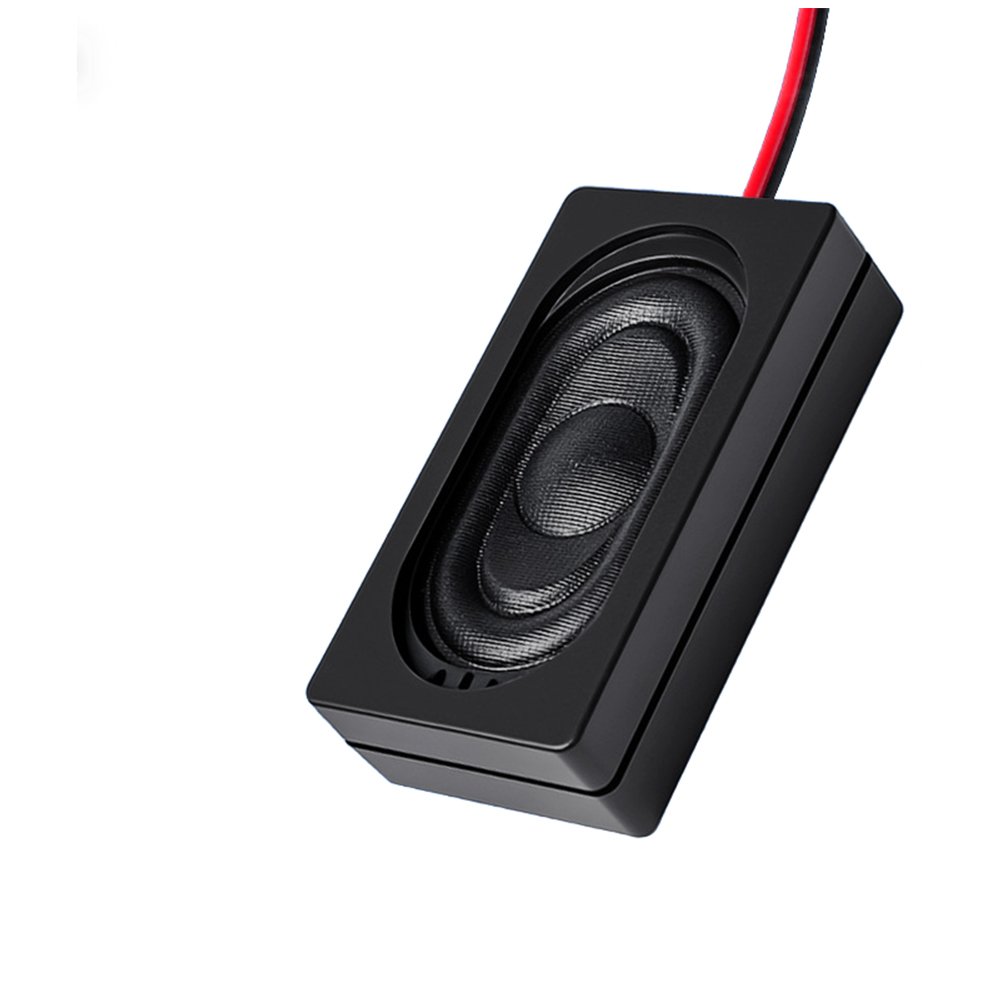
The Core Functions and Material Demands of a Speaker Cover
A speaker cover must expertly balance several competing demands, each imposing specific requirements on its material.
Primary Protection: The fundamental role is to shield the delicate speaker diaphragm (cone), surround, and voice coil from physical intrusion. This includes accidental pokes from curious fingers, impacts from flying objects, and the accumulation of dust and debris, which can degrade sound quality and cause mechanical abrasion. A durable material must therefore have high puncture resistance and tensile strength while maintaining a sufficiently open weave or perforation pattern to allow sound waves to pass through with minimal interference ( acoustic transparency ).
Environmental Defense: Speakers operate in diverse environments. Covers may need to withstand prolonged UV radiation from the sun (preventing fading and polymer degradation), moisture and humidity (resisting mold and corrosion), and extreme temperatures . Materials must be selected for their weatherability—properties like UV stability, hydrophobic nature, and a wide operational temperature range.
Acoustic Performance: Any material placed in front of a speaker will affect the sound. The ideal cover material minimizes high-frequency attenuation and avoids causing diffraction or reflection that colorates the audio. This requires precise engineering of the fabric weave, mesh hole size, and perforation pattern. Materials must be acoustically inert and capable of being tensioned perfectly flat to avoid undesirable resonances.
Aesthetic and Tactile Integrity: Beyond mere appearance, the material must resist sagging, discoloration, and staining over years of use. It should maintain its shape, color, and feel, contributing to the product’s premium perception. Durability here means colorfastness , dimensional stability , and easy cleanability .
Material Breakdown: From Traditional to High-Tech
The market offers a spectrum of materials, each with a distinct durability profile. Understanding their properties is key to informed selection.
| Material Type | Key Durability Advantages | Common Applications & Limitations |
|---|---|---|
| Traditional Fabrics (e.g., Standard Polyester, Wool Blends) | Cost-effective, wide variety of colors/textures. Generally good acoustic properties. | Limitations: Often lack UV and moisture resistance. Can sag over time, stain easily, and are not ideal for harsh environments. Best for indoor, residential use . |
| Technical Synthetic Fabrics (e.g., PVC-coated Polyester, Olefin) | Excellent moisture, mold, and mildew resistance. High stain resistance and easy to clean. Good dimensional stability. | Applications: Preferred for marine audio , portable PA systems , and humid climates. Can be less breathable and may have limited acoustic optimization. |
| Metallic Meshes (Powder-Coated Steel, Aluminum, Brass) | Superior puncture and impact resistance. Exceptional dimensional rigidity. Creates a modern, industrial aesthetic. | Applications: High-end architectural speakers , commercial installations , outdoor venues . Limitations: Must be properly coated for corrosion resistance. Perforation pattern is critical for acoustic performance. Can be more expensive. |
| Advanced Composite Fabrics (e.g., Solution-Dyed Acrylics, Sunbrella®-type) | Best-in-class UV resistance (colorfast for 500+ hours of fadeometer testing). Excellent water repellency and mildew resistance. High tensile strength with minimal stretch. | Applications: The gold standard for high-end outdoor speakers , hospitality , and residential exteriors . Used by leading brands for lifetime durability warranties. |
| Acoustically Transparent Specialist Materials (e.g., Specific Knits, Perforated Synthetics) | Engineered to have near-zero measurable effect on frequency response (<1dB attenuation). Often combine good environmental resistance with perfect acoustic neutrality. | Applications: Recording studio monitors , critical listening home theaters , high-performance automotive audio . Premium priced due to specialized R&D. |
The trend is decisively moving toward engineered, solution-dyed synthetic materials for outdoor and high-use applications, driven by consumer demand for products that last a decade or more with minimal maintenance.
Covers, mesh and acoustic transparency
Cosmetic covers also have to survive handling. Fabric is tested for pilling and colour fastness, mesh for salt spray and adhesion, and both for pull-off force at the frame. A cover that lifts at 40 degrees C in a car interior is a warranty return; a 72-hour 85/85 humidity test before approval catches most of them.
The Real-World Cost of Material Failure: Beyond Replacement
Selecting an inferior material to save on initial cost leads to significantly higher total cost of ownership and brand damage.
Direct Financial Impact: A speaker cover that fades, tears, or sags within 2-3 years necessitates a costly replacement cycle—involving not just the new grille, but also labor for installation. For integrators and commercial clients, this undermines the project’s profitability and value proposition. In contrast, investing in a cover made from a premium, UV-stable, high-tensile material may extend functional life to 10+ years, offering a far better return on investment.
A rusting metal mesh in a coastal environment can fail catastrophically. Materials that off-gas or degrade poorly in heat can pose indoor air quality or fire safety risks. Durable material selection is a preemptive measure against performance loss and liability.
Brand Reputation: In the age of social media and online reviews, a product that visibly deteriorates quickly is a liability. A faded, stained speaker cover on a luxury patio tells a story of poor quality. Durability is a silent salesman for brand integrity.
The Selection Process: Matching Material to Application Scenario
A professional selection process is systematic, not arbitrary. It begins with a detailed application questionnaire:
- Environment: Indoor or outdoor? If outdoor, what is the climate (coastal/salt spray, high UV index, high humidity, freezing temperatures)?
- Usage Context: Residential, commercial, marine, automotive, or pro-audio? Is it a high-touch area (e.g., a family room, bar)?
- Acoustic Priority: Is absolute sonic transparency critical (studio), or is durable protection the primary goal (public venue)?
- Aesthetic Vision: What is the desired look (translucent fabric, bold color, metallic sheen)? This must be balanced with durability specs.
For instance, a coastal vacation home demands a solution-dyed acrylic or powder-coated stainless steel mesh for salt-air corrosion resistance. A recording studio will prioritize an acoustically transparent knit, even if it requires more careful handling. A family-centric living room might opt for a high-performance, easy-clean synthetic like Crypton® or Nanotex® treated fabric for spill and stain resistance.
Innovation and Sustainable Durability
The frontier of material science is delivering new levels of durability without compromising ethics. Recycled ocean plastics are now being spun into high-performance polyester yarns used for speaker fabrics, offering excellent UV and moisture resistance with a reduced environmental footprint. Nanotechnology coatings are being applied to standard fabrics, imparting extraordinary hydrophobic and oleophobic (oil-repelling) properties, making them highly stain-resistant and easy to clean. In practice, modular design is emerging, allowing a damaged section of a cover to be replaced without scrapping the whole unit, supported by durable, separable material connections.
These innovations point to a future where “durable” also means sustainable and repairable , aligning with circular economy principles. Leading manufacturers are now publishing lifecycle assessments of their products, with material choice being the most significant variable in environmental impact.
Sealed, ported or passive radiator
A sealed box rolls off at 12 dB per octave below Fc and tolerates a small box with a gentle electrical boost. A ported box adds roughly 3 dB around Fb but rolls off at 24 dB per octave below it, and the driver unloads below tuning, so a high-pass filter at Fb protects excursion. The EBP ratio, Fs divided by Qes, points the way: above 100 the driver suits a port, below 50 it suits a sealed box.
FAQ
Does MDF sound better than plastic for a small speaker?
MDF is better damped per millimetre, plastic allows thinner walls with ribs. Below 100 mm drivers the difference is small; above 100 mm MDF wins on panel resonance unless the plastic housing is heavily ribbed and filled.
How do I choose between a sealed and a ported box?
Use EBP: above 100 favours ported, below 50 favours sealed. Also check the space: a port needs 2-3 times the driver's displacement volume and a clear path at both ends.
What open area should a speaker grille have?
At least 40 % for metal mesh and 50-60 % for fabric, measured over the diaphragm area; below that the high-frequency loss becomes audible and cannot be corrected without changing the crossover.
Related reading
- The Ultimate Guide to Prototyping Custom Speaker Covers for OEMs
- Top Trends in Custom Speaker Covers for Smart Home Devices
- What Are the Printing Options for Branded Custom Speaker Covers?
More on Enclosure Design.
