
A factory that subcontracts the driver, the mould and the assembly has three schedules to coordinate and three quality systems to audit. That is not automatically worse, but it changes the risk: the failure modes move to the interfaces, and the incoming inspection has to be specified by you rather than assumed.
With consistency main challenge, the difference between a sample and a shipment is the test record, so each section below names the check that produces it.
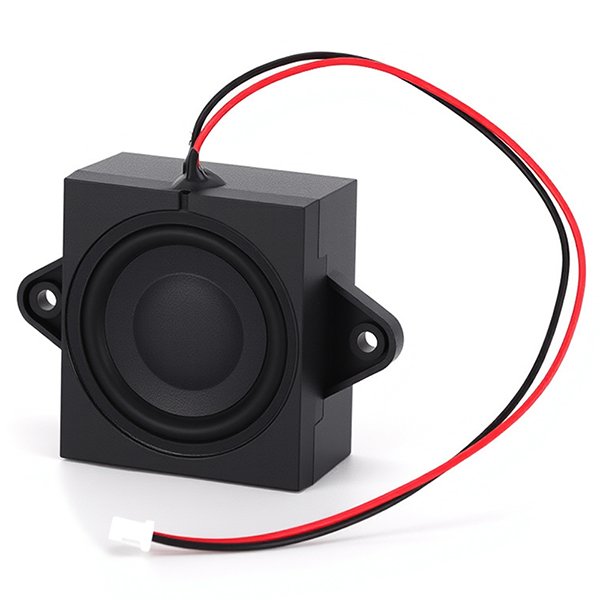
For suppliers of these critical components—the transducers that convert electrical signals into sound—achieving and maintaining consistency is not just a quality goal; it is an existential challenge. It sits at the intersection of advanced material science, precision engineering, and meticulous process control. While innovation in driver technology captures headlines, the relentless, unglamorous pursuit of unit-to-unit uniformity is what truly defines a top-tier supplier and dictates the performance of the final audio product.
The Core of the Problem: Materials, Tolerances, and Human Factors
A speaker driver is a deceptively simple device. At its heart, it consists of a magnet assembly, a voice coil, a diaphragm (cone, dome, etc.), and a suspension system (spider and surround). Yet, each of these elements is a potential source of variance.
Material Science is Not an Exact Science: The properties of key materials are inherently variable. For instance, the magnetic flux density of neodymium magnets can vary between batches. The stiffness, density, and damping characteristics of diaphragm materials—be it paper pulp, polypropylene, or advanced composites like PEN or Beryllium—are susceptible to environmental conditions during production and sourcing inconsistencies. Even the adhesives used to assemble these parts have cure times and bond strengths that can fluctuate with humidity and temperature.
Microscopic Tolerances, Macroscopic Impact: The voice coil must be perfectly centered in the magnetic gap, with tolerances often measured in micrometers (µm). A deviation of just a few microns can cause rub and buzz, distorting the sound. The alignment of the diaphragm, the consistency of the glue application for the coil, and the exact tension of the spider—all these “micro” variations add up to measurable differences in Thiele-Small parameters (like resonance frequency Fs , total Q factor Qts , and equivalent compliance Vas ). These parameters directly predict a driver’s low-frequency performance and its interaction with an enclosure.
The Human Element in a High-Precision World: Despite increasing automation, many critical steps, such as final assembly, inspection, and even some winding processes, may involve human operators. This introduces potential for variance in technique, pressure applied, and alignment.
The table below summarizes key variables in the driver manufacturing process and their impact on consistency:
| Manufacturing Variable | Impact on Driver Performance & Consistency |
|---|---|
| Magnet Flux Density Variance | Alters motor strength (BL product), affecting sensitivity and bass response. |
| Voice Coil Winding Consistency | Impacts electrical impedance, power handling, and thermal performance. |
| Diaphragm Material Density/Stiffness | Changes breakup modes and frequency response, especially in midrange. |
| Glue Cure Time & Amount | Influences damping, longevity, and can cause mass variance. |
| Voice Coil Centering in Gap | Causes distortion, rub & buzz, and reduced excursion capability. |
| Suspension (Spider/Surround) Stiffness | Directly alters Fs and Qms , changing low-end tuning. |
The High-Stakes Consequences of Inconsistency
The ripple effects of driver inconsistency are felt across the entire audio supply chain, with serious financial and reputational costs.
- Product Performance Variance: End products from the same production run can have audible differences, leading to a higher rate of customer returns and negative reviews.
- Design Compromise: Engineers must design circuits and enclosures to be tolerant of a wider performance window, potentially sacrificing peak performance for the sake of yield.
- Eroded Trust and Lost Contracts: Inconsistency is the fastest way to lose business with major brands. Contracts often include strict Acceptable Quality Level (AQL) standards with severe penalties for non-compliance.
- Scrap and Rework: Failed units mean wasted materials and labor, directly hitting the bottom line.
- Stifled Innovation: Resources that could be directed toward R&D for new materials or designs are instead poured into solving basic quality control fires.
- The “Lottery” Effect: The customer experience becomes a gamble. They may receive a “golden” pair that performs exceptionally or a mediocre one, undermining brand loyalty.
- Undermined Value: Inconsistency devalues the entire proposition of high-fidelity audio, which is based on precise and reproducible sonic reproduction.
Screening before the RFQ
Then check the acoustic capability. A gated chamber or an anechoic room is expensive and cannot be faked for long; ask for a measurement of a sample you send, with the raw data, and compare it with the datasheet. A factory that can measure will show the curve; one that cannot will send a catalogue PDF.
The Path to Consistency: Technology, Process, and Culture
1. Advanced Process Automation and Robotics: Automating repetitive and critical tasks is key. Robotic arms for glue dispensing ensure identical bead size and placement every time. Automated voice coil winding machines with laser measurement feedback guarantee consistent turn count, layer alignment, and tension. CNC machining for motor structures (plates and poles) ensures sub-micron tolerances.
2. In-Line Real-Time Measurement and AI-Powered QA: The paradigm is shifting from “test at the end” to “measure at every step.” Laser scanners measure diaphragm profiles; computer vision systems inspect coil alignment before and after assembly; automated test jigs measure Thiele-Small parameters and frequency response for every single unit as it comes off the line. The latest trend, as seen at industry leaders like Tymphany and Peerless by Tymphany, is the use of machine learning algorithms to analyze this torrent of production data. These AI systems can predict final performance based on early-stage measurements and identify subtle correlations between process variables and outcomes that human engineers might miss, allowing for pre-emptive corrections.
3. Statistical Process Control (SPC) and Traceability: SPC isn’t new, but its implementation with modern sensors and Manufacturing Execution Systems (MES) is. Every critical component can be barcoded or RFID-tagged, linking it to its source batch, the machine that processed it, and the operator. If a drift in Fs is detected, the system can trace it back to a specific batch of spider material or a change in ambient humidity on the factory floor at a specific time.
4. Supplier Partnership and Co-Engineering: The best OEMs don’t just buy drivers; they co-develop them with their suppliers. This involves sharing detailed target performance windows, collaborating on material selection, and often funding or co-investing in the supplier’s precision manufacturing equipment. This deep partnership aligns incentives and makes consistency a shared, funded mission rather than a procurement demand.
The Future: Consistency as a Platform for Innovation
Once a supplier has mastered predictable, repeatable production, it can release true innovation.
- Mass Customization: With perfect process control, it becomes feasible to produce smaller batches of highly specialized drivers (e.g., for hearing aids, specific VR/AR headsets, or professional studio monitors) economically.
- New Material Adoption: The risk of integrating novel materials like graphene composites or metamaterials is drastically lowered when the baseline process is stable. Engineers can isolate the variable of the new material itself.
- “Digital Twin” Drivers: Each physical driver could be shipped with a precise digital model of its measured performance, allowing OEMs to use DSP (Digital Signal Processing) to tailor the sound signature with unprecedented accuracy, turning minor physical variances into a software-correctable non-issue.
For speaker driver suppliers, the quest for consistency is a relentless engineering marathon, not a sprint. In the high-fidelity audio world, where the pursuit of perfection is the very product, the supplier who masters consistency doesn’t just deliver components—they deliver trust, and in doing so, become the silent, indispensable conductor of the entire industry’s symphony.
Audit the line, not the showroom
Walk the line against the process flow and stop at every test station. Look for the fixture, the limit values and the record. A Rub & Buzz station with a fixed threshold and a log is worth more than a wall of certificates; a station that is switched off during the tour is a warning sign.
FAQ
How can I tell a factory from a trading company?
Ask for the process flow, the in-house step list and a first-article report with Cpk. A trader can supply documents but cannot show a winding line, a tool shop or a measurement chamber during an unannounced visit.
What should a factory audit cover?
Process flow against the line, test fixtures and records, traceability from carton to component lot, tooling maintenance, calibration certificates and the AQL plan. Certificates alone do not demonstrate control.
Should I own the tooling?
Yes for any product you intend to keep. Pay for the tool, record its number and cavity count, and define a buy-out price; otherwise a change of supplier means a new tool and a new sample approval.
Related reading
- Top Speaker Driver Unit Suppliers for Automotive Audio Applications
- Sourcing Guide: Finding Speaker Driver Unit Suppliers for Hi-Fi Systems
- How to Verify the Technical Specs from Speaker Driver Unit Suppliers
More on OEM Manufacturing.