
A factory that subcontracts the driver, the mould and the assembly has three schedules to coordinate and three quality systems to audit. That is not automatically worse, but it changes the risk: the failure modes move to the interfaces, and the incoming inspection has to be specified by you rather than assumed.
The notes below apply to hi-fi audio system sourcing, with the measurement conditions and production checks that decide whether a claimed figure survives a shipment.
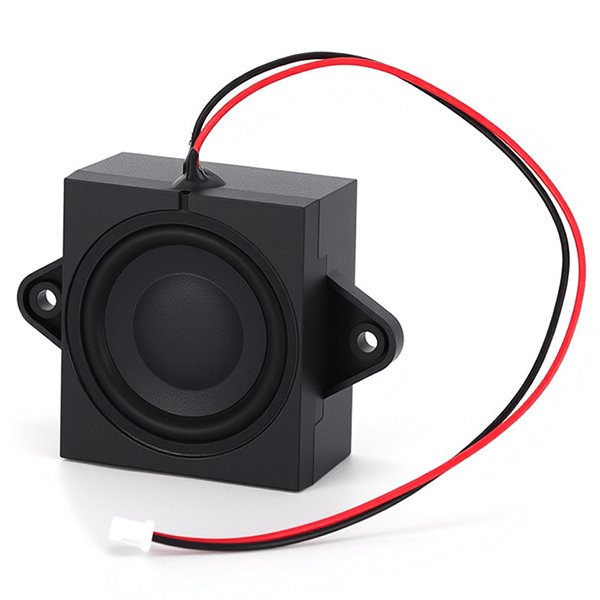
The Global Market of Speaker Driver Manufacturing
The speaker driver supply chain is a tiered, globalized ecosystem. Understanding this geography is the first step to strategic sourcing.
At the apex are the established Western brands (e.g., Scan-Speak (Denmark), SEAS (Norway), Tymphany (which owns Peerless, Vifa, and Dayton Audio (US/China)), and Focal (France)). They cater primarily to high-end DIY markets and luxury audio brands, offering both off-the-shelf and significant customisation (OEM) services. However, this comes at a premium price and often with longer lead times.
The dominant force in volume manufacturing is Asia , particularly China. Regions like the Pearl River Delta (Dongguan, Zhongshan) and Zhejiang province are hubs. This market segment is incredibly diverse:
- Tier 1 Asian OEMs: These are large, sophisticated factories often producing drivers for renowned international brands under contract. They possess advanced R&D capabilities, full in-house tooling for baskets, magnets, and cones, and rigorous quality control. Companies like Usher Audio (Taiwan) and certain specialized factories in South Korea fall into this category.
- Volume Manufacturers: Thousands of factories produce good-quality, cost-effective drivers for the mainstream consumer audio, home theater, and professional markets. They excel at value engineering and high-volume consistency.
- Boutique/Specialist Asian Suppliers: A growing segment of smaller Chinese and Vietnamese workshops now focus on replicating or innovating upon classic Western designs, offering high-value performance to the global DIY community at accessible price points.
Emerging regions like Vietnam and Eastern Europe are gaining traction, often offering a compelling mix of lower labor costs than China and growing technical proficiency, attracting manufacturers looking to diversify their supply chain.
| Region/Type | Typical Strengths | Typical Considerations | Best For |
|---|---|---|---|
| High-End European | Peak performance, innovation, brand prestige, custom OEM | Highest cost, longer lead times, minimum order quantities (MOQs) can be high for custom work | Luxury Hi-Fi brands, no-compromise DIY |
| Tier 1 Asian OEM | Excellent tech-to-cost ratio, full custom capability, scalability | MOQs can be substantial, requires deep vetting and clear communication | Established brands scaling production, seeking advanced custom designs |
| Volume Asian | Exceptional cost efficiency, high-volume reliability | Less focus on ultra-high-end specs, limited customisation | Mainstream Hi-Fi, value-focused brands, project starters |
| Boutique/Specialist | High value, unique designs, agile operations | Variable quality, lesser-known brand reliability | Enthusiast DIY, small-batch brands, prototyping |
Key Supplier Categories and How to Evaluate Them
Not all suppliers are created equal. Your project goals will dictate the category you engage with.
1. Off-the-Shelf/DIY Market Suppliers: Companies like Parts Express (Dayton Audio) , Madisound , and SoundImports aggregate drivers from various global manufacturers (including Tymphany, SEAS, Scan-Speak) for direct sale. This is ideal for prototyping, small batches, or DIY projects where tooling costs are prohibitive. Evaluation Criteria: Catalog breadth, technical support quality, documentation (Thiele/Small parameters), and consistency of stock.
2. Direct OEM/ODM Factories: Engaging directly with a factory for custom designs. This requires significant investment in communication, engineering collaboration (JAE – Joint Acoustic Engineering), and tooling. Evaluation Criteria:
- Technical Capability: Do they have in-house R&D, anechoic chambers, Klippel analyzers, and laser measurement systems?
- Material Sourcing: Can they source specialized components (e.g., Neodymium magnets, copper shorting rings, specific diaphragm resins)?
3. Component Specialists: Some suppliers excel in specific components: Amphenol or JST for connectors, 3M or Dupont for adhesives, specialized foundries for aluminum or cast magnesium baskets .
Use platforms like Panjiva or ImportYeti to analyze a supplier’s shipping history and volume. Check Hikvision ’s B2B platform or Alibaba.com ’s ‘Supplier Passport’ for verified audit and transaction data. In Q2 2024, global shipping costs have stabilized from pandemic highs but regional tensions suggest factoring in logistics volatility and dual-sourcing strategies.
Critical Technical & Commercial Selection Criteria
- Thiele/Small Parameters: The non-negotiable bible. Consistency in Fs, Qts, Vas, and BL is the deciding factor for predictable enclosure design.
- Frequency Response & Distortion: Review verified, on-axis and off-axis response charts. Examine distortion plots (2nd and 3rd harmonic) across the operating band. A good supplier provides Klippel-verified data.
- Power Handling & Thermal Management: Look for design features like vented pole pieces, copper caps, and large voice coils. Real RMS power ratings are more valuable than peak music power.
- Build Quality & Materials: Paper, polypropylene, aluminum, carbon fiber, or ceramic cones? Ferrite or Neodymium magnets? Each material choice impacts sonic character, weight, and cost.
- Minimum Order Quantity (MOQ): Can range from 10 units for off-the-shelf to 10,000 for a custom design. Understand tiered pricing.
- Pricing Structure: Unit price, tooling/NRE (Non-Recurring Engineering) costs, payment terms (e.g., 30% deposit, 70% before shipment).
- Lead Time: From 4 weeks for standard items to 20+ weeks for new custom tooling. Current (2024) note: Global lead times have improved but buffer for Chinese New Year and potential logistics delays.
- Certifications: Relevant safety (CE, RoHS, REACH) and quality (ISO 9001) certifications are baseline requirements.
- Sample Policy: Always test pre-production samples. Expect to pay for them, but a reputable supplier will credit sample costs against your first bulk order.
A Step-by-Step Sourcing and Negotiation Strategy
- Internal Specification: Define your exact technical requirements, target cost (Bill of Materials – BOM cost), annual volume forecasts, and acceptable tolerances.
- Longlisting: Use B2B platforms (Alibaba, Global Sources), industry directories (AES Membership Directory), and trade shows (IFA, Guangzhou International Audio Exhibition) to create a list of 15-20 potential suppliers.
- RFQ Process: Send a detailed, standardized Request for Quotation. Include technical drawings, target T/S parameters, desired materials, and request full commercial terms.
- Shortlisting & Vetting: Narrow to 3-5 based on responses. Conduct video meetings, request virtual factory tours, and ask for references from existing Western clients.
- Sample Evaluation: Order samples from your top 2-3. Perform rigorous in-house testing, not just listening. Measure parameters, test for durability (long-term power soak, climate cycling).
- Negotiation & Contracting: Negotiate on total landed cost, not just unit price. Include key clauses for: Quality Assurance (Acceptable Quality Level – AQL standards, e.g., 0.65% for critical defects), Warranty (typically 1-2 years for manufacturing defects), and Intellectual Property ownership.
- This tests their production consistency and your logistics chain.
Mitigating Risks and Ensuring Long-Term Success
- Quality Assurance: Insist on pre-shipment inspection reports from a third-party like SGS, Bureau Veritas, or Intertek . Plan for periodic in-person audits.
- Consider holding safety stock.
- Communication & Relationship: Build a relationship beyond the purchasing department. Direct contact with engineering leads prevents misunderstandings. Use clear, simple English and confirm all details in writing.
- Logistics & Tariffs: Factor in Incoterms (FOB, EXW, DAP), freight forwarding, import duties (like the US Section 301 tariffs on Chinese-origin goods, which, as of 2024, remain in place for many audio components), and local taxes.
Sourcing Hi-Fi speaker drivers is a blend of technical science, global commerce, and relationship management.
Audit the line, not the showroom
Walk the line against the process flow and stop at every test station. Look for the fixture, the limit values and the record. A Rub & Buzz station with a fixed threshold and a log is worth more than a wall of certificates; a station that is switched off during the tour is a warning sign.
Commercial terms, IP and tooling ownership
IP protection needs more than an NDA. Register the design where the product will sell, keep the acoustic tuning file and the crossover schematic off shared drives, and define which party owns the modifications made during development. Exclusivity should be time-bound and tied to volume, otherwise it costs the factory nothing to ignore.
FAQ
How can I tell a factory from a trading company?
Ask for the process flow, the in-house step list and a first-article report with Cpk. A trader can supply documents but cannot show a winding line, a tool shop or a measurement chamber during an unannounced visit.
What should a factory audit cover?
Process flow against the line, test fixtures and records, traceability from carton to component lot, tooling maintenance, calibration certificates and the AQL plan. Certificates alone do not demonstrate control.
Should I own the tooling?
Yes for any product you intend to keep. Pay for the tool, record its number and cavity count, and define a buy-out price; otherwise a change of supplier means a new tool and a new sample approval.
Related reading
- Top Speaker Driver Unit Suppliers for Automotive Audio Applications
- Why Consistency is the Main Challenge for Speaker Driver Unit Suppliers
- How to Verify the Technical Specs from Speaker Driver Unit Suppliers
More on OEM Manufacturing.
