
The material choice follows the product, not a preference. MDF is dense and well damped but heavy and sensitive to moisture; ABS allows ribs, bosses and a sealed housing in one moulding but needs wall sections of 1.5-3 mm and a draft of 1-2 degrees; PC-ABS and PA66-GF30 add heat and impact resistance where the housing also carries the electronics.
With speaker customization options, the difference between a sample and a shipment is the test record, so each section below names the check that produces it.
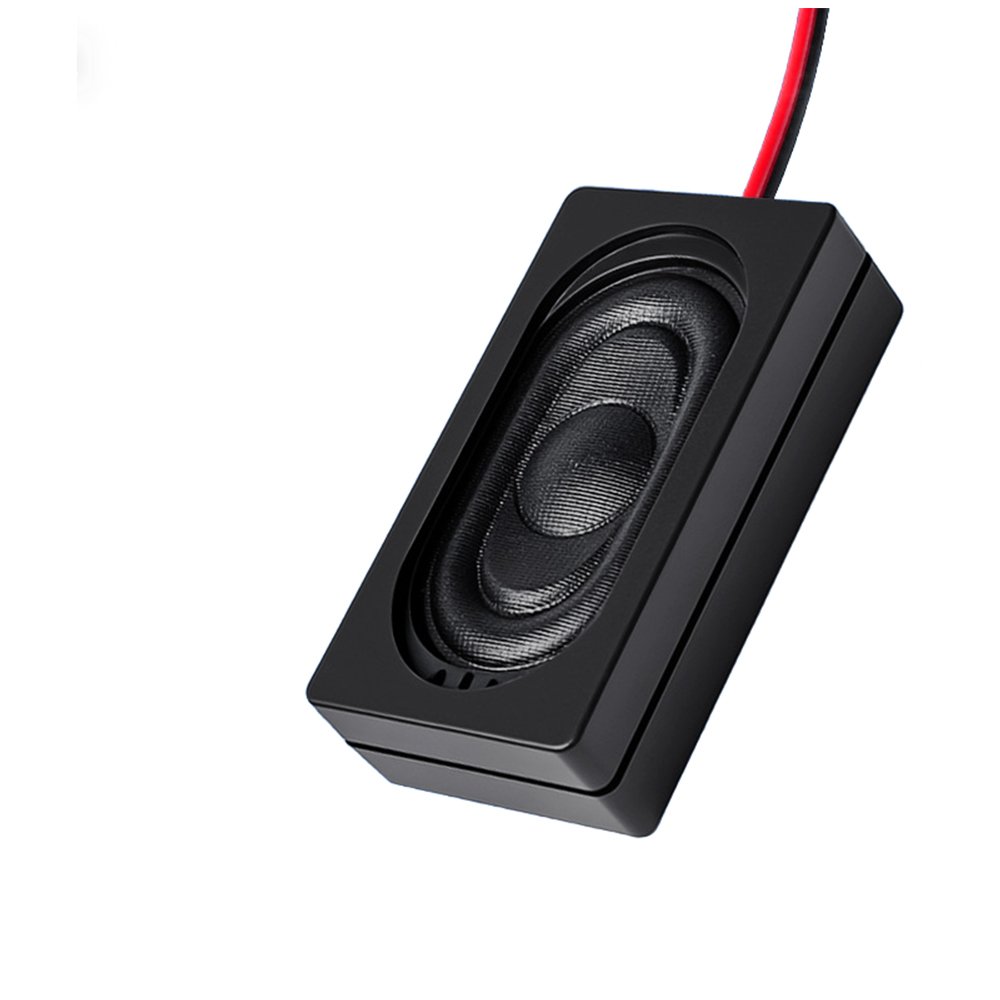
The Foundation: Material Selection and Advanced Manufacturing
The choice of material for a speaker housing is the first and most impactful customization decision.
- Medium-Density Fibreboard (MDF): The industry stalwart for decades. Its high density and low resonance make it an excellent, cost-effective choice for minimizing unwanted cabinet vibrations. Customization here involves specifying thickness (e.g., 18mm for bookshelf, 25mm+ for subwoofers), using moisture-resistant variants for outdoor applications, and implementing complex internal bracing patterns.
- High-Density Polymers & Composites: For portable, Bluetooth, and outdoor speakers, advanced polymers like ABS, polycarbonate blends, and fiber-reinforced composites are king. Customization involves injection molding, which allows for incredibly complex, tight geometries, integrated handles, waterproof seals (IP67), and uniform wall thickness for consistent performance.
- Aluminum & Die-Cast Alloys: Favored in high-end studio monitors and luxury audio gear for their rigid, non-resonant properties. CNC-machined aluminum housings offer supreme precision, excellent heat dissipation for amplifiers, and a premium aesthetic. The customization process includes intricate milling of waveguides, heat fins, and unique faceted designs.
- Solid Hardwoods & Laminates: For the boutique and hi-fi market, solid woods like oak, walnut, or bamboo offer distinct acoustics and unparalleled aesthetics. Customization is highly artisanal, focusing on joinery, veneer matching, and finish. For a more accessible option, high-pressure laminates (HPLs) or real wood veneers over MDF provide vast aesthetic flexibility.
Manufacturing Techniques: The material choice often dictates the manufacturing method, each with its own customizability.
- CNC Routing & Machining: Ideal for MDF, wood, and aluminum. Allows for rapid prototyping and production of complex internal baffles, precise driver cutouts, and intricate port designs.
- Injection Molding: The go-to for high-volume polymer housings. While the initial mold cost is high, it enables features impossible with other methods: integrated grille mounts, tight two-tone coloring, and living hinges.
- It allows for the creation of organic, acoustically optimized shapes with internal damping structures that would be impossible to machine or mold.
| Material | Best For | Acoustic Benefit | Customization Strength | Relative Cost |
|---|---|---|---|---|
| MDF | Hi-Fi, Home Theater, Studio | High damping, low resonance | Complex internal bracing, finish versatility | Low to Medium |
| Injection-Molded Polymer | Portable, Outdoor, Bluetooth | Durability, sealed designs | All-in-one complex geometry, color integration | High (tooling), Low (unit) |
| CNC Aluminum | Premium Studio, Luxury Audio | Extreme rigidity, no resonance | Precision machining, integrated cooling | High |
| Solid Wood | Boutique Hi-Fi, Art Pieces | Warm, natural resonance | Unique grain patterns, artisan joinery | Very High |
Acoustic Engineering and Performance Enhancements
Beyond the shell, true customization lies in the acoustic engineering integrated into the housing. These features are what separate a “box” from a tuned instrument.
Internal Architecture and Damping: A hollow box resonates. A custom housing is meticulously fortified. This includes:
- Strategic Bracing: Cross-braces, windowpane braces, and asymmetric ribbing are designed using Finite Element Analysis (FEA) to break up large panel areas and raise the enclosure‘s resonant frequency beyond the operating range of the driver.
- Damping Materials: The application of bituminous sheets, constrained layer damping (CLD) mats, or acoustic foam liners is a science. Customization specifies coverage area, material density, and placement to absorb specific back-wave frequencies without “over-deadening” the enclosure.
- Port Tuning (Bass-Reflex Designs): For ported speakers, the port is a tuned resonator. Customization involves precisely calculating the port’s diameter, length, and internal shape (flared ends reduce chuffing noise) to achieve a target low-frequency extension and alignment (e.g., Chebyshev, Butterworth).
Integrated Waveguides and Baffle Design: The front baffle profoundly impacts sound dispersion.
- Waveguides: Custom-molded or machined waveguides around the tweeter control directivity, ensuring a smooth transition to the midrange driver and improving off-axis frequency response. This is critical for consistent sound in both near-field (studio) and wide listening areas.
- Baffle Geometry: A slanted or stepped baffle can time-align drivers. Rounded edges or chamfers reduce diffraction, the smearing of sound caused by sharp edges, leading to improved stereo imaging and clarity.
Driver Integration and Sealing: How the driver mates with the cabinet is critical.
- Gasketing and Sealing: Custom closed-cell foam gaskets ensure an airtight seal between the driver frame and the baffle, preventing air leaks that destroy bass response.
- Mounting Systems: Custom designs may use isolation mounting to mechanically decouple the driver from the baffle, preventing vibration transfer to the enclosure itself.
Sealed, ported or passive radiator
A sealed box rolls off at 12 dB per octave below Fc and tolerates a small box with a gentle electrical boost. A ported box adds roughly 3 dB around Fb but rolls off at 24 dB per octave below it, and the driver unloads below tuning, so a high-pass filter at Fb protects excursion. The EBP ratio, Fs divided by Qes, points the way: above 100 the driver suits a port, below 50 it suits a sealed box.
Aesthetics, Finishing, and Functional Integration
The exterior finish is the most visible form of customization, serving both branding and functional purposes.
- Paints and Powder Coats: From matte black for studio neutrality to vibrant automotive-grade colors for consumer products. Textured powders can provide both a unique feel and scratch resistance. Custom metallics and pearlescent finishes are also possible.
- Veneers and Wraps: Real wood veneers (book-matched for symmetry), vinyl wraps with printed patterns, or even fabric wraps (like on many pro-audio speakers) offer vast aesthetic range.
- Direct Printing: UV-cured digital printing allows for full-color graphics, wood grain simulations, or brand logos to be printed directly onto a prepared MDF or polymer surface.
- Acoustically Transparent Grilles: Custom fabric grilles with custom logos, magnetic attachment systems for a clean look, or perforated metal grilles with specific open-area percentages to minimally impact sound.
- Integrated Connectivity: Custom rear panels with specific layouts for binding posts, XLR inputs, DSP control knobs, LED status indicators, or network ports. These can be customized for specific amplifier modules or system integrations.
The Customization Programme: From Prototype to Production
Navigating the customization process requires a clear partnership with a skilled manufacturer.
- Define Acoustic and Design Goals: Is the priority maximum SPL, deepest bass, widest soundstage, or ultimate portability? This guides all material and engineering choices.
- Collaborative Design and Prototyping: Using CAD software and rapid prototyping (3D printing, CNC mock-ups), the design is iterated. This phase includes initial acoustic testing with prototype drivers.
- Tooling and Pre-Production: For molded parts, the high-cost steel mold is fabricated. For CNC or woodwork, jigs and fixtures are created. A small pre-production run validates the manufacturing process and final acoustics.
- Quality Assurance and Compliance: Custom housings must be tested for structural integrity, aesthetic consistency, and relevant safety/regulatory standards (e.g., RoHS, REACH).
A notable trend is the use of bio-based composites and recycled materials as a key customization request for eco-conscious brands, adding a sustainable dimension to the spec sheet.
Wall behaviour, bracing and damping
Damping fill absorbs the standing waves inside the box. Polyester or glass wool at 0.5-1.0 lb per cubic foot is the usual starting point; too little leaves a mid-bass colouration, too much reduces the effective volume and raises Fc. The fill is stapled or bonded so that it cannot block the port or touch the driver's rear vent.
FAQ
Does MDF sound better than plastic for a small speaker?
MDF is better damped per millimetre, plastic allows thinner walls with ribs. Below 100 mm drivers the difference is small; above 100 mm MDF wins on panel resonance unless the plastic housing is heavily ribbed and filled.
How do I choose between a sealed and a ported box?
Use EBP: above 100 favours ported, below 50 favours sealed. Also check the space: a port needs 2-3 times the driver's displacement volume and a clear path at both ends.
What open area should a speaker grille have?
At least 40 % for metal mesh and 50-60 % for fabric, measured over the diaphragm area; below that the high-frequency loss becomes audible and cannot be corrected without changing the crossover.
Related reading
- What Makes Plastic Parts the Best Choice for your product Housings
- What Are the Printing Options for Branded Custom Speaker Covers?
- Speaker Enclosure Design for Better Bass
More on Enclosure Design.
