
A custom speaker programme has five gates: drawing and DFM, tooling, sample approval, pilot run and mass production. Each gate produces a document, and the programme is only as fast as the slowest document. Compressing the gates is possible; skipping them moves the cost to the first shipment.
This guide treats low MOQ speaker as a specification problem: what to measure, what to write on the drawing, and what to verify before the first carton ships.
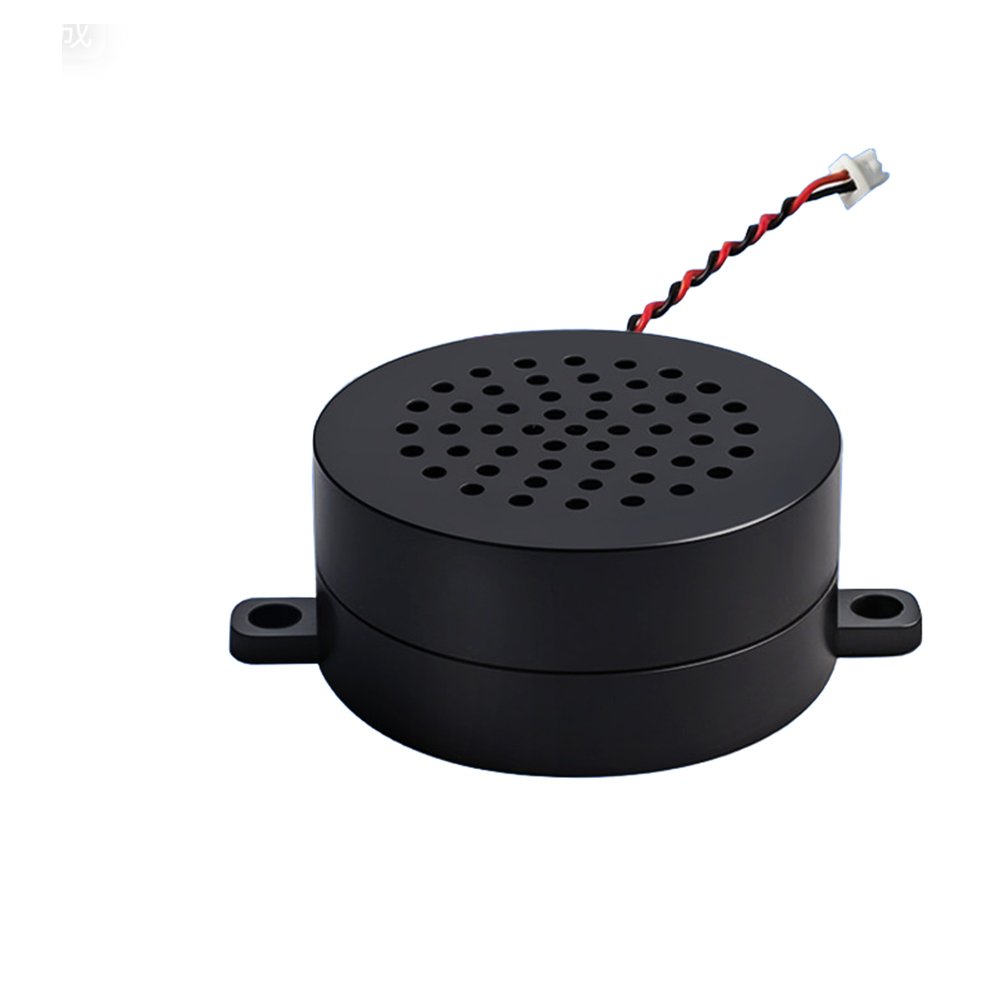
Why Low MOQ Speaker Manufacturing is a Step change for Startups
Launching a speaker brand or audio hardware startup has never been more accessible, thanks to the rise of Low Minimum Order Quantity (Low MOQ) manufacturing . For decades, the audio hardware industry was dominated by large players who could afford massive production runs, often requiring orders of 10,000 units or more. This high barrier to entry locked out innovators, niche brands, and bootstrapped startups. Today, a seismic shift is underway. Specialized manufacturers, particularly in tech-ecosystem regions like the Pearl River Delta in China and emerging hubs in Vietnam and Eastern Europe, now offer MOQs as low as 500, 100, or even 50 units .
This evolution is powered by flexible production lines, modular component designs, and a demand for rapid prototyping. For a startup, this means you can validate your market with a real product without mortgaging your future. Imagine testing your unique waterproof Bluetooth speaker design or your ergonomic portable monitor speaker with a limited batch, gathering user feedback, and iterating—all without a seven-figure capital outlay. The financial risk plummets, while agility and innovation potential skyrocket.
However, the fastest-growing segment is niche, application-specific audio devices (e.g., for fitness, gaming, specialized industrial use).
Working in a crowded market: Finding the Right Low MOQ Manufacturer
Finding a reliable partner is the most critical step. Use precise keywords: “low MOQ speaker OEM,” “custom small batch speaker manufacturing,” or “startup-friendly audio hardware producer.” However, look beyond the listings.
- Request Detailed Documentation: Ask for certifications like ISO 9001 (Quality Management), ISO 14001 (Environmental Management), and specific audio standards. For Bluetooth/Wi-Fi speakers, ensure they have BQB (Bluetooth Qualification) and FCC/CE pre-compliance support.
- Audit Communication & Transparency: A good partner will be transparent about limitations, costs, and timelines. They should assign a dedicated project manager.
- Insist on a Prototyping Phase: Before full production, go through a Prototype (EVT/DVT) and Pilot Run (PVT) phase. This is where your design is physically tested and refined.
- Seek References: Ask for contacts from other startup clients they’ve worked with.
The following table provides a realistic estimate based on Q2 2024 average costs for a mid-range portable Bluetooth speaker.
Lead time, ramp and shipment
Samples from existing tooling take 7-10 days; a new tool adds 25-35 days for T1 and the first shots, plus 10-15 days for the pilot run. Production is 15-25 days depending on the driver and the housing, and the critical path is usually the driver rather than the assembly line.
| Phase | Deliverable | Typical duration |
|---|---|---|
| DFM review | Marked-up drawing, draft and wall check | 3–5 days |
| Tooling (T1) | First shots, dimensional report | 25–35 days |
| Sample approval | Swept response, impedance, cosmetic limit | 7–10 days |
| Pilot run | FAI, Cpk on critical dimensions | 10–15 days |
| Mass production | AQL lot inspection, test record | 15–25 days |
Design for Manufacturability (DFM) and Quality Assurance at Low Volumes
A common misconception is that low MOQ means compromising on quality. The opposite should be true. With a smaller batch, you have greater oversight and control. The key is integrating Design for Manufacturability (DFM) principles from day one. This means designing your speaker not just for aesthetics and acoustics, but for efficient assembly with available components.
- Standard Component Sizes: Using common driver sizes (e.g., 40mm, 57mm) and battery cells (18650) reduces cost and lead time.
- Enclosure Complexity: A simple, two-part plastic enclosure is far cheaper to mold than a multi-curved, rubberized unibody design.
- PCB Layout: A well-designed, single-sided mainboard is easier and cheaper to produce in small batches.
- Incoming Quality Control (IQC): Inspection of all raw materials and components.
- In-Process Quality Control (IPQC): Checks during assembly (e.g., solder joint quality, glue application).
- Final Random Inspection (FRI): A standard AQL (Acceptable Quality Level) of 1.0 or 1.5 is applied to a random sample of the finished batch before shipping. For 500 units, inspecting 50-80 pieces is typical.
Demand a detailed QC report with photos and data for each phase. Many reputable factories now use IoT-enabled production lines that provide real-time process data, even for small orders.
Supply Chain and Logistics: Making Small Batches Viable
The global supply chain for audio components (drivers, ICs, batteries) has stabilized significantly since the pandemic disruptions, but lead times for specific components like high-end DAC chips or custom-designed passive radiators can still be 12-16 weeks. Your manufacturer should have transparent visibility into their sub-supplier network.
For logistics, consolidated air freight or less-than-container-load (LCL) sea freight are the most cost-effective for low MOQ orders. A critical, often overlooked step is import/customs clearance. Ensure you understand:
- Incoterms: For startups, FOB (Free on Board) is often best. You own the goods once they’re loaded on the ship/plane, and you arrange the main carriage and insurance.
- Tariff Codes (HS Codes): Speakers typically fall under HS Code 8518.30. Duty rates vary by country (e.g., approximately 3.7% for the USA, 0-14% for EU member states).
- Regulatory Imports: Have your FCC, CE, or other compliance documents ready for customs.
Using a freight forwarder experienced in small-batch electronics is highly recommended.
From First Batch to Scale: A Roadmap for Startup Growth
Your first low MOQ run is not the end goal; it’s the launchpad. Use this batch for:
- Crowdfunding Campaigns (Kickstarter/Indiegogo): Tangible product prototypes dramatically boost campaign credibility and success rates.
- Direct-to-Consumer (DTC) Sales: Sell via your website to maximize margins and gather direct customer data.
- Strategic B2B Partnerships: Place units with complementary brands or in boutique retail stores for pilot placements.
The feedback loop from this initial launch is pure gold. It informs your Version 2.0 —optimizing cost, enhancing features, or addressing design flaws. As demand solidifies, you can negotiate lower per-unit costs with your manufacturer for your next, larger order (e.g., 2,000-5,000 units), having built trust and a proven sales history.
The future of speaker manufacturing is flexible, on-demand, and driven by data. Technologies like 3D printing for rapid prototyping and AI-driven acoustic simulation are further lowering the barriers. For the agile startup, the message is clear: the tools to build and compete in the audio world are now on the table. Your unique sound deserves to be heard.
From drawing to approved sample
DFM comes first. Draft angle, wall section, gate position and the gasket land are reviewed before the tool is cut, because a 0.5 mm wall change after T1 costs a tool modification and two weeks. The review should return a marked-up drawing, not a comment that the part is feasible.
FAQ
What MOQ should I expect for a custom speaker?
500-1,000 pieces with existing tooling and 3,000 or more with a new housing tool; the difference is tooling amortisation, not material cost.
How long does a custom speaker programme take?
About 6-9 weeks with existing tooling and 12-16 weeks with a new tool, including sample approval and the pilot run. Certification adds 3-5 weeks if radio or safety testing is required.
How do I compare quotes from two factories?
Compare the magnet grade, diaphragm material, voice-coil wire, test coverage and tooling ownership line by line. A lower unit price with a lower magnet grade is a different product, not a better price.
Related reading
- OEM vs ODM Speaker Manufacturing Explained
- Sustainable Speaker Manufacturing Trends
- Cost Factors in Speaker Manufacturing
More on OEM Manufacturing.
