
A custom speaker programme has five gates: drawing and DFM, tooling, sample approval, pilot run and mass production. Each gate produces a document, and the programme is only as fast as the slowest document. Compressing the gates is possible; skipping them moves the cost to the first shipment.
With OEM ODM speaker, the difference between a sample and a shipment is the test record, so each section below names the check that produces it.
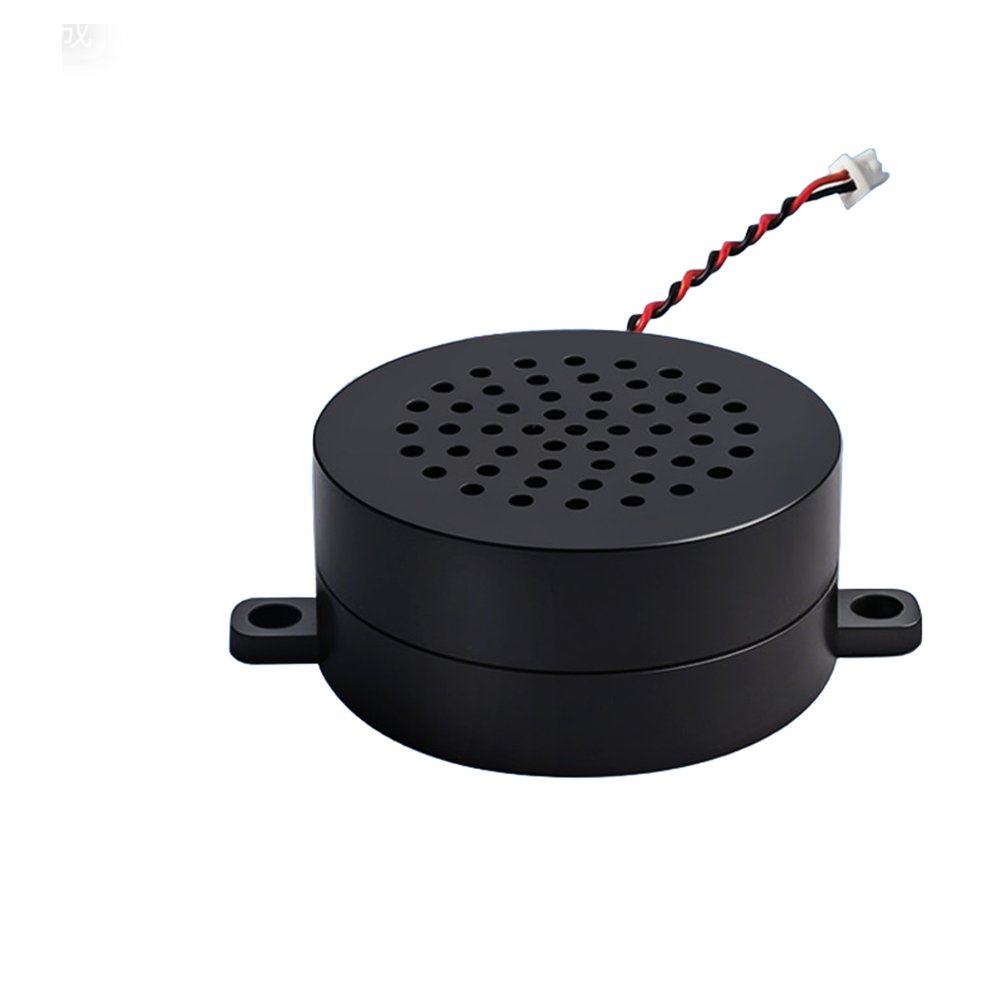
Understanding the Core Differences: What OEM and ODM Really Mean in Speaker Production
In the competitive audio equipment industry, two manufacturing models dominate: Original Equipment Manufacturing (OEM) and Original Design Manufacturing (ODM). For brands looking to bring speakers to market, understanding this distinction isn’t just technical jargon—it’s fundamental to business strategy. OEM manufacturing involves a brand providing detailed specifications and designs to a factory, which then produces the speakers exactly to those blueprints. Conversely, ODM manufacturing sees the factory providing both design and production services, offering “ready-made” or customizable existing designs that brands can private label.
The choice between OEM and ODM influences everything from your brand’s identity and cost structure to your speed to market and technical innovation.
The OEM Speaker Manufacturing Process: From Blueprint to Finished Product
Choosing the OEM path means you are the architect of your product. The process begins with your brand’s research and development (R&D) team, which designs the speaker’s acoustic properties, aesthetic form, user interface, and internal electronics. This includes detailed specifications for drivers (woofers, tweeters), crossover networks, amplifier modules, cabinetry materials, and finishes.
Once designs are finalized, your brand selects a manufacturing partner with the expertise and equipment to execute them. This involves rigorous factory auditing for quality control standards, production capacity, and ethical compliance. The OEM partner then sources components—such as specialized mylar for diaphragms or high-grade neodymium magnets—as per your strict Bill of Materials (BOM) . The entire production line is set up to your unique specifications, followed by prototyping, testing, and finally, mass production. The key advantage here is absolute control over intellectual property and product differentiation, but it requires significant upfront investment in R&D and project management.
Cost structure, MOQ and price negotiation
The bill of materials for a small speaker is dominated by the magnet, the diaphragm and the voice coil, in that order. Ask for the cost breakdown by line and compare the magnet grade and the diaphragm lot, not only the unit price.
The ODM Speaker Manufacturing Model: Using Existing Designs and Expertise
The ODM model is fundamentally different. ODM manufacturers have libraries of existing, fully engineered speaker designs that have been market-tested and optimized for production efficiency. As a brand, you browse these “catalog” options—which may range from portable Bluetooth speakers to multi-driver bookshelf units—and select a model to brand as your own.
The process is markedly faster and requires less capital. You can work with the ODM partner on customizations , often called “white-labeling.” This typically involves cosmetic changes: altering the grille fabric, applying your logo, choosing from a selection of finishes, and perhaps minor functional tweaks like adjusting EQ presets. The core acoustic design, circuit board layout, and tooling already exist. This model dramatically reduces time-to-market , often allowing a product launch within 3-6 months, compared to the 12-24 months common in OEM projects. It’s an ideal solution for brands seeking to quickly fill a product line gap or enter a new category without a massive R&D budget.
Comparative Analysis: Key Decision Factors for Your Brand
The choice between OEM and ODM hinges on several strategic factors. The following table outlines the critical differences to guide your decision-making process.
| Decision Factor | OEM Manufacturing | ODM Manufacturing |
|---|---|---|
| Design Control & IP | Full ownership and control. Your brand holds all intellectual property rights. | Limited to no IP ownership. The design is owned by the factory and may be sold to multiple brands. |
| Upfront Cost & Investment | Very high (R&D, prototyping, custom tooling). | Relatively low (mainly customization and tooling fees). |
| Minimum Order Quantity (MOQ) | Higher MOQs required to justify custom production setup. | Generally lower, more flexible MOQs. |
| Time-to-Market | Long (12-24 months for full development cycle). | Short (3-8 months for customization and production). |
| Product Uniqueness | Fully unique, differentiated product. High potential for innovation. | Limited differentiation; similar products may appear under other brands. |
| Technical Expertise Required | Requires in-house acoustic and electrical engineering teams. | Requires minimal technical expertise; uses factory's know-how. |
| Primary Business Goal | Market leadership through innovation and unique brand identity. | Rapid market entry, cost-efficiency, and lifecycle management. |
This allows brands to quickly adapt to trends like enhanced AI voice assistant integration or updated Bluetooth codec support (e.g., LE Audio) using ODM platforms.
Strategic Recommendations: Choosing the Right Path for Your Success
Your decision should align with your brand’s long-term vision and resources. Choose OEM if: your core value proposition is based on proprietary technology (e.g., a novel driver design or room correction software); you have substantial funding for R&D; and you aim to build a distinct, defendable market position. This is a long-term play for brand equity.
Choose ODM if: you are a new entrant testing the market; you need to quickly capitalize on a trend; your strength lies in marketing and distribution rather than engineering; or you need to offer a complete product portfolio without the overhead of designing every component. Many successful brands use a hybrid approach : employing ODM for accessory or entry-level lines while reserving OEM for their flagship, identity-defining products.
Regardless of the path, due diligence on your manufacturing partner is non-negotiable . Visit factories, audit their quality control labs, check their compliance certifications (like ISO 9001), and speak to their other clients. In the current market, ensuring ethical supply chains and sustainable materials is also increasingly part of the brand-manufacturer relationship.
Lead time, ramp and shipment
Ramp is where quality drifts. Agree a pre-production meeting, a golden sample kept by both sides, and a first-article report for the first carton. Shipment inspection uses the AQL plan agreed in the contract, and the test record for the lot travels with the packing list so that a later claim can be compared with the data.
FAQ
What MOQ should I expect for a custom speaker?
500-1,000 pieces with existing tooling and 3,000 or more with a new housing tool; the difference is tooling amortisation, not material cost.
How long does a custom speaker programme take?
About 6-9 weeks with existing tooling and 12-16 weeks with a new tool, including sample approval and the pilot run. Certification adds 3-5 weeks if radio or safety testing is required.
How do I compare quotes from two factories?
Compare the magnet grade, diaphragm material, voice-coil wire, test coverage and tooling ownership line by line. A lower unit price with a lower magnet grade is a different product, not a better price.
Related reading
- Low MOQ Speaker Manufacturing for Startups
- Sustainable Speaker Manufacturing Trends
- Cost Factors in Speaker Manufacturing
More on OEM Manufacturing.
