
The commercial numbers follow the same structure. Tooling is a one-off, materials scale with volume, and test time is nearly fixed per unit. That is why the price curve is steep below 3,000 pieces and almost flat above 20,000, and why MOQ is really a statement about tooling amortisation.
The notes below apply to speaker manufacturing cost factors, with the measurement conditions and production checks that decide whether a claimed figure survives a shipment.
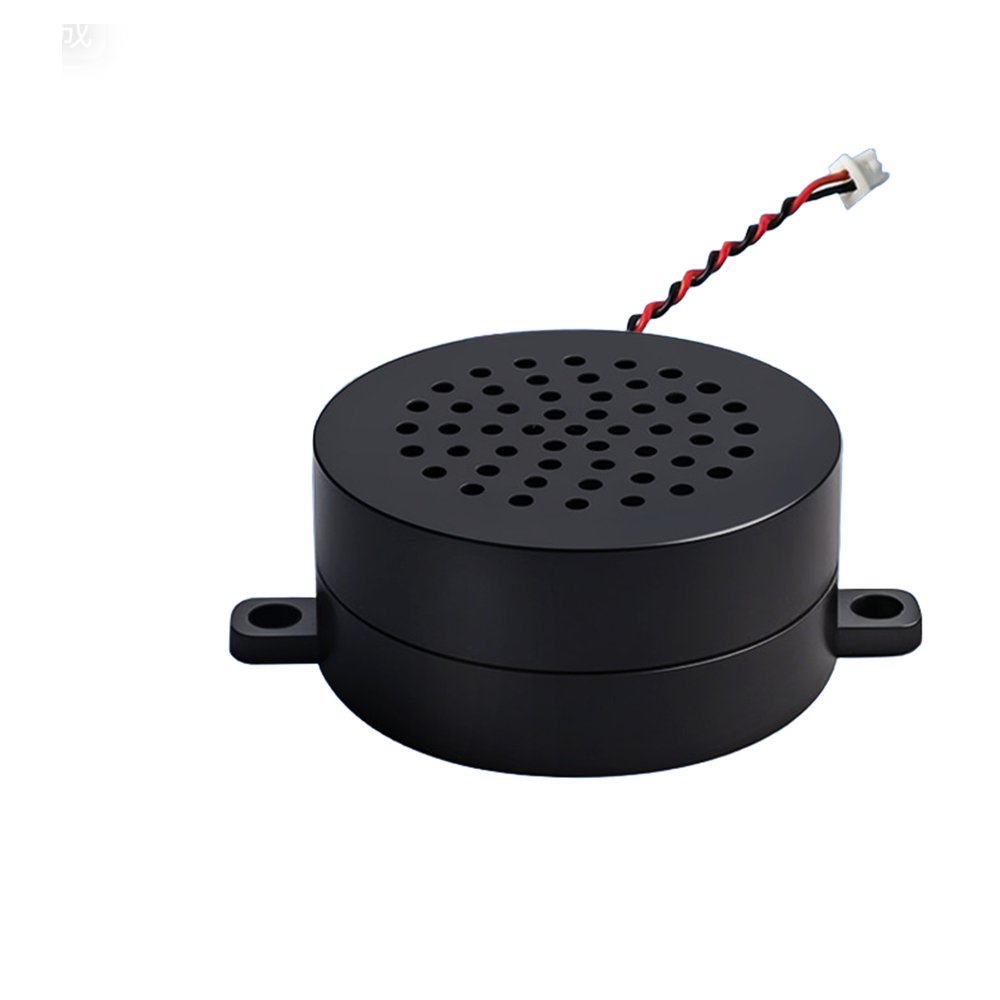
1. Core Material Costs: The Foundation of Sound
This is the physical essence of the product, where quality and cost are inextricably linked.
- Cones/Diaphragms: Paper pulp remains cost-effective, but advanced materials like polypropylene, aluminum, woven carbon fiber, or ceramic can increase costs tenfold. For high-end tweeters, materials like beryllium or diamond-coated domes command premium prices due to their exceptional stiffness and sonic properties.
- Magnets: The shift from standard ferrite magnets to neodymium (rare-earth) significantly impacts cost. While neodymium magnets are smaller and more powerful (benefiting compact designs), their price is volatile, tied to geopolitical factors and mining supply. A large, high-quality magnet assembly for a woofer is a major cost item.
- Voice Coils: Copper is standard, but aluminum (lighter, cheaper) or copper-clad aluminum (CCA) are alternatives. Larger coil windings and high-temperature materials like Kapton formers add expense but improve power handling.
Enclosure (Cabinet): This is far more than a box. It must be acoustically inert.
- Materials: Medium-Density Fiberboard (MDF) is the industry standard for its density and low resonance. Higher-end speakers use layered Baltic birch plywood or even machined solid wood. The push for portability drives use of molded plastics or composites, whose per-unit cost is lower but requires expensive initial tooling.
- Construction: A simple glued rectangle is cheap. Complex, curved, or braced cabinets require advanced CNC machining, skilled labor, and generate more waste, increasing cost exponentially. Finish adds another layer: vinyl wrap is economical; real wood veneers, high-gloss piano lacquer, or automotive-grade paints involve extensive, hand-applied labor.
| Component | Material Options | Relative Cost | Primary Sonic/Performance Impact |
|---|---|---|---|
| Woofer Cone | Paper Pulp | Low | Natural sound, good damping, but can be inconsistent. |
| Polypropylene | Low-Medium | Consistent, good damping, widely used in mid-range. | |
| Woven Carbon Fiber | High | Extremely stiff, low distortion, detailed bass. | |
| Tweeter Dome | Soft Fabric (Silk, etc.) | Low-Medium | Smooth, detailed high-end. |
| Aluminum/Magnesium | Medium | Detailed, but can be bright; requires careful design. | |
| Beryllium | Very High | Exceptional stiffness-to-weight, ultra-detailed, extended frequency response. | |
| Magnet | Standard Ferrite | Low | Large and heavy for given magnetic force. |
| Neodymium | High (Volatile) | Small, powerful, enables compact, efficient designs. |
2. Research, Development, and Acoustic Engineering
Before the first part is cut, significant investment flows into R&D. This is a fixed cost amortized over the production run, making it a critical factor in per-unit pricing, especially for low-volume, high-end models.
- Acoustic Design & Simulation: Engineers use sophisticated software (e.g., Finite Element Analysis, computational fluid dynamics) to model driver behavior, cabinet resonance, and port tuning. These software licenses and expert time are costly.
- Prototyping and Testing: Countless physical prototypes are built, measured in anechoic chambers, and subjected to rigorous listening tests. This iterative process consumes materials and hundreds of hours of skilled labor.
- Industrial Design & User Experience: The speaker’s aesthetic and interface design—from the feel of a grille to the click of a knob—requires design talent and usability testing. For smart speakers, UI/UX and app development add substantial software engineering costs.
Lead time, ramp and shipment
Ramp is where quality drifts. Agree a pre-production meeting, a golden sample kept by both sides, and a first-article report for the first carton. Shipment inspection uses the AQL plan agreed in the contract, and the test record for the lot travels with the packing list so that a later claim can be compared with the data.
3. Production, Labor, and Overhead
- Labor Costs: This is the most geographically variable factor. Manufacturing in China, Vietnam, or Eastern Europe offers lower hourly wages than in the US, Canada, or Western Europe.
- Tooling and Automation: Injection molds for plastic parts or driver baskets can cost tens to hundreds of thousands of dollars. High-volume lines use automation (robotic arms, automated assembly lines) to reduce per-unit labor cost, but the capital expenditure is enormous. Low-volume, high-end speakers rely more on manual assembly and finishing.
- This includes both electronic measurement and final auditory inspection.
4. Advanced Technologies and Features
Modern speakers are increasingly “smart,” integrating features that significantly add to the BOM and development cost.
- Digital Signal Processing (DSP): DSP chips and the software to program them allow for room correction, precise crossover slopes, and driver optimization. This is now a standard cost in the mid-to-high tier.
- Wireless Connectivity: Licensing fees for technologies like Bluetooth (especially high-quality codecs like aptX Adaptive or LDAC) and Wi-Fi (AirPlay 2, Chromecast built-in, proprietary multi-room systems) add up. Each chipset (Bluetooth/Wi-Fi module) also adds to the BOM. Voice assistant integration (Amazon Alexa, Google Assistant) involves further licensing and certification costs.
- Sustainability & Compliance: Costs for RoHS (Restriction of Hazardous Substances), REACH, and other environmental compliance are baked in. Sourcing sustainable materials or designing for recyclability can also increase upfront costs.
5. Regulatory Compliance, Testing, and Certification
A speaker cannot be sold globally without passing stringent safety and emissions standards.
- Safety Certifications: UL (USA), CE (Europe), KC (Korea), etc., require testing by certified laboratories—a process costing thousands of dollars per model.
- Wireless Regulations: FCC (USA), IC (Canada), CE-RED (Europe) certifications for wireless emissions are mandatory and costly.
- Intellectual Property (IP) Licensing: This includes fees for patented acoustic technologies (e.g., certain waveguide designs) and audio codecs (Dolby Atmos, DTS:X for home theater).
6. Logistics, Marketing, and Margin Stack
- Shipping and Logistics: In 2024, while container shipping rates have normalized from pandemic highs, geopolitical tensions and canal disruptions keep logistics a volatile cost factor. Shipping heavy, bulky speakers by sea and air is expensive, as is domestic freight to distributors and retailers.
- Import Duties and Taxes: Tariffs vary by country and product category. For example, US tariffs on speakers imported from China directly impact the landed cost for American brands.
From drawing to approved sample
DFM comes first. Draft angle, wall section, gate position and the gasket land are reviewed before the tool is cut, because a 0.5 mm wall change after T1 costs a tool modification and two weeks. The review should return a marked-up drawing, not a comment that the part is feasible.
FAQ
What MOQ should I expect for a custom speaker?
500-1,000 pieces with existing tooling and 3,000 or more with a new housing tool; the difference is tooling amortisation, not material cost.
How long does a custom speaker programme take?
About 6-9 weeks with existing tooling and 12-16 weeks with a new tool, including sample approval and the pilot run. Certification adds 3-5 weeks if radio or safety testing is required.
How do I compare quotes from two factories?
Compare the magnet grade, diaphragm material, voice-coil wire, test coverage and tooling ownership line by line. A lower unit price with a lower magnet grade is a different product, not a better price.
Related reading
- OEM vs ODM Speaker Manufacturing Explained
- Low MOQ Speaker Manufacturing for Startups
- Sustainable Speaker Manufacturing Trends
More on OEM Manufacturing.
