
В мире высококачественного аудио магия заключается не только в дизайне — она в процессе изготовления. Разница между хорошим динамиком и выдающимся звуковым опытом часто сводится к точности, технологиям и мастерству, заложенным в производственный процесс. В то время как бутиковые мастерские могут полагаться на ремесленные навыки, передовые производители громкоговорителей сочетают человеческий фактор с передовыми промышленными технологиями для достижения воспроизводимого и измеримого совершенства.
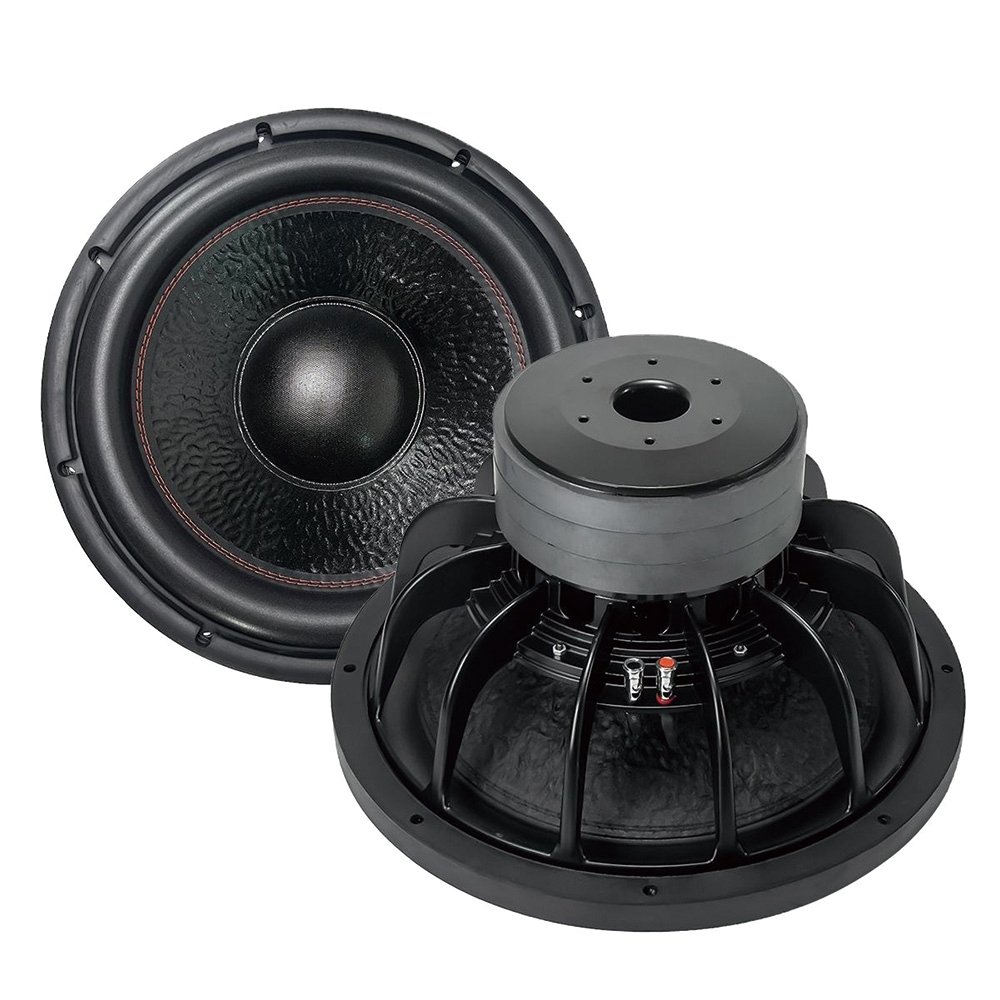
Этот углубленный обзор исследует сложное производственное оборудование, которое составляет основу производства громкоговорителей высшего класса, выходя за рамки базовых инструментов и охватывая системы, обеспечивающие акустическое превосходство, структурную целостность и стабильность в масштабе.
H2: Основа: Системы валидации проектов и акустических измерений
Прежде чем будет вырезан хотя бы один компонент, его характеристики виртуально совершенствуются в цифровой среде. Первый и наиболее важный набор оборудования находится не на заводском цехе, а в исследовательской лаборатории.
Лазерные доплеровские виброметры (LDV) и сканирующие системы представляют собой бесконтактные приборы, измеряющие микровибрации диафрагмы, подвеса и пылезащитного колпачка драйвера. Картографируя эти вибрации, инженеры могут выявить моды разрушения, искажения и резонансы, невидимые глазу. Компании, такие как Polytec являются отраслевыми стандартами, предоставляя системы, создающие полные трехмерные карты деформации конусов на различных частотах.
Передовые акустические измерительные камеры. Помимо простых безэховых камер, ведущие производители используют измерительные системы Klippel (например, Ближнепольный сканер Klippel – NFS). Это революционное оборудование строит полную трехмерную карту полярной характеристики громкоговорителя в обычном помещении, эффективно имитируя безэховую среду с непревзойденной точностью. Оно измеряет искажения, направленность и внеосевую характеристику со скоростью и точностью, недоступными традиционным методам.
Программное обеспечение для конечно-элементного анализа (FEA) и вычислительной гидродинамики (CFD). Хотя это и не физическое “оборудование”, высокопроизводительные вычислительные кластеры, работающие с программным обеспечением, таким как COMSOL Multiphysics или ANSYS являются жизненно важными. Они моделируют магнитные поля в двигательных системах, механические напряжения в компонентах и воздушные потоки в портах, оптимизируя конструкции до дорогостоящего физического прототипирования.
Таблица 1: Ключевое оборудование для валидации проектов и его функции
| Оборудование/Программное обеспечение | Основная функция | Ключевое преимущество | Пример бренда/модели |
| :— | :— | :— | :— |
| Лазерный доплеровский виброметр | Измеряет микровибрации поверхности драйверов. | Выявляет разрушительные резонансы и моды разрушения. | Polytec PSV-500 Scanning Vibrometer |
| Klippel NFS | Захватывает полное трехмерное звуковое поле и полярную характеристику. | Обеспечивает полную акустическую характеризацию в небезэховом пространстве. | Klippel Near-field Scanner 3D |
| Пакет ПО для FEA/CFD | Моделирует физические напряжения, магнитные поля и воздушные потоки. | Сокращает циклы прототипирования; оптимизирует производительность виртуально. | ANSYS Maxwell & Mechanical |
H2: Прецизионная обработка: ЧПУ и изготовление материалов
Преобразование цифровых проектов в физические детали требует точности на уровне микрон. Это область применения передового оборудования с числовым программным управлением (ЧПУ) .
Многоосевые фрезерные станки с ЧПУ. Для изготовления корпусов высокого класса используются 5-осевые станки с ЧПУ от брендов, таких как Biesse или Homag. Эти станки не просто режут дерево; они вытачивают сложные изогнутые панели, точные выемки под драйверы и запутанные портовые лабиринты из МДФ, массива дерева, алюминия или современных композитов. Возможность 5-осевой обработки позволяет вырезать сложные формы за одну установку, обеспечивая идеальное выравнивание и качество поверхности.
Токарные станки с ЧПУ для компонентов драйверов. Сердце громкоговорителя — его двигательный узел — требует экстремальной точности. Токарные станки с ЧПУ изготавливают критические полюсные наконечники, верхние пластины и каркасы звуковых катушек из мягкого железа, алюминия или каптона. Допуски здесь часто находятся в пределах ±0,01 мм, так как даже незначительное смещение может вызвать асимметрию магнитного поля и гармонические искажения.
Системы литья под давлением и укладки композитов. Для водителей со специализированными конусами (например, Continuum от B&W, MAT от KEF), индивидуальные литьевые машины с высокоточной оснасткой создают однородные сложные формы. Для конусов из углеродного волокна, кевлара или стекловолокна используются автоматизированные системы укладки волокна или прецизионное пресс-формовочное оборудование, обеспечивающее равномерную плотность и ориентацию материала, что критически важно для жесткости и демпфирования.
H2: Сборочная линия: робототехника, дозирование клея и лазерное выравнивание
Процесс сборки на современном заводе представляет собой балет автоматизации и квалифицированного контроля со стороны техников.
Автоматизированные роботы для дозирования клея. Нанесение точного количества клея на звуковую катушку, подвес или центрирующую шайбу имеет решающее значение. Слишком мало — соединение разрушится; слишком много — добавит нежелательную массу или жесткость. Программируемые роботы от компаний, таких как Nordson или Fisnar, дозируют эпоксидные смолы и цианоакрилаты с точечной точностью, обеспечивая равномерное отверждение и производительность каждого устройства.
Системы лазерного выравнивания. Для коаксиальных драйверов (например, от Tannoy или KEF) или сложных многодрайверных массивов идеальное физическое выравнивание не подлежит обсуждению. Лазерные выравнивающие приспособления гарантируют, что акустические центры драйверов расположены с субмиллиметровой точностью относительно панели и друг друга, сохраняя временное согласование и направленность.
Автоматизированная сборка и намагничивание магнитов. Обращение с мощными неодимовыми магнитами опасно и требует точности. Роботизированные манипуляторы "pick-and-place" собирают магнитные структуры, после чего полностью автоматизированные станции намагничивания заряжают сборку контролируемым мощным импульсом. Это гарантирует, что каждый двигатель драйвера имеет идентичную магнитную силу.
H2: Контроль качества: финальное тестирование и валидация “золотым ухом”
После сборки каждый динамик проходит строгое финальное тестирование — сочетание автоматизированных систем и человеческого прослушивания.
Автоматизированное внутрисхемное тестирование (ICT) и акустическое тестирование. Каждый динамик подключается к тестовому стенду, который выполняет быструю серию измерений:
- Импедансная характеристика: Проверка параметров Тиля/Смолла и выявление затираний или коротких замыканий звуковой катушки.
- Снимок частотной характеристики: Быстрая проверка в ближнем поле относительно цифрового допускового окна.
- Тест полярности, дребезжания и шума: Сигнал высокой мощности и низкой частоты проверяет правильность подключения и наличие механических дефектов.
Эти тесты часто выполняются системами, такими как Audio Precision APx555 B Series Analyzer,, отраслевой эталон для измерения аудио.
Финальная верификация в безэховой камере. Выборка устройств из каждой партии тестируется в основной безэховой камере безэховой камере компании для проверки полноспектральной частотной характеристики, гармонических искажений (THD) и интермодуляционных искажений (IMD) относительно эталонных данных (“золотого устройства”).
Человеческий фактор: комната прослушивания. Несмотря на все технологии, окончательное одобрение часто дают опытные участники прослушивания. В специальной акустически обработанной эталонной комнате эксперты сравнивают производственные образцы с эталонным стандартом, гарантируя, что измерения соответствуют музыкальной правде. Этот субъективный тест “золотого уха” остается незаменимым последним шагом для таких брендов, как Focal, Bowers & Wilkins и Revel..
H2: Будущее: Индустрия 4.0 и аддитивное производство
Передовые технологии производства динамиков формируются двумя ключевыми тенденциями:
Контроль качества на основе ИИ и предиктивное обслуживание. Системы машинного зрения теперь проверяют конусы, подвесы и паяные соединения на дефекты быстрее любого человека. Что более важно, алгоритмы ИИ анализируют данные со всей производственной линии — вибрацию станков с ЧПУ, температуру печей отверждения, результаты тестов — чтобы предсказать отказы оборудования до их возникновения и выявить тонкие корреляции, влияющие на конечное качество.
3D-печать для прототипирования и сложных деталей. Аддитивное производство революционизирует прототипирование, позволяя за одну ночь создавать сложные волноводы, конструкции панелей и даже детали драйверов. Компании, такие как German Physiks Использование 3D-печати для создания сложных внутренних структур. Технология движется в сторону производства готовых деталей, что обеспечивает массовую кастомизацию и геометрические формы, невозможные при субтрактивной обработке.
H2: Профессиональный Q&A: Инсайты в высокоточное производство
Вопрос 1: В чём заключается самое главное технологическое различие между передовым производителем и массовым?
А: Глубина внутрипроцессных измерений и интеграции данных. В то время как большинство заводов проводят финальный контроль качества, передовые производители встраивают измерительные системы, такие как сканеры Klippel и лазерные виброметры, непосредственно в этапы НИОКР и раннего производства. Это создаёт замкнутый цикл, в котором эмпирические данные постоянно совершенствуют конструкцию и процесс, а не просто выявляют дефекты. Весь рабочий процесс, от моделирования до финальных испытаний, управляется данными.
Вопрос 2: Есть ли ещё место для “ручной работы” в передовом производстве акустических систем?
А: Безусловно, но её роль изменилась. Элемент “ручной работы” теперь сосредоточен на финальной сборке, настройке и контроле качества— задачах, где превосходство человеческой ловкости и суждений очевидно. Например, финальное крепление тканевого подвеса или визуальный осмотр покрытия часто выполняются квалифицированными техниками. Тяжёлая механическая обработка и точные измерения автоматизированы, что позволяет мастеру работать с идеальными компонентами.
Вопрос 3: При такой высокой степени автоматизации почему высококлассные колонки разных брендов звучат настолько по-разному?
А: Оборудование обеспечивает последовательную реализацию дизайнерской концепции, но не создаёт саму концепцию. “Звук” определяется исходными проектными решениями — материалами, топологией, философией кроссовера, акустическими целями. Передовое оборудование просто позволяет бренду воспроизводить свою уникальную звуковую сигнатуру с предельной точностью в каждом экземпляре, устраняя производственные отклонения, которые могли бы исказить задуманное звучание.
Вопрос 4: Какой показатель данных в реальном времени наиболее критичен для контроля стабильности производства драйверов?
А: Этот Профиль импеданса и индуктивности звуковой катушки в процессе намотки и сборки. Системы мониторинга в реальном времени способны обнаруживать малейшие отклонения в натяжении провода, выравнивании слоёв или геометрии каркаса. Отклонение индуктивности всего на несколько процентных пунктов может изменить электрическое демпфирование драйвера и его высокочастотную характеристику. Передовые линии используют внутрипроцессные датчики для передачи этих данных обратно на намоточные станки для мгновенной коррекции.
Данные и тенденции основаны на отраслевом анализе, технических документах производителей (Klippel, Polytec, Audio Precision) и публичных раскрытиях ведущих аудиобрендов по состоянию на начало 2024 года. Конкретные модели оборудования представляют текущие отраслевые стандарты.