
Введение: Критическая роль аудио в современном здравоохранении
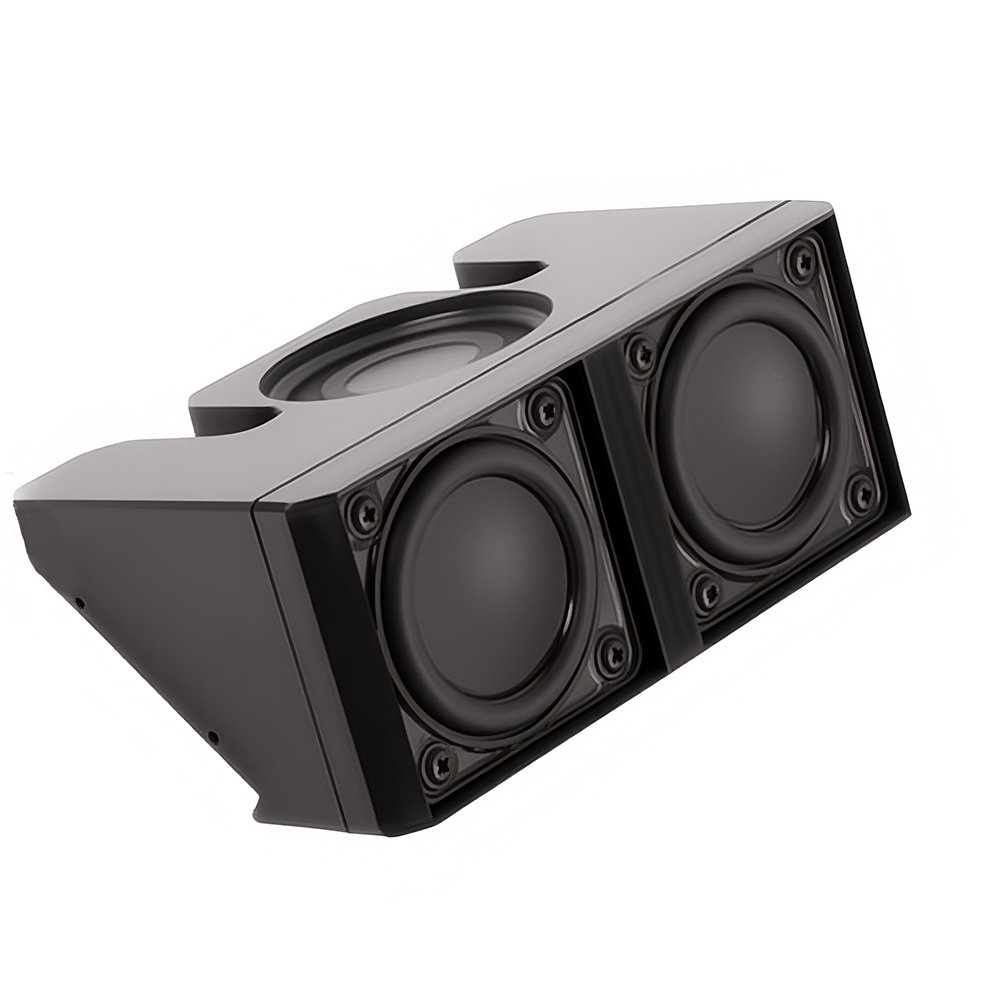
В условиях высоких ставок современного здравоохранения, где решения, принимаемые за доли секунды, и точный мониторинг могут означать разницу между жизнью и смертью, каждый компонент медицинского оборудования должен работать с непоколебимой надежностью. Хотя значительное внимание справедливо уделяется разрешению изображений, точности датчиков и анализу данных, роль аудиовыхода— в частности, встраиваемых динамиков — часто является недооцененной основой функциональности устройств. От постоянного звукового сигнала монитора пациента, указывающего на нерегулярное сердцебиение, до четких голосовых инструкций аппарата УЗИ, встраиваемые динамики служат жизненно важным коммуникационным мостом между сложными медицинскими технологиями и их операторами-людьми.
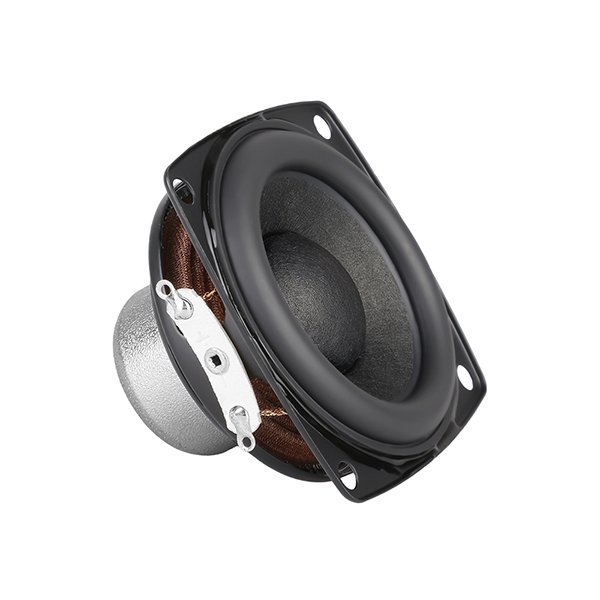
Эволюция этих аудиокомпонентов идет параллельно более широкой цифровой трансформации в медицине. Прошли времена простых зуммеров; сегодняшние встраиваемые динамики для медицинских устройств представляют собой сложные системы, спроектированные для обеспечения кристально чистого звука в широком спектре критически важных приложений. Они должны пробиваться сквозь какофонию шумной реанимации, обеспечивать разборчивые инструкции в операционных и предлагать обнадеживающую четкость в устройствах, контактирующих с пациентами, при этом соблюдая самые строгие стандарты безопасности, долговечности и гигиены. Эта статья углубляется в технологию, конструктивные соображения, стандарты и критерии выбора этих ключевых компонентов, предоставляя всестороннее руководство для производителей медицинского оборудования, инженеров-биомедиков и специалистов по спецификации медицинских технологий.
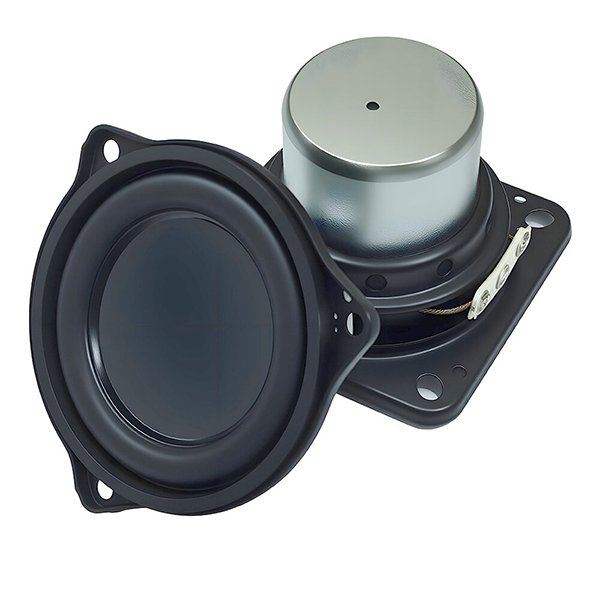
Технические характеристики и параметры производительности: Инжиниринг для четкости и надежности
Выбор встраиваемого динамика для медицинского оборудования требует тщательного баланса акустических характеристик, физических ограничений и соответствия нормативным требованиям. Базовый уровень определяется международными стандартами, в частности IEC 60601-1-8 для систем сигнализации в медицинском электрическом оборудовании, который предписывает конкретные уровни звукового давления, частотные паттерны и приоритеты для различных типов сигналов тревоги. Однако производительность выходит далеко за рамки соблюдения минимальных стандартов.
Ключевые показатели акустической производительности:
- Частотная характеристика: Медицинский звук часто требует адаптированной частотной характеристики. Сигналы тревоги выигрывают от акцента на среднечастотном диапазоне (500 Гц – 2 кГц), к которому наиболее чувствителен человеческий слух, в то время как голосовые инструкции требуют более широкого диапазона (200 Гц – 4 кГц) для разборчивости. Продвинутые динамики для диагностических приложений, таких как стетоскопы с усилением звука или допплеровские устройства, могут нуждаться в специализированной характеристике для точного воспроизведения физиологических звуков.
- Уровень звукового давления (SPL): Измеряемый в децибелах (дБ), SPL должен быть достаточным, чтобы быть слышимым на фоне окружающего шума, который в больницах может составлять в среднем 60-70 дБ и достигать более высоких значений. Динамики критических сигналов тревоги часто должны обеспечивать 75-85 дБ на расстоянии 1 метра. Динамик должен делать это без искажений, даже при максимальной выходной мощности.
- Коэффициент гармонических искажений (THD): Низкий THD (<5% при номинальной мощности) имеет решающее значение для четкости. Искаженные сигналы тревоги могут сбивать с толку или быть полностью пропущены, особенно в стрессовых ситуациях.
- Направленность и дисперсия: Конструкция динамика определяет, как распространяются звуковые волны. Широкий угол дисперсии часто требуется для заполняющих помещение оповещений, в то время как более направленная конструкция может использоваться для обратной связи, адресованной конкретному оператору.
Физическая конструкция и экологический дизайн:
Медицинские среды являются агрессивными. Встраиваемые динамики должны быть:
- Герметизированными и очищаемыми: Они требуют класса защиты IP54 или выше для выдерживания тщательной очистки дезинфицирующими средствами, спиртовыми салфетками и воздействия жидкостей. Диафрагма и внутренние компоненты должны быть защищены от проникновения.
- Магнитно-экранированными: Для предотвращения электромагнитных помех (EMI) чувствительному диагностическому электронному оборудованию динамики должны использовать экранированные магниты. Это обязательное требование для устройств, таких как оборудование, расположенное рядом с МРТ, мониторы пациентов и системы визуализации.
- Компактными и интегрируемыми: В связи с тенденцией к миниатюризации медицинских устройств часто указываются такие динамики, как тонкопрофильные пьезоэлектрические зуммеры или микро-динамики. Они должны помещаться во все более тонкие корпуса без ущерба для выходной мощности.
Таблица 1: Сравнение распространенных технологий встраиваемых динамиков для медицинских устройств
| Характеристика | Динамический (звуковая катушка) динамик | Пьезоэлектрический динамик | Арматурный излучатель с уравновешенным якорем |
| :— | :— | :— | :— |
| Идеально подходит для | Общие сигналы тревоги, голосовые инструкции, широкие частотные потребности | Приоритетные, пронзительные сигналы тревоги в компактных пространствах | Сверхкомпактные устройства, интеграция в слуховые аппараты, точные частоты |
| Частотная характеристика | Широкий, хорош для низких/средних тонов | Узкий, сфокусирован на высоких частотах (1-4 кГц) | Очень точный, может быть настроен на определенные диапазоны |
| Энергоэффективность | Умеренная | Очень высокая | Высокая |
| Долговечность/Возможность очистки| Отличная (может быть полностью герметизирован) | Отличная (твердотельная конструкция) | Хорошая (требует тщательной герметизации) |
| Стоимость | Низкая – Умеренная | Очень низкая | Умеренная – Высокая |
| Примеры применения| Аппараты ИВЛ, мониторы пациентов, аппараты УЗИ | Инфузионные насосы, прикроватные мониторы, портативные устройства | Цифровые стетоскопы, носимые мониторы пациентов |
Рыночная динамика и критерии выбора для OEM-производителей
Мировой рынок специализированных аудиокомпонентов для медицинских устройств демонстрирует устойчивый рост, обусловленный распространением подключенных медицинских устройств, диагностики на месте оказания помощи и передовых систем мониторинга пациентов. Аналитики прогнозируют, что сегмент аудиокомпонентов для медицинских устройств будет расти со среднегодовым темпом роста (CAGR) более 6% в период с 2023 по 2028 год, что подчеркивает его стратегическую важность.
Для производителя оригинального оборудования (OEM) процесс выбора выходит за рамки технического описания. Он включает многоаспектную оценку:
- Соответствие нормативным требованиям: Поставщик динамиков должен понимать и поддерживать нормативную стратегию OEM (FDA 510(k), маркировка CE в соответствии с MDR и т.д.). Это включает предоставление полных деклараций о материалах, отчетов об испытаниях по стандарту IEC 60601 (по электробезопасности и ЭМС), а также возможную поддержку тестирования биосовместимости, если динамик контактирует с пациентом.
- Устойчивость цепочки поставок: Постпандемический ландшафт выявил необходимость в надежных, многорегиональных цепочках поставок. OEM-производители отдают приоритет партнерам с подтвержденной надежностью, прозрачным sourcing'ом и гибкими производственными возможностями, чтобы избежать задержек в производстве критически важного медицинского оборудования.
- Поддержка акустической интеграции: Даже лучший динамик при плохой интеграции будет работать неэффективно. Ведущие поставщики предлагают поддержку прикладной инженерии, помогая с проектированием акустической камеры, оптимизацией решетки и настройкой цифровой обработки сигналов (DSP), чтобы конечный продукт достигал акустических целей без дорогостоящих циклов прототипирования.
- Возможность кастомизации: Готовые решения не всегда подходят. Возможность настройки монтажных кронштейнов, типов разъемов, дизайна решеток и даже акустических характеристик является значимым фактором ценности для крупносерийных или специализированных проектов медицинских устройств.
Актуальные данные: Опрос инженеров-конструкторов медицинских устройств за 2024 год показал, что “Простота интеграции” и “Документация по нормативному соответствию” превзошли “Стоимость единицы” в качестве двух главных критериев выбора для таких субкомпонентов, как встроенные динамики, что отражает рост стоимости и сложности процесса сертификации.
Конструктивные соображения для конкретных медицинских применений
Подход “один размер подходит всем” абсолютно неприменим в медицинских технологиях. Конструктивные требования к встроенному динамику сильно различаются в зависимости от варианта использования и среды устройства.
- Критически важный мониторинг (мониторы пациентов, вентиляторы): Здесь, надежность сигнализации имеет первостепенное значение. Динамики часто являются частью многотональной, приоритетной аудиосистемы. Конструкция фокусируется на максимальной разборчивости и способности воспроизводить отчетливые и срочные звуки тревоги в соответствии со стандартом ISO 7731 для сигналов опасности. Резервирование, например, основной динамический динамик с резервным пьезоэлектрическим излучателем, является обычной практикой.
- Хирургические и интервенционные кабинеты: Такое оборудование, как электрохирургические аппараты, инсуффляторы и навигационные системы, обеспечивает слуховую обратную связь (например, изменение тона при режимах резки/коагуляции). Динамик должен воспроизводить четкие, отчетливые тона с регулируемой хирургом громкостью, часто спроектированные так, чтобы быть ненавязчивыми. Строгое экранирование ЭМП критически важно для предотвращения помех другому чувствительному оборудованию в операционной.
- Диагностика на месте оказания помощи и портативные устройства (УЗИ, глюкометры): Основным ограничением является пространство. Разработчики ищут сверхминиатюрные динамики или микродинамики, которые все еще обеспечивают четкие голосовые подсказки, звуковые сигналы статуса или допплеровское аудио. Энергоэффективность также имеет решающее значение для устройств с батарейным питанием. Герметизация от пыли и жидкостей (как минимум IP67) является стандартом для устройств, используемых в различных клинических условиях.
- Устройства для пациентов и носимые устройства (инфузионные насосы, носимые мониторы): Аудио выполняет как функции оповещения, так и успокоения. Звуки тревоги должны привлекать внимание пациента, в то время как подтверждения статуса могут быть более мягкими. Психоакустика— то, как воспринимается звук, — играет свою роль. Динамики должны быть прочными для ежедневного использования пациентом и часто требуют индивидуальных решеток, соответствующих дизайну потребительских продуктов.
Будущее аудио в медицинских устройствах: тенденции, формирующие следующее поколение
Интеграция аудио в медицинские устройства становится все более сложной, выходя за рамки простого вывода звука и превращаясь в интеллектуальный, подключенный компонент экосистемы здравоохранения.
- Обработка аудио с использованием ИИ: Встроенные DSP-чипы в сочетании с алгоритмами ИИ обеспечивают интеллектуальную аудиофильтрацию. Будущие вентиляторы или мониторы смогут использовать встроенный ИИ для различения критического состояния тревоги и фонового шума (например, упавшей поручни кровати), потенциально снижая утомляемость от тревог — одну из главных проблем безопасности пациентов. Исследования таких учреждений, как Johns Hopkins в 2023 году, показывают, что модели ИИ могут сократить количество неинформативных тревог более чем на 40%.
- Синтез речи и биометрическая обратная связь: 更多设备将集成高质量语音合成功能,用于复杂指令下达和患者沟通。此外,扬声器开始与麦克风协同工作,用于 声学生物特征监测——分析咳嗽声、呼吸模式或心音,以提供诊断数据。.
- 触觉-听觉协同: 为应对嘈杂环境中的警报脱敏问题,设计人员正在将精确的音频警报与 同步触觉反馈 (振动)相结合。这种已在消费电子产品中普及的多感官方法,正迁移至临床设备中,用于护士随身寻呼机和手持工具,确保关键通知绝不错过。.
- 可持续性与材料: 绿色医疗设备的推动力正影响组件选择。预计将更加关注使用 可回收材料, 、无卤素组件以及便于在生命周期结束时拆解的设计,同时不损害严格的性能和安全性基准。.
专业问答:应对常见挑战
问题1:我们正在设计一款新型手持诊断设备。如何在响亮清晰的警报需求与小型电池及微小外形尺寸的限制之间取得平衡?
А: 这是一个经典的设计挑战。解决方案在于多管齐下的方法:
- 扬声器选择: 优先采用高效率技术,如 压电式 или 微型动态扬声器 并配备钕磁铁。仔细检查数据手册中的声压级与功耗曲线。.
- 声学设计: 与扬声器供应商的应用工程师密切合作。一个设计良好的 音腔 или 亥姆霍兹共振器 即使在小设备中,也能在不增加功耗的情况下将特定目标频率(如警报音)放大3-6分贝。.
- 数字信号处理驱动警报: 使用具备数字信号处理功能的微控制器生成 频谱高效的. 警报音。在人耳最敏感频率(约2-3千赫兹)上的脉冲或调制音,比连续音听起来更响亮、更紧急,从而节省电池寿命。.
问题2:我们的设备因扬声器电磁干扰而未通过电磁兼容性测试。应采取哪些步骤来缓解此问题?
А: 扬声器的电磁干扰是常见问题。补救措施应遵循以下层级:
- 源头抑制: 确保使用 磁屏蔽扬声器. 。这是首要且最关键的一步。验证屏蔽规格(例如,“>95%磁通量约束”)。.
- 电路隔离: 在供电和音频信号线上实施 π型滤波器 (电感-电容)。在靠近扬声器端子的所有引线上使用 铁氧体磁珠 。.
- 布局与接地: 重新评估您的印刷电路板布局。将音频放大器电路和走线远离敏感的模拟或射频部分。确保音频子系统采用 单点星形接地 ,以避免产生辐射噪声的接地环路。.
- 外壳屏蔽: 作为最后手段,考虑在扬声器区域周围的设备外壳上增强射频屏蔽,使用导电垫圈或涂层,并确保其正确接地。.
问题3:随着联网设备的兴起,对于远程医疗或远程监测设备,是否有新的音频质量标准需要注意?
А: 当然有。虽然安全标准(IEC 60601)仍是基础,但连接性能标准正日益重要。.
- 对于传输音频的设备(例如,用于远程会诊的数字听诊器发送心音),应重点关注 ITU-T P系列建议 关于电信音频质量的要求。这包括带宽、噪声和失真的规格。.
- Убедитесь, что ваша встроенная система динамиков и микрофонов поддерживает достаточно широкую полосу пропускания (не менее 100 Гц – 8 кГц) для разборчивой речи и диагностических звуков.
- Учитывайте LE Audio от Bluetooth SIG и новый кодек LC3 для беспроводных устройств. Он обеспечивает значительно лучшее качество звука при более низких битрейтах по сравнению с предыдущими кодеками, повышая четкость и увеличивая время автономной работы — ключевой фактор для носимых медицинских датчиков. Соответствие этим стандартам интероперабельности становится рыночным ожиданием.
Понимая глубокое влияние четкости звука, строгие технические требования и развивающиеся тенденции, разработчики медицинских устройств могут принимать обоснованные решения относительно встроенных динамиков. Этот, казалось бы, небольшой компонент при грамотном выборе и интеграции становится мощным инструментом для улучшения клинических результатов, повышения удобства использования и, в конечном счете, обеспечения благополучия пациентов.