
휴대용 스피커 시장은 단순히 기능성만을 중시했던 단순한 박스형 디자인을 훨씬 넘어서 진화했습니다. 오늘날 이 시장은 음향 공학, 재료 과학, 지속 가능한 디자인, 스마트 기술이 융합된 역동적인 환경입니다. 소비자들은 탁월한 사운드, 견고한 내구성, 원활한 연결성, 그리고 돋보이는 미적 감각을 모두 갖춘, 어디든지 휴대할 수 있는 제품을 요구합니다. 2024년을 맞이하며, 몇 가지 주요 트렌드가 휴대용 스피커 디자인의 미래를 정의하고 있으며, 이는 이 작은 오디오 강자들이 달성할 수 있는 한계를 계속해서 확장하고 있습니다.
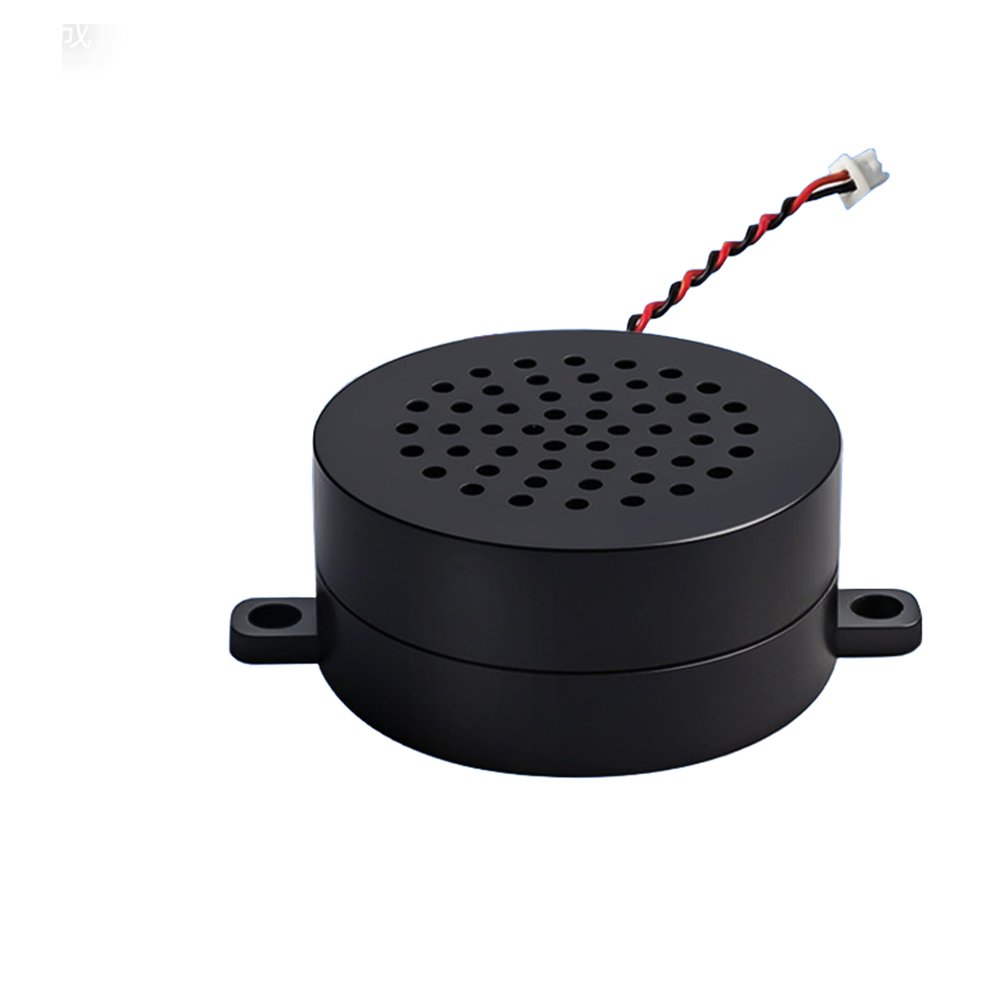
지속 가능하고 내구성 있는 소재의 부상
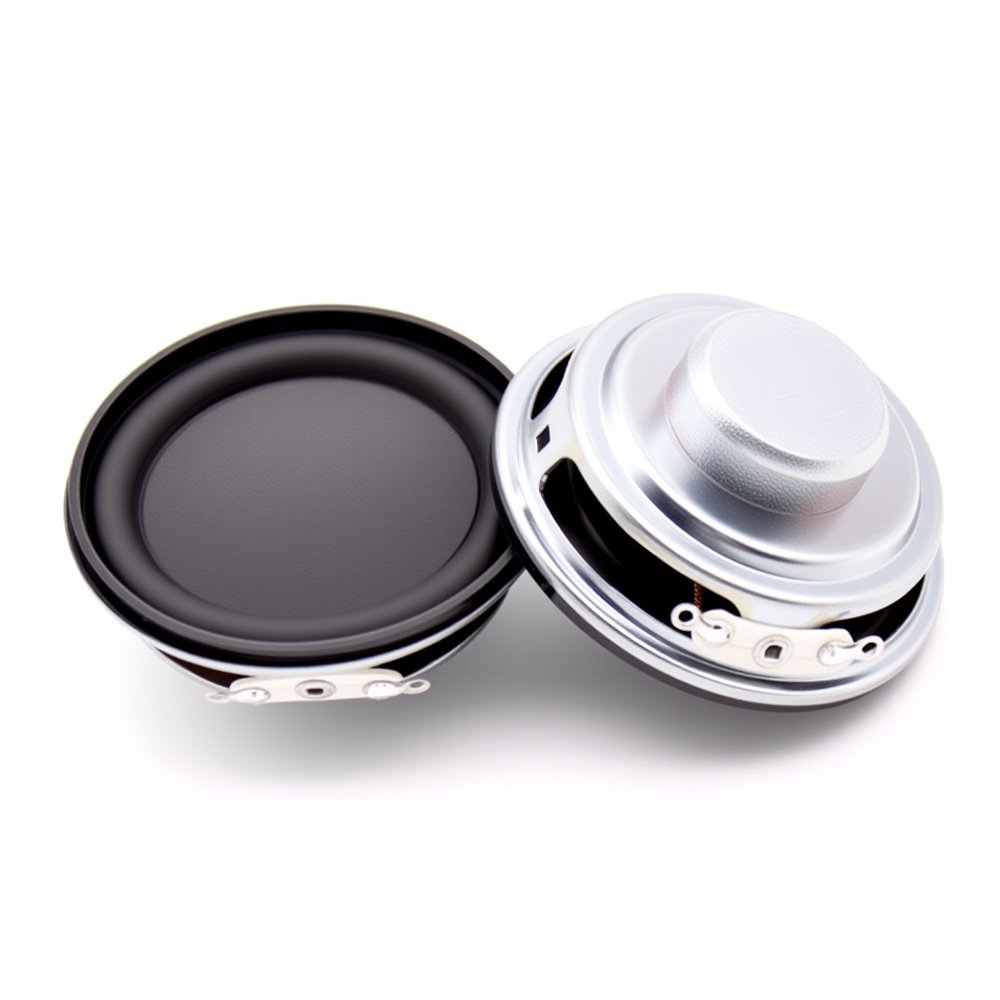
현대 소비자는 환경에 대한 인식이 점점 높아지면서 지속 가능한 디자인으로의 중요한 전환을 주도하고 있습니다. 제조사들은 내구성이나 음질을 저하시키지 않으면서 환경 영향을 줄이는 새로운 소재를 혁신적으로 도입함으로써 이에 대응하고 있습니다.
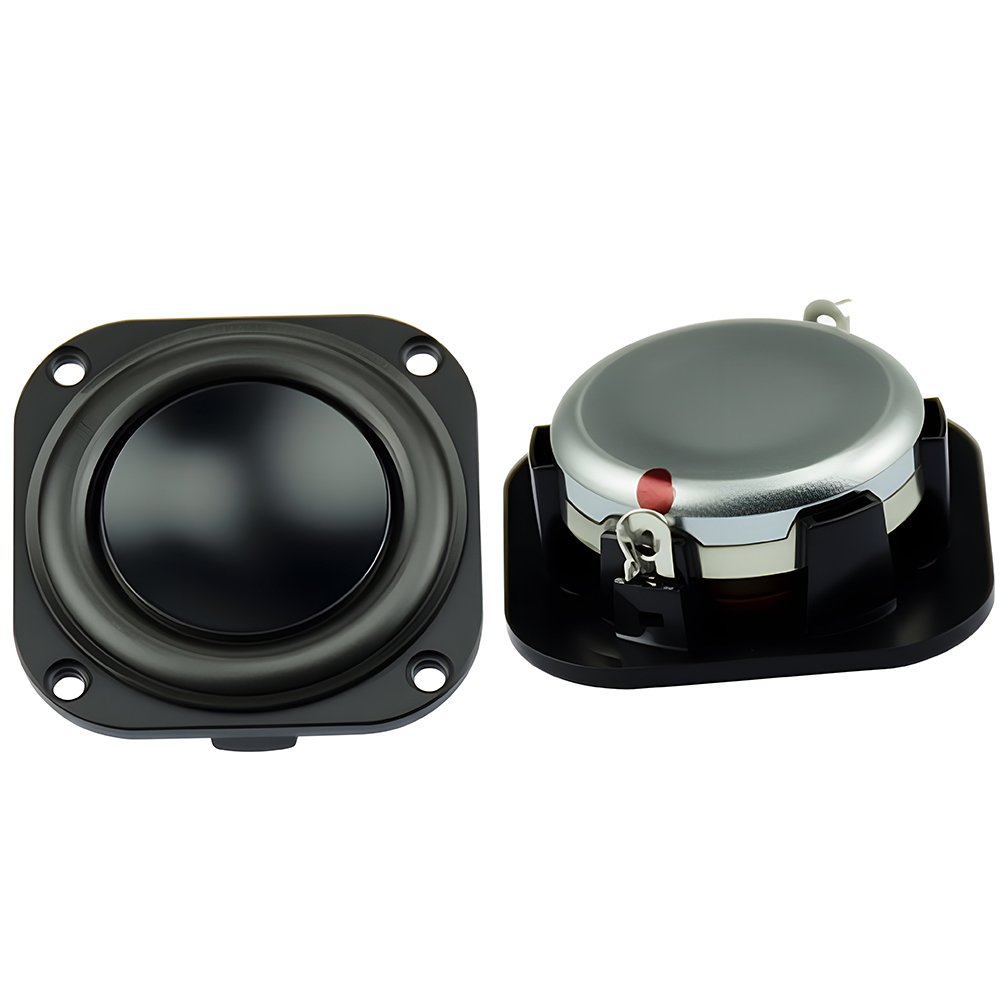
주요 초점은 새로운 플라스틱 사용을 줄이는 데 있습니다. 이제 우리는 스피커 케이싱과 부품에 소비 후 재활용(PCR) 플라스틱 이 널리 사용되는 것을 볼 수 있습니다. House of Marley와 Sonos와 같은 브랜드는 이를 두드러지게 채택하며, 종종 PCR 플라스틱을 그릴용 대마나 유기농 면과 같은 천연 직물과 결합합니다. 플라스틱 외에도, 해양 유래 플라스틱—해안 지역에서 수거된—은 견고한 스피커 본체로 재활용되고 있으며, 이는 JBL과 같은 회사가 Flip Essential Eco 에디션에서 선도하는 방식입니다.
진정한 프리미엄 부문에서는 재활용 알루미늄 그리고 FSC 인증 목재 와 같은 소재가 품질의 상징이 되고 있습니다. 알루미늄은 캐비닛 공명을 줄이기 위한 우수한 강성을 제공하며, 지속 가능하게 조달된 목재는 따뜻하고 자연스러운 미적 감각을 제공하고 음향 튜닝에 영향을 줄 수 있습니다.
이러한 지속 가능성 추진은 극한의 내구성에 대한 요구와 본질적으로 연결되어 있습니다. IP(방수/방진) 등급 는 중요한 사양이 되었으며, IP67(방진 및 1m까지 침수 가능)은 이제 야외 스피커의 일반적인 기준이 되었습니다. 자외선 노출, 극한 온도 및 물리적 충격을 견딜 수 있도록 고급 고무 화합물과 혁신적인 직물 기술이 개발되고 있습니다.
표: 휴대용 스피커의 일반적인 지속 가능 소재 (2024년)
| 재료 | 일반적인 적용 분야 | 주요 이점 | 사용 예시 브랜드 |
| :— | :— | :— | :— |
| 소비 후 재활용(PCR) 플라스틱 | 메인 케이싱, 버튼 | 매립 폐기물 감소, 탄소 발자국 저감 | Sonos, House of Marley, Ultimate Ears |
| 해양 유래 재활용 플라스틱 | 외부 본체, 내구성 부품 | 수로 정화, 견고한 하우징 제공 | JBL, Sony |
| 재활용 알루미늄 | 스피커 그릴, 섀시, 악센트 | 프리미엄 느낌, 우수한 방열, 높은 강성 | Bang & Olufsen, Bose |
| 유기농/직물 혼합물(대마, 면) | 스피커 그릴 커버 | 생분해 가능 옵션, 독특한 질감, 우수한 음향 투명성 | House of Marley, Braven |
| 바이오 기반 폴리머 | 부분 케이싱 부품 | 피마자유 같은 재생 가능 자원에서 유래 | WSAudiology (연구 단계) |
소형화 및 음향 공학의 혁신
“더 작은 상자에서 더 큰 사운드”를 향한 끊임없는 추구는 휴대용 스피커 디자인의 성배로 남아 있습니다. 이는 정교한 음향 공학과 부품 혁신을 통해 실현되고 있습니다.
네오디뮴 자석 은 높은 강도 대 크기 비율로 인해 표준으로 남아 있으며, 더 작고 강력한 드라이버를 가능하게 합니다. 그러나 실제 발전은 수동 방사체 기술에 있습니다. 현대 스피커는 능동 드라이버와 함께 작동하도록 전략적으로 튜닝된 여러 개의 수동 방사체를 사용합니다. 이 설계는 컴팩트한 인클로저 내에서 더 많은 공기를 진동시켜 더 큰 드라이버나 더 많은 전력 없이도 저음 응답과 전체 음압 레벨(SPL)을 극적으로 향상시킵니다.
컴퓨터 모델링과 유한 요소 해석(FEA) 을 통해 엔지니어는 물리적 프로토타입을 제작하기 전에 스피커 내부 챔버 내의 음파를 시뮬레이션할 수 있습니다. 이는 내부 용적과 포팅(있는 경우)을 최적화하여 왜곡을 최소화하고 특정하고 만족스러운 사운드 시그니처에 맞게 주파수 응답을 튜닝합니다.
또한, 휴대용 폼 팩터에서 다중 드라이버 배열 의 확산이 주목할 만합니다. 이제 우리는 전용 디지털 신호 처리(DSP) 칩과 결합된 별도의 트위터와 미드 우퍼, 또는 동축 드라이버를 갖춘 컴팩트 스피커를 볼 수 있습니다. 이 DSP는 실시간 오디오 튜닝을 수행하여 볼륨 레벨에 맞게 조정하고, 물리적 한계를 보상하며, 스피커 방향(예: 수평 대 수직)에 따라 사운드를 최적화합니다.
스마트 기능 및 생태계 연결성의 원활한 통합
휴대용 스피커는 더 이상 고립된 장치가 아닙니다. 이는 사용자의 개인 오디오 생태계와 스마트 홈의 한 노드입니다. 블루투스 5.3 은 이제 기본 요건이 되었으며, 더 안정적인 연결, 더 낮은 지연 시간(비디오 동기화에 중요), 그리고 향상된 전력 효율성을 제공합니다. 그러나 트렌드는 기본적인 페어링을 훨씬 넘어 확장됩니다.
휴대용 스피커에 음성 비서 (Google Assistant, Amazon Alexa, 그리고 AirPlay 2를 통한 Siri는 다소 덜하지만)를 직접 통합하는 것은 일반적입니다. 이를 통해 음악, 스마트 홈 기기 및 질문에 대한 핸즈프리 제어가 가능해져 스피커를 휴대용 명령 센터로 변모시킵니다.
다중 공간 오디오 프로토콜 (예: Chromecast 내장, Apple AirPlay 2, 독점 메시 시스템(Sonosnet, Bose SimpleSync))은 매우 중요합니다. 사용자는 휴대용 스피커를 고정 홈 오디오 시스템에 쉽게 그룹화하거나 두 대의 휴대용 유닛을 페어링하여 스테레오 또는 파티 모드로 사용할 수 있기를 기대합니다. 이러한 생태계 고착의 용이성은 주요 구매 동인입니다.
새로운 연결성 트렌드로는 Bluetooth Auracast, 단일 오디오 소스가 무제한의 근처 스피커로 스트리밍할 수 있게 해주는 새로운 방송 기능으로, 사교 모임과 공공 장소에서 판도를 바꿀 잠재력을 지니고 있습니다. 또한, 초광대역(UWB) 기술은 “상황 인식”을 위해 연구되고 있으며, UWB 지원 휴대폰을 소지한 사용자가 방을 이동할 때 스피커가 자동으로 사운드 프로필이나 재생 목록을 조정할 수 있습니다.
대담한 미학 및 개인화
디자인은 이제 주요 차별화 요소입니다. 실용적인 회색 또는 검은색 플라스틱 덩어리는 대부분 구식이 되었습니다. 현재 트렌드는 대담한 색상, 질감 있는 마감, 비전통적인 형태. 를 선호합니다. Ultimate Ears와 같은 브랜드는 Boom 및 Megaboom 시리즈를 통해 생동감 있고 장난기 있는 디자인의 장을 열었습니다. 오늘날 우리는 Sonos의 미니멀한 패브릭 감싸기 실린더부터 Bang & Olufsen의 각지고 건축학적인 디자인, Goal Zero의 Yeti 스피커의 견고하고 산업적인 미학까지 다양한 스펙트럼을 볼 수 있습니다.
맞춤 설정 는 성장하는 하위 트렌드입니다. 일부 브랜드는 맞춤형 그래픽을 인쇄하거나 다양한 색상과 소재 팔레트 중에서 선택할 수 있는 서비스를 제공합니다. 모듈성은 또 다른 측면으로, 교체 가능한 그릴, 스트랩 또는 마운트와 같은 옵션 액세서리를 제공하여 외관과 기능을 변경할 수 있는 스피커가 있습니다.
시각적 디자인은 음향 및 기능적 목적도 수행합니다. 원통형 모양이나 전략적인 드라이버 배치를 통해 종종 구현되는 360도 사운드 분산은 많은 형태를 결정합니다. 통합 핸들, 카라비너 클립, 내장형 스탠드는 디자인의 부차적 요소가 아닌 시각적 언어의 유기적 일부로 설계되고 있습니다.
전원 관리 및 “무선” 경험
진정한 휴대성은 전원 콘센트로부터의 자유에 달려 있습니다. 따라서 배터리 기술과 전원 관리는 중요한 디자인 개척 분야입니다. 리튬이온 배터리 팩 은 여전히 표준이지만, 에너지 밀도는 점차 개선되고 있습니다. 더 중요한 혁신은 소프트웨어와 시스템 효율성에 있습니다.
고급 DSP 및 앰프 효율성 은 모든 밀리와트의 전력이 열로 낭비되지 않고 사운드 생성에 효과적으로 사용되도록 보장합니다. 다음과 같은 기능 적응형 배터리 관리 는 사용 패턴을 학습하고 충전 주기를 최적화하여 수명을 연장할 수 있습니다.
주요 트렌드는 태양광 충전 기능, 의 통합이며, 특히 장시간 야외 활동을 위해 설계된 스피커에서 두드러집니다. Eton 및 Goal Zero와 같은 브랜드가 이 분야를 선도하며, 고효율 태양광 패널을 스피커 본체에 직접 통합하거나 액세서리로 제공합니다.
또한, 휴대용 스피커는 점점 보조 배터리. 역할을 겸하고 있습니다. 스피커에 USB-C 또는 무선 Qi 패드가 있어 휴대폰이나 기타 기기를 충전할 수 있는 것은 매우 가치 있는 유틸리티 기능으로, 스피커를 모든 “오프그리드” 전원 요구의 중앙 허브로 만듭니다.
휴대용 스피커 디자인 트렌드에 관한 전문가 Q&A
Q1: 지속 가능성 추진에 따라 해양 플라스틱과 같은 재활용 소재를 사용할 때 음질이나 내구성에 트레이드오프가 있습니까?
A: 과거에는 재활용 플라스틱이 일관성이 없어 음향 특성과 구조적 무결성에 잠재적으로 영향을 미칠 수 있었습니다. 그러나 재료 과학은 크게 발전했습니다. 주요 오디오 제조업체는 이제 컴파운더와 협력하여 특정 특성을 가진 재활용 플라스틱(해양 플라스틱 포함)을 엔지니어링합니다. 엄격한 테스트와 고급 폴리머 블렌딩을 통해 우수한 사운드에 중요한 일관된 밀도, 강성 및 댐핑 특성을 달성합니다. 많은 경우, 이러한 엔지니어링된 재활용 소재는 내구성 저하 없이 순수 플라스틱의 성능을 충족하거나 능가하면서 상당한 환경적 이점을 제공합니다.
Q2: 일반 사용자에게 IP 등급이 얼마나 중요하며, 숫자는 실제 사용에서 무엇을 의미합니까?
A: IP 등급은 거실 밖으로 나갈 의도가 있는 모든 스피커에 중요합니다. 이는 고체(첫 번째 숫자) 및 액체(두 번째 숫자)에 대한 보호 수준을 정의합니다. 휴대성을 위해서는 최소 IPX4(방적)를 찾으십시오. 진정한 야외, 수영장 옆 또는 해변 사용을 위해서는, IP67이 현재의 황금 표준. 입니다. 여기서 ‘6’은 완전 방진을 의미하고, ‘7’은 1미터 담수에 30분간 잠길 수 있음을 의미합니다. 이는 모래, 먼지, 비 및 우발적인 물속 낙하로부터 보호합니다. 더 새롭고 극한의 등급은 IP69, 이며, 고압, 고온 워터 제트에 대한 보호 기능을 추가하여 중장비 야외 또는 작업장 사용에 적합합니다.
Q3: 최신 휴대용 스피커 내부에서 “DSP”(디지털 신호 처리)는 실제로 무엇을 하며, 청취 경험을 어떻게 개선합니까?
A: DSP는 하드웨어의 출력을 실시간으로 최적화하는 소프트웨어 두뇌입니다. 그 기능은 다면적입니다:
- 드라이버 보호 및 저음 강화: 알고리즘을 사용하여 더 풍부한 저주파수를 합성하는 동시에 작은 드라이버가 높은 볼륨에서 왜곡되는 것을 방지하기 위해 정밀한 제한을 적용합니다.
- 자동 EQ 및 사운드 셰이핑: 볼륨 레벨(라우드니스 보상) 또는 콘텐츠 유형(음악 대 팟캐스트)에 따라 출력을 조정할 수 있습니다.
- 스테레오 확장 및 공간 효과: 단일 인클로저에서 DSP는 모노 신호로부터 설득력 있는 더 넓은 스테레오 이미지를 생성할 수 있습니다.
- 마이크 처리: 스피커폰 통화의 경우 노이즈 캔슬레이션 및 에코 억제를 적용하여 사용자의 목소리를 분리합니다.
- 적응형 오디오: 일부 고급 모델은 내장 마이크를 사용하여 실내 음향을 듣고 야외 환경에서도 에코나 널을 보정하기 위해 출력을 조정합니다. 본질적으로 DSP는 물리적으로 제한된 작은 상자가 크고 선명하며 맞춤화된 사운드를 생성할 수 있게 해주는 요소입니다.
Q4: 앞으로 휴대용 스피커 디자인에서 기대되는 다음 큰 기술적 도약은 무엇입니까?
A: 점진적 개선을 넘어, 다음 도약은 고급 상황 인식 및 몰입형 오디오 형식에서 비롯될 가능성이 높습니다. 정밀한 공간 추적을 통해 스피커가 사용자의 움직임에 따라 사운드스테이지를 동적으로 조정할 수 있습니다.. 초광대역(UWB) 공간 오디오/3D 오디오 코덱과의 통합이 시작되고 있습니다. (Dolby Atmos Music 등) 미래의 휴대용 스피커는 다중 드라이버와 정교한 DSP를 활용하여 이동 중에도 개인 맞춤형 헤드 트래킹 몰입형 오디오를 구현할 수 있습니다. 더 나아가, 고급 AI 기반 음향 모델링은 스피커가 어떤 환경에서도 극도로 정밀하게 자체 보정할 수 있게 해주며, 그래핀을 사용한 드라이버 진동판과 같은 소재 혁신은 나노 크기 부품에서도 탁월한 강성과 경량성을 제공하여 더욱 향상된 사운드를 구현할 수 있습니다. graphene in driver diaphragms could offer unparalleled stiffness and lightness for even better sound from nano-sized components.