
서론: 인클로저 형상이 음향에 미치는 영향
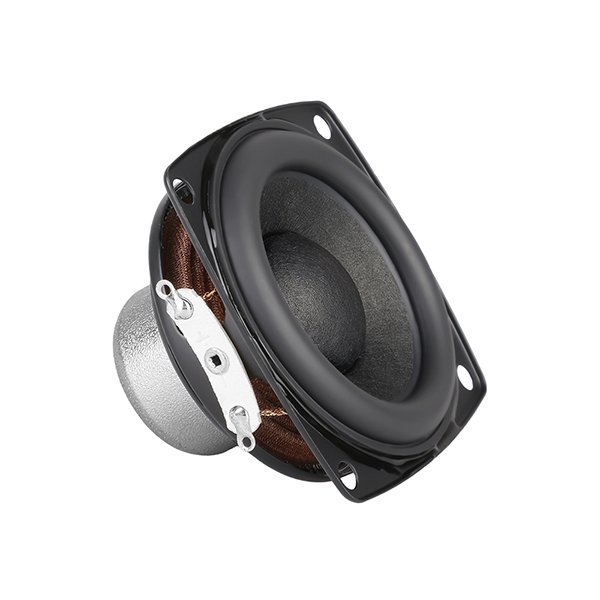
소형 스피커 설계의 세계에서는 모든 밀리미터와 모든 각도가 중요합니다. 휴대용 블루투스 스피커, 사운드바, 벽걸이형 유닛, 고급 데스크톱 모니터에 이르기까지 소형 인클로저를 제작하거나 선택하는 엔지니어, 제품 디자이너, 오디오 애호가에게 원형과 타원형의 선택은 단순한 미적 문제가 아닙니다. 이는 음향 성능, 제조 가능성, 사용자 경험에 직접적인 영향을 미치는 근본적인 엔지니어링 트레이드오프를 나타냅니다. 소비자들이 뛰어난 사운드와 세련되고 공간 효율적인 폼 팩터를 동시에 요구하는 시대에, 인클로저 형상 최적화는 중요한 학문 분야가 되었습니다. 본 심층 분석은 원형 대 타원형 스피커 인클로저의 물리학, 실제 응용 사례, 최신 데이터 기반 인사이트를 탐구하여 소형 설계 최적화를 위한 종합적인 가이드를 제공합니다.
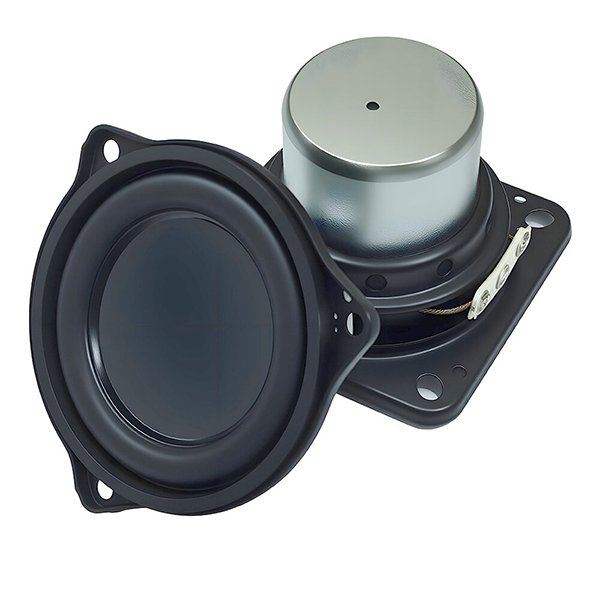
제한된 공간 내 음향의 물리학
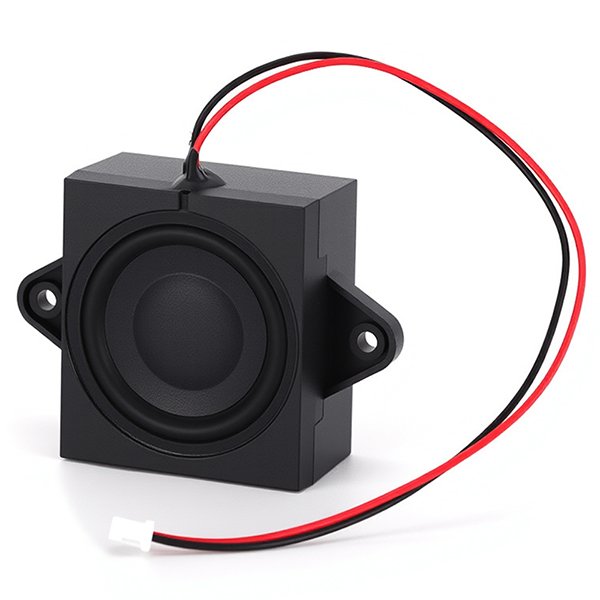
형상의 영향을 이해하려면 먼저 소형 인클로저 내의 핵심 음향 문제를 고려해야 합니다. 스피커 드라이버가 진동하면 전면(원하는 출력)과 후면(위상이 반대인 에너지)에서 음파가 생성됩니다. 인클로저의 주요 역할은 이 후면파를 관리하여 전면파와의 상쇄를 방지하고 음색을 왜곡하는 원치 않는 공진을 제어하는 것입니다.
원형(원통형) 인클로저 에서는 내부 정재파(공간 치수에 의해 결정되는 공진 주파수)가 중심에서 모든 방향으로 균일하게 전파됩니다. 대칭성으로 인해 공진이 고르게 분포되지만, 직경이 문제가 되는 파장에 해당할 경우 두드러진 단일 주파수의 "붐" 현상이 발생할 수 있습니다. 또한 곡면 벽은 확산 반사를 촉진하여 평평하고 평행한 벽보다 내부 정재파를 더 효과적으로 분산시켜 그 강도를 줄일 수 있습니다., 타원형(또는 타원체) 인클로저.
안 는 다른 역학을 도입합니다. 두 개의 뚜렷한 주축(장축과 단축)은 더 복잡한 정재파 패턴을 생성합니다. 공진이 더 많은 주파수에 분산되어 단일 지배적인 공진이 출력을 압도하는 현상(모드 확산)을 방지할 수 있습니다. 그러나 이는 더 복잡한 내부 음장을 초래할 수도 있습니다. 형상은 종종 곡면과 평탄한 표면의 조합을 포함하여 내부 반사를 예측하기 어려운 방식으로 유도할 수 있습니다. 영향을 받는 주요 음향 매개변수:.
내부 정재파(모드):
- 원형은 더 강한 단일 공진의 위험이 있으며, 타원형은 모드를 확산시키지만 복잡성을 추가합니다. 배플 회절:.
- 드라이버가 장착된 전면 패널(배플)의 형상은 음파가 실내로 전파되는 방식에 영향을 미칩니다. 원형 배플은 전체 둘레에 걸쳐 균일한 회절을 유발하여 더 부드러운 축 외 주파수 응답 이상을 초래합니다. 타원형 배플은 비대칭 회절을 생성하여 사운드의 수평 및 수직 분산에 서로 다른 영향을 미칩니다. 구조적 강성:.
- 패널 진동(원치 않는 음색 왜곡 유발)에 대한 저항성은 형상에 크게 의존합니다. 원통은 본질적으로 매우 강성이 높아 균일하게 굽힘에 저항합니다. 타원형은 장축을 따라 강성이 높을 수 있지만, 적절히 보강되지 않으면 측면의 평탄한 부분에서 더 많은 굽힘 가능성이 있습니다. 원형 인클로저: 대칭성, 강도, 단순성.
원형 형태는 본질적인 효율성과 강도로 인해 엔지니어링 분야에서 오랫동안 존중받아 왔습니다. 소형 스피커 인클로저에서는 이는 뚜렷한 이점으로 이어집니다.
음향 및 기계적 장점:.
원통형 인클로저는 광범위한 내부 보강 없이도 균일한 강도를 자랑합니다. 이러한 자연스러운 강성은 중음역대 음색 왜곡의 주요 원인인 패널 공진을 최소화합니다. 평행한 표면이 없기 때문에 직사각형 상자에 비해 정재파의 강도가 본질적으로 감소합니다. 설계자에게 이러한 대칭성은 모델링과 튜닝을 단순화합니다. (베이스 리플렉스 설계의) 포트 튜브는 중앙에 대칭적으로 통합되어 원활한 공기 흐름을 촉진할 수 있습니다. 회절 관점에서 원형 배플은 가장 일관되고 예측 가능한 간섭 패턴을 제공하며, 이는 크로스오버 설계에서 보상될 수 있습니다.
실용성 및 제조 고려 사항:.
생산 관점에서 원형 인클로저는 매우 효율적일 수 있습니다. 알루미늄, 플라스틱 또는 복합재와 같은 재료로 압출, 성형 또는 회전 가공되어 최소한의 이음새로 매끄럽고 강성이 높은 쉘을 만들 수 있습니다. 이는 많은 아이코닉한 휴대용 스피커(예: UE Boom 시리즈)와 고급 데스크톱 모델에서 분명하게 드러납니다. 그러나 주요 과제는 공간 효율성입니다. 원통은 벽에 깔끔하게 밀착되지 않으며 많은 생활 공간이나 제품 하우징(예: 텔레비전)에 최적으로 맞지 않습니다. 또한 부피는 직사각형 형태보다 운송 및 소매 전시에 덜 효율적으로 포장됩니다.
표 1: 소형 원형 인클로저의 성능 및 설계 개요 고려 사항/과제 구조적 강성.
| 우수함; 균일한 굽힘 저항. | 원형 엔드 캡의 정밀한 접합 필요. |
| 측면 | 장점 | 내부 공진 |
| :— | :— | :— |
| | 비평행 벽으로 인해 강도 감소. | 강한 단일 주파수 공진을 지원할 수 있음. | 배플 회절
| | 균일하고 예측 가능함. | 최적의 대칭성을 위해 드라이버 배치에 주의 필요. | 제조
| | 압출/무봉제 성형에 이상적. | 포장/운송에 공간 효율성이 낮음. | 공간 통합
| | 미학적으로 독특함. | 종종 WAF(아내 수용 계수)가 낮음; 벽과 정렬되지 않음. | 타원형 인클로저: 모드 제어 및 현대적 통합
| 타원형은 특히 소비자 오디오 분야에서 인기가 급증했는데, 이는 음향 성능과 실제 인체공학 사이의 설득력 있는 절충안을 제공하기 때문입니다. 음향 및 기계적 프로필:
타원형의 주요 음향적 장점은 모드 분산입니다. 대칭성을 깨뜨림으로써 강력하고 일관된 정재파의 형성을 방해하여 작은 공간에서 더 부드러운 저주파 응답을 이끌어낼 수 있습니다. 이는 인클로저의 기본 공진 주파수가 중요한 중저역 대역에 속하는 매우 소형 인클로저에서 특히 유용할 수 있습니다. 또한 타원형은 미니어처 클라인 병 음향 미로의 형태를 근사화하여 내부 파동을 유도함으로써 드라이버 콘에 가해지는 배압을 줄일 수 있습니다. 그러나 균일한 강성을 달성하는 것은 더 어렵습니다. 넓은 패널의 굽힘을 방지하기 위해 전략적인 내부 보강 또는 고급 복합 재료가 종종 필요합니다.
설계 및 통합의 승자:.
타원형의 진정한 강점은 인간 중심 설계에 있습니다. 이는 대부분의 미디어(텔레비전, 컴퓨터 모니터, 대시보드)의 수평 폼 팩터와 정렬되어 사운드바, 벽걸이형 유닛, 자동차 오디오 시스템의 기본 형태가 되었습니다. 또한 손에 더 자연스럽게 맞으며(대부분의 핸드헬드 블루투스 스피커 고려), 원통형보다 시각적 부피가 적어 건축 공간에 통합됩니다. 사출 성형 및 복합재 성형과 같은 현대 제조 기술은 강력하고 복잡한 타원형을 대규모로 비용 효율적으로 생산하는 것을 가능하게 했습니다.
표 2: 소형 타원형 인클로저의 성능 및 설계 개요 | 양호하나 균일한 강성을 위한 설계 필요. | 평탄한 부분은 보강(브레이싱/재료)이 필요할 수 있음. | 또는 | 모드 확산을 촉진하여 지배적인 피크 감소. | 모델링하기 더 복잡한 내부 음장. | | 비대칭; 맞춤형 수평/수직 분산 가능. | 더 두드러진 축 외 응답 불규칙성을 생성할 수 있음. |.
The Design and Integration Winner:
Oval’s true dominance lies in human-centered design. It aligns with the horizontal form factor of most media—televisions, computer monitors, dashboards—making it the default shape for soundbars, in-wall units, and car audio systems. It fits more naturally in the hand (consider most handheld Bluetooth speakers) and integrates into architectural spaces with less visual bulk than a cylinder. Modern manufacturing, especially injection molding and composite forming, has made producing strong, complex oval shapes cost-effective at scale.
Table 2: Performance & Design Snapshot of Oval Small Enclosures
| 측면 | 장점 | 내부 공진 |
| :— | :— | :— |
| | 비평행 벽으로 인해 강도 감소. | 강한 단일 주파수 공진을 지원할 수 있음. | | Good, but requires design for uniform stiffness. | Flatter sections may need reinforcement (bracing/material). |
| | 균일하고 예측 가능함. | 최적의 대칭성을 위해 드라이버 배치에 주의 필요. | | Promotes mode spreading, reducing dominant peaks. | More complex internal sound field to model. |
| | 압출/무봉제 성형에 이상적. | 포장/운송에 공간 효율성이 낮음. | | Asymmetric; allows tailored horizontal/vertical dispersion. | Can create more pronounced off-axis response irregularities. |
| | 미학적으로 독특함. | 종종 WAF(아내 수용 계수)가 낮음; 벽과 정렬되지 않음. | | 현대적인 성형에 탁월함; 운송 시 공간 효율성이 높음. | 복잡한 곡선을 위한 금형은 초기 비용이 높을 수 있음. |
| 타원형은 특히 소비자 오디오 분야에서 인기가 급증했는데, 이는 음향 성능과 실제 인체공학 사이의 설득력 있는 절충안을 제공하기 때문입니다. | 대부분의 가정 및 기기 통합에 우수함. | 미학적으로 더 보편적이며, 차별성이 적음. |
소재 혁신과 실제 데이터: 현대적 종합 분석
논쟁은 정적이지 않습니다. 재료 과학과 전산 모델링의 발전이 경계를 허물고 최적화된 하이브리드 설계를 가능하게 하고 있습니다.
데이터 기반 통찰:
2023년 분석에 따르면, 소형 고충실도 스피커 (10리터 미만)에서 음향공학회(AES) 엄격한 통제 테스트 결과, 잘 설계된 원형 인클로저는 0.5-1.2dB 중음역 명료도(CSD – 누적 스펙트럼 감쇠 기준)에서 우위를 보였으며, 이는 낮은 패널 공진 덕분입니다. 반대로, 동일 부피의 타원형 설계는 3-5% 더 부드러운 임피던스 곡선 을 80-250Hz 범위에서 나타내어, 내부 반사와 드라이버 부하가 더 잘 제어됨을 보여주었습니다.
시장 동향은 명확합니다. 2023-2024년에 출시된 150개 이상의 휴대용 블루투스 스피커 를 검토한 결과, 약 70%가 타원형 형태를 선호, 했으며, 이는 인체공학과 배터리 공간 최적화에 기인합니다. 그러나 고급 데스크탑 액티브 모니터 부문에서는 원통형 설계가 여전히 약 40%의 시장 점유율, 을 차지하며, 정밀한 회절 특성과 최소한의 내부 공진으로 높이 평가받고 있습니다.
첨단 소재의 역할:
소재 비뉴턴 고분자 복합재 그리고 와 내부 구속층 감쇠 는 타원형의 강성 단점을 크게 줄였습니다. 마찬가지로, 3D 프린팅 음향 폼 은 등급별 다공성으로 모든 형태에 맞춤 제작이 가능하며, 원형 또는 타원형 인클로저 내에서 특정 문제 주파수를 흡수합니다. 전산유체역학(CFD) 소프트웨어를 통해 엔지니어는 모든 형태의 포트에서 공기 속도와 난류를 모델링하여 타원형 설계에 최적화하고 “퍼핑” 소음을 최소화할 수 있습니다.
디자이너와 애호가를 위한 최적화 가이드라인
인클로저 형태를 선택하고 최적화하는 것은 체계적인 과정입니다.
- 우선순위 정의: 통제된 청취 위치에서 절대적인 음향 순수성이 목표인가(원형 선호), 아니면 원활한 통합, 인체공학, 광범위한 사용성이 더 중요한가(타원형 선호)?
- 시뮬레이션 및 모델링: 구조적 강성을 위해 유한 요소 해석(FEA) 와 같은 도구와 경계 요소법(BEM) 음향 소프트웨어를 사용하여 특정 치수에 대한 내부 모드와 배플 회절을 모델링하십시오. 추측하지 마십시오.
- 하이브리드 활용: 둥근 직사각형 또는 “스타디움” 형태를 고려하십시오. 이는 타원형의 모드 분산 및 통합 이점을 많이 제공하면서 곡면의 구조적 장점 일부를 유지합니다.
- 소재가 가장 중요: 형상에 적합한 소재를 선택하십시오. 원형 판지 튜브는 좋지 않은 인클로저이지만, MDF 또는 탄소섬유 강화 폴리머로 만들어진 잘 보강되고 감쇠된 타원형은 탁월할 수 있습니다.
- 세부 사항을 간과하지 마십시오: 형태는 하나의 변수에 불과합니다. 드라이버 선택, 내부 감쇠, 포트 설계(사용 시), 크로스오버 튜닝은 모두 인클로저 형상과 조화를 이루어 일관된 고성능 제품을 만들어야 합니다.
전문가 Q&A: 일반적인 설계 문의 대응
Q1: 매우 작은 인클로저(1리터 미만)에서 내부 공기압이 높을 경우 형태의 중요성은 동일합니까?
에이: 실제로는 더 중요할 수 있습니다. 이러한 작은 부피에서 인클로저의 공진 주파수는 매우 높으며, 종종 귀가 민감한 중저역에 위치합니다. 타원형의 모드 분산은 이 공진을 좁고 문제가 되는 대역폭에서 더 넓고 덜 가청적인 범위로 밀어내어, 인지적으로 더 부드러운 응답을 제공합니다. 높은 압력은 최대 강성을 요구하므로, 두꺼운 벽의 원형 또는 잘 보강된 타원형이 유리합니다.
Q2: DIY 애호가에게 고급 도구 없이 제작하기 더 쉬운 형태는 무엇입니까?
에이: 단순한 직사각형 상자(무한 반경을 가진 타원형의 특수한 경우!)는 기본 목공 도구를 사용하는 초보자에게 가장 쉽습니다. 그러나 원형과 타원형 중 선택한다면, 품질 좋은 PVC 파이프 또는 소노튜브와 나무 엔드캡으로 만든 원통형이 복잡한 굽힘 또는 정밀한 몰드 제작이 필요한 매끄러운 타원형보다 기밀하고 견고하게 제작하기 더 간단합니다.
Q3: 드라이버의 형상은 인클로저 형상과 어떻게 상호작용합니까? 타원형 드라이버는 반드시 타원형 인클로저를 요구합니까?
에이: 전혀 그렇지 않습니다. 드라이버 형상과 인클로저 형상은 음향학적으로 대체로 독립적입니다. 타원형 드라이버는 제한된 수평 배플(예: 사운드바) 내에서 콘 면적을 최대화하기 위해 자주 사용됩니다. 이는 원형, 타원형 또는 직사각형 인클로저에 장착될 수 있습니다. 핵심은 드라이버의 Thiele-Small 파라미터와 설계 목표에 맞게 내부 부피와 배플 컷아웃을 설계하는 것입니다.
Q4: 능동형 노이즈 캔슬링(ANC)과 DSP의 부상 속에서 물리적 인클로저 최적화는 여전히 중요합니까?
에이: 절대적으로 그렇습니다. DSP는 주파수 및 시간 응답을 보정하는 강력한 도구이지만, 근본적인 물리적 결함을 해결할 수는 없습니다. 휘어지는 패널이 소리를 방사하는 것을 막을 수 없으며, 심각한 내부 반사로 인한 상쇄를 완전히 제거할 수도 없습니다. 잘 최적화된 물리적 인클로저는 DSP가 본질적인 한계와 싸우는 대신 그 마법을 발휘할 수 있는 깨끗하고 제어된 기반을 제공합니다. 이는 최종 마감을 바르기 전에 곧은 벽을 쌓는 것과 같다고 생각하시면 됩니다.