
はじめに:ネオジム供給における真正性の極めて重要な重要性
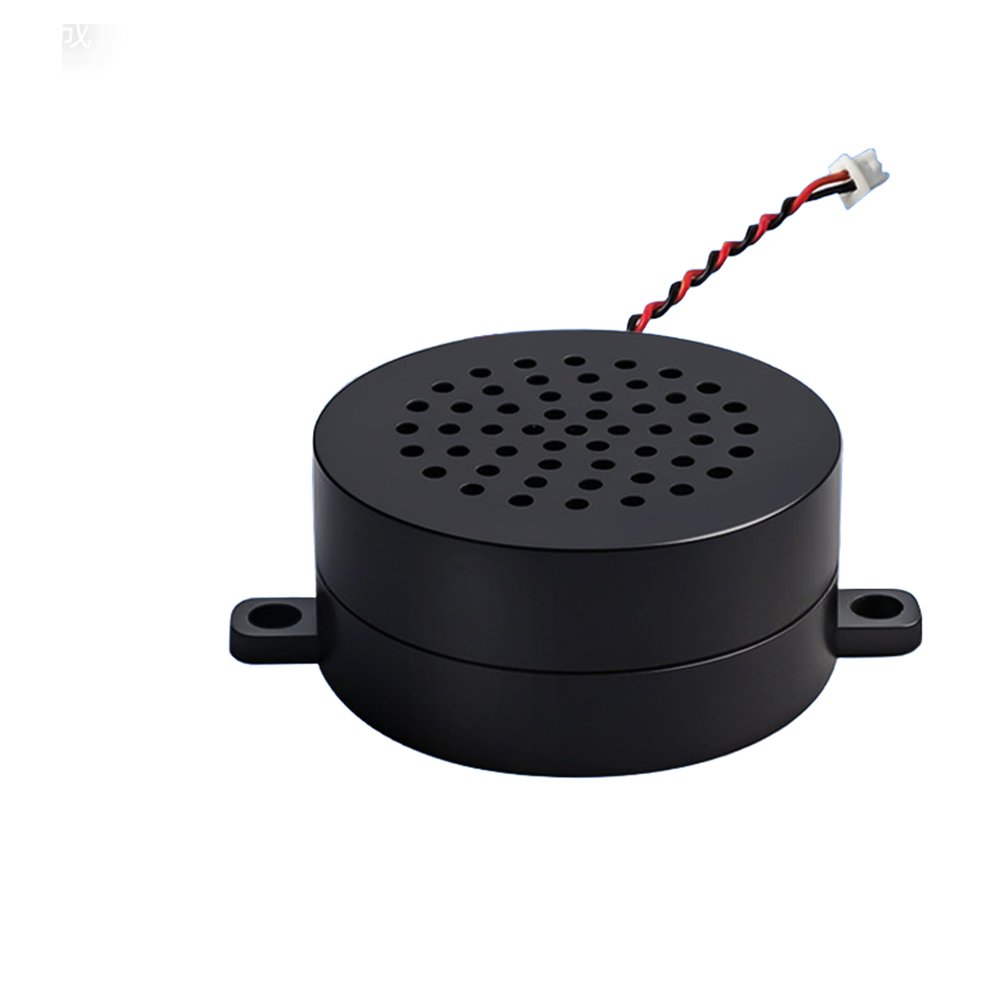
高忠実度オーディオ、自動車、産業用ラウドスピーカー市場において、ネオジムホーンドライバーは性能の頂点に位置します。希土類ネオジム鉄ホウ素(NdFeB)磁石に由来する強力な磁場により、卓越した感度、拡張された周波数応答、およびコンパクトな設計が可能になります。しかしながら、この性能は、コア磁性材料の品質と真正性に完全に依存しています。焼結NdFeB磁石のグローバルサプライチェーンは複雑で不透明であり、偽造材料、誤ったグレード表示の磁気特性、不正な認証、信頼性の低いサプライヤーなど、多くのリスクをはらんでいます。真正なコンポーネントの調達は、単なるコスト問題ではなく、製品の信頼性、ブランドの評判、および法的コンプライアンスを決定づける基本的要素です。本ガイドは、調達専門家、エンジニア、および製品マネージャーが真正なネオジムホーンドライバーのサプライヤーを厳格に特定し評価するための、包括的かつ段階的な枠組みを提供し、お客様の生産ラインと最終製品を保護します。.
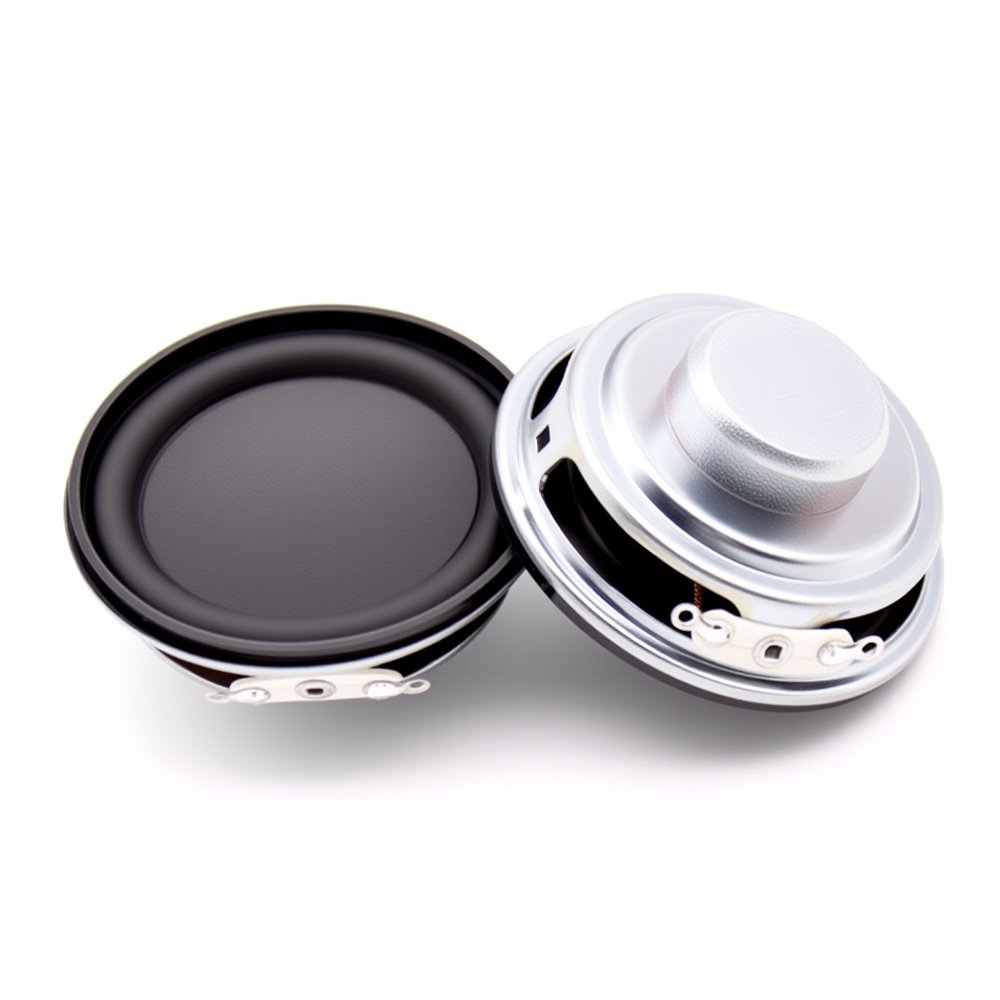
サプライチェーンの分解:鉱山から磁気音響アセンブリまで
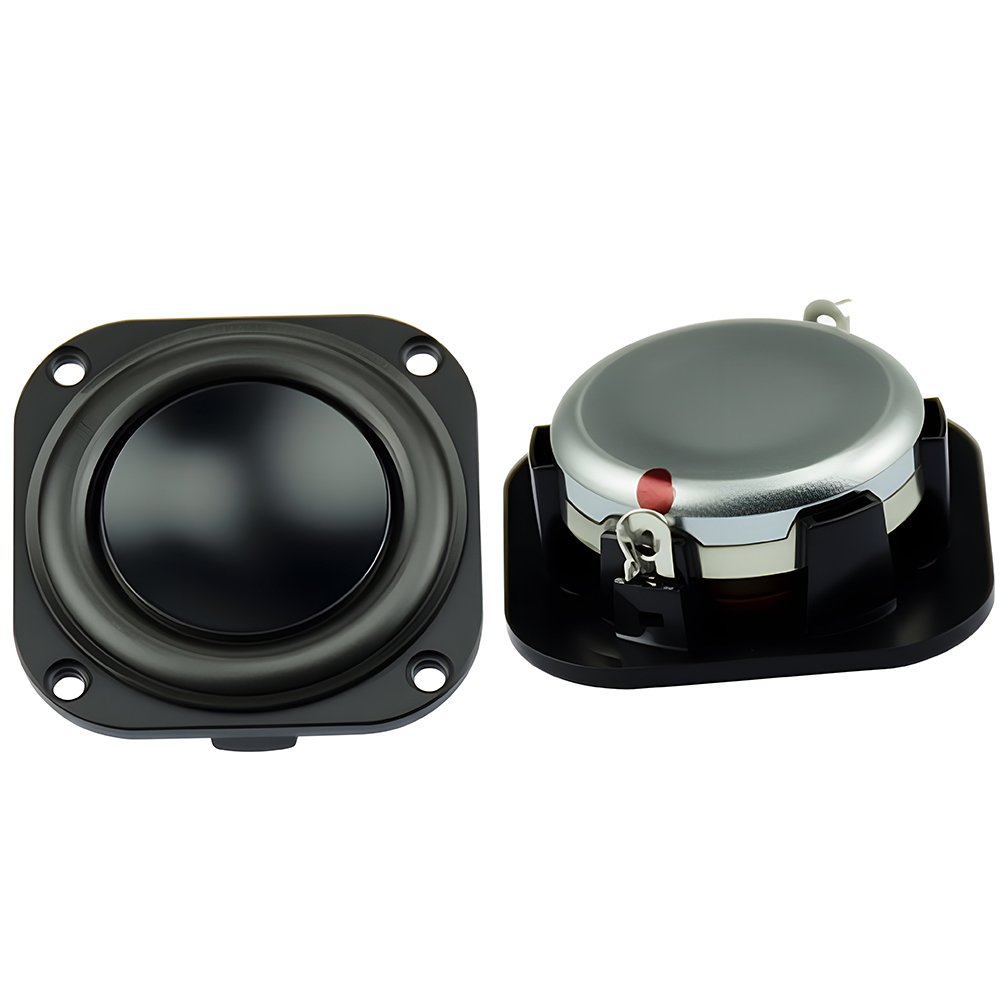
ネオジムの経路を理解することは、サプライヤーの真正性を確認する第一歩です。真に検証可能なサプライヤーは、複数の階層にわたるトレーサビリティを有しています。.
- 上流の原材料: それは希土類鉱石(主にバストネサイトとモナザイト)から始まり、採掘および加工されます。2023年時点で、中国が採掘の60%以上、精製生産量の90%近くを支配しています。正当なサプライヤーは、自社の磁石在庫を主要で監査済みの精製業者まで遡ることができます。.
- 磁石製造: 精製された酸化物は合金に変えられ、粉末に粉砕され、(多くの場合磁場中で)プレスされ、焼結され、機械加工されます。この段階で磁石グレード(例:N45、N52、N42SH)が決定されます。偽造品では、低グレードの磁石を高性能品として誤って表示することがよくあります。.
- コンポーネント製造およびアセンブリ: 生の磁石はコーティング(通常は耐食性のためのNi-Cu-Ni)が施され、次にポールピース、ボイスコイル、および振動板と統合されてホーンドライバーアセンブリを形成します。真正なサプライヤーは、このプロセスを管理または厳格に監査し、劣悪な部品への置換や混入を防ぎます。.
「メーカー」を自称しながら、上流の調達について議論できなかったり、社内の焼結能力の証拠を提供できないサプライヤーは、単なる再販業者である可能性が高く、重大なリスクをもたらします。最も信頼できるサプライヤーは、垂直統合されているか、認定された磁石鋳造所との長期的かつ透明性のあるパートナーシップを有しています。.
技術的および文書による検証:セールストークを超えて
検証には、パンフレットを超えて技術監査に踏み込む必要があります。以下に主要な実践可能な手順を示します。
1. 完全な材料認証を要求する:
各バッチについて、認定された材料試験報告書(MTR)またはミル試験証明書を要求してください。これには以下を明記する必要があります:
- 実際の磁石グレード: 既知の規格(例:IEC 60404-8-1)に照らして検証されていること。.
- 主要特性: 残留磁束密度(Br)、保磁力(HcB、HcJ)、および最大エネルギー積(BHmax)。サンプルの第三者試験所による検証は、慎重な対応として推奨されます。.
- 組成: 高温安定性が必要な場合、ジスプロシウムやテルビウムなどの重要な添加物が存在することを確認すること。.
2. サプライヤーの資格情報と監査を検証する:
- 品質管理: 有効なISO 9001認証(信頼できる登録機関によるもの)は基本要件です。IATF 16949は、自動車用オーディオには必須です。.
- 業界固有の規格: AESまたはEIAからのオーディオ工学規格への準拠は、肯定的な指標です。.
- 紛争鉱物コンプライアンス: OECDデューデリジェンス・ガイダンスおよび関連法(例:米国ドッド・フランク法第1502条)に基づくデューデリジェンスは必須です。記入済みのCMRT(紛争鉱物報告テンプレート)を要求してください。.
3. 厳格なサンプルテストを実施する:
大量注文の前に、サンプルを独立したテストに供します:
- 磁束密度: ガウスメーターを使用して表面磁界強度を測定します。.
- 環境ストレステスト: コーティングされた磁石に対して温度サイクル、湿度暴露、および塩水噴霧試験を実施し、耐食性の主張を検証します。.
- アセンブリ内での性能: サンプルを自社のホーン設計に組み込み、主要なオーディオパラメータ(感度(dB/W/m)、THD、および許容入力)をテストします。仕様からの逸脱は、多くの場合、磁石の問題を示しています。.
サプライヤー評価マトリックス:定性的および定量的要素
採点システムを使用して、潜在的なサプライヤーを客観的に比較します。以下の表は、重要な評価基準の概要を示しています。.
| 評価次元 | 高リスクサプライヤーの指標 | 真正なサプライヤーの指標 |
|---|---|---|
| サプライチェーンの透明性 | 鉱石の供給源や精製について曖昧であり、監査人の詳細を開示することを拒否する。. | サプライチェーンマップを提供し、磁石鋳造所の名称を明らかにし、監査報告書を提出する。. |
| 技術文書 | 商業送り状のみを提供し、MTRは一般的なものか入手不可である。. | バッチ固有のMTR、RoHS/REACH適合証明書、詳細なSDSを提供する。. |
| コミュニケーションと専門知識 | 営業専用の連絡先のみであり、グレーディングやコーティングに関する技術的な質問に回答できない。. | エンジニアリングチームへの直接アクセスを提供し、NdFeB特性に関する深い知識を示す。. |
| 価格設定と最小受注数量(MOQ) | 市場平均を大幅に下回る価格で正当な理由がないこと、および「プレミアム」磁石に対して極端に低いMOQが設定されていること。. | 価格はグレードに応じた市場相場に沿っていること、MOQは実際の製造バッチサイズを反映していること。. |
| リードタイムと一貫性 | カスタムグレードに対して非現実的な短納期を約束すること、サンプル間で製品性能にばらつきがあること。. | リードタイムは焼結と着磁を考慮していること、データに基づく一貫性の保証を提供していること。. |
| 評判と参考情報 | 検証可能な顧客リストがないこと、B2Bプラットフォーム上で否定的なレビューまたはレビューが存在しないこと。. | 確立されたOEMからの参考情報を提供できること、業界内で良好な評判があること、関連業界団体の会員であること。. |
戦略的調達と関係管理
正規のサプライヤーを特定することは始まりに過ぎません。関係を戦略的に管理することで、長期的な安定性が確保されます。.
- デュアルソーシング: 重要部品については、地政学的リスク、物流リスク、品質不良リスクを軽減するために、少なくとも2つの正規サプライヤーを認定すること。.
- 長期契約(LTA): 信頼できるサプライヤーとLTAを締結し、優先的な供給、価格の安定性、将来の設計に向けた協調的な研究開発を確保すること。.
- 定期監査: 定期的なオンサイト監査(またはライブビデオ検査によるリモート監査)を計画し、プロセス、品質管理データ、在庫を確認すること。2024年には、サプライチェーンのトレーサビリティにおけるブロックチェーンの活用が、主要サプライヤー間の具体的な差別化要因となっています。.
- 市場動向の把握: ネオジム市場は、中国の輸出政策、グリーンエネルギー需要(EV、風力タービン)、地政学的緊張の影響を受けます。Adamas Intelligenceなどの企業から市場情報を入手してください。2024年第1四半期時点で、NdPr酸化物の価格は変動が続いていますが、過去の高値からは低下しており、磁石コストに影響を与えています。.
結論:強靭な音響部品サプライチェーンの構築
サプライチェーンの脆弱性が叫ばれる時代において、正規のネオジムホーンメーカーの調達に投資するデューデリジェンスは、指数関数的な利益をもたらします。これは、製品不良、ブランド毀損、生産停止に対する積極的な防御策です。技術的検証、書類審査、戦略的な関係管理を組み合わせることで、バイヤーはこの重要な調達課題を競争優位性に変えることができます。その結果、単なる部品ではなく、保証された性能と安心感を提供する強靭なサプライチェーンが実現します。.
ネオジムホーン調達に関する専門家Q&A
Q1:新規サプライヤーから市場平均より30~40%低い価格の見積もりを頻繁に受け取ります。最も可能性の高い理由と、それらが示すリスクは何ですか?
A: このような大幅な価格乖離は重大な警告サインです。最も一般的な理由は以下の通りです:1) 材料の代替: 低グレード(例:N52の代わりにN38)またはリサイクル品や廃棄された磁石材料の使用。2) 低品質のコーティング: 腐食試験に不合格となる規格外または薄いメッキの使用。3) 認証書の偽造: MTRや品質書類の偽造。4) 不正な商慣行: 前払い後に納品する意思のない「夜逃げ同然」の事業者である可能性。リスクには、現場での致命的な製品不良、保証条件の違反、動作条件下での磁石の減磁や崩壊による潜在的な安全問題が含まれます。.
Q2:アジアの潜在サプライヤーから提供されたISO 9001認証書の信頼性を実務的に検証するにはどうすればよいですか?
A: まず、 認証番号と認証機関の名称(例:UKAS、ANAB、CNAS)を入手してください。PDFのみに依存しないでください。次に、記載された認証機関のウェブサイトに直接アクセスし、オンラインの「認証書検証」または「顧客ディレクトリ」検索ツールを使用してください。サプライヤーまたは認証番号が掲載されていない場合、それはほぼ確実に偽物です。第三に、無名または非認定の登録機関からの認証書には注意してください。重要度の高い調達では、第三者検査会社を雇い、事前監査を実施することを検討してください。 Q3:新製品ラインにおいて、最大の性能を得るために、可能な限り高いネオジムグレード(N52など)を提供するサプライヤーを優先すべきですか?.
必ずしもそうとは限りません。高グレードはより高い磁束密度を提供しますが、選択は
A: アプリケーションに基づくべきです 。N52磁石はより高価であり、高温での腐食や減磁の影響を受けやすくなります。安定した環境で動作する多くのホーンアプリケーションでは、N45やN48が性能、コスト、耐久性の最適なバランスを提供する場合があります。さらに、サプライヤーが主張するグレードが、特定の動作温度に対して検証されていることを確認してください(例:80℃定格のN52は、高温の自動車環境では150℃定格のN42SHよりも性能が低下する可能性があります)。音響技術者やサプライヤーのアプリケーションチームと協議し、適切で費用対効果の高いグレードを特定してください。. Q4:認定プロセス中にネオジムホーンメーカーに依頼すべき最も重要な書類は何ですか?.
磁石メーカーからのバッチ固有の材料試験報告書(MTR)
A: 規格の解読:IPX5とIPX7の実際の意味 が最も重要です。品質証明書や会社監査も重要ですが、MTRは購入する製品の直接的な技術的証明です。これは、特定の製造ロットの磁性材料の特性を定量化します。これを提供することに躊躇したり、一般的な「サンプル」証明書のみを提供するサプライヤーは、重要部品において透明性のある正規のパートナーとは見なせません。 is paramount. While quality certificates and company audits are important, the MTR is the direct, technical proof of what you are buying. It quantifies the magnetic material’s properties for that specific production lot. A supplier that hesitates to provide this, or offers only a generic “example” certificate, cannot be considered a transparent or authentic partner for critical components.