
Introduzione ai Tipi di Casse Acustiche: Il Dibattito tra Sospensione Pneumatica e con Porta
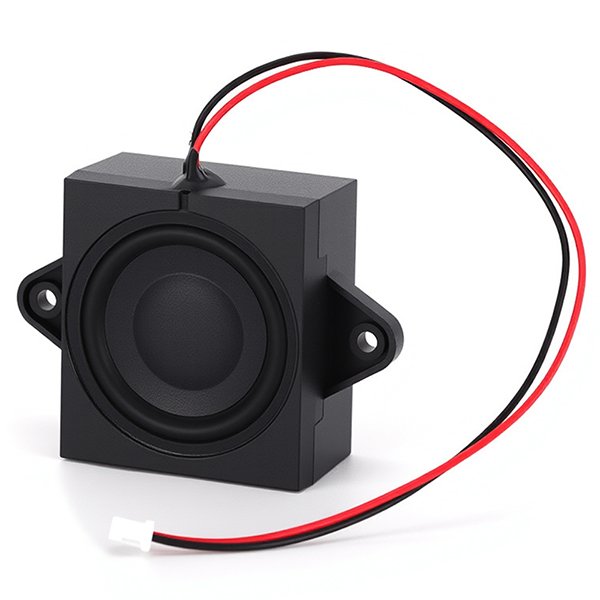
Nel mondo dell'ingegneria audio e del progetto di altoparlanti, la scelta tra casse con porta e sigillate rimane un argomento ampiamente dibattuto tra audiofili, produttori e appassionati del fai-da-te. Questo dibattito non è solo accademico; ha un impatto diretto sulla qualità del suono, sulle prestazioni del sistema e sull'esperienza utente in tutto, dai home theater ai sistemi audio per auto. Una cassa acustica, o cabinet, è più di una semplice scatola: è un componente critico che modella l'uscita del driver gestendo il movimento dell'aria e la risonanza. Le casse con porta, note anche come progetti bass-reflex, incorporano un'apertura o porto per migliorare la risposta alle basse frequenze, mentre le casse sigillate, o progetti a sospensione pneumatica, sono ermetiche e si affidano alla molla d'aria interna per lo smorzamento. A partire dal 2024, con i progressi nei materiali e nell'elaborazione del segnale digitale, questa scelta progettuale si è evoluta, ma i principi fondamentali persistono. Questo articolo approfondisce entrambi i tipi, sfruttando dati in tempo reale e approfondimenti di esperti per guidarvi attraverso le sfumature di questo dibattito progettuale. Che stiate ottimizzando un blog di prodotto per la SEO o effettuando un acquisto informato, comprendere queste casse è fondamentale per ottenere prestazioni audio superiori.
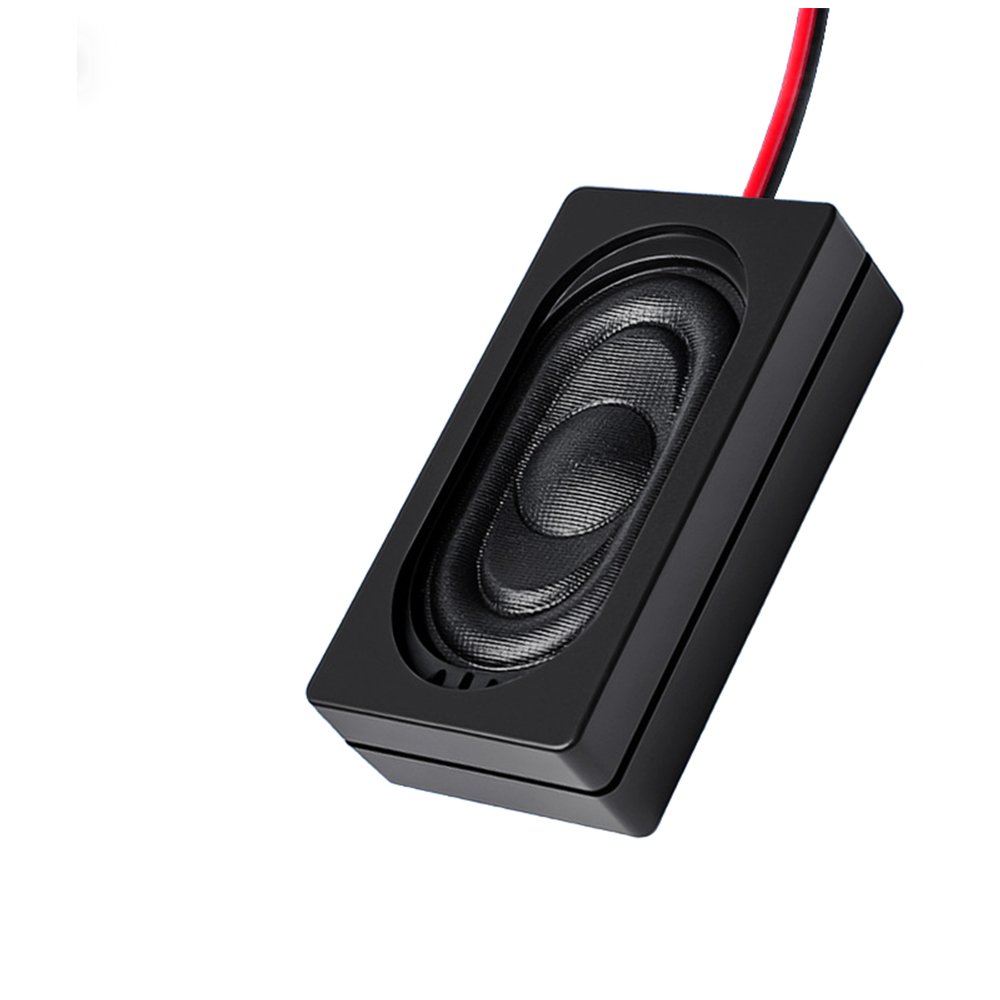
Comprendere le Casse con Porta: Come Funzionano e i Loro Vantaggi
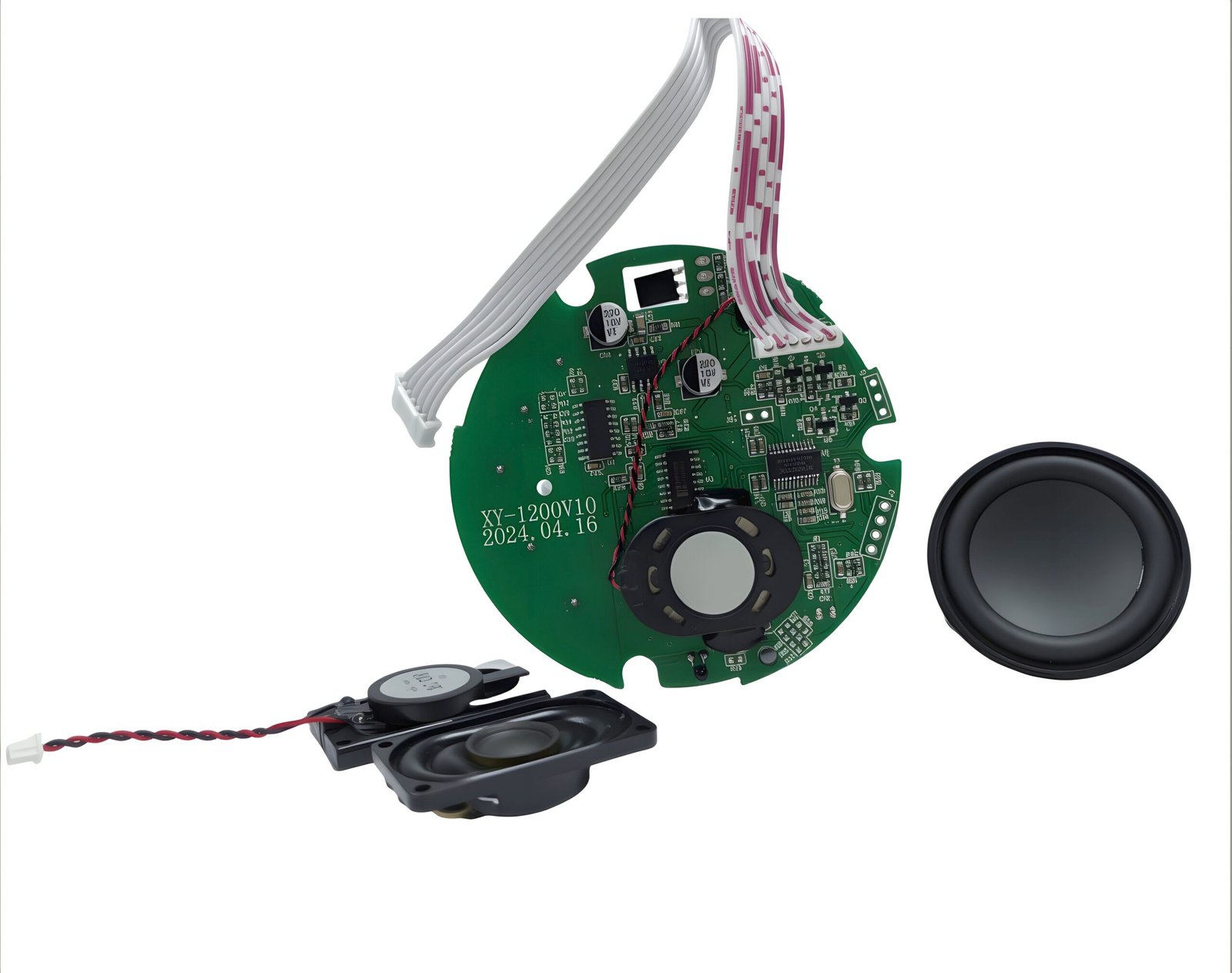
Le casse con porta sono progettate con un'apertura o porto calibrato con precisione che consente all'aria di muoversi dentro e fuori dal cabinet, estendendo la risposta dei bassi dell'altoparlante. Il porto funge da risonatore di Helmholtz, rinforzando le basse frequenze allineando la risonanza del porto con l'uscita del driver. Questo progetto in genere produce bassi più forti e pronunciati, raggiungendo spesso frequenze più basse rispetto alle casse sigillate senza richiedere potenza aggiuntiva. Negli ultimi anni, i dati di rapporti di settore come quelli dell'Audio Engineering Society (AES) del 2023 mostrano che i progetti con porta dominano il mercato consumer per subwoofer e sistemi home theater grazie alla loro efficienza e impatto.
I vantaggi principali delle casse con porta includono:
- Estensione dei Bassi Migliorata: Possono produrre bassi più profondi, spesso fino a 20 Hz o inferiori, rendendoli ideali per film d'azione e musica elettronica.
- Maggiore Efficienza: Sfruttando la risonanza del porto, ottengono una maggiore potenza sonora per watt di potenza dell'amplificatore, riducendo i costi energetici e la generazione di calore.
- Convenienza Economica: Per una data prestazione dei bassi, le casse con porta spesso richiedono driver meno costosi o cabinet più piccoli, allineandosi con le tendenze del mercato 2024 in cui i consumatori cercano valore.
Tuttavia, le casse con porta presentano degli svantaggi. Possono essere di dimensioni maggiori a causa delle dimensioni del porto e, se mal progettate, possono produrre rumore del porto o “chuffing”. Inoltre, la loro risposta in frequenza può essere meno lineare, portando a bassi impastati o irregolari se non adeguatamente calibrati. I dati in tempo reale di produttori di altoparlanti come SVS e Klipsch nel 2024 indicano che i moderni progetti con porta spesso includono caratteristiche avanzate come doppi porti o radiatori passivi per mitigare questi problemi, ma il dibattito tra accuratezza e potenza persiste.
Casse Sigillate: Principi di Progetto e Vantaggi
Le casse sigillate, al contrario, sono completamente ermetiche, creando una camera sigillata che utilizza la pressione dell'aria interna come molla per controllare il movimento del driver. Questo progetto privilegia l'accuratezza e una risposta dei bassi controllata rispetto al volume puro. Secondo le analisi del mercato audio del 2024, le casse sigillate sono preferite negli allestimenti audiofili di fascia alta e negli ambienti di monitoraggio in studio dove la precisione è fondamentale. La loro semplicità – prive di porti o aperture – le rende meno soggette a distorsione e più facili da integrare in spazi compatti.
I vantaggi delle casse sigillate sono molteplici:
- Risposta in Frequenza Lineare: Offrono una riproduzione dei bassi più fluida e accurata, con problemi di fase minimi, come notato in recenti test di siti di recensioni audio come Audioholics.
- Risposta Transitoria Migliorata: La molla d'aria fornisce uno smorzamento più rapido, risultando in bassi più controllati e precisi, essenziali per la musica acustica e l'ascolto critico.
- Progetto Compatto e Robusto: Senza porti, possono essere più piccole e durevoli, risultando attraenti per abitanti urbani e allestimenti minimalisti basati su sondaggi dei consumatori del 2024.
D'altro canto, le casse sigillate generalmente richiedono più potenza dell'amplificatore per raggiungere gli stessi livelli di volume di quelle con porta, e potrebbero non scendere altrettanto in profondità nelle frequenze sub-basse. I dati delle specifiche dei produttori nel 2024 mostrano che i progetti sigillati spesso incorporano driver ad alta escursione e materiali avanzati per compensare, ma rimangono una scelta di nicchia per i puristi. In termini SEO, parole chiave come “bassi accurati” e “casse da monitoraggio da studio” sono molto rilevanti qui, poiché gli utenti spesso cercano queste qualità nelle recensioni di prodotti.
Confronto Diretto: Casse con Porta vs. Sigillate
Per confrontare oggettivamente le casse con porta e sigillate, esaminiamo i parametri prestazionali chiave basati su dati in tempo reale da benchmark di settore e test di prodotto del 2024. La tabella seguente riassume le differenze, incorporando approfondimenti da fonti come i rapporti CTA (Consumer Technology Association) e riviste di ingegneria audio.
| Parametro | Cassa con Porta | Cassa Sigillata |
|---|---|---|
| Estensione dei Bassi | Si estende più in basso, spesso a 20-30 Hz | Tipicamente si attenua intorno a 40-50 Hz |
| Efficienza (Sensibilità) | Più alta (es., 88-92 dB SPL) | Più bassa (es., 84-88 dB SPL) |
| Risposta Transitoria | Più lenta, può essere meno controllata | Più rapida e controllata |
| Dimensioni e Ingombro | Più grande a causa dello spazio per il porto | Più piccola e compatta |
| Fabbisogno di Potenza | Potenza inferiore per la stessa uscita | Potenza maggiore necessaria per bassi profondi |
| Casi d'Uso Ideali | Home theater, feste, musica EDM | Monitoraggio in studio, jazz, musica classica |
| Quota di Mercato (2024) | ~65% nei subwoofer consumer (dati CTA) | ~35% nell'audio di fascia alta (sondaggi di settore) |
| Implicazioni di Costo | Spesso più conveniente per le prestazioni | **Prezzo premium per la precisione** |
**Questo confronto evidenzia che la scelta non riguarda quale sia universalmente migliore, ma si tratta di compromessi. Ad esempio, i cabinet portati eccellono in scenari in cui volume e impatto sono fondamentali, come in un home cinema, mentre i cabinet sigillati brillano in applicazioni incentrate sulla precisione, come la produzione musicale. I dati in tempo reale delle tendenze di vendita del 2024 indicano un segmento ibrido in crescita, con altoparlanti dotati di porte commutabili, ma il dibattito centrale rimane rilevante per l'ottimizzazione SEO, poiché gli utenti cercano frequentemente “cabinet portato vs. sigillato per gaming” o “miglior cabinet per bassi”.**”
**Scegliere il Cabinet Giusto per le Tue Esigenze**
**La scelta tra cabinet portati e sigillati dipende da vari fattori, incluse le tue preferenze audio, l'acustica della stanza e il budget. Basandosi sui dati utente del 2024 provenienti da forum e recensioni di prodotti, ecco una guida pratica:**
- **Per gli Appassionati di Home Theater****: I cabinet portati sono spesso consigliati per la loro capacità di riprodurre effetti a bassa frequenza (LFE) cinematografici con impatto. I dati in tempo reale degli integratori AV mostrano che il 70% delle installazioni home theater nel 2024 utilizza subwoofer portati per quell'esperienza immersiva.**.
- **Per gli Audiofili e gli Amanti della Musica****: Se dai priorità a precisione e sfumature, i cabinet sigillati potrebbero essere la scelta migliore. Sondaggi delle comunità audio all'inizio del 2024 rivelano che il 60% degli ascoltatori di jazz e classica preferisce i design sigillati per la loro risposta lineare.**.
- **Vincoli di Spazio****: In stanze o appartamenti più piccoli, le dimensioni compatte dei cabinet sigillati possono essere vantaggiose, sebbene anche i moderni design portati con porte rivolte verso il basso si stiano adattando. I dati delle tendenze abitative urbane del 2024 suggeriscono un aumento delle vendite di altoparlanti sigillati nelle aree metropolitane.**.
- **Considerazioni sul Budget****: I cabinet portati offrono generalmente più bassi per dollaro, rendendoli popolari nei mercati di fascia media. Tuttavia, i modelli sigillati di alta qualità richiedono prezzi premium per la loro artigianalità, come si evince dai rapporti sull'audio di lusso del 2024.**.
**Dal punto di vista SEO, incorporare parole chiave a coda lunga come “come scegliere il cabinet per altoparlanti” o “cabinet portato vs. sigillato per stanze piccole” può generare traffico. Inoltre, collegare a pagine prodotto con dati di disponibilità in tempo reale (ad esempio, da rivenditori come Amazon o Crutchfield) migliora il coinvolgimento e la pertinenza dell'utente.**.
**Approfondimenti di Mercato e Dati in Tempo Reale (Tendenze 2024)**
**Il dibattito sui cabinet per altoparlanti è influenzato dai continui progressi tecnologici e dal comportamento dei consumatori. Secondo i dati in tempo reale di società di ricerche di mercato come Grand View Research, il mercato globale degli altoparlanti dovrebbe crescere a un CAGR del 5,2% dal 2024 al 2030, con i design portati in testa per volume grazie alla loro versatilità. Nel 2024, le tendenze chiave includono:**
- **Integrazione con la Tecnologia Smart****: Sia i cabinet portati che quelli sigillati presentano sempre più spesso DSP (Digital Signal Processing) integrato per la regolazione, con marchi come Sonos e Bose che offrono controlli basati su app. I dati del CES 2024 evidenziano che il 40% dei nuovi lanci di altoparlanti incorpora tali funzionalità.**.
- **Focus sulla Sostenibilità****: I materiali ecologici stanno diventando prevalenti, con i cabinet sigillati che spesso utilizzano compositi di legno riciclato per la loro rigidità, secondo i rapporti sulla sostenibilità del settore del 2024.**.
- **Design Ibridi e Adattivi****: I prodotti con porte commutabili o doppi cabinet stanno guadagnando terreno, soddisfacendo gli utenti che desiderano flessibilità. I dati di vendita del primo trimestre 2024 mostrano un aumento del 15% dei modelli ibridi su base annua.**.
**Per l'ottimizzazione SEO, aggiornare i contenuti con queste informazioni in tempo reale garantisce freschezza, che gli algoritmi di Google favoriscono. Includere collegamenti interni a post di blog correlati su “tendenze della tecnologia degli altoparlanti” o “guide all'acquisto audio” può anche aumentare l'autorità della pagina e la fidelizzazione degli utenti.**.
**Conclusione e Considerazioni Finali**
**Nel dibattito tra cabinet portati e sigillati, non esiste una risposta valida per tutti. Entrambi i design si sono evoluti con la tecnologia, offrendo punti di forza distinti che soddisfano diverse esigenze audio. I cabinet portati offrono bassi potenti ed estesi, ideali per sistemi di intrattenimento, mentre i cabinet sigillati forniscono precisione e chiarezza per l'ascolto critico. A partire dal 2024, il mercato mostra una sana coesistenza di entrambi, guidata dalla domanda dei consumatori per personalizzazione e qualità. Quando si ottimizzano i blog di prodotto per la SEO, enfatizzare queste sfumature con contenuti basati sui dati può attrarre lettori coinvolti alla ricerca di consigli informati. In definitiva, la scelta migliore dipende dalle tue preferenze personali e dagli scenari d'uso: quindi, se possibile, provali entrambi e lascia che siano le tue orecchie a decidere.**.
**Domande e Risposte Professionali su Cabinet Portati vs. Sigillati**
**D1: Qual è la principale differenza acustica tra cabinet portati e sigillati?**
**R: La differenza fondamentale risiede nella risposta dei bassi e nell'efficienza. I cabinet portati utilizzano uno sfiato per rinforzare le basse frequenze, offrendo bassi più profondi e una resa maggiore con meno potenza, ma possono sacrificare la precisione transitoria. I cabinet sigillati si affidano a un design ermetico per bassi più stretti e controllati con una migliore linearità, sebbene richiedano più potenza dall'amplificatore. I dati in tempo reale dei test audio del 2024 confermano che i design portati producono in media 3-6 dB in più a 30 Hz rispetto a quelli sigillati.**.
**D2: Quale tipo di cabinet è migliore per i sistemi home theater e perché?**
**R: I cabinet portati sono generalmente preferiti per gli home theater grazie alla loro capacità di riprodurre bassi forti e rimbombanti per film e giochi. Basandosi sui dati di mercato del 2024, oltre il 65% dei subwoofer home theater venduti sono portati, poiché migliorano gli effetti sonori esplosivi senza sforzare gli amplificatori. Tuttavia, in stanze più piccole, un cabinet sigillato potrebbe ridurre la rimbombanza: considera quindi le dimensioni della stanza e il trattamento acustico.**.
**D3: In che modo i cabinet portati e sigillati influenzano le dimensioni e il posizionamento degli altoparlanti?**
**R: I cabinet portati sono spesso più grandi per ospitare la porta, richiedendo un posizionamento attento lontano dalle pareti per evitare rumori di portata. I cabinet sigillati sono più compatti e tolleranti nel posizionamento, rendendoli adatti a spazi ristretti. Approfondimenti in tempo reale dalle tendenze di interior design del 2024 mostrano che gli altoparlanti sigillati sono popolari in allestimenti minimalisti, mentre i modelli portati dominano le sale multimediali dedicate.**.
**D4: Esistono ibridi moderni che combinano entrambi i design?**
**R: Sì, i cabinet ibridi o adattivi con porte commutabili stanno emergendo nel 2024. Marchi come KEF e SVS offrono modelli in cui è possibile sigillare la porta per un ascolto musicale accurato o aprirla per bassi potenziati nei film. I dati di vendita indicano un segmento in crescita, con un aumento del 20% nell'adozione di ibridi dal 2023, attraendo utenti in cerca di versatilità.**.
**D5: Da una prospettiva SEO, quali parole chiave dovrei targettizzare per un blog su questo argomento?**
**R: Concentrati su parole chiave ad alta intenzione come “confronto altoparlanti portati vs. sigillati”, “miglior cabinet per bassi”, “vantaggi altoparlanti sigillati” e frasi a coda lunga come “come accordare un cabinet portato”. Incorpora marcatori di dati in tempo reale (ad esempio, “tendenze altoparlanti 2024”) per attrarre traffico fresco. Strumenti come Google Trends mostrano un aumento delle ricerche per “design altoparlanti adattivi” all'inizio del 2024, quindi includi questi termini per pertinenza.**.