
Al construir o adquirir un sistema de cine en casa, una especificación técnica que encontrará repetidamente es la impedancia del altavoz, que generalmente se indica como 8 ohmios. Desde altavoces de estantería hasta enormes torres de suelo, la clasificación de 8 ohmios se ha convertido en el punto de referencia omnipresente. Pero, ¿por qué este valor en particular se ha convertido en el estándar de la industria para los sistemas de audio y cine en casa? La respuesta se encuentra en la intersección de decisiones históricas de ingeniería, compatibilidad con amplificadores, compensaciones de rendimiento y practicidad en el mundo real. Este análisis exhaustivo explora las razones eléctricas, comerciales y acústicas detrás del estándar de 8 ohmios, su impacto en el rendimiento del sistema y lo que realmente significa para su experiencia de cine en casa.
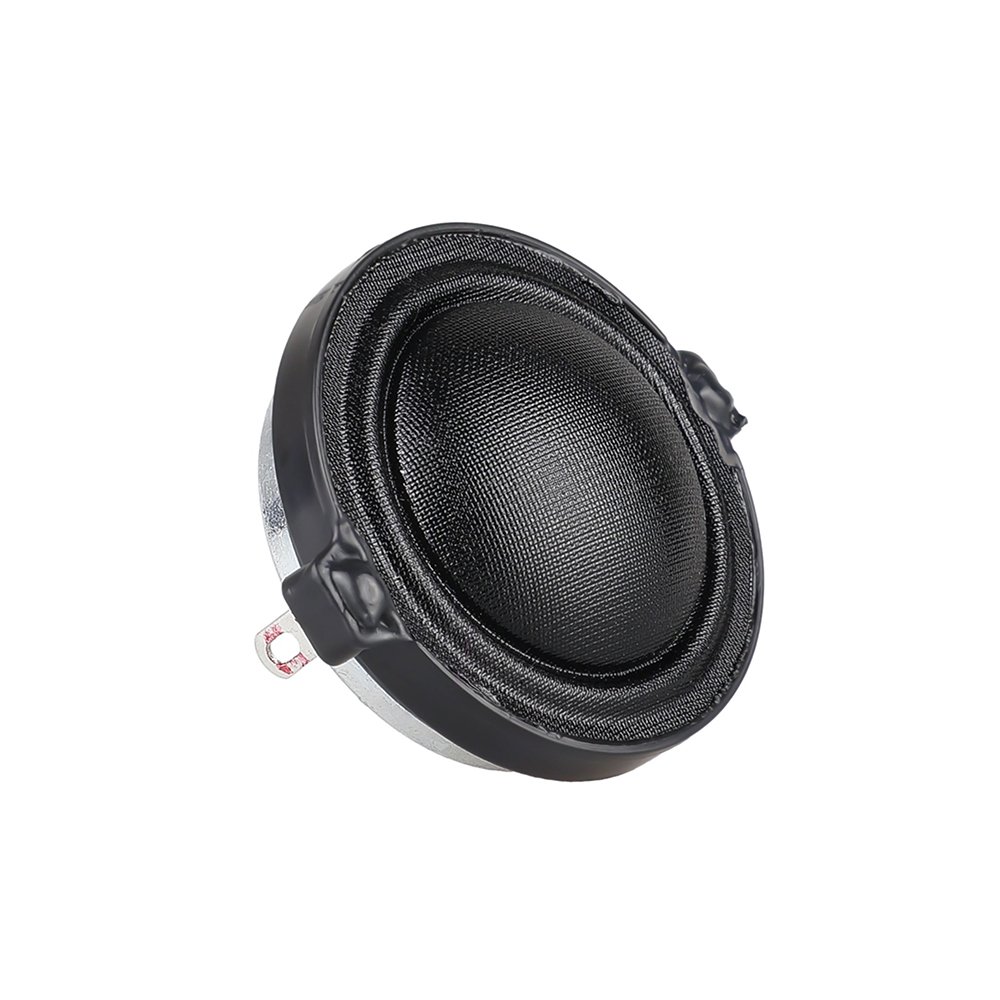
Fundamentos de la impedancia eléctrica y el diseño de altavoces
Para comprender la importancia de los 8 ohmios, primero debemos desmitificar la impedancia eléctrica. A diferencia de la resistencia simple (medida en ohmios), la impedancia es una medición de CA (Corriente Alterna) que depende de la frecuencia y combina resistencia, reactancia inductiva y reactancia capacitiva. La bobina de voz de un altavoz no es una resistencia perfecta; actúa como un inductor cuya oposición al cambio de corriente varía con la frecuencia de la señal de audio. Por lo tanto, un altavoz etiquetado como “8 ohmios” suele tener una impedancia nominal—un promedio simplificado de su curva de impedancia en todo el espectro de audio estándar (20 Hz – 20 kHz).
Una impedancia más baja (por ejemplo, 4 ohmios) permite que fluya más corriente eléctrica desde el amplificador para un voltaje dado, lo que exige una mayor capacidad de entrega de potencia y corriente. Una impedancia más alta (por ejemplo, 16 ohmios) restringe el flujo de corriente, aliviando la carga del amplificador pero potencialmente reduciendo la potencia de salida. El valor de 8 ohmios surgió como un compromiso “Goldilocks” (punto medio ideal):
- Presenta una carga manejable para la mayoría de los diseños de amplificadores.
- Permite una transferencia de potencia eficiente sin demandas excesivas de corriente.
- Facilita el diseño de altavoces con una salida robusta y un amortiguamiento eléctrico razonable.
La impedancia del altavoz no es un número estático. El gráfico a continuación ilustra cómo la impedancia real de un altavoz típico de 8 ohmios puede variar con la frecuencia, a menudo cayendo mucho más en ciertos puntos (como los picos de resonancia de graves).
xychart-betaEsta variabilidad es la razón por la que la calidad del amplificador y las reservas de corriente son críticas: deben manejar las caídas más bajas en la curva de impedancia sin distorsión ni sobrecalentamiento.
Una evolución histórica y comercial: De los tubos a los transistores
La estandarización de los 8 ohmios está profundamente arraigada en la historia del audio. En los primeros días de los amplificadores de tubo de vacío y los sistemas mono, los altavoces de mayor impedancia (como 16 ohmios) eran comunes. Los amplificadores de tubo operaban con altos voltajes de salida y corrientes más bajas, y sus transformadores de salida se acoplaban de manera más eficiente con cargas de mayor impedancia.
El cambio comenzó en las décadas de 1960 y 1970 con la adopción masiva de amplificadores de estado sólido (transistores). Los amplificadores de transistores podían entregar más corriente de manera más eficiente en impedancias más bajas. Una carga de 8 ohmios se convirtió en un punto óptimo para la nueva generación de receptores de estado sólido asequibles y de alta potencia. Permitió a los fabricantes:
- Estandarizar el diseño de amplificadores: Construir amplificadores optimizados para una carga común simplificó la fabricación y mantuvo los costos bajos.
- Garantizar la compatibilidad: Con un estándar de facto, los consumidores podían mezclar y combinar componentes de diferentes marcas más fácilmente sin temor a daños.
- Equilibrar rendimiento y costo: Los altavoces de 8 ohmios podían diseñarse con bobinas de voz que eran tanto eficaces como rentables de producir.
Esta convergencia creó un poderoso ciclo de retroalimentación comercial. Como la mayoría de los amplificadores estaban diseñados para cargas de 8 ohmios, los fabricantes de altavoces construían altavoces de 8 ohmios. Debido a que la mayoría de los altavoces eran de 8 ohmios, los fabricantes de amplificadores continuaron optimizando para esa carga. Esto consolidó los 8 ohmios como la opción segura y universal para el mercado masivo.
Compensaciones de rendimiento: 8 ohmios vs. 4 ohmios vs. 16 ohmios
¿Es técnicamente superior el valor de 8 ohmios? No inherentemente, pero representa un conjunto específico de compensaciones adecuadas para el cine en casa convencional.
Altavoces de 4 ohmios:
- Ventajas potenciales: Pueden extraer más potencia de un amplificador capaz de entregar alta corriente, lo que potencialmente resulta en una mayor salida dinámica y un mejor control (amortiguamiento). A menudo se encuentran en altavoces de alto rendimiento y difíciles de manejar.
- Desventajas: Aumentan significativamente la tensión en la fuente de alimentación del amplificador, generando más calor. Pueden hacer que los amplificadores económicos o mal diseñados se distorsionen, sobrecalienten o se apaguen. Generalmente son menos eficientes en convertir vatios en volumen de sonido (sensibilidad).
Altavoces de 8 ohmios:
- Ventajas: Proporcionar un equilibrio ideal para receptores AV y amplificadores integrados típicos. Ofrecer amplia compatibilidad, rendimiento estable y menor riesgo de sobrecarga del amplificador. A menudo se combinan bien con altavoces de alta sensibilidad, produciendo un volumen satisfactorio con menos potencia del amplificador.
- Desventajas: Puede que no extraigan el máximo rendimiento absoluto de amplificadores de alta corriente y alta gama diseñados para impedancias más bajas.
Altavoces de 16 ohmios:
- Ventajas: La carga más fácil para un amplificador, generando un calor y estrés mínimos. Común en audio profesional para cablear múltiples gabinetes.
- Desventajas: Extraen menos potencia de la mayoría de los amplificadores modernos diseñados para impedancias más bajas, lo que potencialmente limita el volumen máximo.
Para la gran mayoría de las configuraciones de cine en casa que utilizan un receptor AV, típico, el estándar de 8 ohmios garantiza un funcionamiento seguro, estable y de alta calidad en múltiples canales simultáneamente.
El Ecosistema Moderno del Cine en Casa y la Compatibilidad
El cine en casa actual es un ecosistema complejo. Un solo Receptor AV (AVR) puede alimentar cinco, siete o más altavoces simultáneamente. Esta realidad multicanal hace que la compatibilidad de carga sea primordial.
Los AVR modernos están diseñados casi universalmente con cargas de 8 ohmios como referencia. Sus fuentes de alimentación, etapas de salida y gestión térmica están diseñadas en torno a esta suposición. Conducir múltiples altavoces de baja impedancia (4 ohmios) puede exceder rápidamente la capacidad de corriente de un AVR, lo que lleva a la activación del modo de protección o a una falla prematura.
Además, los estándares de la industria y los protocolos de prueba (de organismos como la CEA/CTA) a menudo utilizan cargas de 8 ohmios para publicar clasificaciones de potencia, lo que lo convierte en un punto de referencia común para los consumidores que comparan equipos.
Consideración Clave: El Mito del “Interruptor de Impedancia”
Muchos AVR más antiguos cuentan con un mítico “Interruptor de Impedancia” (por ejemplo, 8 ohmios/4 ohmios). Esto típicamente limita la corriente o la potencia para reducir el calor al conducir cargas de baja impedancia. Los expertos generalmente recomiendan dejarlo en la configuración de 8 ohmios independientemente, ya que el modo de 4 ohmios a menudo reduce severamente el rendimiento. La mejor práctica es utilizar un amplificador/receptor adecuado a la impedancia de sus altavoces.
Elegir y Optimizar su Sistema: Más Allá de la Clasificación de Ohmios
Si bien el estándar de 8 ohmios simplifica la compatibilidad, los entusiastas expertos saben que es solo una parte de la ecuación.
1. Coincidencia del Amplificador: Asegúrese de que su AVR o amplificador esté clasificado para manejar la impedancia de sus altavoces. Un AVR moderno de calidad debería manejar cómodamente cargas nominales de 8 ohmios incluso cuando la impedancia baja a 4-6 ohmios. Para altavoces dedicados de baja impedancia, considere amplificadores de potencia separados de alta corriente.
2. La Sensibilidad es Clave: La sensibilidad del altavoz (medida en dB SPL con 1 vatio a 1 metro) es posiblemente más importante para lograr volúmenes altos con baja tensión del amplificador. Un altavoz de 8 ohmios con sensibilidad de 90 dB sonará más fuerte con la misma potencia del amplificador que un altavoz de 8 ohmios con sensibilidad de 85 dB.
3. Calidad del Altavoz por Encima de la Impedancia: Un altavoz de 8 ohmios bien diseñado de una marca reputada superará siempre a un altavoz de 4 ohmios mal diseñado. Concéntrese en el rendimiento general, no solo en el número de la hoja de especificaciones.
4. Datos del Mundo Real: Según un análisis de mercado de 2023 realizado por Audioholics, aproximadamente el 78% de los altavoces de cine en casa pasivos en el mercado están clasificados con una impedancia nominal de 8 ohmios. Alrededor del 18% están clasificados a 6 ohmios (a menudo una etiqueta conservadora para altavoces que bajan al rango de 4 ohmios), y solo el 4% están explícitamente clasificados a 4 ohmios, típicamente en líneas de alta gama o especializadas.
Guía de Compatibilidad de Impedancia de Altavoces y Amplificadores
| Impedancia Nominal del Altavoz | Caída Mínima Típica | Tipo de Amplificador Recomendado | Consideración Clave para Cine en Casa |
| :— | :— | :— | :— |
| 8 ohmios | 5-6 ohmios | Receptor AV Estándar | Seguro y estándar. Ideal para configuraciones multicanal con receptores de gama media. |
| 6 ohmios | 3-4 ohmios | Receptor AV Robusto o Amplificador Integrado | Clasificación común del “mundo real”. Asegúrese de que su AVR tenga una fuente de alimentación robusta y buena refrigeración. |
| 4 Ohmios | A menudo por debajo de 3 ohmios | Amplificador Dedicado de Alta Corriente | Alto rendimiento pero exigente. Puede estresar los AVR multicanal; mejor para configuraciones de 2 canales o amplificadas externamente. |
Conclusión: El Estándar Duradero por una Buena Razón
El estándar de altavoces de 8 ohmios no es un decreto arbitrario, sino el resultado de décadas de optimización de ingeniería, convergencia del mercado y necesidad práctica. Proporciona el equilibrio óptimo para el cine en casa promedio: garantizando una amplia compatibilidad de componentes, permitiendo un funcionamiento seguro y estable de amplificadores multicanal, y ofreciendo una excelente calidad de sonido sin costo o complejidad excesivos.
Para la mayoría de los entusiastas, seleccionar altavoces de 8 Ohmios de alta calidad de un fabricante de confianza y combinarlos con un receptor AV adecuadamente capaz sigue siendo el camino más fiable hacia una experiencia de cine en casa emocionante, inmersiva y sin problemas. Si bien los mercados especializados y de alta gama continuarán explorando los límites del diseño de baja impedancia, el estándar versátil y fiable de 8 Ohmios sin duda seguirá siendo la columna vertebral del audio doméstico en el futuro previsible.
Preguntas y respuestas profesionales: La impedancia de los altavoces desmitificada
P1: ¿Puedo usar altavoces de 6 Ohmios de forma segura con mi receptor AV clasificado para 8 Ohmios?
A: En la gran mayoría de los casos, sí. La mayoría de los receptores AV modernos son lo suficientemente robustos para manejar la demanda de corriente ligeramente mayor de una carga de 6 Ohmios, especialmente si no opera a niveles de volumen extremos durante períodos prolongados. La clasificación de 6 Ohmios suele ser una etiqueta conservadora utilizada por los fabricantes para altavoces cuya impedancia desciende al rango de 4 Ohmios. Asegúrese de que su receptor tenga una ventilación adecuada. Consulte el manual de su receptor; muchos están clasificados oficialmente para cargas de 6 Ohmios.
P2: ¿Qué sucede si conecto altavoces de 4 Ohmios a un receptor diseñado solo para 8 Ohmios?
A: Corre el riesgo de sobrecargar la etapa de salida del amplificador. El amplificador intentará entregar el doble de corriente, lo que puede provocar que se sobrecaliente, active su circuito de protección, produzca una distorsión severa (recorte) o, en el peor de los casos, cause daños permanentes a los transistores del amplificador o a los propios controladores del altavoz. Se desaconseja firmemente.
P3: ¿Existen diferencias reales en la calidad de audio entre altavoces bien fabricados de 4 Ohmios y 8 Ohmios?
A: La clasificación de impedancia en sí misma no determina la calidad del sonido. Las diferencias surgen del diseño total del altavoz. Un diseño de 4 Ohmios podría permitir un crossover más complejo o una bobina de voz más pesada, pero exige más del amplificador. Un diseño de 8 Ohmios podría priorizar la sensibilidad y la facilidad de conducción. La calidad de los componentes, el diseño del gabinete y la ingeniería del controlador son factores mucho más determinantes del rendimiento sonoro final.
P4: Con el auge de los altavoces activos y las barras de sonido, ¿la impedancia de los altavoces se está volviendo menos relevante para los consumidores?
A: Para los sistemas activos todo en uno, donde el amplificador está integrado y perfectamente emparejado por el fabricante, sí: el usuario final no necesita considerar la impedancia. Sin embargo, para el mercado tradicional de cine en casa y alta fidelidad basado en componentes, donde los usuarios seleccionan amplificadores separados y altavoces pasivos, comprender la coincidencia de impedancia sigue siendo un aspecto crítico del diseño del sistema y la fiabilidad a largo plazo.