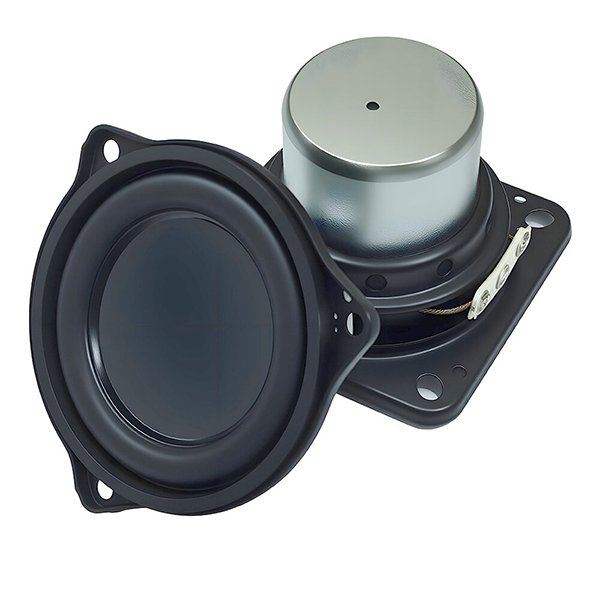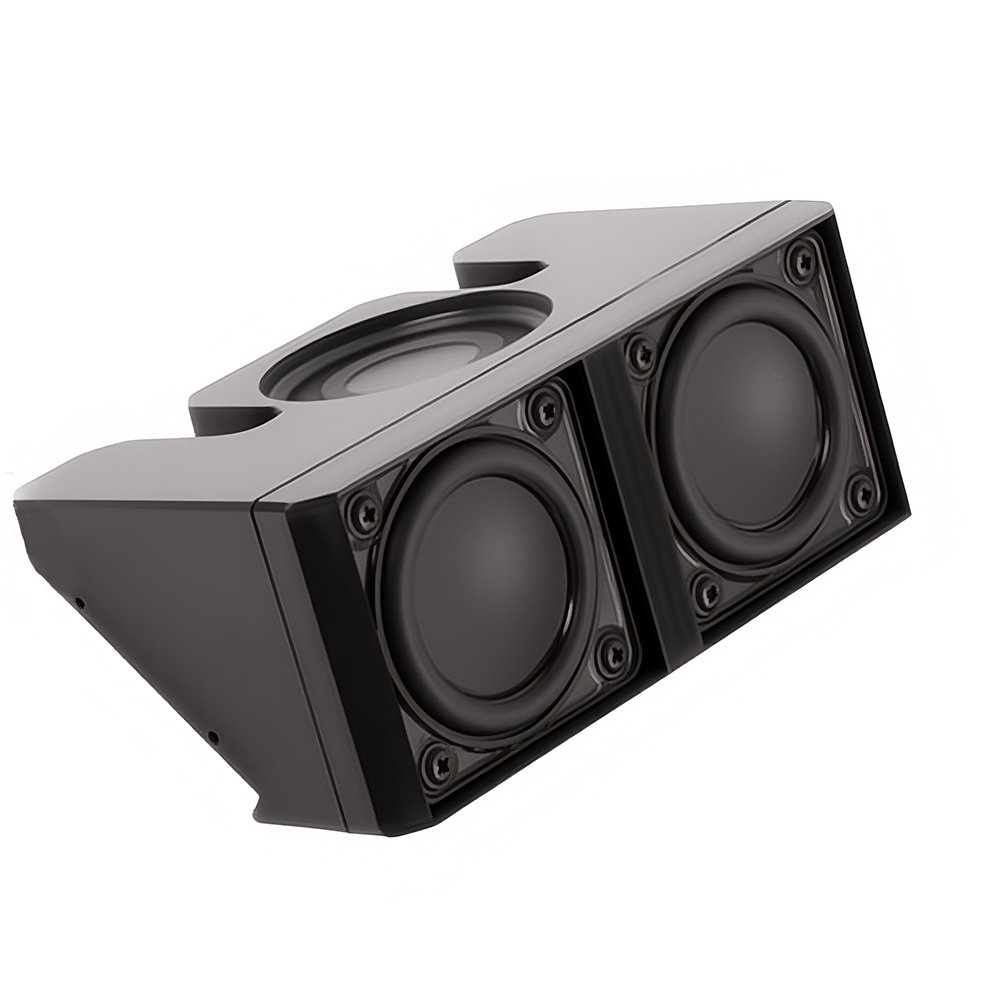
Smart home speakers have become the quiet center of modern households. They sit on kitchen counters, bedroom nightstands, and living room shelves, listening for wake words and filling rooms with sound. But from the outside, most of these devices look similar. The real difference is hidden: the acoustic design, the driver selection, the enclosure material, and the depth of R&D inside the product.
If you are launching a smart home device, partnering with a custom smart home speaker manufacturer that understands acoustic engineering is not optional. It is the difference between a product that plays sounds and one that delivers a genuinely premium audio experience.
At Zehsm, we work with brands that want more than a generic audio module. We build custom speakers for smart home products with a clear focus on acoustics, voice assistant integration, and manufacturability. This starts with an honest conversation: what should the speaker sound like, where will it live, and how much space and budget do we have to work with?
Why Acoustic Design Matters More Than You Think
A smart home speaker is not a traditional hi-fi speaker. It cannot be placed in a listening room with perfect speaker placement. It sits near walls, inside cabinets, or on glass shelves. It has to deliver clear voice playback while the onboard microphone listens for commands. And it has to do all of this in a compact, aesthetically pleasing enclosure.
That is why acoustic design needs to happen early. Too many companies start with an enclosure design, then try to fit a speaker inside. That usually ends with poor bass, harsh treble, or a speaker that sounds “boxy” no matter how good the components are.
A professional custom speaker manufacturer will set measurable targets before the first prototype is built. These targets guide driver selection, port tuning, DSP correction, and enclosure damping.
Table 1: Common Acoustic Targets for Smart Home Speaker Design
| Performance Parameter | Recommended Target | Why It Matters |
|---|---|---|
| Frequency response | 60 Hz – 20 kHz | Gives music depth and makes voice assistants sound natural |
| Total harmonic distortion (THD) | <1% at average listening level | Keeps speech clear and reduces listener fatigue |
| Maximum continuous SPL | ≥85 dB at 1 meter | Ensures the speaker can fill a living room without strain |
| Voice recognition SNR | >10 dB | Allows the microphone to separate wake words from music playback |
These targets are not universal specifications. But they are strong starting points for any smart home device that wants to compete on audio quality.
The R&D Process: Turning Sound into a Product
The true value of a manufacturing partner is not in the assembly line. It is in the research and development process that happens long before mass production. A serious R&D team will simulate the speaker’s acoustic behavior before cutting any physical parts. Modern acoustic simulation tools help engineers see pressure distribution inside the enclosure, detect port noise, and locate unwanted resonances early.
At this stage, the goal is to reduce the number of physical prototypes while still gathering real-world data. After simulation, the team builds sample units and measures them in an anechoic chamber. The measured frequency response, distortion, impedance, and off-axis performance are then compared against the intended target curve.
Then comes DSP tuning. For smart speakers, this is where the product either performs or fails in everyday use. Tuning is not about making the speaker sound “good” on one song. It is about managing the way sound reflects off walls, avoiding frequency masking near the microphone, and maintaining a natural voice reproduction for virtual assistants.
The R&D effort is also important because the market is getting more competitive. According to current smart speaker market research, the global smart speaker market was valued at around USD 7.79 billion in 2023 and is projected to grow at a compound annual growth rate of approximately 19.8% through 2030. New brands are entering the space, and buyers are increasingly choosing speakers based on sound quality—not just smart features.
Table 2: Smart Speaker Market Snapshot
| Year | Global Market Value | Growth Outlook |
|---|---|---|
| 2023 | USD 7.79 billion | Strong household penetration across North America and Europe |
| 2024 | USD 9.33 billion (estimated) | Expansion of smart home ecosystems drives demand |
| 2030 | USD 30.9 billion (projected) | CAGR of 19.8% from 2024 to 2030 |
Source: Grand View Research, current market estimates.
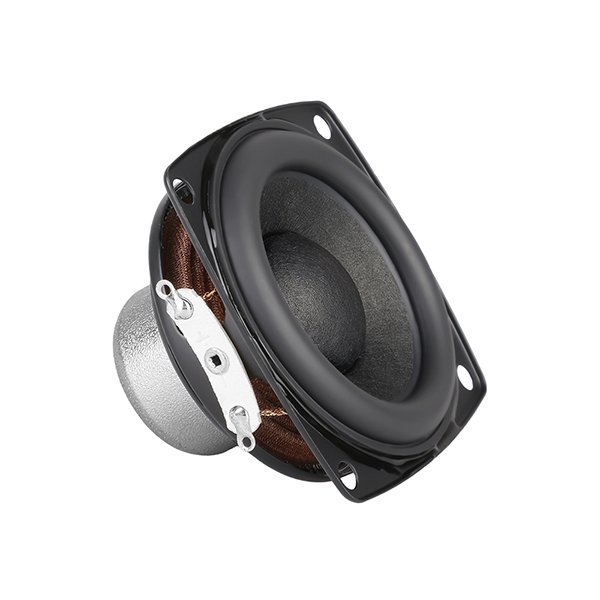
Enclosure Materials and Acoustic Trade-offs
One of the most underrated areas in custom speaker design is enclosure material. For a small smart home device, the enclosure is not just a cover. It is part of the acoustic system. A thin plastic shell can vibrate and add midrange coloration. A stiff metal housing can reduce cabinet resonance but may create harsh high-frequency reflections if it is not damped internally.
Choosing the right material depends on your target price, weight, and visual design. A good manufacturer will test multiple materials and recommend the best compromise.
Table 3: Enclosure Materials for Smart Home Speakers
| Material | Acoustic Strengths | Common Trade-offs |
|---|---|---|
| ABS/PC plastic | Low cost, easy to mold, durable | Can resonate if not reinforced internally |
| Aluminum | High rigidity, premium finish, good heat dissipation | More expensive, needs internal damping |
| Wood composite | Low resonance, warm tonal character | Heavier and difficult to form into compact shapes |
| Glass or acrylic | Transparent aesthetic, clean modern look | Hard surface, problematic internal reflections |
The enclosure material often matters as much as the driver itself. A custom speaker manufacturer with access to different materials can help you decide where to invest your budget—and where to save.
What to Look for in a Custom Speaker Manufacturer
If you are searching for a custom speaker manufacturer for your smart home product, look beyond the production capacity. Ask about in-house acoustic testing, anechoic chamber capabilities, DSP tuning experience, and whether the team has previously worked on smart speakers with voice assistant integration.
A mature R&D partner will also ask questions about your target market, product size, price point, and certification requirements. That is a good sign. It means they are thinking about your product as a system, not just a speaker assembly.
At Zehsm, we offer acoustic design services that cover simulation, prototyping, tuning, and manufacturing. Our R&D team can help you define realistic acoustic targets from the beginning and work through every iteration until the product sounds exactly the way it should. If you are ready to move forward, feel free to contact our engineers with your project idea.
Frequently Asked Questions
What is the typical development cycle for a custom smart home speaker?
Most custom smart home speaker projects take about 8 to 14 weeks from concept to engineering samples. This includes acoustic simulation, prototyping, DSP tuning, and initial compliance testing. The timeline can be shorter if you use an existing acoustic platform or longer if a new driver and enclosure must be created from scratch.
Can you tune a speaker for a specific voice assistant?
Yes. We optimize the frequency response to reduce masking of the wake word, adjust the DSP for clear voice playback, and work on microphone placement inside the enclosure to minimize mechanical noise and echo. This is essential for products that use Alexa, Google Assistant, or custom voice control systems.
How do you maintain consistent sound quality during mass production?
We use automated acoustic testing for frequency response, distortion, and resonance on every unit. If the speaker supports DSP, each unit is calibrated to the same target curve. This means a unit produced six months after product launch will perform nearly identically to the first one you received.
What information should I prepare before starting a custom speaker project?
Think about your target price, minimum order quantity, speaker dimensions, wattage expectations, and whether you need voice assistant integration. You should also have a rough idea of your brand’s sound signature. Even a simple reference like “warm and smooth” or “detailed and punchy” helps the engineering team choose the right components.