مقارنة بين مكبرات الصوت المصنوعة من النيوديميوم والحديد والبورون ومكبرات الصوت المصنوعة من الفريت: مقارنة الأداء والتكلفة

جدول المحتويات

引言:声音的核心——磁体技术

مكبر صوت مخصص

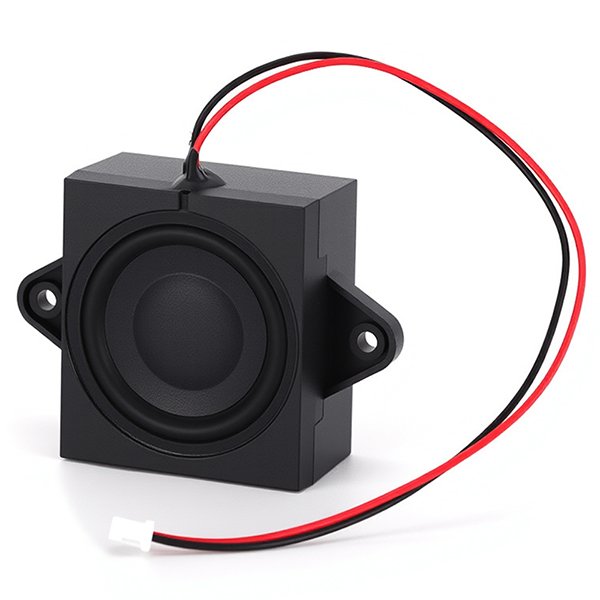
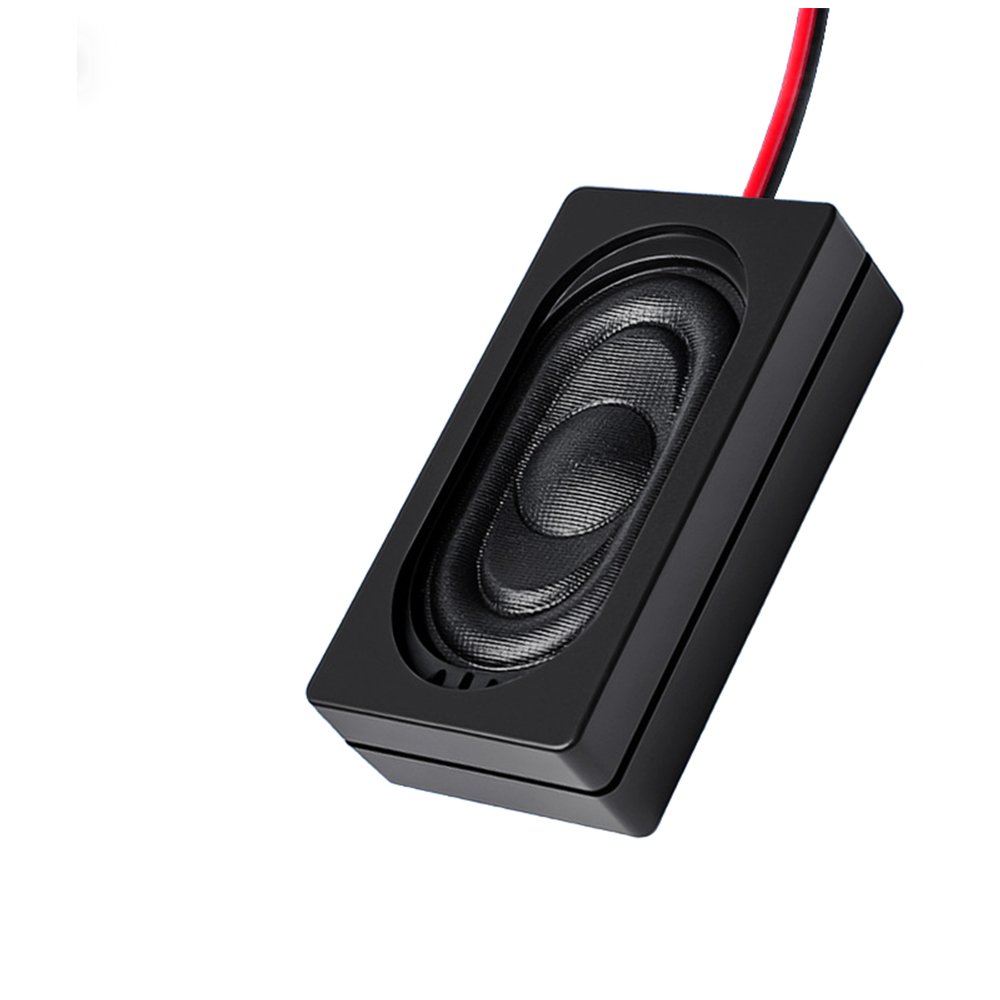
每个动圈扬声器驱动单元的核心在于其磁路引擎。这一关键组件在很大程度上决定了扬声器的潜力:效率、功率处理能力、清晰度,并最终影响其成本和应用。几十年来,铁氧体(陶瓷)磁体一直是行业标准。然而,钕铁硼(NdFeB)稀土磁体的出现彻底革新了紧凑型和高性能音频设计。本全面对比分析深入探讨了这两种主导磁体技术的技术性能、经济考量及理想应用,助力工程师、产品设计师和音响发烧友做出明智决策。.
صندوق مكبر صوت مخصص

理解根本区别至关重要。铁氧体磁体由氧化铁与碳酸锶或碳酸钡制成,属于陶瓷材料。钕铁硼磁体则是钕、铁和硼的烧结合金——是市面上可用的最强永磁体。这一基本差异延伸至扬声器性能和制造的各个方面。.
نظام صوتي ومكبر صوت يعملان بالذكاء الاصطناعي ومخصصان


技术性能对决:钕铁硼与铁氧体的分歧点

在钕铁硼和铁氧体之间的选择直接影响多个关键扬声器参数。让我们分解性能特征。.

磁强度(高斯/Br):
钕铁硼最显著的优点是其卓越的磁能积。通常,它能产生比同等尺寸铁氧体磁体强5到10倍的磁通密度。这使得实现音圈间隙中相同磁场强度所需的磁体显著更小、更轻。例如,一个20克的小型钕铁硼磁体通常可以匹配100克铁氧体单元的输出来。.

灵敏度与效率:
间隙中更强的磁场增加了电机力(Bl因子)。这意味着扬声器将更多电功率转换为声功率,从而获得更高的灵敏度(以dB/W/m衡量)。基于钕铁硼的驱动单元可比其铁氧体对应物灵敏2-4 dB。实际应用中,这转化为在相同放大器功率下产生更响亮的声音,或为目标音量降低功率需求,这对电池供电的便携设备至关重要。.

瞬态响应与控制:
高电机强度提供了对音圈和振膜运动的卓越控制。这改善了阻尼,导致更快的启动和停止时间(更好的瞬态响应)。结果是更紧凑、更清晰的低音,以及复杂音乐段落的更清晰再现。.

重量与尺寸:
这是钕铁硼的革命性优势。在等效磁力下,钕铁硼磁体系统可轻达90%,体积缩小75%。这使得开发超薄电视、强大但紧凑的蓝牙扬声器、用于巡演的轻量专业音频设备以及精密入耳式监听器成为可能。.

热稳定性与功率处理能力:
在此方面,传统铁氧体拥有关键优势。铁氧体磁体具有优异的热稳定性,可逆温度系数非常低(约-0.21%/°C)。在高功率运行期间,音圈升温时,其磁强度仅略微下降。钕铁硼的负系数则高得多(标准等级约-0.12%/°C)。虽然添加镝的等级(H级和SH级)有所改善,但如果驱动单元的热设计不佳,过热可能导致不可逆退磁。因此,对于超高功率、连续工作应用(如扩声系统中的低音炮),优质铁氧体磁体通常仍是更安全的选择。.

性能对比表

المعلمة钕铁硼(钕)磁体铁氧体(陶瓷)磁体
磁强度极高(常见剩磁1.0 – 1.4 T)中等(常见剩磁0.2 – 0.4 T)
灵敏度增益高(典型+2至+4 dB)基准线
重量与尺寸非常小且轻等效磁通下大且重
热稳定性中等至良好(取决于等级);约80-150°C以上有退磁风险优异;稳定至约250°C以上
耐腐蚀性差(需要镀层:镍、锌、环氧树脂)优异(固有耐腐蚀性)
脆性非常脆脆,但不如钕铁硼严重

成本分析与供应链考量

性能并非孤立存在;成本决定了可行性。这里的叙述比“钕铁硼贵,铁氧体便宜”更为细致。”

原材料与制造成本:
铁氧体磁体由丰富且廉价的材料(氧化铁)制成。其制造虽然能耗高,但工艺成熟且成本效益高。截至2024年,铁氧体磁体成本约为每公斤$2至$5。 钕铁硼磁体依赖稀土元素,主要是钕和镨。其价格波动较大,受地缘政治因素和采矿配额(尤其是来自主导供应的中国)影响。虽然价格已从早期峰值稳定下来,但仍显著较高。标准等级钕铁硼成本约为每公斤$50至$100。高温、耐腐蚀等级则更昂贵。.

总系统成本与价值工程: 在考虑整个扬声器系统时,单位成本的故事发生了变化。钕铁硼带来的小型化降低了其他方面的成本:. 更小的外壳:.

更少的塑料、金属或木材。
降低的运输重量:

  • Smaller Enclosures: Less plastic, metal, or wood.
  • Reduced Shipping Weight: Critical for consumer electronics and global logistics.
  • Smaller Amplifiers: Due to higher efficiency, lower-power (cheaper) amps can achieve the same volume.
  • Design Flexibility: Enables sleek, marketable form factors.

For a high-end headphone or compact wireless speaker, the magnet cost is a small percentage of the total Bill of Materials (BOM). The value added by miniaturization and performance justifies NdFeB. For a large, stationary home theater subwoofer where size/weight matter less, the raw cost advantage of ferrite is decisive.

Supply Chain and Sustainability:
Ferrite supply chains are robust and decentralized. NdFeB supply is concentrated, creating potential strategic vulnerabilities. Environmental, Social, and Governance (ESG) concerns are also growing. Ferrite production is energy-intensive, while rare-earth mining has a significant environmental footprint if not managed responsibly. This is increasingly influencing procurement decisions in major corporations.


Application-Based Recommendations: Choosing the Right Tool for the Job

The “best” magnet is the one optimally suited for the application.

Choose NdFeB When:

  • Size and Weight are Paramount: In-ear monitors (IEMs), headphones, modern flat-panel TVs, drones with speakers, premium portable Bluetooth speakers, lightweight touring loudspeakers.
  • High Efficiency is Critical: Battery-operated devices, micro-sounders in wearables.
  • Maximum Performance in a Minimal Volume: High-end automotive audio midranges and tweeters, studio monitor tweeters.

Choose Ferrite When:

  • Ultimate Power Handling and Thermal Reliability are Needed: High-power subwoofers for cinemas, live sound, and home theater (especially in vented enclosures with high air flow).
  • Budget is the Primary Constraint: Mass-market home audio, entry-level PA speakers, cost-sensitive OEM applications.
  • The Application is Stationary and Size is Not an Issue: Many traditional bookshelf and floor-standing hi-fi speakers.
  • Harsh Environments are a Factor: Outdoor speakers where corrosion resistance (without additional plating) is beneficial.

The Hybrid Approach: A sophisticated solution used in some high-performance designs is a ferrite magnet with neodymium “front” or “back” plates. This boosts magnetic flux (and thus sensitivity) while maintaining the thermal stability and lower cost profile of ferrite.


The Future of Magnet Technology in Audio

Innovation continues. Research is focused on reducing the heavy rare-earth content (Dysprosium, Terbium) in NdFeB magnets to lower cost and geopolitical risk, while maintaining high-temperature performance. Alternatives like Samarium-Cobalt (SmCo) offer high strength and better temperature stability but at even higher cost, limiting them to aerospace and extreme military applications.

Simultaneously, ferrite magnet technology is advancing, with grades offering slightly improved energy product. Furthermore, the rise of Class D amplification (incredibly efficient and cheap) can offset the lower efficiency of ferrite drivers in some applications, reinforcing their value proposition.

According to a 2023 report from Adroit Market Research, the global permanent magnet market, driven by EVs and renewables, continues to grow. This demand will keep pressure on NdFeB prices but also spur innovation and potential supply diversification from regions outside China.


أسئلة وأجوبة احترافية

Q1: I’ve heard NdFeB speakers can demagnetize. Is this a real risk in normal use?
A: For standard consumer use, the risk is very low. Demagnetization occurs if the magnet’s “maximum operating temperature” is exceeded, often due to prolonged extreme power that overheats the voice coil. Reputable manufacturers design their drivers with a significant safety margin, using appropriate NdFeB grades (e.g., 38SH, 40UH) for the expected thermal load. The risk is higher in poorly designed, overdriven pro-audio subwoofers. For such applications, premium ferrite or high-grade NdFeB with robust thermal management is essential.

Q2: From a pure sound quality perspective, is NdFeB inherently “better” than Ferrite?
A: Not inherently. The magnet type influences parameters like efficiency and damping, but the overall sound quality is a holistic design achievement—the cone material, surround, suspension, motor linearity, and enclosure play equal or greater roles. A superbly engineered ferrite driver will sound vastly superior to a poorly engineered NdFeB driver. However, NdFeB’s advantages allow designers to push performance boundaries in compact formats that would be impossible with ferrite.

Q3: Are there any new magnet technologies on the horizon that could replace both?
A: While no commercial-ready technology currently threatens to displace NdFeB and Ferrite in mainstream audio, there is active research. “Green magnets” aiming to use fewer or no rare-earth elements are a major focus. Nanostructured composite magnets and iron nitride (Fe16N2) research show theoretical promise with very high magnetization, but manufacturability and cost remain significant hurdles. For the foreseeable next decade, evolution within the NdFeB and ferrite families, along with hybrid systems, will dominate.

Q4: How significant are the weight savings in a real-world product?
A: Extremely significant. For example, a high-end 12-inch pro-audio woofer might use a 5-6 lb ferrite magnet assembly. An NdFeB version achieving similar output could use a magnet weighing less than 1 lb. For a line array with 12 such drivers, that’s a weight reduction of over 50 lbs just in magnets, dramatically reducing rigging demands and shipping costs. In a Bluetooth speaker, it’s the difference between a portable device and a desk-bound one.

رائع! شارك على: