
إن السعي لتحقيق صوت عالي الدقة من أجهزة مضغوطة بشكل متزايد يُعد أحد أكثر التحديات إثارة في الهندسة الصوتية. من مكبرات الصوت الأنيقة ومكبرات الصوت المحمولة بتقنية البلوتوث إلى السماعات اللاسلكية الحقيقية الغامرة وأجهزة المنزل الذكي، يطلب المستهلكون صوتًا غنيًا كامل النطاق من أغلفة غالبًا ما تكون أصغر من فنجان القهوة. تتناول هذه المقالة مبادئ التصميم الصوتي الأساسية التي تتيح للمهندسين استخلاص أداء استثنائي من مكبرات الصوت الصغيرة، مع الموازنة بين قوانين الفيزياء الثابتة والابتكار المتطور.
1. التحدي الأساسي: فيزياء التصغير
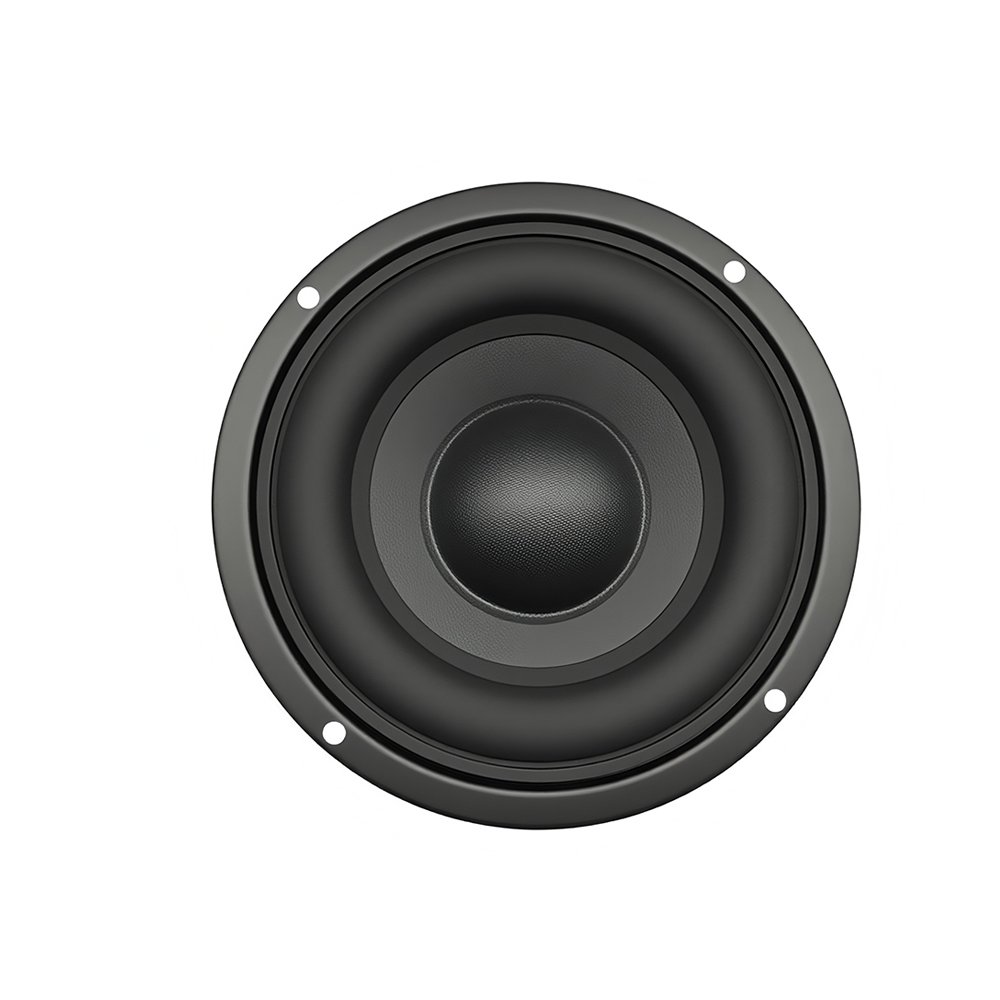
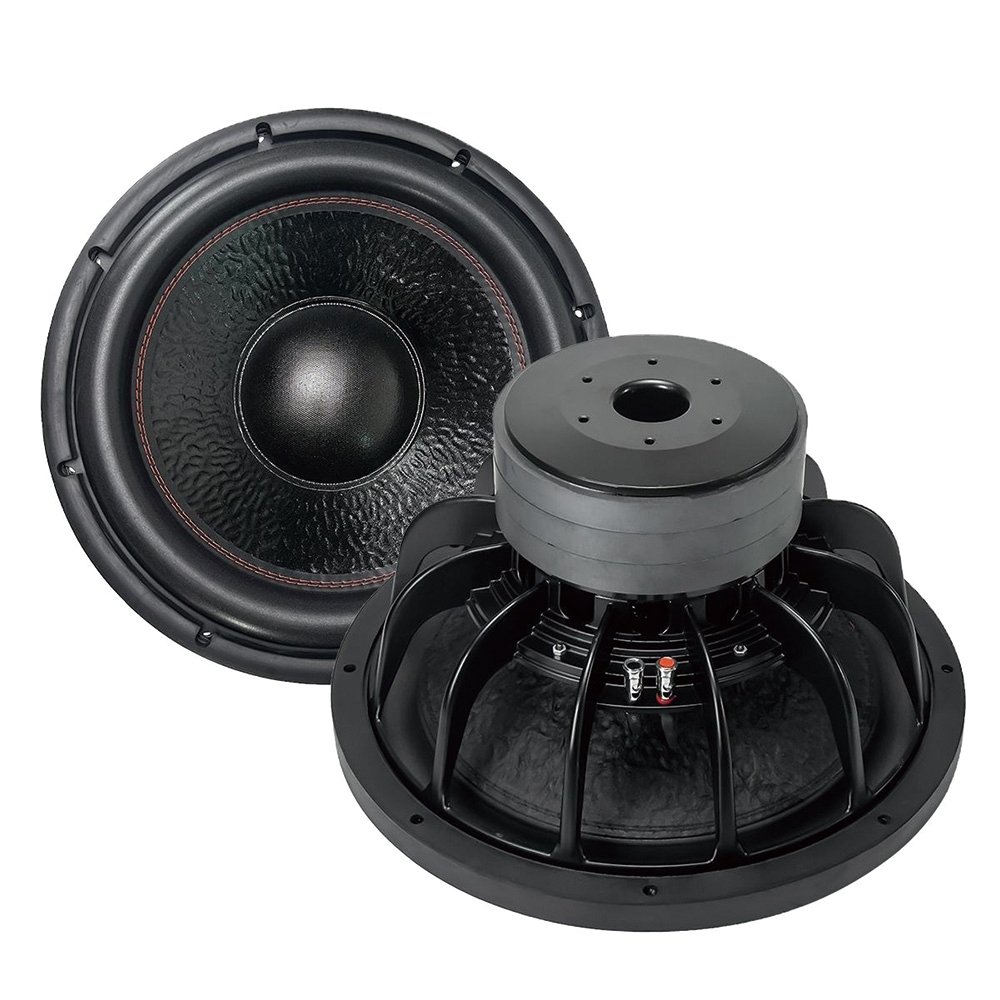
في صميم تصميم مكبرات الصوت الصغيرة يكمن صراع أساسي مع الفيزياء. إن معايير الأداء الأساسية لمكبر الصوت - امتداد الترددات المنخفضة، والكفاءة، ومستوى الخرج الأقصى - مرتبطة جوهريًا بحجم سطحه المشع (المُشغّل) وحجم غلافه. معايير ثيل-سمول, ، وهي مجموعة المواصفات التي تحدد الخصائص الكهربائية والميكانيكية للمُشغّل، تصبح النصوص المقدسة للمصممين.
أحد القيود الرئيسية هو قانون الكتلة, ، الذي ينص على أن خرج الترددات المنخفضة لمكبر الصوت يتناسب مع حجم الهواء الذي يمكنه إزاحته. الإزاحة هي ناتج مساحة المكبس الفعالة للمُشغّل (Sd) ومدى تحركه الخطي (Xmax). المُشغّل الصغير له مساحة صغيرة، لذا لتحريك نفس حجم الهواء الذي يحركه مكبر الصوت الكبير، يجب أن يتحرك لمسافة أكبر بكثير للداخل والخارج. وهذا يتطلب هيكل محرك (مغناطيس وملف صوتي) قادرًا على توليد قوة كبيرة مع الحفاظ على التحكم في غشاء طويل الإزاحة، كل ذلك ضمن مساحة صغيرة جدًا.
علاوة على ذلك، مع تقلص حجم الغلاف، يصبح نابض الهواء الداخلي أكثر صلابة. وهذا يرفع تردد الرنين للنظام (Fs)، مما يحد بطبيعته من استجابة الجهير. وبالتالي، فإن التحدي ثلاثي الأبعاد: تصميم محرك لإزاحة عالية، وإدارة الحدود الميكانيكية والحرارية للتصغير، واستخدام معالجة إشارات متطورة للتغلب على القصور الفيزيائي المتأصل. لقد كان ظهور تضخيم الفئة D ومعالجة الإشارات الرقمية المتقدمة (DSP) محوريًا، حيث وفر طاقة فعالة وباردة التشغيل والقدرة على تخصيص منحنيات الاستجابة بطرق مستحيلة باستخدام التناظري وحده.
2. ابتكار المُشغّل وهيكل المحرك
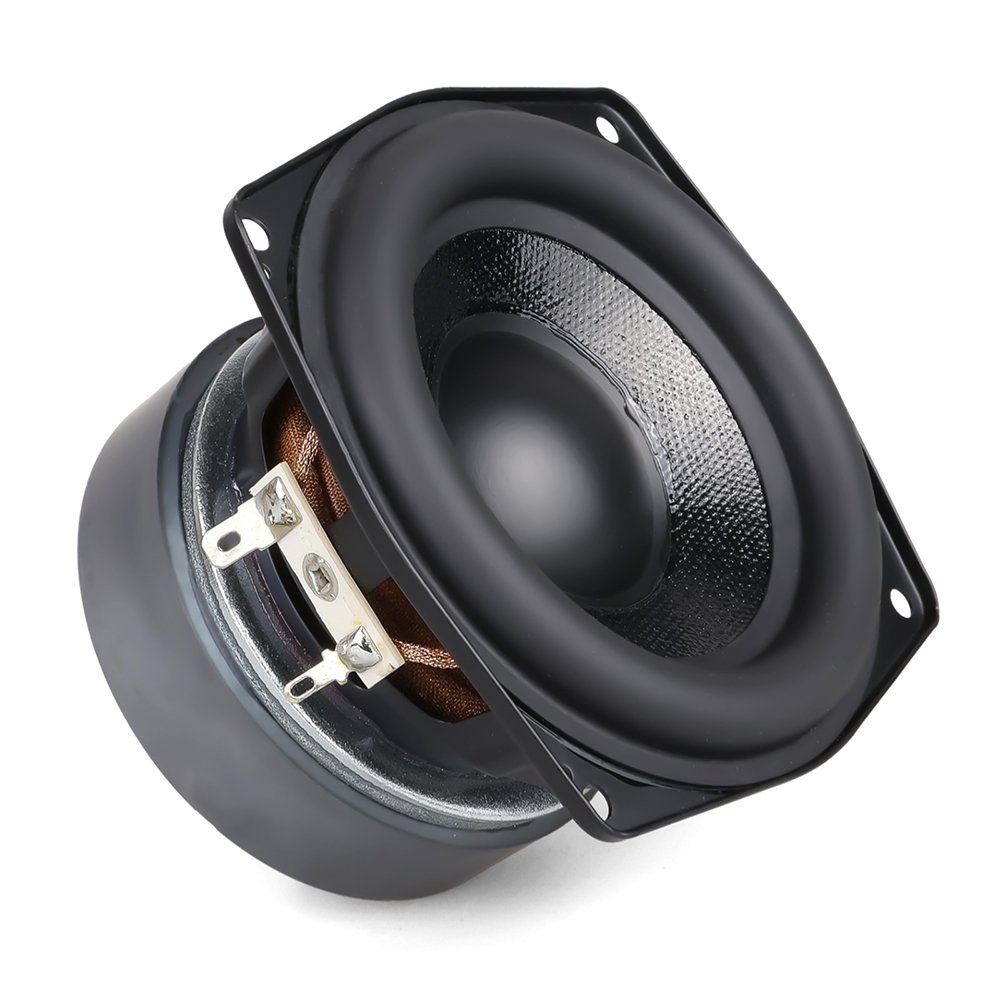
المُشغّل هو قلب النظام. في مكبرات الصوت الصغيرة، يتم تحسين كل مكون لتحقيق أقصى أداء لكل مليمتر مكعب.
- مواد الغشاء: علم المواد الحديث أمر بالغ الأهمية. لقد حلّت المواد المركبة والأقمشة المطلية والبلاستيك المتطور مثل البولي بروبيلين و PET. محل لب الورق التقليدي. غالبًا ما تستخدم المُشغّلات الدقيقة عالية الجودة التيتانيوم المقوى بالبورون أو أو أغشية مطلية بالألماس غير المتبلور للحصول على مزيج مثالي من الخفة (للكفاءة العالية والاستجابة العابرة السريعة) والصلابة (لمنع تشوهات التفتت عند الترددات العالية).
- أنظمة المحركات: الهدف هو تحقيق أقصى تدفق مغناطيسي في أقل مساحة. مغناطيسات الفريت شائعة، لكن مغناطيسات النيوديميوم هي المعيار الذهبي لمكبرات الصوت الصغيرة بسبب نسبة قوتها إلى حجمها الاستثنائية. الابتكارات مثل تصميمات الملفات الصوتية تحت الحلقية و وفوق الحلقية ، جنبًا إلى جنب مع نمذجة تحليل العناصر المحدودة (FEA)، تعمل على تحسين خطية المجال المغناطيسي، مما يقلل التشويه خاصة عند الإزاحات العالية.
- التعليق والثبات: يجب أن يسمح الحافة (التعليق الخارجي) والعنكبوت (التعليق الداخلي) بحركة خطية طويلة مع الحفاظ على تمركز الملف الصوتي بشكل مثالي. توفر تقنيات التصنيع الجديدة لـ الحواف متعددة اللفات و ومواد العنكبوت غير المنسوجة المقطوعة بالليزر تحكمًا دقيقًا في قوة الاستعادة.
الجدول 1: مقارنة مواد أغشية المُشغّلات الدقيقة الشائعة
| مادة | 关键特性 | حالة الاستخدام النموذجية |
| :— | :— | :— |
| البولي بروبيلين | تخميد جيد، تكلفة منخفضة، وزن خفيف | مُشغّلات المدى المتوسط في مكبرات الصوت المحمولة |
| الألومنيوم/المغنيسيوم | خفيف، صلب، طابع صوتي ساطع | مُشغّلات الترددات العالية، مُشغّلات كاملة النطاق في سماعات الأذن الفاخرة |
| مركب التيتانيوم | صلب للغاية، كتلة منخفضة، تفاصيل ممتازة | مُشغّلات دقيقة عالية الأداء |
| السليلوز الحيوي | تخميد داخلي استثنائي، صوت طبيعي | مُشغّلات دقيقة عالية الدقة |
| LCP (بوليمر بلوري سائل) | نسبة صلابة إلى وزن عالية، تفتت محكوم | سماعات رأس متقدمة ومُشغّلات فائقة الصغر |
3. تصميم الغلاف والتحميل الصوتي
الغلاف هو أكثر بكثير من مجرد هيكل تجميلي؛ إنه مكون صوتي نشط. بالنسبة لمكبرات الصوت الصغيرة، فإن اختيار نوع الغلاف هو مقايضة حاسمة بين الحجم واستجابة الجهير والكفاءة.
- الأغلفة المغلقة (التعليق الصوتي): أبسط تصميم. يعمل الهواء بالداخل كنابض، مما يوفر انخفاضًا سلسًا من الدرجة الثانية أسفل تردد رنين النظام. على الرغم من أنه ليس الأكثر كفاءة للجهير، إلا أن التصميمات المغلقة تُقدر باستجابتها العابرة الضيقة والدقيقة وحجمها الصغير. وهي سائدة في سماعات الأذن اللاسلكية الحقيقية والعديد من مكبرات الصوت المصغرة بتقنية البلوتوث.
- الأغلفة ذات الانعكاس الجهير (المزودة بمنفذ): يتم استخدام منفذ أو مشعاع سلبي لتوسيع نطاق الترددات المنخفضة. يعمل رنين هيلمهولتز الناتج عن كتلة المنفذ وحجم الحاوية على إنشاء خرج مضبوط يمكنه إضافة 3-5 ديسيبل من الخرج بالقرب من تردد الضبط. وهذا يتيح إدراكًا أعمق للجهير من حجم حاوية معين. المشعاعات السلبية (غشاء غير مزود بالطاقة) غالبًا ما تكون مفضلة في السماعات الصغيرة لأنها تلغي ضوضاء المنفذ (صوت الزفير) وتكون أقل عرضة لانسداد الحطام.
- تقنية المشعاع السلبي: أصبحت هذه التقنية سمة مميزة للسماعات المدمجة الفاخرة. باستخدام مشعاع سلبي واحد أو أكثر، يمكن للمصممين زيادة مساحة الإزاحة الظاهرية للنظام بشكل فعال دون زيادة حجم المحرك. تستخدم التطبيقات الحديثة مشعاعات سلبية مزدوجة متقابلة لإلغاء اهتزاز الصندوق، مما يسمح بإخراج أعلى مع تلوين أقل للصندوق.
- المتاهات الصوتية وخطوط النقل: نادرة في السماعات الصغيرة حقًا بسبب قيود الحجم، ولكن يتم استخدام القنوات الداخلية المتقدمة والتخميد الصوتي لإدارة الموجات الخلفية وقمع الموجات الداخلية المستقرة التي قد تلون الصوت.
4. الثورة الرقمية: معالجة الإشارات الرقمية، والمعادلة، وعلم النفس الصوتي
هنا تحقق السماعات الصغيرة الحديثة أعظم إنجازاتها في “الخيمياء الصوتية”.” 数字信号处理 هي الأداة التي لا غنى عنها لتعويض القيود المادية.
- تعزيز الجهير: خوارزميات متطورة مثل معادلة الجهير الديناميكية تحلل المحتوى في الوقت الفعلي وتطبق توليد التوافقيات أو معادلة ديناميكية دقيقة لخلق إدراك جهير أعمق دون إجبار المحرك على تجاوز الحد المدمر. يعد الصوت الحاسوبي من Apple في HomePod mini مثالًا رئيسيًا.
- حماية المحرك والحدود: تعمل نماذج الحرارة والإزاحة في الوقت الفعلي على معالج الإشارات الرقمية. إذا توقع المعالج أن ملف الصوت سيسخن أو أن الغشاء سيتجاوز Xmax، فإنه يحد بذكاء من ترددات معينة لحماية الأجهزة، غالبًا بطريقة بالكاد تُسمع للمستمع.
- التكيف مع الغرفة/البيئة: باستخدام الميكروفونات المدمجة، تقوم سماعات مثل سلسلة Sonos Era أو Bose Smart Soundbar 900 بإجراء تصحيح تلقائي للغرفة. يقيسون الاستجابة الصوتية للغرفة ويطبقون منحنى معادلة تصحيحي لمواجهة فجوات الجهير والقمم وتشوهات نمط الغرفة الأخرى.
- الضبط النفسي الصوتي: تُستخدم معالجة الإشارات الرقمية لتشكيل التوقيع الصوتي لتلبية تفضيلات السوق، مع التركيز غالبًا على الوضوح في نطاق الصوت أو إضافة “منحنى الابتسامة” (تعزيز الجهير والثلاثية). كما تتيح ميزات مثل الصوت المحيطي الافتراضي من شريط مضغوط واحد.
5. تكامل النظام والتصميم متعدد التخصصات
السماعة الصغيرة ليست مجرد جهاز صوتي؛ إنها نظام متكامل بإحكام من الأولويات المتضاربة.
- الإدارة الحرارية: الطاقة العالية في مساحة صغيرة تولد حرارة. تعتبر مكبرات الصوت من الفئة D الفعالة، وتبديد الحرارة الاستراتيجي في الهيكل، والتهوية أمرًا بالغ الأهمية لمنع خنق الأداء ومشاكل الموثوقية طويلة الأجل.
- البطارية مقابل الطاقة الكهربائية: التصميمات المحمولة تهيمن عليها سعة البطارية والكفاءة. يتم وزن كل قرار، من اختيار شريحة مكبر الصوت إلى تعقيد خوارزمية معالجة الإشارات الرقمية، مقابل تأثيره على وقت التشغيل. كفاءة ترميز Bluetooth (مثل LDAC مقابل AAC مقابل SBC) تلعب أيضًا دورًا في استنزاف الطاقة.
- التصميم الصناعي والصوتيات: الصراع مباشر: يريد المصممون شبكات سلسة، وعزلًا للماء (IP67)، وجماليات لافتة. يحتاج الصوتيون إلى مسارات مفتوحة وغير معاقة للموجات الصوتية. يتضمن الحل الوسط غالبًا شبكات معدنية أو قماشية مثقبة بدقة تكون شفافة صوتيًا ولكنها صلبة بصريًا، واستخدام هندسة دليل الموجة الداخلية لتوجيه الصوت حول العوائق المادية.
المشهد في عام 2024 يتشكل بواسطة تطبيقات التعلم الآلي في معالجة الإشارات الرقمية للحصول على صوت تكيفي أكثر ذكاءً، ومركبات جديدة من الجرافين والمواد النانوية المركبة للأغشية، وتكامل معالجة الصوت المكاني لتجارب غامرة من مصادر نقطة واحدة. لا يظهر اتجاه التصغير أي علامات على التباطؤ، مما يدفع مهندسي الصوت إلى إيجاد حلول جديدة باستمرار عند تقاطع الفيزياء وعلوم المواد والذكاء الرقمي.
أسئلة وأجوبة مهنية حول التصميم الصوتي للسماعات الصغيرة
س1: من وجهة نظر فيزيائية بحتة، هل هناك “حد حجم” محدد لا يمكن تحته تحقيق صوت عالي الدقة وكامل النطاق؟
أ: على الرغم من عدم وجود “جدار” مطلق، إلا أن هناك منحنى عوائد متناقصة بشكل حاد. الحد الأساسي هو إزاحة الهواء. للحصول على صوت كامل النطاق (20 هرتز - 20 كيلو هرتز) بمستويات ضغط صوتي (SPL) ذات معنى، يجب تحريك حجم معين من الهواء. التقنية الحالية التي تستخدم محركات بحجم 10-15 مم في سماعات الأذن، حتى مع تعزيز معالجة الإشارات الرقمية (DSP) الضخم، تواجه صعوبة في إنتاج خرج نظيف تحت 70-80 هرتز. المستقبل لا يكمن في تحدي قوانين الفيزياء، بل في تحسين التعويض السمعي النفسي وربما أنظمة الصوت الموزعة (على سبيل المثال، عدة مكبرات صوت صغيرة تعمل بتناغم) لخلق إدراك الصوت كامل النطاق.
السؤال الثاني: ما مدى أهمية الانتقال من شبكات التقسيم التناظرية التقليدية إلى شبكات التقسيم النشطة بالكامل القائمة على معالجة الإشارات الرقمية (DSP) في مكبرات الصوت المدمجة الفاخرة؟
أ: إنه تحول جذري. أشار تحليل عام 2023 لسوق مكبرات الصوت المحمولة عالية الجودة إلى أن أكثر من 85% من الموديلات التي يزيد سعرها عن 300 دولار تستخدم الآن شبكات تقسيم نشطة بالكامل قائمة على DSP. المزايا عميقة: محاذاة طور خطية مثالية بين المحركات، ضبط ديناميكي بناءً على المحتوى أو مستوى الصوت، وحماية محددة لكل محرك. يسمح ذلك باستخدام محركات أقل تكلفة وأكثر إحكامًا يمكن تصحيح عيوبها الأصلية في المجال الرقمي، مما يتيح تحسينًا على مستوى النظام أفضل مما كان ممكنًا مع المكونات السلبية.
السؤال الثالث: مع ظهور المساعدات الصوتية، كيف يخفف المصممون التأثير الصوتي لمصفوفة الميكروفونات الدائمة التشغيل على أداء مكبر الصوت؟
أ: هذا تحدٍ كبير في التكامل. تخلق منافذ الميكروفون تسريبات وعدم انتظام لا مفر منهما في الهيكل. يستخدم المصممون 声学迷宫 و إغلاق الحجرة الخلفية خلف وحدات الميكروفون لعزل التجويف الداخلي لمكبر الصوت عن مدخل الميكروفون. علاوة على ذلك، يتم تحسين الموضع الفعلي للميكروفونات من خلال محاكاة تشكيل الحزمة لتكون في نقاط الصفر الصوتي بالنسبة لمحركات مكبر الصوت الأساسية، مما يقلل من الاقتران المباشر. ثم تتعامل خوارزميات إلغاء الصدى المتقدمة مع الباقي في المجال الرقمي.
السؤال الرابع: ما هو التقدم التكنولوجي الأكثر تأثيرًا لتصميم مكبرات الصوت الصغيرة في السنوات الخمس الماضية؟
أ: على الرغم من أن معالجة الإشارات الرقمية (DSP) تحظى بقدر كبير من التقدير، إلا أن التقدم الممكن كان انتشار دوائر مكبرات الصوت من الفئة D عالية الكفاءة وعالية كثافة الطاقة. يمكن للرقائق الحديثة من شركات مثل كوالكوم (Cirrus Logic) وتكساس إنسترومنتس وإنفينيون توفير أكثر من 50 واط من الطاقة النظيفة من شريحة أصغر من ظفر الإبهام، مع نوى DSP مدمجة، ومدخلات رقمية I2S، ودوائر حماية متقدمة. هذا المستوى من الطاقة المتكاملة منخفضة الحرارة حرر المصممين لدفع المحركات الصغيرة بقوة وتحكم أكبر من أي وقت مضى، مما جعل خوارزميات DSP المتطورة قابلة للتحقيق ماديًا.