
في عالم هندسة الصوت وتصميم المنتجات، يُعتبر غلاف السماعة أكثر بكثير من مجرد حاوية بسيطة للمحركات. فهو مكون صوتي حاسم، وبيان للعلامة التجارية، وعامل تمييز رئيسي في سوق مزدحم. بالنسبة لمصنعي المعدات الأصلية (OEMs)، والموزعين، والعلامات التجارية التي تطلق منتجات صوتية متميزة، فإن فهم المشهد الواسع لتخصيص أغلفة السماعات أمر ضروري. يستكشف هذا التحليل المتعمق المواد، وعمليات التصنيع، والتحسينات الصوتية، وخيارات التشطيب التي تحول الغلاف القياسي إلى حل صوتي مصمم خصيصًا.
الأساس: اختيار المواد والتصنيع المتقدم
يُعد اختيار مادة غلاف السماعة أول وأكثر قرارات التخصيص تأثيرًا. فهو يحدد خصائص الرنين للغلاف، ومتانته، ووزنه، وفي النهاية، طابعه الصوتي.
المواد التقليدية والمتقدمة:
- الألواح الليفية متوسطة الكثافة (MDF): العمود الفقري للصناعة لعقود. كثافتها العالية ورنينها المنخفض يجعلانها خيارًا ممتازًا وفعالاً من حيث التكلفة لتقليل اهتزازات العلبة غير المرغوب فيها. يتضمن التخصيص هنا تحديد السُمك (مثل 18 مم للرف، و25 مم+ لمكبرات الصوت الفرعية)، واستخدام أنواع مقاومة للرطوبة للتطبيقات الخارجية، وتنفيذ أنماط تدعيم داخلية معقدة.
- البوليمرات عالية الكثافة والمواد المركبة: بالنسبة للسماعات المحمولة، والبلوتوث، والخارجية، تُعتبر البوليمرات المتقدمة مثل ABS، وخلائط البولي كربونات، والمواد المركبة المقواة بالألياف هي الخيار الأمثل. يتضمن التخصيص القولبة بالحقن، والتي تسمح بأشكال هندسية معقدة وسلسة بشكل لا يصدق، ومقابض مدمجة، وأختام مانعة للماء (IP67)، وسُمك جدار موحد لأداء ثابت.
- الألومنيوم وسبائك الصب بالقالب: مفضلة في شاشات الاستوديو عالية الجودة ومعدات الصوت الفاخرة لخصائصها الصلبة وغير الرنانة. توفر أغلفة الألومنيوم المُشكَّلة باستخدام الحاسب الآلي (CNC) دقة فائقة، وتبديدًا ممتازًا للحرارة لمكبرات الصوت، وجمالية متميزة. تتضمن عملية التخصيص الطحن المعقد لأدلة الموجات، وزعانف التبريد، والتصاميم ذات الأوجه الفريدة.
- الأخشاب الصلبة والصفائح الخشبية: بالنسبة لسوق البوتيك والصوت عالي الدقة (hi-fi)، تقدم الأخشاب الصلبة مثل البلوط، والجوز، أو الخيزران خصائص صوتية مميزة وجماليات لا تضاهى. التخصيص هنا حرفي للغاية، مع التركيز على النجارة، ومطابقة القشرة، والتشطيب. للحصول على خيار أكثر سهولة، توفر الصفائح عالية الضغط (HPLs) أو قشور الخشب الطبيعي فوق MDF مرونة جمالية واسعة.
تقنيات التصنيع:
غالبًا ما يحدد اختيار المادة طريقة التصنيع، ولكل منها درجة تخصيص خاصة به.
- القطع باستخدام الحاسب الآلي (CNC) والتشغيل الآلي: مثالي للألواح الليفية متوسطة الكثافة (MDF)، والخشب، والألومنيوم. يسمح بالنمذجة السريعة وإنتاج الحواجز الداخلية المعقدة، وفتحات المحرك الدقيقة، وتصاميم المنافذ المعقدة.
- القولبة بالحقن: الخيار الأمثل لأغلفة البوليمر عالية الإنتاج. على الرغم من أن تكلفة القالب الأولية مرتفعة، إلا أنها تتيح ميزات مستحيلة مع الطرق الأخرى: حوامل شبكية مدمجة، وتلوين ثنائي اللون سلس، ومفصلات حية.
- الطباعة ثلاثية الأبعاد (التصنيع الإضافي): تُحدث ثورة في النمذجة الأولية والإنتاج منخفض الحجم. تسمح بإنشاء أشكال عضوية محسّنة صوتيًا مع هياكل تخميد داخلية يستحيل تشكيلها أو قولبتها.
جدول: مقارنة المواد الأساسية لأغلفة السماعات
| مادة | الأفضل لـ | 声学优势 | قوة التخصيص | التكلفة النسبية |
| :— | :— | :— | :— | :— |
| الألواح الليفية متوسطة الكثافة (MDF) | صوت عالي الدقة (Hi-Fi)، مسرح منزلي، استوديو | تخميد عالٍ، رنين منخفض | تدعيم داخلي معقد، تنوع في التشطيب | منخفضة إلى متوسطة |
| البوليمر المقولب بالحقن | محمول، خارجي، بلوتوث | متانة، تصاميم محكمة الإغلاق | هندسة معقدة شاملة، دمج الألوان | عالية (الأدوات)، منخفضة (الوحدة) |
| الألومنيوم المُشكَّل باستخدام الحاسب الآلي (CNC) | استوديو متميز، صوت فاخر | صلابة قصوى، لا رنين | تشغيل دقيق، تبريد مدمج | عالية |
| الخشب الصلب | بوتيك صوت عالي الدقة (Hi-Fi)، قطع فنية | رنين دافئ وطبيعي | أنماط حبيبات فريدة، نجارة حرفية | عالية جدًا |
الهندسة الصوتية وتحسينات الأداء
إلى ما وراء الهيكل، يكمن التخصيص الحقيقي في الهندسة الصوتية المدمجة في الغلاف. هذه الميزات هي ما يفصل “الصندوق” عن الآلة الموسيقية المضبوطة.
الهندسة الداخلية والتخميد: الصندوق المجوف يحدث رنينًا. الغلاف المخصص يتم تحصينه بدقة. يشمل ذلك:
- التدعيم الاستراتيجي: يتم تصميم الدعامات المتقاطعة، ودعامات النوافذ، والأضلاع غير المتماثلة باستخدام تحليل العناصر المحدودة (FEA) لتقسيم مساحات الألواح الكبيرة ورفع تردد الرنين للغلاف إلى ما يتجاوز نطاق تشغيل المحرك.
- مواد التخميد: تطبيق الصفائح البيتومينية، وحصائر التخميد ذات الطبقات المقيدة (CLD)، أو بطانات الرغوة الصوتية هو علم. يحدد التخصيص منطقة التغطية، وكثافة المادة، وموضعها لامتصاص ترددات الموجة الخلفية المحددة دون “إخماد مفرط” للغلاف.
- ضبط المنفذ (تصاميم الانعكاس الجهير): بالنسبة للسماعات المزودة بمنفذ، فإن المنفذ هو مرنان مضبوط. يتضمن التخصيص حساب قطر المنفذ وطوله وشكله الداخلي بدقة (الأطراف المتوهجة تقلل من ضوضاء الاحتكاك) لتحقيق امتداد ومحاذاة ترددات منخفضة مستهدفة (مثل Chebyshev، Butterworth).
أدلة الموجات المدمجة وتصميم الحاجز: يؤثر الحاجز الأمامي بشكل عميق على انتشار الصوت.
- أدلة الموجات: أدلة موجات مخصصة مقولبة أو مُشكَّلة حول مكبر الصوت عالي التردد (التويتر) تتحكم في الاتجاهية، مما يضمن انتقالًا سلسًا إلى محرك المدى المتوسط وتحسين استجابة التردد خارج المحور. هذا أمر بالغ الأهمية للحصول على صوت ثابت في كل من مناطق الاستماع القريبة (الاستوديو) والواسعة.
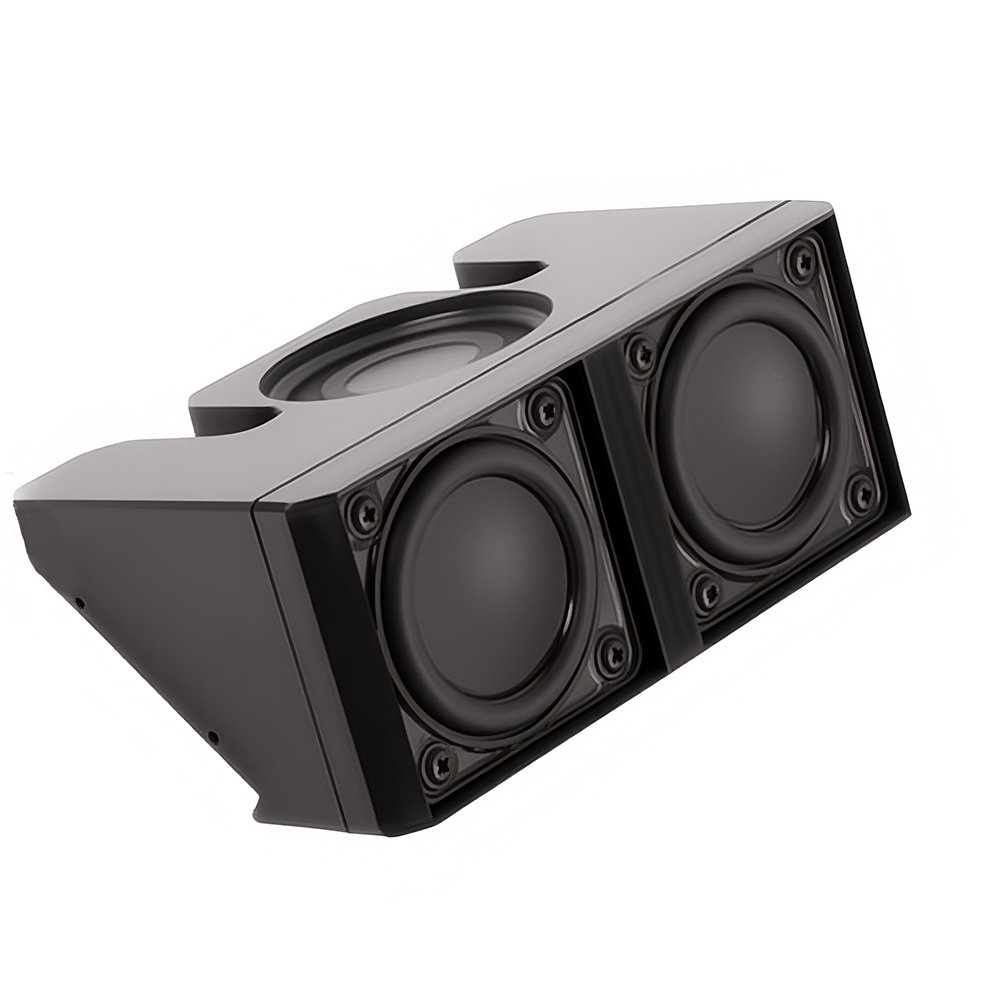
- هندسة الحاجز: يمكن للحاجز المائل أو المتدرج محاذاة المحركات زمنيًا. تعمل الحواف المستديرة أو المشطوفة على تقليل الانعراج، وهو تشويه الصوت الناتج عن الحواف الحادة، مما يؤدي إلى تحسين التصوير المجسم والوضوح.
دمج المحرك وإحكام الإغلاق: كيفية اتصال المحرك بالعلبة أمر بالغ الأهمية.
- الحشيات والإحكام: حشوات مطاطية مخصصة من الخلايا المغلقة تضمن إحكامًا محكمًا للهواء بين إطار السماعة والحاجز، مما يمنع تسرب الهواء الذي يدمر استجابة الترددات المنخفضة.
- أنظمة التثبيت: قد تستخدم التصميمات المخصصة تثبيتًا عازلًا لفصل السماعة ميكانيكيًا عن الحاجز، مما يمنع انتقال الاهتزازات إلى الهيكل نفسه.
الجماليات، التشطيب، والتكامل الوظيفي
التشطيب الخارجي هو الشكل الأكثر وضوحًا للتخصيص، حيث يخدم أغراض العلامة التجارية والوظائف معًا.
المعالجات السطحية والطلاءات:
- الدهانات والطلاءات المسحوقة: من الأسود غير اللامع لحيادية الاستوديو إلى الألوان الزاهية من فئة السيارات للمنتجات الاستهلاكية. يمكن للطلاءات المسحوقة المحببة أن توفر ملمسًا فريدًا ومقاومة للخدش. كما تتوفر تشطيبات معدنية ولؤلؤية مخصصة.
- القشور والأغلفة: القشور الخشبية الطبيعية (المطابقة للتماثل)، والأغلفة الفينيلية ذات الأنماط المطبوعة، أو حتى الأغلفة القماشية (كما في العديد من مكبرات الصوت الاحترافية) توفر نطاقًا جماليًا واسعًا.
- الطباعة المباشرة: تتيح الطباعة الرقمية المعالجة بالأشعة فوق البنفسجية إمكانية طباعة رسومات ملونة كاملة، أو محاكاة حبيبات الخشب، أو شعارات العلامات التجارية مباشرة على سطح MDF أو بوليمر مُجهز.
الشبكات ولوحات الإدخال:
- شبكات شفافة صوتيًا: شبكات قماشية مخصصة مع شعارات مخصصة، وأنظمة تثبيت مغناطيسية لمظهر نظيف، أو شبكات معدنية مثقبة بنسب فتحة محددة لتقليل التأثير على الصوت.
- الاتصال المتكامل: لوحات خلفية مخصصة بتخطيطات محددة لأعمدة التوصيل، ومدخلات XLR، ومقابض التحكم في معالجة الإشارات الرقمية (DSP)، ومؤشرات LED للحالة، أو منافذ الشبكة. يمكن تخصيصها لوحدات تضخيم محددة أو تكاملات نظامية.
رحلة التخصيص: من النموذج الأولي إلى الإنتاج
تتطلب عملية التخصيص شراكة واضحة مع جهة تصنيع ماهرة.
- تحديد الأهداف الصوتية والتصميمية: هل الأولوية هي أقصى مستوى ضغط صوتي (SPL)، أو أعمق ترددات منخفضة، أو أوسع نطاق صوتي، أو أقصى قابلية للحمل؟ هذا يوجه جميع اختيارات المواد والهندسة.
- التصميم التعاوني والنماذج الأولية: باستخدام برامج التصميم بمساعدة الحاسوب (CAD) والنماذج الأولية السريعة (الطباعة ثلاثية الأبعاد، النماذج الأولية باستخدام التحكم الرقمي بالحاسوب CNC)، يتم تطوير التصميم بشكل متكرر. تشمل هذه المرحلة اختبارات صوتية أولية باستخدام نماذج أولية من السماعات.
- القوالب والإنتاج التمهيدي: للأجزاء المقولبة، يتم تصنيع القالب الفولاذي عالي التكلفة. للأعمال الخشبية أو باستخدام التحكم الرقمي بالحاسوب (CNC)، يتم إنشاء الركائز والتجهيزات. يتم إجراء دفعة إنتاج تمهيدية صغيرة للتحقق من عملية التصنيع والصوتيات النهائية.
- ضمان الجودة والامتثال: يجب اختبار الهياكل المخصصة من حيث السلامة الهيكلية، والاتساق الجمالي، ومعايير السلامة/التنظيم ذات الصلة (مثل RoHS، REACH).
سياق السوق (2024): من المتوقع أن ينمو السوق العالمي لمكونات السماعات المتقدمة، بما في ذلك الهياكل المخصصة، بمعدل نمو سنوي مركب يزيد عن 6.5% حتى عام 2027، مدفوعًا بالطلب في أجهزة المنزل الذكي، والصوت المحمول، والصوت الشخصي عالي الدقة. هناك اتجاه ملحوظ وهو استخدام المركبات الحيوية والمواد المعاد تدويرها كطلب تخصيص رئيسي للعلامات التجارية المهتمة بالبيئة، مما يضيف بُعدًا مستدامًا إلى المواصفات.
أسئلة وأجوبة احترافية حول تخصيص هياكل السماعات
س: ما هو المهلة الزمنية النموذجية لمشروع هيكل سماعة مخصص بالكامل، من التصميم إلى أول وحدات إنتاج؟
أ: تختلف المهل الزمنية بشكل كبير حسب التعقيد. يمكن أن يستغرق تصميم بسيط باستخدام MDF والتحكم الرقمي بالحاسوب (CNC) مع تشطيبات قياسية من 8 إلى 12 أسبوعًا للنماذج الأولية والإنتاج الأول. يتطلب هيكل معقد مقولب بالحقن من 14 إلى 20 أسبوعًا أو أكثر، حيث أن تصنيع القالب وحده قد يستغرق من 8 إلى 12 أسبوعًا. ضع دائمًا في الاعتبار وقتًا لمراجعات متعددة للنماذج الأولية والاختبارات الصوتية لتحقيق النتائج المثلى.
س: كيف يؤثر إضافة الدعامات الداخلية على الحجم الداخلي، وكيف يتم التعويض عن ذلك؟
أ: تستهلك الدعامات الداخلية بالفعل من حجم الهواء الداخلي القيم، وهو أمر بالغ الأهمية لضبط استجابة الترددات المنخفضة. التصميم الجيد يقلل من هذا الإزاحة. ومع ذلك، يجب مراعاة الحجم المفقود في حسابات التصميم الأولية. يتم دائمًا قياس النموذج الأولي النهائي من حيث الحجم الداخلي الصافي, ، وقد يتم تعديل ضبط المنفذ أو معلمات السماعة بشكل طفيف للتعويض، مما يضمن تحقيق الهدف الصوتي النهائي.
س: بالنسبة للسماعات الخارجية، ما هي خيارات التخصيص المحددة الحاسمة للمتانة؟
أ: بالإضافة إلى تصنيفات الحماية الدولية (IP) القياسية، تشمل التخصيصات الرئيسية: تحديد البوليمرات المثبتة ضد الأشعة فوق البنفسجية أو الطلاءات لمنع البهتان؛ استخدام الفولاذ المقاوم للصدأ من الدرجة البحرية أو الألومنيوم لجميع الأجهزة؛ ضمان إغلاق جميع اللحامات باستخدام حشوات دائمة (وليس فقط الغراء)؛ وتنفيذ قنوات تصريف مدمجة في تصميمات المنفذ والحاجز لمنع تجمع المياه. يجب أيضًا أن تكون شبكة السماعة مصنفة صراحةً للاستخدام الخارجي.
س: ما هي الكمية الدنيا للطلب (MOQ) المطلوبة عادةً لهياكل الحقن المخصصة؟
أ: تعتبر الكميات الدنيا للطلب دالة على التكلفة العالية للقالب (10,000 – 50,000 دولار أمريكي أو أكثر). يتطلب المصنعون عادةً كمية دنيا للطلب تتراوح بين 5,000 و 10,000 وحدة لكل نصف هيكل لجعل المشروع مجديًا اقتصاديًا. بالنسبة للكميات الأقل، فكر في استخدام “قواعد” قوالب موحدة مع إدخالات مخصصة، أو استكشاف مواد عالية القوة. الطباعة ثلاثية الأبعاد (مثل تقنية SLS) لعمليات الإنتاج التي تصل إلى المئات.
س: هل يمكن دمج المشعات السلبية بنفس فعالية المنافذ في التصميم المخصص؟
أ: بالتأكيد. توفر المشعات السلبية (PRs) ميزة كبيرة في التخصيص، خاصةً لمكبرات الصوت اللاسلكية المدمجة والمغلقة. فهي تعزز الترددات المنخفضة دون احتمالية حدوث ضوضاء المنافذ (“chuffing”)، وتسمح بواجهة أمامية مغلقة بالكامل (مما يحسن الحماية من العوامل الخارجية). يتضمن التخصيص ضبط كتلة المشع السلبي بدقة (غالبًا باستخدام أوزان إضافية) ونظام التعليق ليتوافق مع المحرك النشط، وهي عملية تتطلب قياسًا دقيقًا وتكرارًا أثناء مرحلة النمذجة الأولية.