
عند تقييم مُشغّلات الصوت (loudspeaker drivers) — المكون الأساسي الذي يحول الإشارات الكهربائية إلى صوت — فإن إحدى المواصفات الأكثر أهميةً وسوء فهم هي قدرة تحمل الطاقة. غالبًا ما تُبسّط إلى رقم واحد للقدرة الكهربائية (واط)، لكن قدرة التحمل الحقيقية هي خاصية متعددة الأوجه تحددها تفاعلات معقدة بين الحدود الحرارية والميكانيكية والكهربائية. بالنسبة لمهندسي الصوت والهواة والمستهلكين، يُعد فهم هذه المحددات أمرًا أساسيًا لاختيار المُشغّل المناسب، وبناء أنظمة قوية، وتجنب الفشل الشائع المتمثل في “الدخان السحري”. يتناول هذا المقال المبادئ الهندسية وعلم المواد التي تحدد مقدار الطاقة التي يمكن للمُشغّل تحملها.
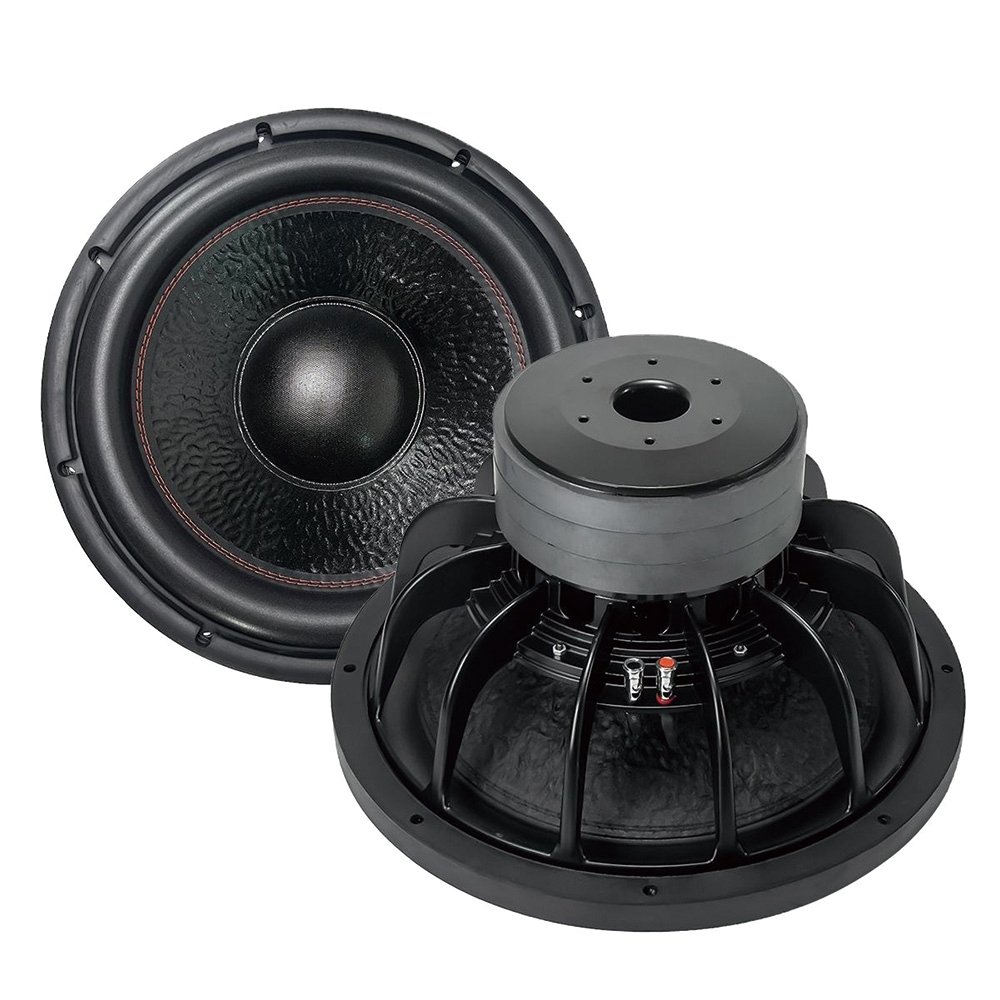
الثالوث الأساسي: الحدود الحرارية والميكانيكية والكهربائية
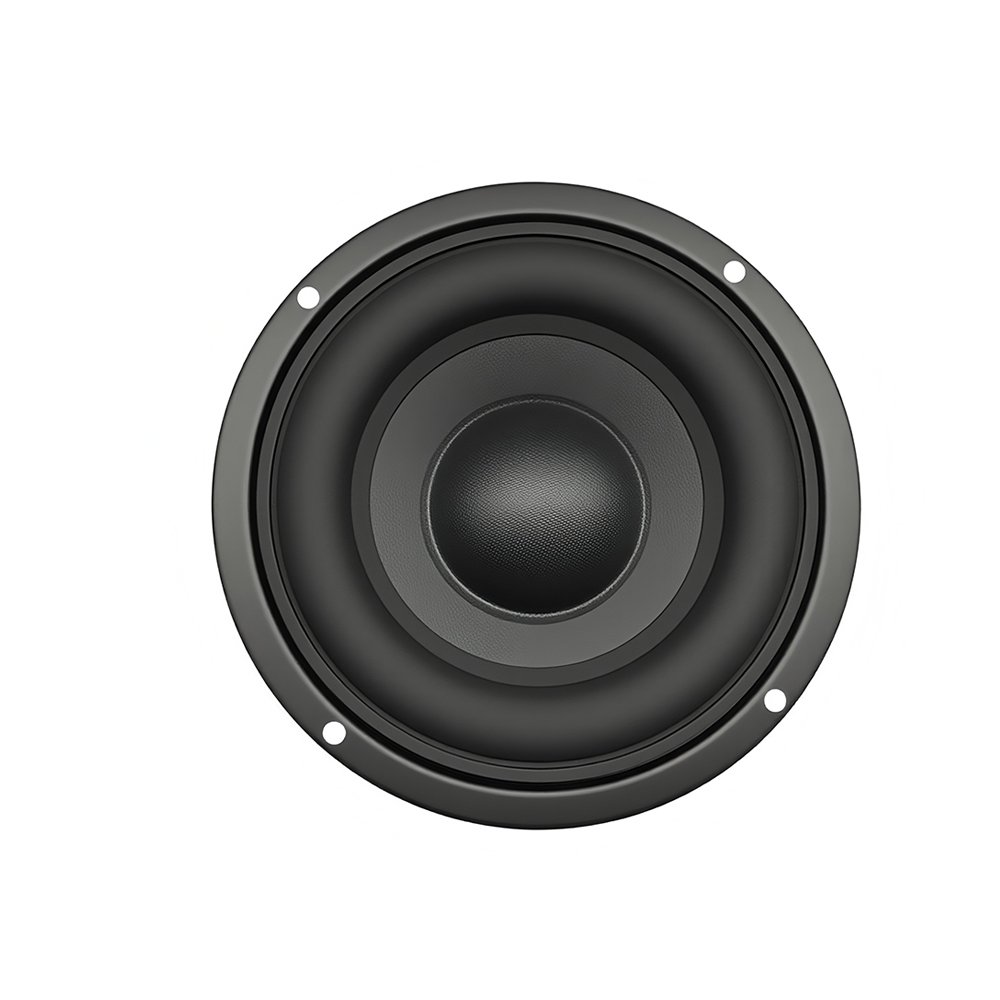
لا تُحدد قدرة تحمل الطاقة للمُشغّل بعامل واحد، بل بأضعف حلقة ضمن ثالوث من الحدود المترابطة.
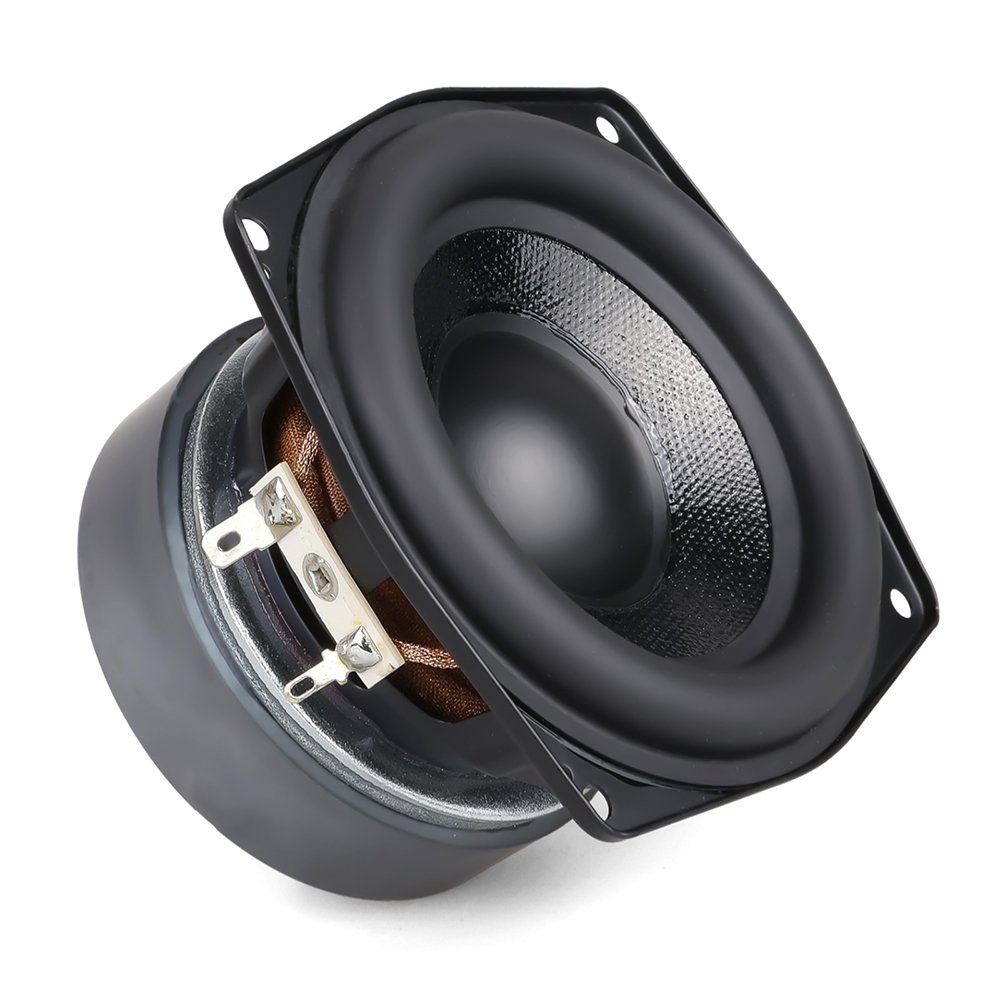
1. قدرة التحمل الحرارية (تبديد حرارة الملف الصوتي)
الحد الأساسي والأكثر شيوعًا هو الحد الحراري. عند توصيل الطاقة الكهربائية إلى المُشغّل، يتحول جزء كبير منها إلى حرارة داخل الملف الصوتي، وليس إلى صوت. الملف الصوتي, ، وهو عادةً سلك ملفوف (غالبًا من النحاس أو الألومنيوم) متصل بالغشاء، ويقع ضمن فجوة مغناطيسية ضيقة. تُولد مقاومته حرارة (خسائر I²R). تحدد قدرة المُشغّل على تبديد هذه الحرارة تصنيفه الحراري للقدرة.
. تشمل العوامل الرئيسية:
- مواد وتصميم الملف الصوتي: تتمتع الملفات الصوتية ذات الأقطار الأكبر (مثل 3 بوصات مقابل 1 بوصة) بمساحة سطح أكبر لتبديد الحرارة. المواد مهمة: سلك الألومنيوم المغطى بالنحاس (CCAW) يوفر ميزة الوزن مقابل التوصيل. المواد اللاصقة عالية الحرارة والقوالب (البكرة التي يُلف عليها الملف) ضرورية. تتحمل قوالب Kapton والألومنيوم والألياف الزجاجية درجات حرارة أعلى من الورق.
- البنية المغناطيسية والتبريد: تعمل بنية المحرك نفسها كمشتت حراري. تعمل أقطاب القطب المثقوبة، وحلقات القصر المصنوعة من الألومنيوم، والأغطية النحاسية على تقليل التشويه فحسب، بل تساعد أيضًا في التوصيل الحراري. تتضمن التصاميم المتقدمة قنوات تبريد هواء قسري أو مشتتات حرارية متصلة باللوحة الخلفية.
- البيئة المحيطة: المُشغّل المثبت في غلاف محكم وضعيف التهوية سيسخن أسرع بكثير من المُشغّل في حاجز جيد التهوية.
2. قدرة التحمل الميكانيكية (سلامة التعليق والغشاء)
قبل أن تصبح الحرارة مشكلة، يمكن للمُشغّل أن يصل إلى حدوده الميكانيكية. هذا هو أقصى إزاحة فيزيائية (انحراف) يمكن للمكونات تحملها دون تلف.
. تشمل العوامل الرئيسية:
- نظام التعليق (العنكبوت والحافة): يجب أن يتحكم العنكبوت (التعليق الداخلي) والحافة (التعليق الخارجي) في الملف الصوتي ويتمركزانه. تحدد صلابتهما وخطيتهما ومتانة مادتهما (قماش معالج، مطاط، رغوة، Nomex) حدود الحركة الآمنة. يمكن أن يؤدي الانحراف الزائد إلى تمزق العنكبوت، أو انفصال الحافة، أو اصطدام الملف الصوتي باللوحة الخلفية.
- مادة وتصميم الغشاء (المخروط/القبة): يجب أن يكون الغشاء صلبًا وخفيف الوزن في الوقت نفسه. تتمتع مواد مثل البولي بروبيلين وألياف الكربون والألومنيوم والمغنيسيوم والسيراميك بقوى انثناء مختلفة. يمكن أن يتشوه المخروط أو ينثني أو يتمزق تحت قوة شديدة، خاصة عند نقطة اتصاله بالملف الصوتي.
3. الحدود الكهربائية (ديناميكيات المحاثة والممانعة)
تخلق الخصائص الكهربائية للمُشغّل تحت الظروف الديناميكية حدودًا عملية.
- قدرة تحمل التيار الذروي: يتمتع سلك الملف الصوتي بقدرة محدودة على حمل التيار قبل أن ينصهر مثل سلك المصهر. يحدد هذا حدًا مطلقًا للقدرة الذروية ، غالبًا في غضون أجزاء من الثانية قبل الفشل.
- منحنى الممانعة وتوافق المضخم: تختلف ممانعة المُشغّل بشكل كبير مع التردد. قد ينخفض مُشغّل اسمي بقدرة 8 أوم إلى 3 أوم عند الرنين. يمكن للمضخم الذي يكافح لتوصيل التيار إلى ممانعة منخفضة أن يُحدث قصًا، منتجًا توافقيات عالية التردد يمكن أن تتلف ملف التويتير الحساس حراريًا.
الجدول 1: تحليل مقارن لمواد الملف الصوتي والغشاء الشائعة
| عنصر | مادة | 关键特性 | التأثير على قدرة تحمل الطاقة |
| :— | :— | :— | :— |
| سلك الملف الصوتي | النحاس (Cu) | توصيلية عالية، كثيف، نقل حراري ممتاز. | سعة حرارية أعلى، لكنه أثقل. |
| الألومنيوم (Al) | خفيف الوزن، توصيلية أقل. | يقلل الكتلة المتحركة، لكنه يسخن أسرع. |
| الألومنيوم المغطى بالنحاس (CCAW) | حل وسط: قلب ألومنيوم مع تغطية نحاسية. | توازن جيد بين الوزن والتوصيلية. |
| قالب الملف الصوتي | Kapton | خفيف الوزن، ثبات ممتاز في درجات الحرارة العالية. | يسمح بفجوة أضيق، مقاومة حرارية أفضل. |
| الألومنيوم | توصيل حراري فائق، صلب. | تبديد حراري ممتاز، كتلة منخفضة. |
| الورق/الفينوليك | فعال من حيث التكلفة، تحمل محدود لدرجة الحرارة. | أضعف حلقة في التحمل الحراري. |
| الغشاء | البولي بروبيلين | مخمد، خفيف الوزن، تناسق جيد. | جيد للنطاق المتوسط، ينثني قبل الفشل. |
| الألومنيوم/السبائك المعدنية | صلب جدًا، خفيف الوزن. | ممتاز للتحكم، قد يرن إذا لم يُخمد. |
| المركبات المنسوجة (الكربون، الأراميد) | صلابة عالية جدًا مقارنة بالوزن. | تحكم فائق عند الانحراف/الطاقة العالية. |
الدور الحاسم لتصميم الغلاف وتكامل النظام
لا يعمل المُشغّل في فراغ. تتأثر قدرته على تحمل الطاقة بشكل كبير بـ الغلاف الذي يُثبّت فيه، و النظام الإلكتروني المتصل به.
نوع الغلاف والإدارة الحرارية:
A الغلاف المُحكم (التعليق الصوتي) يُوفّر نابضًا هوائيًا يساعد في التحكم في حركة المخروط، خاصة عند الترددات المنخفضة، مما يحمي المُشغّل من التلامس الميكانيكي. ومع ذلك، يمكنه حبس الحرارة حول الجزء الخلفي للمُشغّل. الغلاف المُنفّذ (الانعكاس الجهيري) يُخفّف الضغط على المُشغّل بالقرب من تردد الضبط، مما يُقلّل من حركة المخروط والحمل الحراري عند خرج معين في ذلك النطاق، لكنه قد يترك المُشغّل غير محمي تحت تردد ضبط المنفذ. تصاميم النطاق العابر والحمل البوقي تُغيّر بشكل أكبر الضغوط الحرارية والميكانيكية على المُشغّل، وغالبًا ما تسمح بكفاءة أعلى ولكنها تتطلب تصميمًا دقيقًا جدًا لتجنب الإفراط في التشغيل في نطاقات ترددية محددة.
شبكات التقسيم وعرض النطاق الترددي للإشارة:
شبكة التقسيم المُصمّمة جيدًا هي حامية لسلامة المُشغّل. تضمن عدم تلقّي المُشغّلات عالية التردد (المُغردات) طاقة منخفضة التردد مُدمّرة، مما قد يُسبّب حركة مخروط زائدة في مكوّن غير مُصمّم لذلك. وبالمثل، فإن إرسال محتوى عالي الطاقة وعالي التردد إلى مُشغّل الصوت العميق (السبووفر) هو إهدار ويُولّد حرارة زائدة. لذا، فإن انحدار (ميل) ودقة مرشح التقسيم هما عاملان مباشران في القدرة الفعالة على تحمل الطاقة.
توافق المُضخّم:
مكبر الصوت غير القوي الذي يُدفع إلى القطع (clipping) هو سبب رئيسي لفشل المُشغّل. يُنشئ القطع (التشويه) موجة مربعة غنية بالتوافقيات عالية التردد. يمكن لهذه التوافقيات أن تدفع طاقة زائدة إلى المُغردات ومُشغّلات المدى المتوسط، مما يؤدي إلى فشل حراري سريع. يُعد المُضخّم عالي الجودة مع هامش احتياطي طاقة كافٍ (احتياطيات طاقة) وتوصيل تيار قوي للأحمال المُعقّدة أمرًا ضروريًا للتشغيل الآمن عند المستويات العالية.
اختبارات المُصنّع والتفسير في العالم الحقيقي
كيف يصل المُصنّعون إلى مواصفة واحدة مثل “قدرة تحمل طاقة: 150 واط RMS”؟ تُشتق عادةً من اختبارات موحّدة، وأكثرها شيوعًا هو معيار IEC 60268-5 أو AES2-1984 تتضمن هذه الاختبارات تغذية المُشغّل بإشارة ضوضاء وردية محدودة النطاق (مع عامل قمة 6 ديسيبل، تُحاكي الموسيقى) لفترات ممتدة (مثل 8 ساعات لمعيار AES2) دون تجاوز تدهور مُحدّد مسبقًا (مثل زيادة بنسبة 10% في مقاومة الملف الصوتي أو تلف بصري).
تمييزات حاسمة للمستخدم:
- قدرة RMS/المستمرة/AES: الأقرب إلى تصنيف “آمن طويل الأمد في العالم الحقيقي”. هذا هو المعيار الحراري.
- قدرة الذروة/البرنامج: أقصى حد قصير المدة (غالبًا ميلي ثانية) يمكن للمُشغّل تحمله دون فشل ميكانيكي أو كهربائي فوري. غالبًا ما تكون ضعف تصنيف RMS ولكنها ليست دليلاً للتشغيل المستمر.
- تصنيف “النظام” مقابل “المُشغّل”: غالبًا ما تكون قدرة تحمل الطاقة لمُكبر صوت كامل أقل من مجموع مُشغّلاته، محدودة بمكونات التقسيم والأسلاك الداخلية.
نقطة بيانات من العالم الحقيقي (معيار 2023):
في اختبارات إجهاد مستقلة لمُشغّلات سبووفر مقاس 12 بوصة، النماذج التي تستخدم تعليقًا مزدوجًا (سبايدر مزدوج), ملفات صوتية من الألومنيوم عالية الحرارة بقطر 4 بوصات, ، و حواف ذات انحناء تدريجي تحملت باستمرار أكثر من 1000 واط من طاقة AES المستمرة في أغطية منفذة مضبوطة بشكل صحيح. في المقابل، أظهرت المُشغّلات ذات القوالب الورقية والتعليقات القياسية انضغاطًا حراريًا (فقدان في الخرج بأكثر من 1 ديسيبل) عند أحمال مستمرة فوق 500 واط تحت ظروف متطابقة.
الخلاصة: نظرة شاملة للاختيار الذكي
قدرة تحمل الطاقة للمُشغّل هي مواصفة ديناميكية، وليست مطلقة. إنها توليفة من الابتكار في المواد (مواد لاصقة أفضل، أغشية مركبة، تبريد مغناطيسي متقدم)، والتصميم الميكانيكي (تعليقات خطية، حركة مخروط مُتحكّم بها)، والتكامل الذكي للنظام (أغطية مناسبة، تضخيم نظيف، وتقسيم وقائي).
بالنسبة للمستخدم النهائي، هذا يعني النظر إلى ما هو أبعد من أكبر رقم واط. ضع في اعتبارك التطبيق: مُشغّل عالي الكفاءة في نظام عناوين عامة بوقي قد يتحمل 200 واط بسهولة بسبب التبريد الفائق وقلة حركة المخروط، بينما مُشغّل سبووفر للمسرح المنزلي مُصنّف لـ 500 واط قد يعمل عند حدوده في صندوق مُحكم مدمج. احترم دائمًا الحدود الحرارية والميكانيكية, ، ووفّر طاقة نظيفة مع هامش كافٍ (مساحة رأس كافية), ، وافهم أن تصنيف المُصنّع هو دليل تحت ظروف اختبار محددة—أداؤك في العالم الحقيقي سيعتمد على totality تصميم نظامك.
أسئلة وأجوبة احترافية
س1: هل يمكنني استخدام مُضخّم مُصنّف بقدرة واط أعلى من قدرة تحمل RMS لمُكبّر الصوت الخاص بي؟
أ: نعم، وغالبًا ما يُوصى بذلك. المُضخّم ذو هامش طاقة أعلى (مساحة رأس أعلى) أقل عرضة للوصول إلى حالة القطع (التشويه)، وهو سبب رئيسي لتلف المُشغّل. المفتاح هو استخدام المُضخّم 请负责任地控制增益/音量。. 来自过载、低功率放大器的失真比来自高功率放大器的干净、未削波信号更危险。.
问题2:为什么我的扬声器单元在远低于其额定功率的音量下发生故障?
أ: 这通常是由于 不受控制的冲程(机械故障)。. 如果扬声器单元在低于其设计工作范围的频率下工作(例如,未使用高通滤波器的书架音箱接收电影配乐中的深沉低音),音盆可能会过度冲程并在中等放大器功率下发生故障。其他原因包括分频器缺陷或过载,或阻抗下降导致放大器限流或削波。.
问题3:什么是“热压缩”,它与功率处理能力有何关系?
أ: 热压缩 是指在高功率运行期间,音圈发热导致灵敏度(输出)逐渐下降。随着线圈电阻随温度升高(铜具有正温度系数),电阻尼系数下降,效率降低。这是热故障的前兆。冷却更好的扬声器单元(大线圈、通风极片等)表现出较少的热压缩,在持续高电平下更忠实地保持其输出特性。.
问题4:“RMS”功率额定值与“节目”或“音乐”功率有何不同?
أ: RMS(均方根) 是一种数学推导出的连续功率测量值,与标准化测试音调(如粉红噪声)对齐。. 节目 أو 音乐 功率是一种不太正式、通常被夸大的额定值,表明扬声器单元能够处理音乐中典型的短期峰值,通常估计约为RMS额定值的两倍。对于关键比较和安全系统设计,, 始终优先考虑连续(AES或IEC)RMS额定值 作为您热容量评估的基准。.