
引言:声音的基础
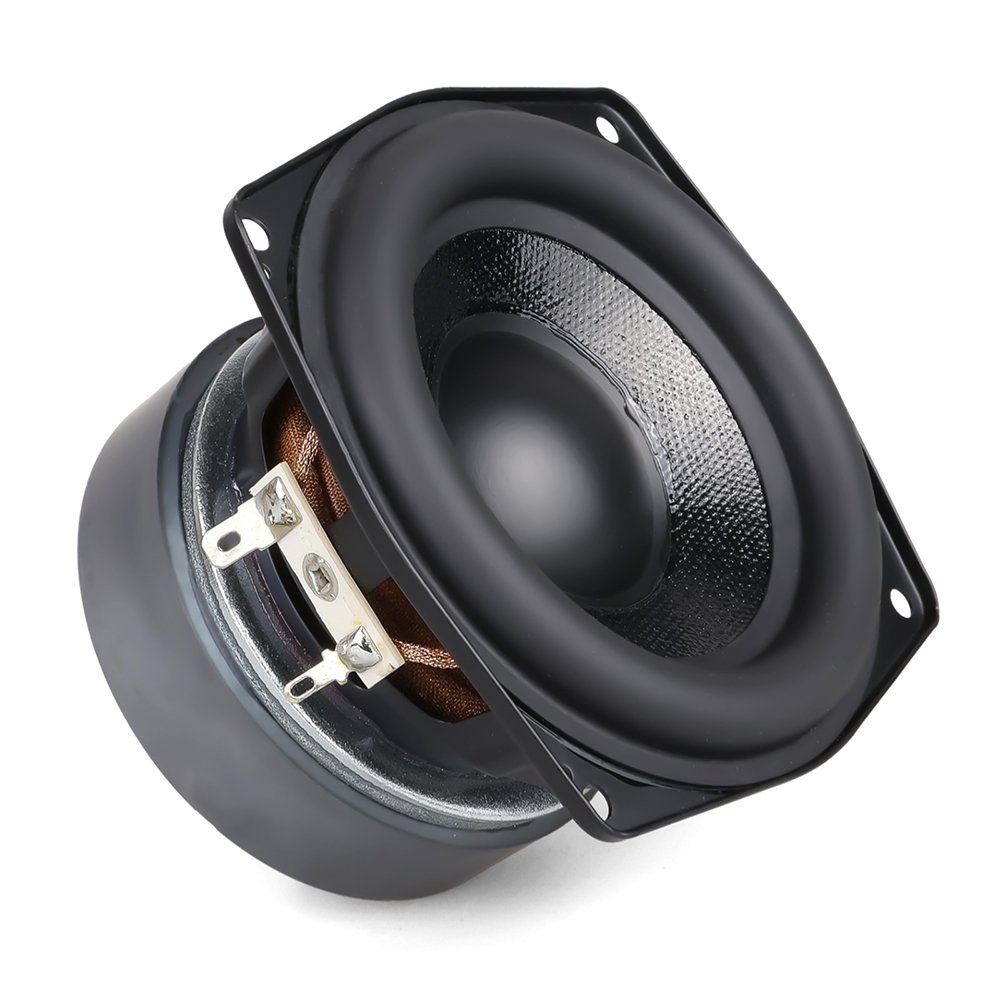
在打造完美箱体音箱时,箱体材料的选择并非一个微不足道的细节,而是一项根本性的决策,它塑造了音频体验的灵魂。在音箱设计领域,箱体的作用远不止容纳驱动单元,它积极参与声学性能,影响清晰度、共振和音色特征。几十年来,两种材料主导了这一讨论:中密度纤维板(MDF)和丙烯腈-丁二烯-苯乙烯塑料(ABS)。MDF是传统的车间宠儿,以其声学阻尼和坚固性著称;ABS塑料则是现代制造的佼佼者,提供耐用性和设计灵活性。截至2024年,全球音箱市场持续演进,材料科学和制造工艺的创新不断突破可能性的边界。本深度分析将剖析这两种竞争材料,为您提供最新数据和见解,以指导您的下一次构建或购买。.
经典竞争者:MDF木材在音箱设计中的应用
中密度纤维板作为高保真音箱箱体的黄金标准已有半个多世纪。其主导地位建立在令人信服的物理和声学特性之上,这些特性在许多应用中直接转化为卓越的音质。.
声学特性与性能:
MDF是一种工程木制品,通过将硬木或软木残余物分解成木纤维,与蜡和树脂粘合剂混合,并在高温高压下成型为板材。所得材料极其致密且均匀,没有实木的天然纹理。这种均匀性是其声学优势所在。它表现出优异的阻尼特性,意味着它能吸收来自驱动单元的振动能量,而非产生共鸣。这种阻尼最大限度地减少了“箱体染色”,即箱体本身在输出中添加自身的声音特征,从而带来更干净、更准确的低频响应和中频清晰度。对于追求中性、无染色声音的纯粹主义者而言,驱动单元和分频器是音色的唯一决定因素,MDF通常是首选。.
制造与实际考量:
加工MDF是一门工艺。它加工性能出色,可实现精确切割、端口和障板的复杂铣削,以及完美光滑的表面,非常适合各种饰面——从贴面和油漆到高光漆。然而,它很重。一个体量较大的书架音箱箱体空载时可能重达15-25磅(7-11公斤),这使得运输和摆放成为考量因素。它还具有吸湿性,意味着会吸收空气中的水分。在潮湿环境中,未受保护的MDF可能膨胀和降解,且对水或冲击没有任何固有抵抗力。从可持续性角度看,MDF可由回收木材制成,但某些板材中使用的脲醛树脂引发了环境和室内空气质量方面的担忧,尽管低排放(E0/E1)变体现在已广泛可用。.
现代挑战者:ABS塑料在音箱设计中的应用
ABS塑料代表了现代工业化的音箱制造方法。作为一种热塑性聚合物,ABS带来了不同的优势,符合大规模生产、便携式音频和耐用消费品的需求。.
声学特性与性能:
按体积计算,ABS天然比MDF更硬且更轻。然而,其阻尼系数显著较低。薄壁ABS箱体比适当支撑的MDF箱体更容易产生共振。为解决这一问题,高品质ABS音箱采用多种策略:内部加强筋和挡板以增加刚性,内部添加约束层阻尼材料,或使用复合材料混合物。设计得当的ABS箱体可以听起来非常干净,尤其是在较小尺寸中。其强度允许创建复杂、弯曲的形状,这在MDF中难以或不可能实现,可用于减轻内部驻波并创造美观的设计。.
制造与实际考量:
这是ABS的闪光点。它是注塑成型的材料,能够经济高效地大批量生产具有集成功能的相同复杂箱体。它异常坚固,耐凹痕、划痕和湿气,非常适合便携式音箱、户外型号或用于严苛环境的产品(例如车门内)。其低重量是物流方面的主要优势,降低了运输成本并提高了便携性。从环境角度看,ABS源自石油且可回收(树脂识别码7),但其生命周期结束阶段是一个讨论话题。现代进展包括使用回收ABS和生物基替代品,但这些在音箱制造中尚未成为主流。饰面通常是模内着色,非常耐用,但缺乏木贴面的温暖深邃美感。.
直接对比:数据驱动分析
MDF和ABS之间的选择并非抽象概念,而是可量化的。下表基于行业标准指标和2024年材料数据,分解了关键差异。.
| 特性 | MDF(18毫米标准等级) | ABS塑料(注塑成型) | 声学与实际影响 |
|---|---|---|---|
| 密度 | ~45-50磅/立方英尺(720-800千克/立方米) | ~38磅/立方英尺(610千克/立方米) | MDF较高的质量改善了惯性,减少了箱体振动。. |
| 声学阻尼(损耗因子) | 高(~0.01-0.02) | 低(~0.001-0.005) | MDF自然吸收振动能量,减少共振。ABS需要额外阻尼。. |
| 杨氏模量(刚度) | ~3-4 GPa | ~2.0-2.5 GPa | MDF在板材形式下更硬,但带加强筋的模塑ABS可实现高局部刚度。. |
| 防潮性 | 非常差(膨胀) | ممتازة | ABS适用于浴室、户外;MDF需要仔细密封/气候控制。. |
| قوة التأثير | 抗冲击性 | ممتازة | 差(凹痕、碎裂). |
| ABS能承受跌落和碰撞;MDF易损坏。 | 重量(1立方英尺箱体) | ~10-12磅(4.5-5.5千克) | ~4-6磅(1.8-2.7千克). |
| 制造工艺 | 便携性、运输成本和壁挂安装的主要因素。 | 制造工艺 | 减材制造(切割、铣削). |
| | معتدل (نقطة كوري ~310°م) | عالي (نقطة كوري ~450°م) | يتطلب إدارة حرارية مدروسة في التصميمات عالية الطاقة. | | 低至中等 | معتدل | 增材制造(注塑成型). |
| MDF允许原型制作/定制工作;ABS需要昂贵模具进行批量生产。 | 成本影响 | 中低(工具成本低,单位成本中等) | 高初始工具成本,但规模生产时单位成本下降. |
| التطبيق النموذجي | ABS的模具工装是高昂的初始资本成本,但规模生产时单位成本下降。 | 美学饰面 |
**现实世界中的应用:材料与使命的匹配**
理解数据是一回事;应用数据则是另一回事。当你提出正确的问题时,“最佳”材料便不复存在: “最适合什么?”
选择MDF木质板材,如果:
- 您的主要目标是在家庭或录音室环境中,为关键聆听实现最高可能的声音中性和低音精度。.
- 您是DIY爱好者或小批量生产的手工制造商,车间制造的灵活性至关重要。.
- 音箱是受控室内环境中的固定装置,并且您希望获得家具级饰面(实木贴面、钢琴漆)。.
- 您正在构建一个大型、高功率的低音炮,箱体质量和阻尼对于控制巨大的驱动单元力至关重要。.
选择ABS塑料,如果:
- 耐用性、便携性和防潮性是首要考虑因素(例如,蓝牙音箱、户外音箱、船用音响)。.
- 您是批量制造商,生产数万个单元,注塑成型的规模经济至关重要。.
- 设计需要复杂、弯曲或无缝的形状,而这些形状用MDF制造将过于昂贵或强度不足。.
- 重量是主要限制因素,例如在天花板安装、汽车车门或适合旅行的便携音箱中。.
**前沿领域:**
情况并非二元对立。创新正在模糊界限。我们现在看到:
- **复合MDF:** 涂有聚合物或丙烯酸层的板材,以提高防潮性。.
- المواد المركبة المتقدمة: 使用碳纤维或矿物填充聚丙烯制成的箱体,以提高刚度和减轻重量。.
- التصاميم الهجينة: 内部采用MDF骨架作为支撑,外部包裹ABS外壳以确保耐用性和饰面效果。.
- **3D打印原型与特种材料:** 对于超高端或定制单件产品,会探索HDPE、实心铝甚至混凝土等材料,尽管它们不属于主流生产范畴。.
**结论:优先事项的和谐平衡**
ABS塑料与MDF木质板材在箱体音箱上的争论,是工程权衡的深刻例证。没有通用的赢家。MDF仍然是固定安装中纯粹、不妥协声音再现的王者,因其可预测、惰性的声学特性而受到发烧友和专业人士的珍视。ABS塑料是现代、移动和耐用音频世界的冠军,能够制造出坚固、轻便且形状富有创意的产品,无缝融入积极的生活方式。.
您的选择最终与您的优先事项产生共鸣。是追求最后那1%的声学纯度,还是能够无忧无虑地将音乐带到任何地方?是温暖、自然的木质触感,还是现代聚合物光滑、坚韧的饰面?在2024年,随着这两种材料的不断改进和完善,我们作为听众是真正的受益者,能够为我们的声音和实际需求选择完美的工具。.
أسئلة وأجوبة احترافية
**问题1:** 随着内部支撑和阻尼材料的进步,设计良好的ABS音箱能否在声学性能上与同等的MDF音箱相媲美?
أ: 它可以非常接近,尤其是在较小的箱体和中频范围内。高端ABS设计使用广泛的内部加强筋、沥青阻尼板,甚至内部填充沙子的隔室来增加质量和阻尼。然而,对于大型箱体和极低频率(低于50Hz),厚MDF固有的质量和自阻尼在最小化共振染色方面仍然具有可衡量的优势。差距已经缩小,但对于高声压级下的终极低失真性能,MDF仍保持优势。.
**问题2:** 从可持续性的角度来看,哪种材料是音箱箱体更“绿色”的选择?
أ: 这很复杂,且取决于生命周期。. **MDF的优点:** 可以由快速生长的管理林或工业后回收木材废料制成。它在使用寿命结束时是可生物降解的。. **MDF的缺点:** 传统粘合剂可能释放挥发性有机化合物;生产过程能耗高。. **ABS的优点:** 高度耐用,可能导致更长的产品寿命。它是可回收的。. **ABS的缺点:** 源自不可再生的石油;回收基础设施并非普遍有效,且不可生物降解。最“绿色”的选择通常是一个高质量、可维修、能使用数十年的音箱,无论其材料如何。寻找使用低排放(NAF/ULEF)MDF或消费后回收ABS的制造商。.
**问题3:** 我看到许多高端录音室监听音箱仍在使用MDF。这仅仅是传统,还是存在技术原因导致ABS尚未占领这一领域?
أ: 这主要是技术原因。录音室监听音箱是用于关键音频判断的工具。其首要设计目标是绝对的音质准确性和中性。MDF的声学阻尼和质量提供了一个可预测、惰性的基础,使音箱的响应更容易建模和控制。箱体的任何共振都是不必要的变量。虽然ABS可以被设计得非常好,但对于这种特定的、以测量为导向的应用,MDF从一开始就具有可预测的卓越性能。这种传统之所以存在,是因为物理原理继续青睐它。.
**问题4:** 对于制作单个音箱的DIY爱好者来说,为什么几乎总是推荐MDF而不是ABS?
أ: 推荐主要基于可获取性和可加工性。拥有台锯、修边机和夹具的DIY爱好者可以在车库车间精确制造复杂的MDF箱体。在此规模下使用ABS塑料通常需要热成型或构建模具——这些技能和设备远远超出了标准木工的范围。MDF在五金店很容易买到,易于粘合和饰面,并且便于修改。对于原型制作和定制构建,MDF的“减材制造”工作流程非常适合DIY过程。.